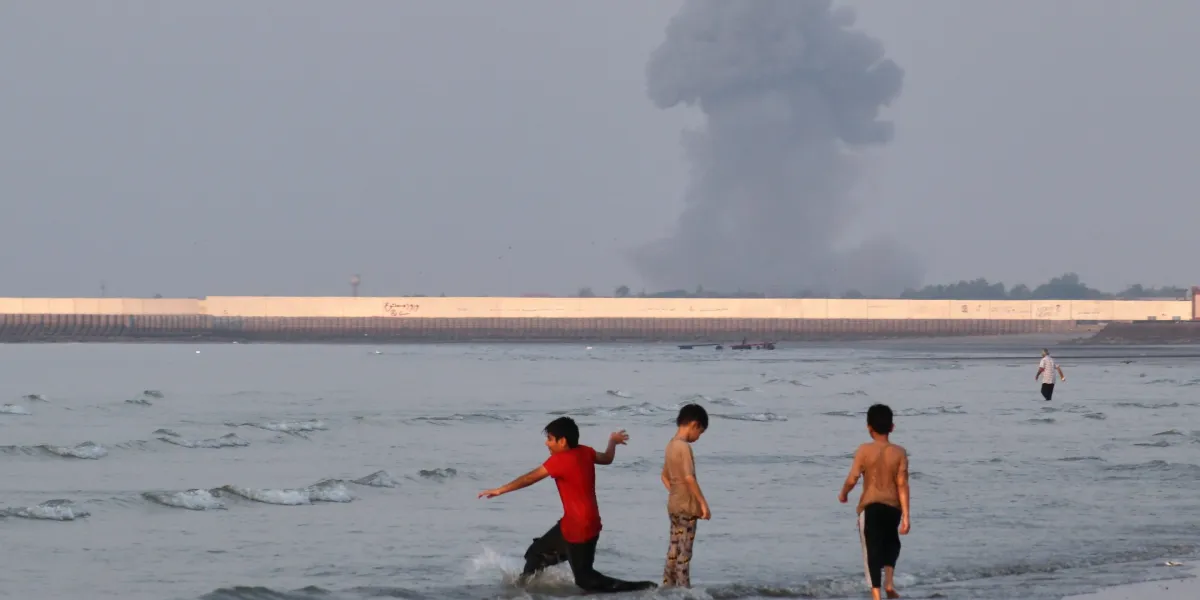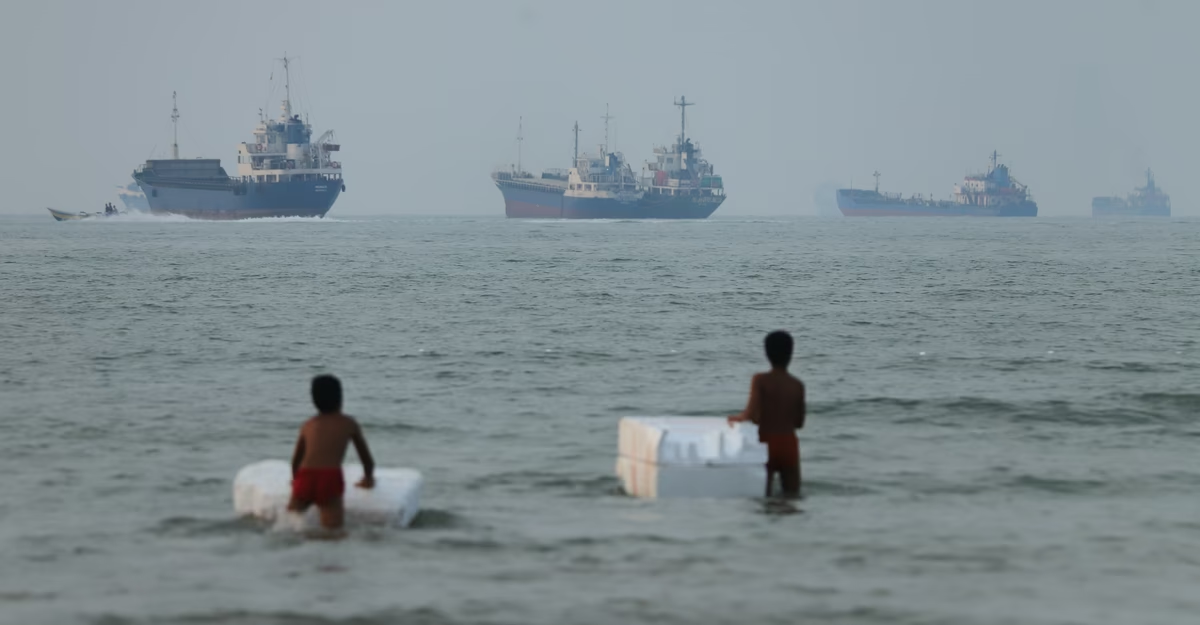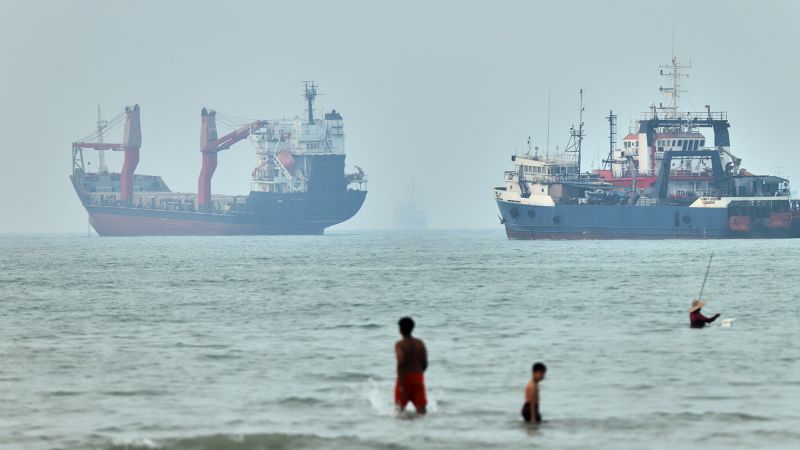
What started as a campaign to diminish Iran’s nuclear capabilities and weaken its global terror networks has morphed into a dispute over control of one of the world’s most important trade routes.
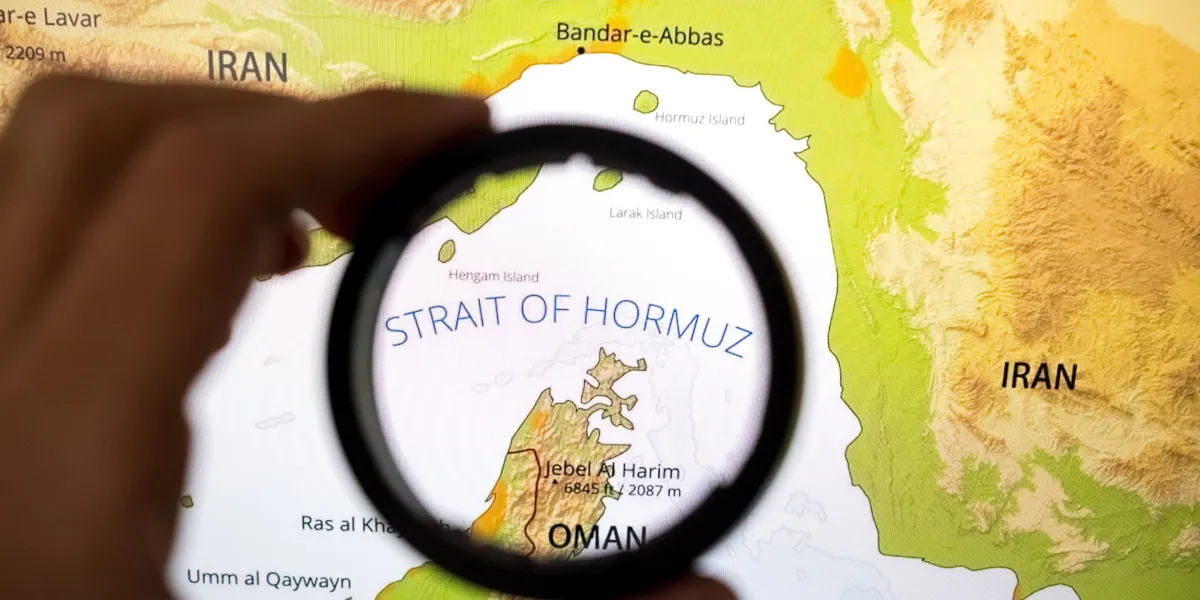
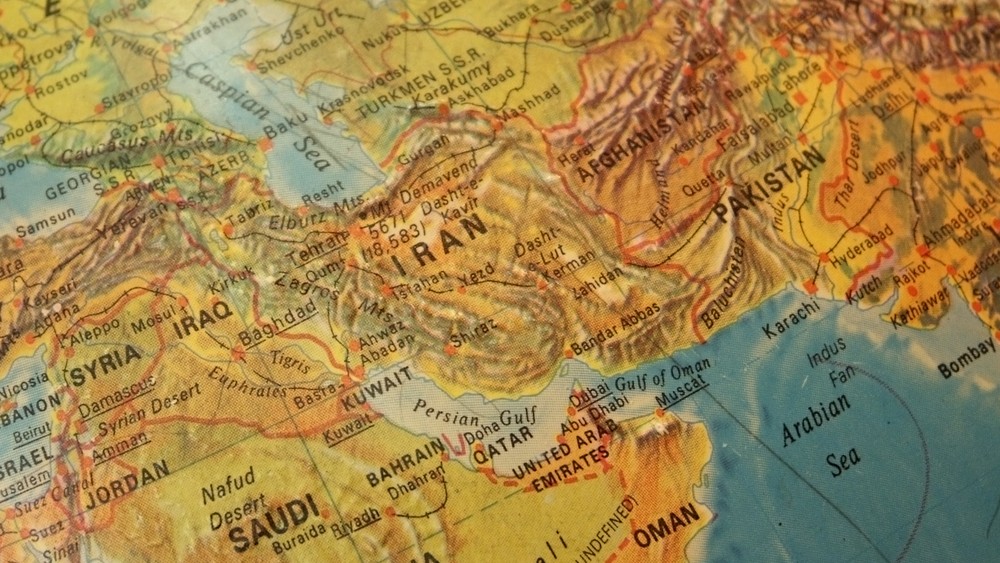
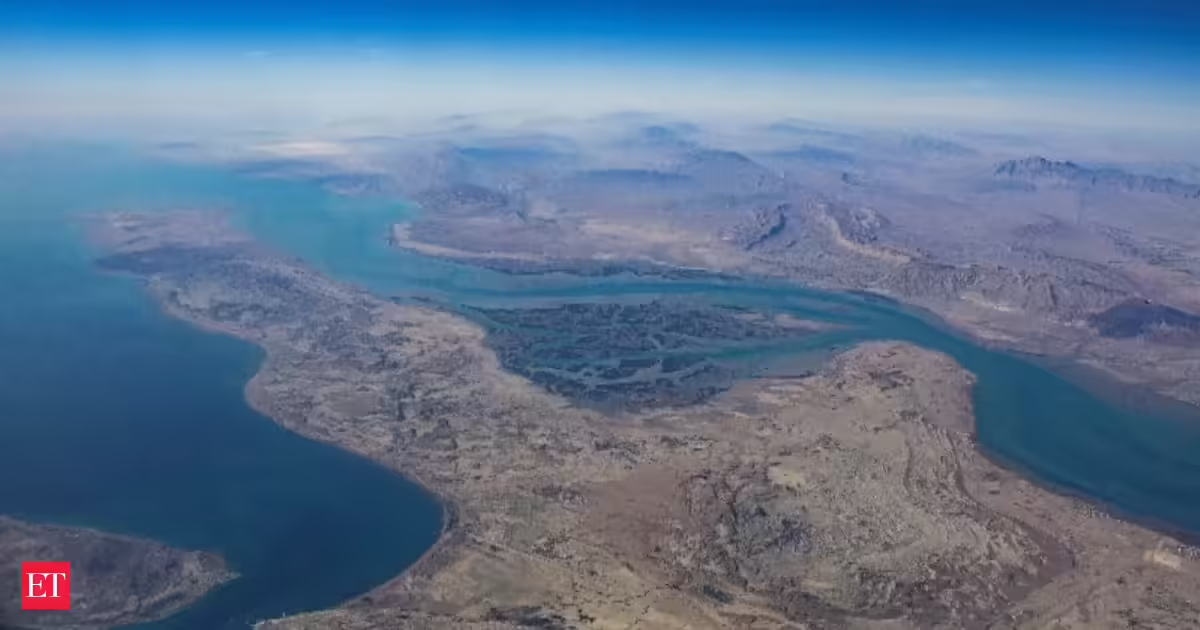
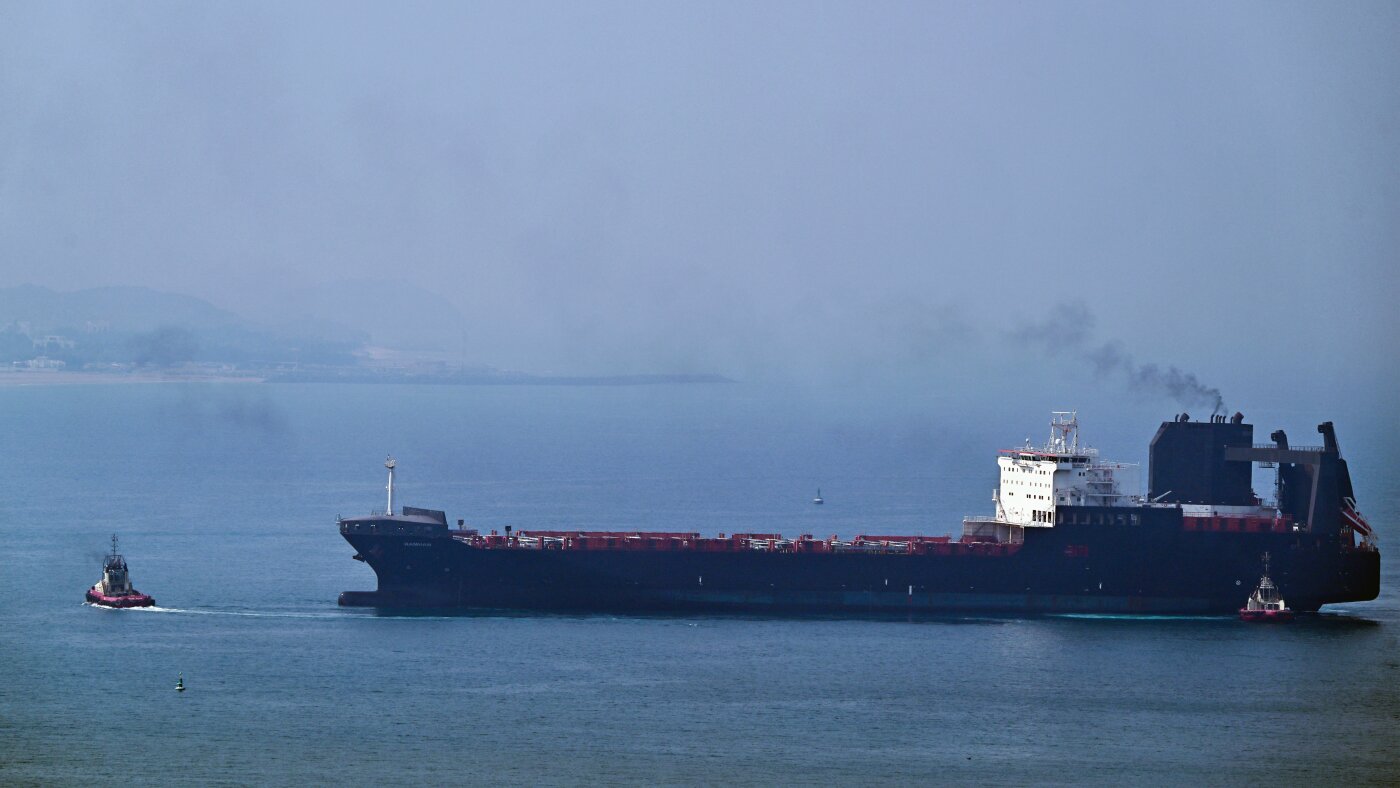
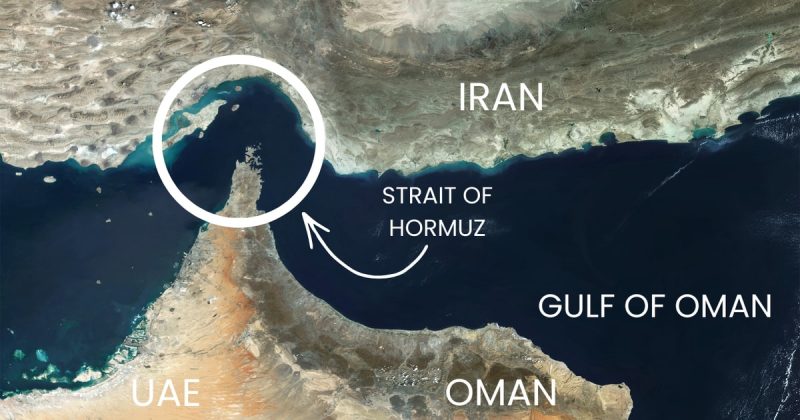
The Iran war has become a battle for the Strait of Hormuz, a global chokepoint for oil, natural gas, fertilizer and other commodities.
If the conflict leaves Hormuz under the permanent control of Iran – or the United States – it could spell the beginning of the end of free passage on the open seas, a concept that has underpinned global trade for centuries.
“This could set a dangerous precedent and make international seaborne trade much more expensive, a cost that would ultimately be passed on to end-consumers,” Erik Grundt, a senior analyst at consultancy Rystad Energy, told CNN.
Following the start of US- and Israeli-led attacks on February 28, Iran almost immediately declared the Strait of Hormuz closed, creating the largest oil supply shock in history.