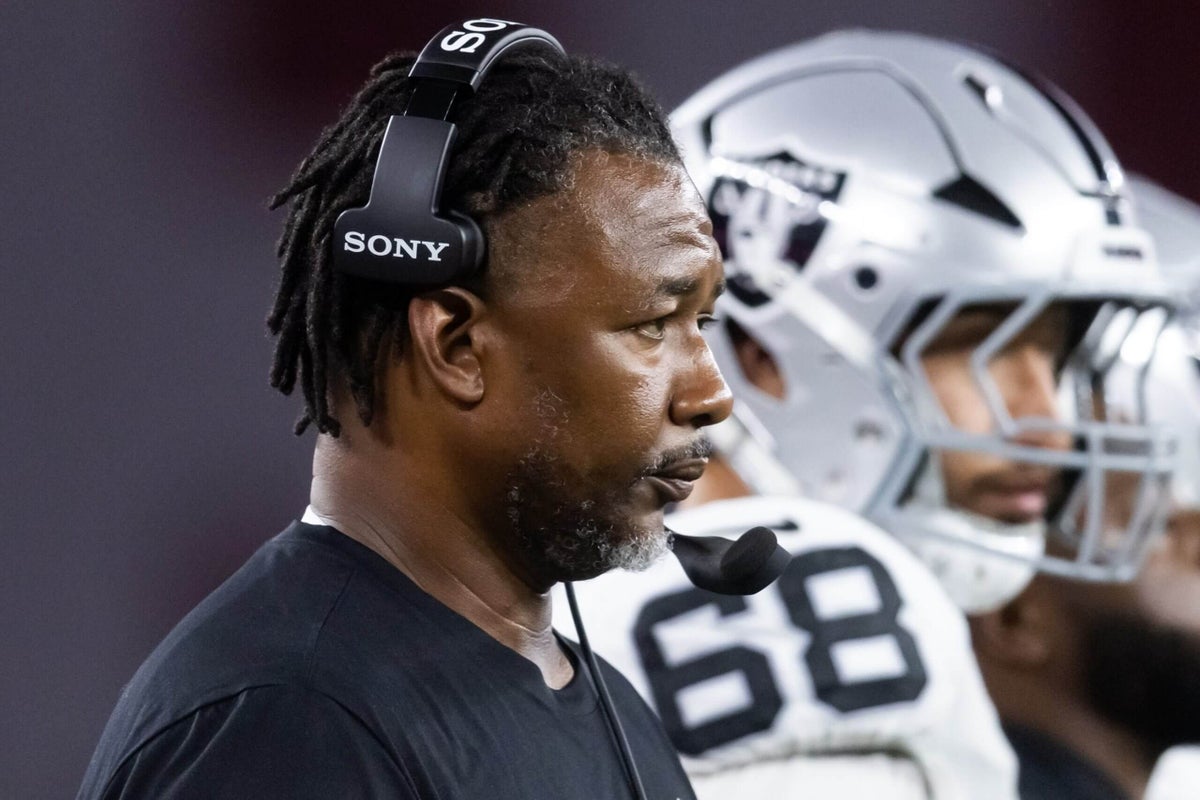
Embracing change has been a focus for the Pittsburgh Steelers’ defense this offseason. That starts with the coach in the front of the room, new defensive coordinator Patrick Graham.Over his last three stints as a defensive coordinator — the Miami Dolphins in 2019, the New York Giants in 2020 and 2021 and the Las Vegas Raiders from 2022 to 2025 — Graham’s system has been malleable and his approach ever changing. Sometimes the adjustments are significant, such as when he went from a 3-4 base defense in New York to a 4-3 base defense in Las Vegas. Other times the changes are more subtle, such as variations in personnel usage, blitz rates, the specific coverages he deploys and more.“There is no Pat Graham playbook,” the new DC said. “The playbook evolves once I get around the guys.”Training camp should provide several clues about how Graham plans to put his stamp on the defense. But really, it may take a few weeks into the season to see his full vision. That said, every coach has some tendencies and core beliefs. Graham — who learned from Bill Belichick, Steve Spagnuolo and Brian Flores, among others — is no different. Let’s dive into some recent film during Graham’s time with the Raiders to get a sense of what we can expect from the Steelers this year.Steelers' new defensive coordinator is giving a hip-hop history lessonMike DeFaboTwo approaches to pressureLast season, the Raiders blitzed on 21.7 percent of dropbacks, according to TruMedia. Only seven teams brought five or more rushers less often. Fans of the Blitzburgh tactics, however, don’t worry: Graham is far more aggressive than those numbers suggest. In fact, in some ways, he’s been one of the most pressure-happy coordinators in the league over the last several seasons.There are two important and intertwined parts of this conversation.First, when he blitzes, Graham often brings the house. According to Match Quarters, Graham led the league in 7-man (max) pressures in 2024. These all-out pressures not only help to put the quarterback under duress but also are often effective on early downs to plug gaps and leave running backs with no room.Let’s start with this clip from Week 14 of 2024. Before the snap, the Raiders walk both inside linebackers and a safety up to the line of scrimmage. Frequently, Graham likes to give this type of pre-snap presentation to the quarterback. In this instance, he does in fact choose to bring everyone.Tampa Bay Buccaneers quarterback Baker Mayfield attempts to set up a screen. With all those bodies near the line of scrimmage, however, he ends up throwing an interception to outside linebacker K’Lavon Chaisson.While Graham’s 7-man pressures are frequent and effective, the more interesting parts of his scheme are the opportunities those fronts create: fire zone blitzes and simulated pressures. Both are pretty similar. The idea in both cases is to show an all-out blitz before the snap and then drop several players out, leaving the offensive line confused. The difference is that a fire zone blitz brings five rushers, and in a simulated pressure only four rush the QB.Graham has been able to keep his blitz rates low because he’s particularly been a fan of simulated pressures, which are great because the defense can still drop seven players into coverage and don’t have the same risk associated with a five-man pressure. But often, the amount of pressure created is similar to a blitz.Let’s take a deeper look at a fire zone using this clip from Week 7 of 2024. Just like in the first example, the ILBs are mugged up at the line of scrimmage to create a seven-man presentation pre-snap. At the snap, inside linebacker Robert Spillane (41, aligned over the right tackle) and defensive tackle Jonah Laulu (lined up as a 2i on the inside shade of the guard in the A gap) drop into coverage.The fire zone blitz works perfectly. The Los Angeles Rams should have the advantage with five offensive linemen and a running back to block five rushers. Because the unexpected droppers have created confusion, however, QB Matthew Stafford throws a pass that deflects off Spillane and is intercepted.
What will the Steelers’ new defense look like? Breaking down Patrick Graham’s system
Why there's reason to believe Graham's defense will be better than last year's statistical performance suggests.
1,817 words~8 min read