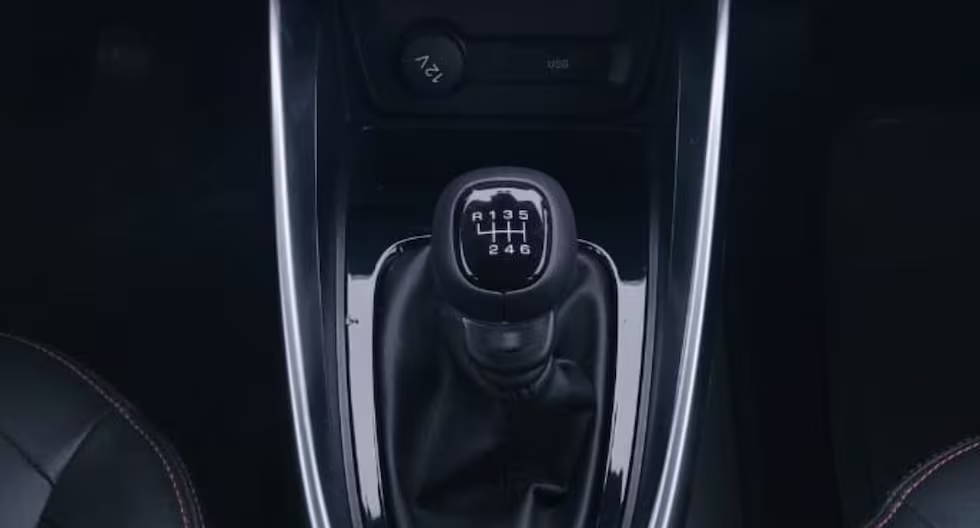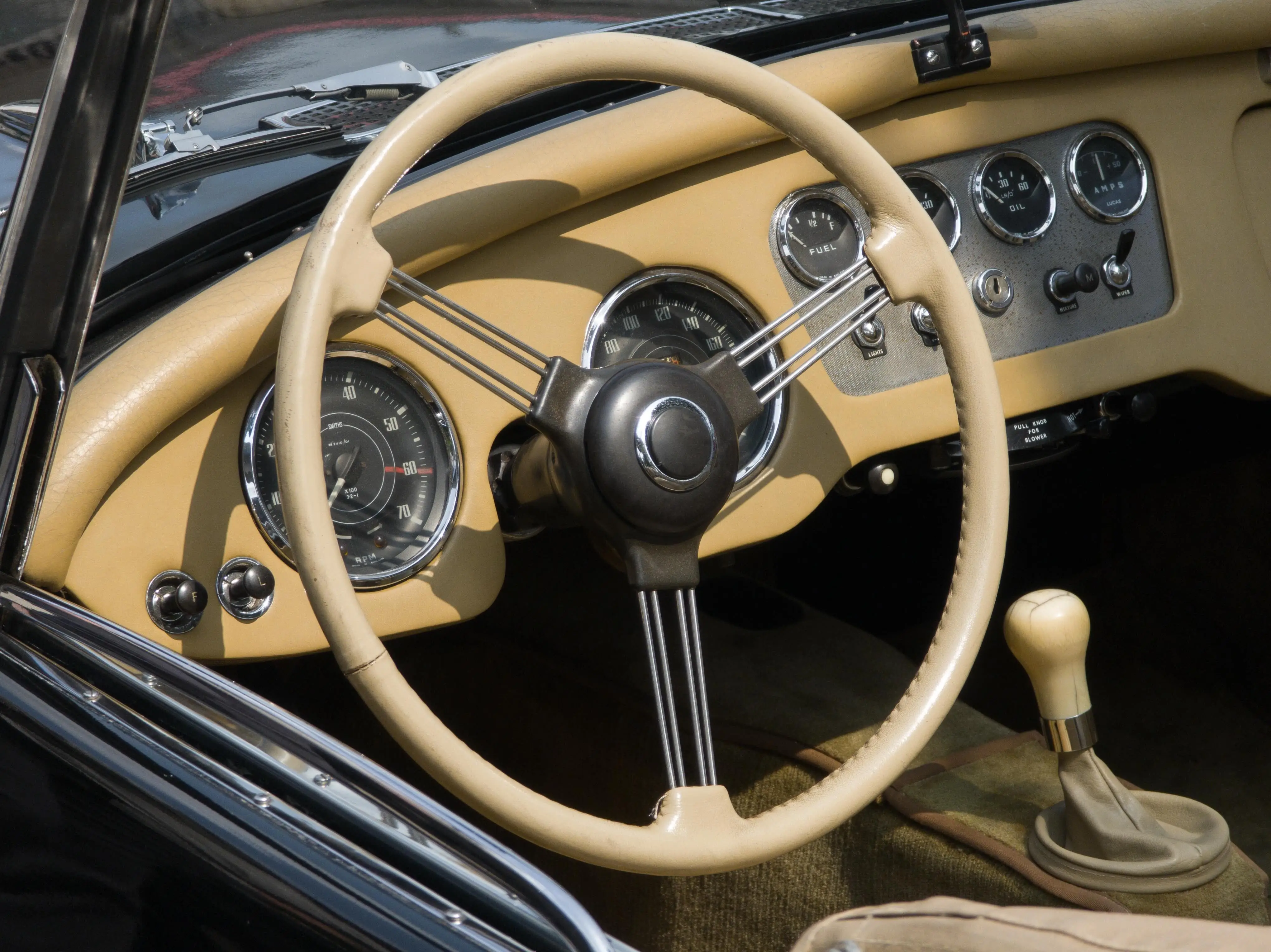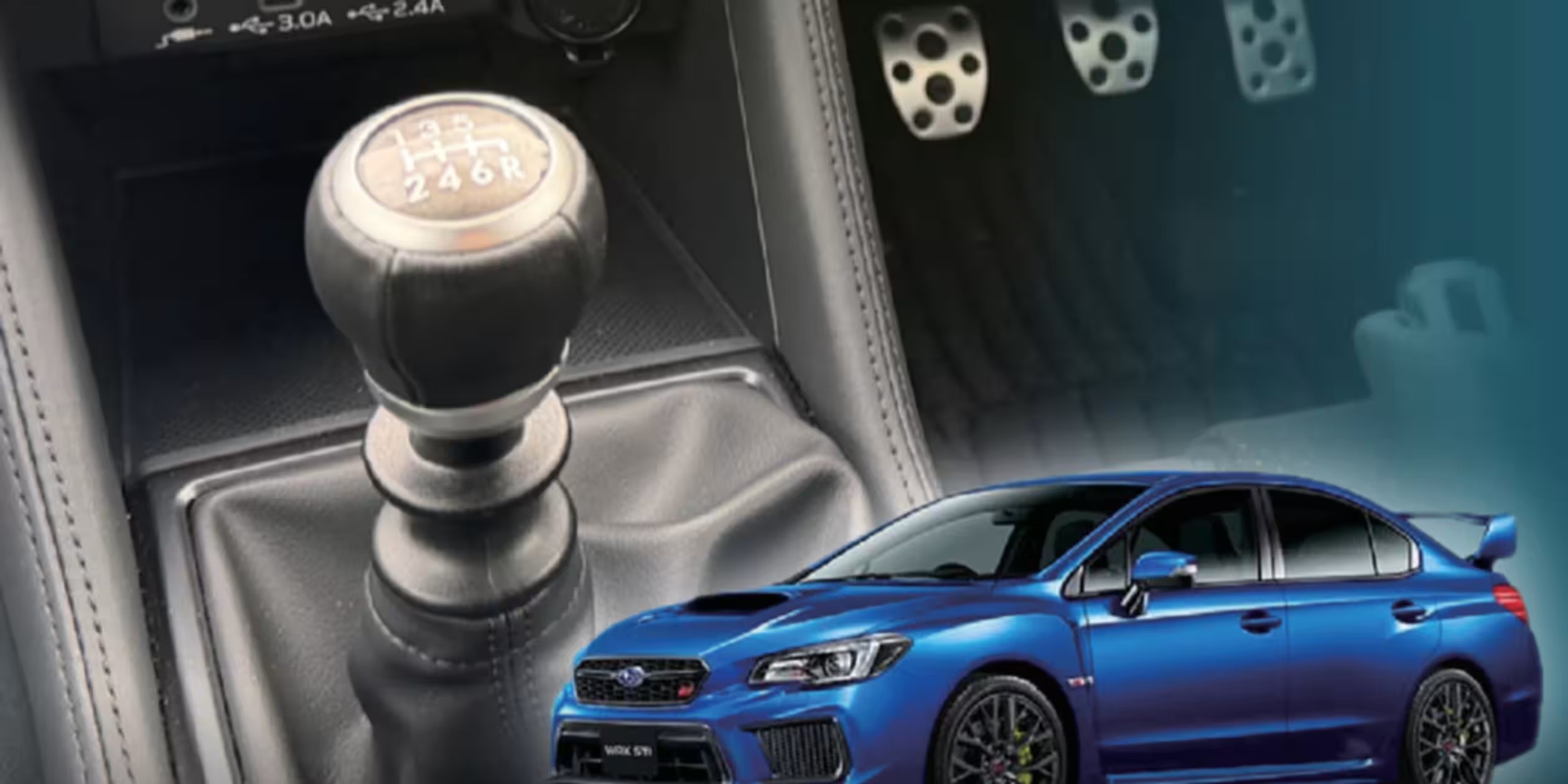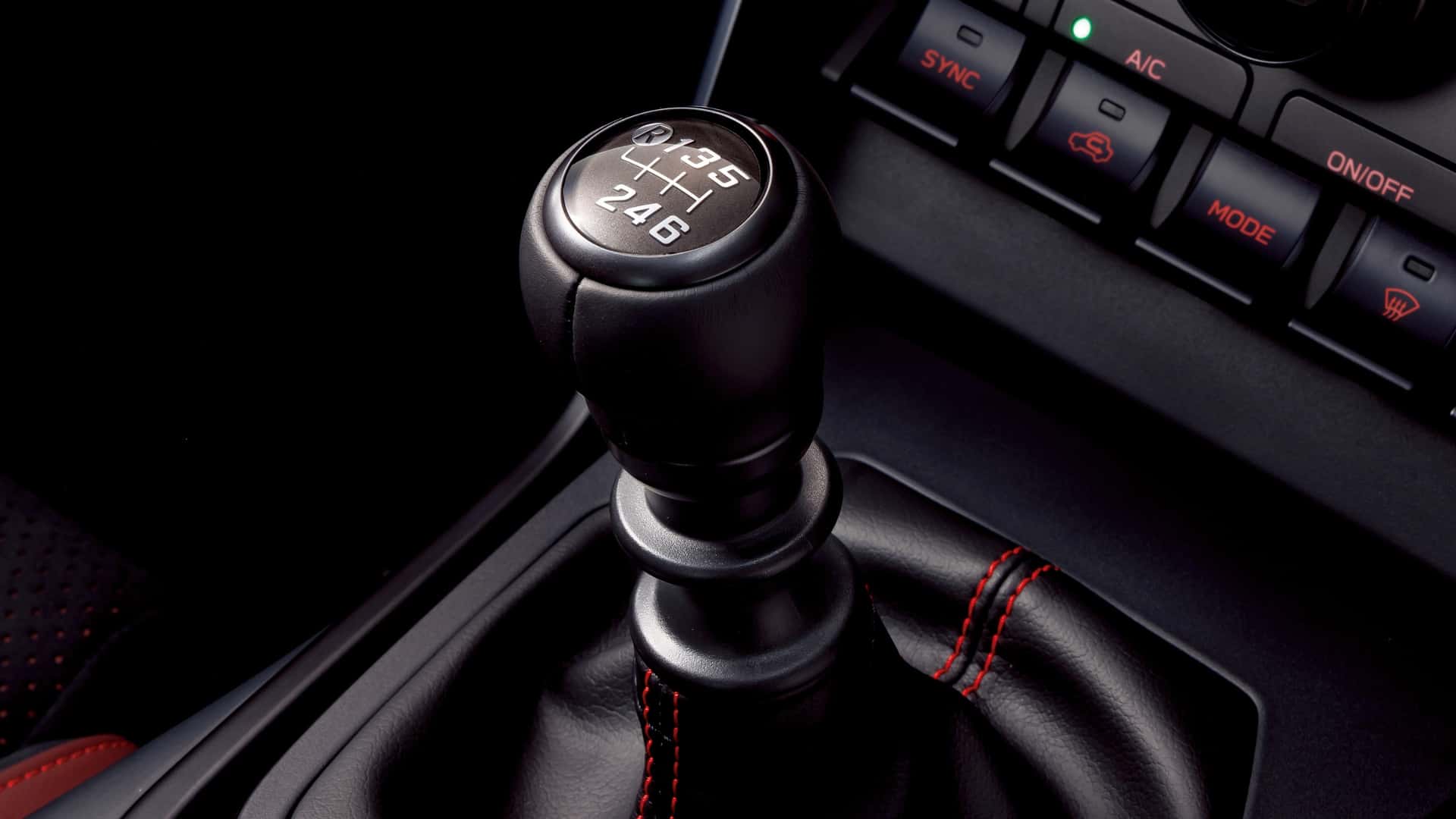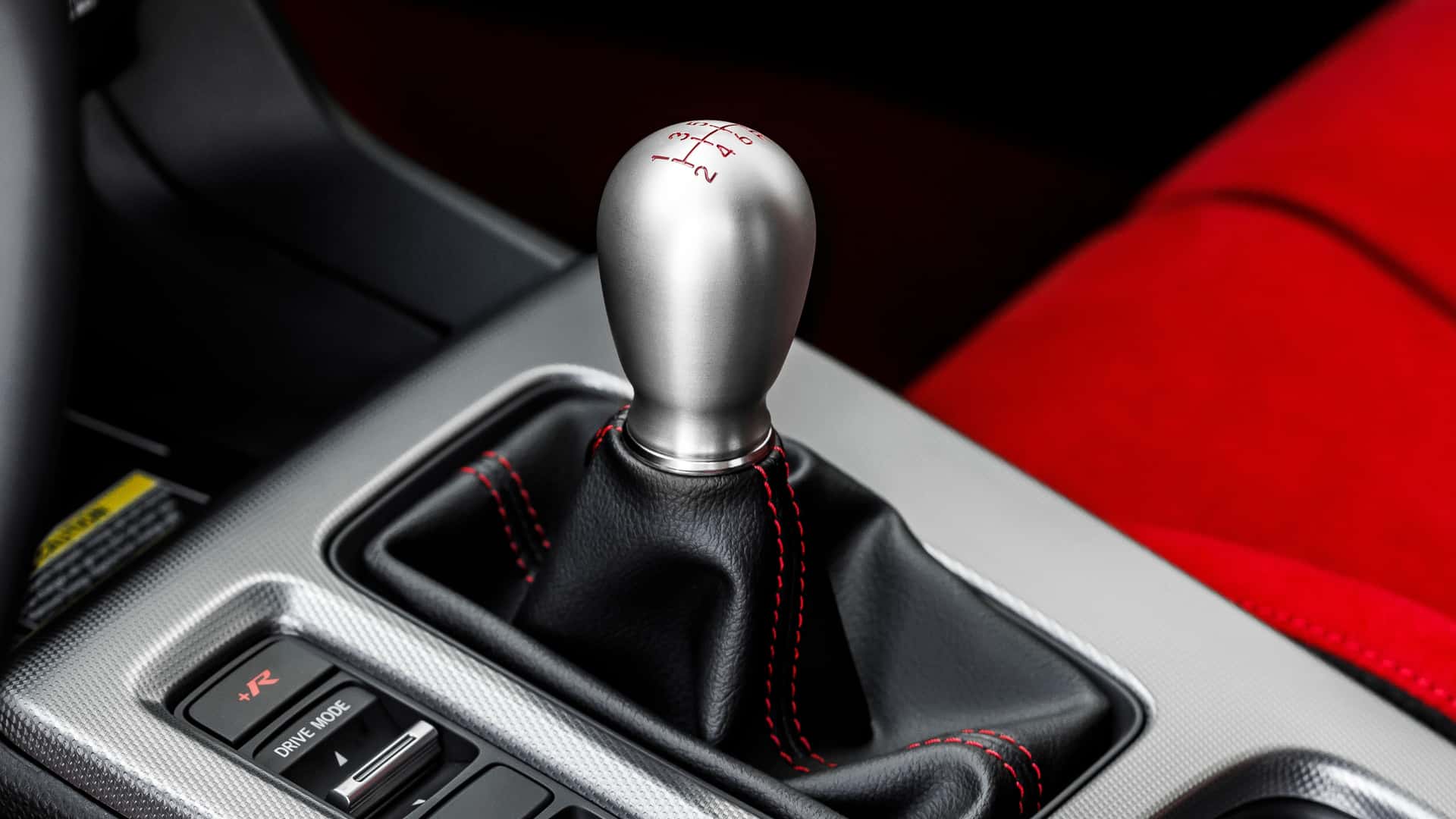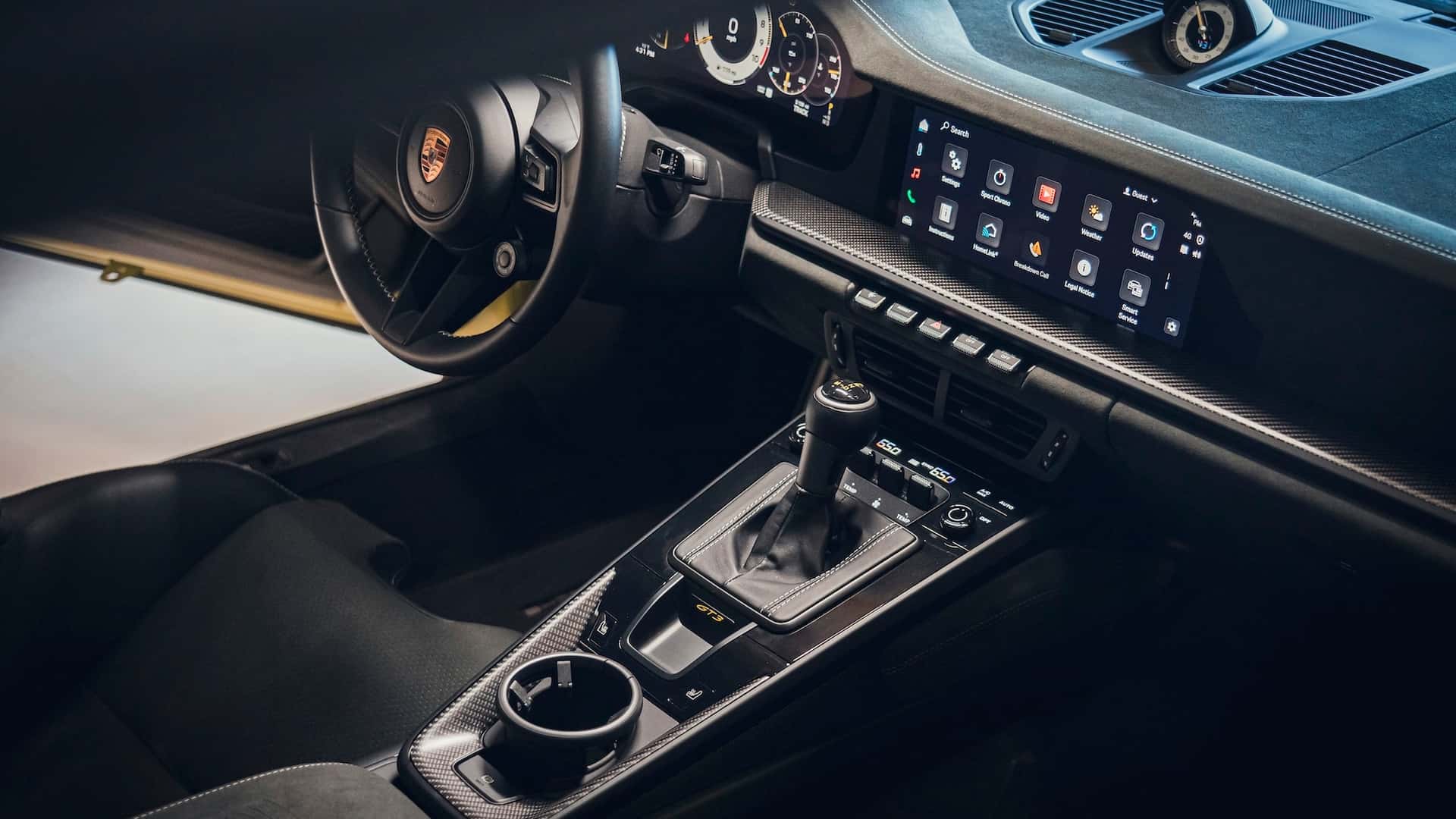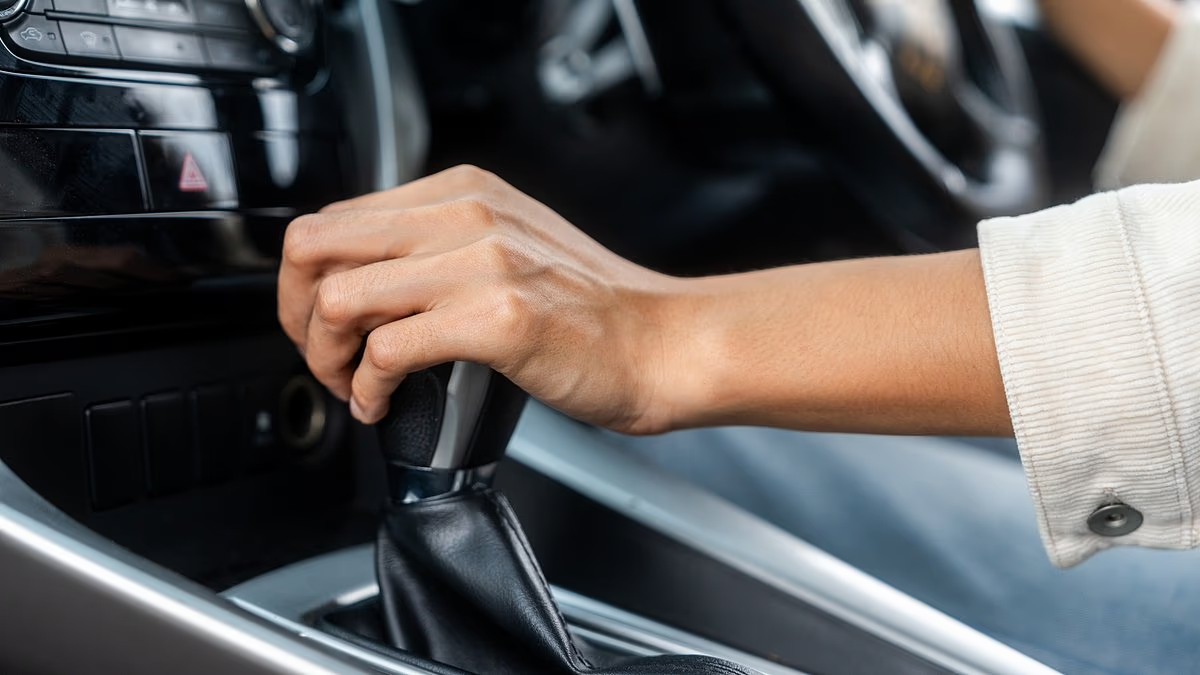
Sales of new cars with manual transmissions have sunk to a record low as Britons continue to steer away from changing gear by hand.Fewer than one in 12 (7.9 per cent) new models delivered in the first six months of the year have a gearstick, according to a new report.This is down from 14 per cent of orders in the first half of last year and 21 per cent in 2024, says car buying and selling site Carwow.As such, the number of new car purchases with manual gearboxes has declined by more than 60 per cent in the last two years alone.Analysis of the showroom market reveals there are now just 72 different new cars that drivers can order with a gearstick.With 356 unique models available across all brands, it means just one in five new car options now comes with a manual transmission.The shift away from the traditional gearstick has been accelerated by a combination of factors.These include more affordable pricing for automatic cars, greater comfort and convenience, and the transition to electric vehicles. Death of the gear change: Fewer than one in 12 new cars delivered so far this year have a manual gearbox. Here's why drivers are rapidly shifting to automatic transmissionsMore than half (54 per cent) of manufacturers selling cars in Britain have already axed manuals from their ranges, offering only automatic models.Experts believe this is partly due to a shift in driver preference, with a generation of motorists favouring the ease of letting the car change gear itself, especially when creeping through slow-moving traffic.The demise of the manual is also being driven by the popularity of hybrid cars and the accelerating switch to EVs - both of which are exclusively automatic.But market insiders say the quality of automatic transmissions - which are now so advanced that they change gear almost seamlessly - is also making them more appealing.So too is the cost.Some 10 years ago, opting for an automatic instead of a manual gearbox typically came with a premium of around £3,000.Today, that margin has shrunk by half to between £1,000 and £1,500.This is because, like airbags and other automotive technologies, increased adoption has lowered prices.
One in 12 new cars ordered with a manual gearbox as demand plummets
The number of new cars with manual gearboxes has declined by more than 60% in the last two years alone. But why? We examine the figures.
1,240 words~6 min read