We are social and behavioral scientists who generate and apply science to improve lives—or, said another way, we aim to produce science as a public good. You may have already encountered our work without realizing it. If you took part in the NPR “Stress Less” series during the contentious 2024 presidential election, you were using evidence-based skills our team developed to help people manage stress. If you visited a pediatrician in Colorado, Illinois or Michigan and discussed secure firearm storage, you experienced a safety program we helped implement to reduce firearm injuries in children. And if your primary care team has asked you about your alcohol use as routinely as they check your blood pressure, you have experienced our work to make alcohol screening a simple, standardized vital sign that opens the door to brief, supportive conversations and better overall health.
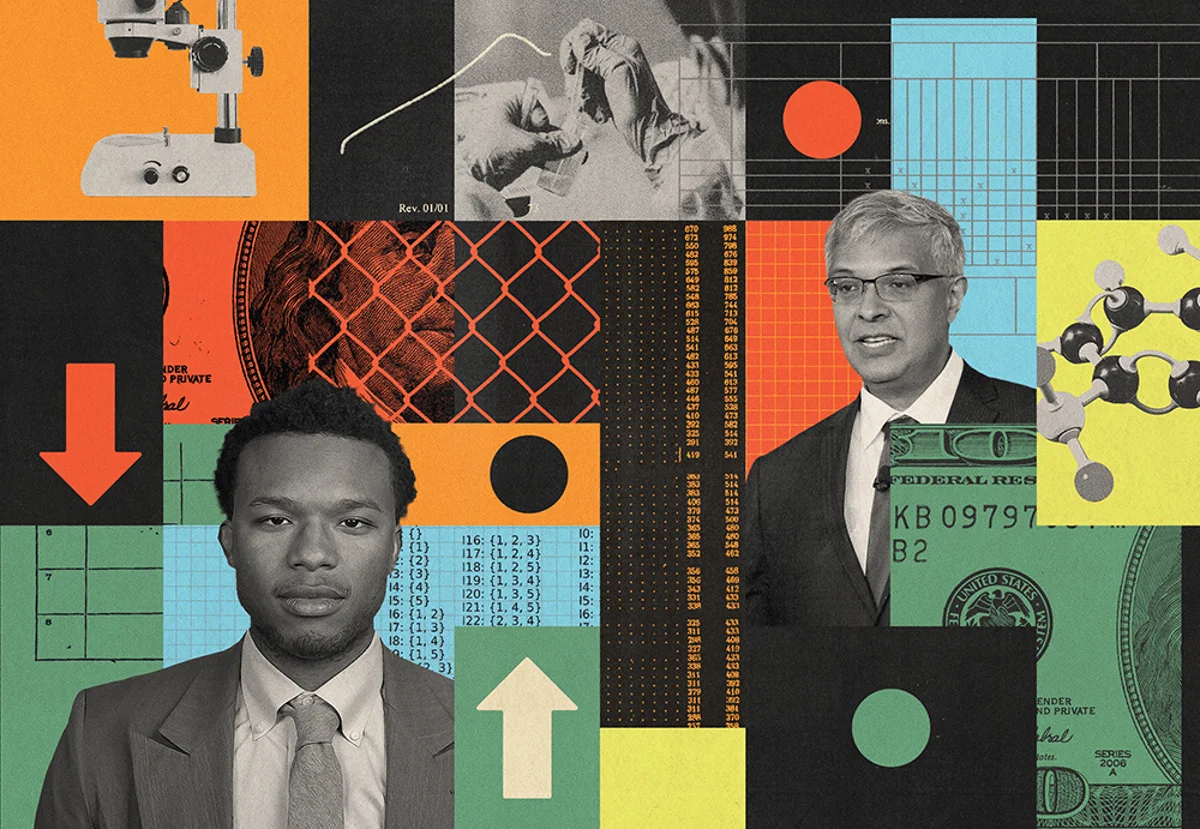
Eighteen months of disruption at the National Institutes of Health, marked by thousands of terminated or frozen grants, sharp declines in new awards, and mounting delays, have made research funding unstable and much less predictable. On top of these disruptions, a proposed new rule would shift funding decisions away from independent peer review by requiring political appointees to approve grants and allow agencies to cancel awards based on changing government priorities—thus completing the politicization of the scientific process.