This week drew a sharp line between building agents and running them safely in production. Two significant supply chain and trust-boundary failures landed alongside Microsoft's most serious attempt yet at production-grade agent infrastructure—making it a useful week to stress-test your assumptions about what "production-ready" actually means for agentic systems.
Foundry adds runtime, memory, grounding for production agents
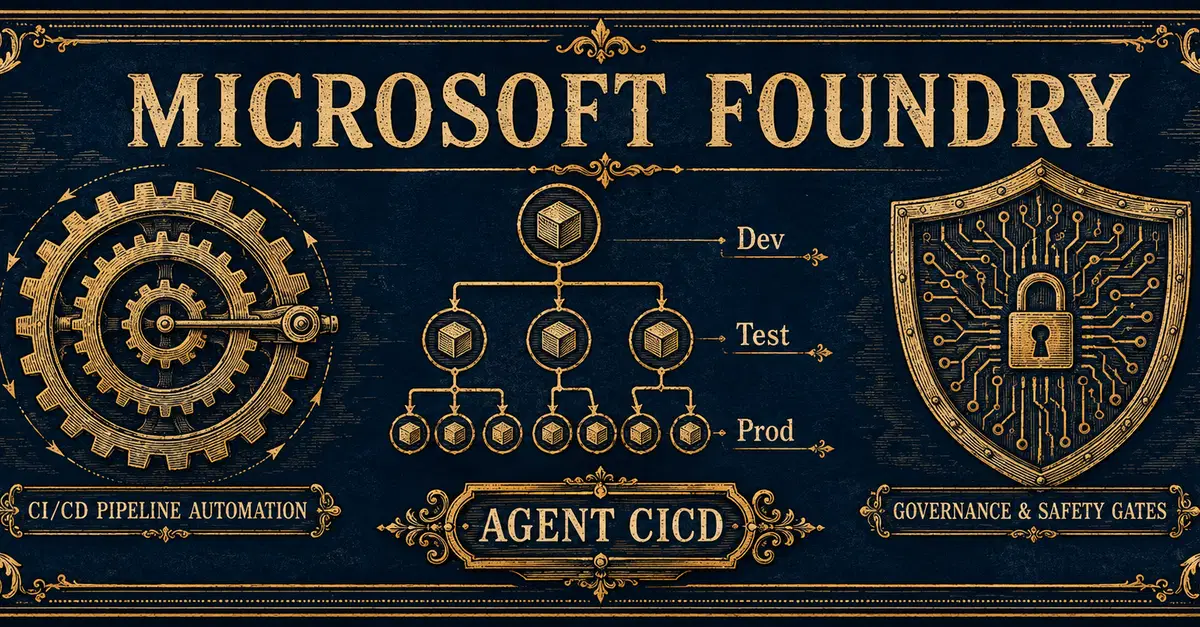
Microsoft Foundry has moved well past model endpoint hosting. The platform now ships procedural memory that persists and learns across agent runs, Toolboxes that centralize tool registration so individual agents don't wire up their own, and an IQ retrieval layer that unifies grounding across enterprise data sources. The hosted Agent Service handles orchestration state, evaluation, and observability without you building scaffolding.
The architectural shift matters: you stop treating memory and tool access as per-agent concerns and start managing them at the platform level. Procedural memory means agents accumulate context across sessions without custom storage logic. Toolboxes mean runtime tool selection rather than hardcoded bindings per agent. That's a meaningful reduction in boilerplate for teams running multiple agents against shared infrastructure.