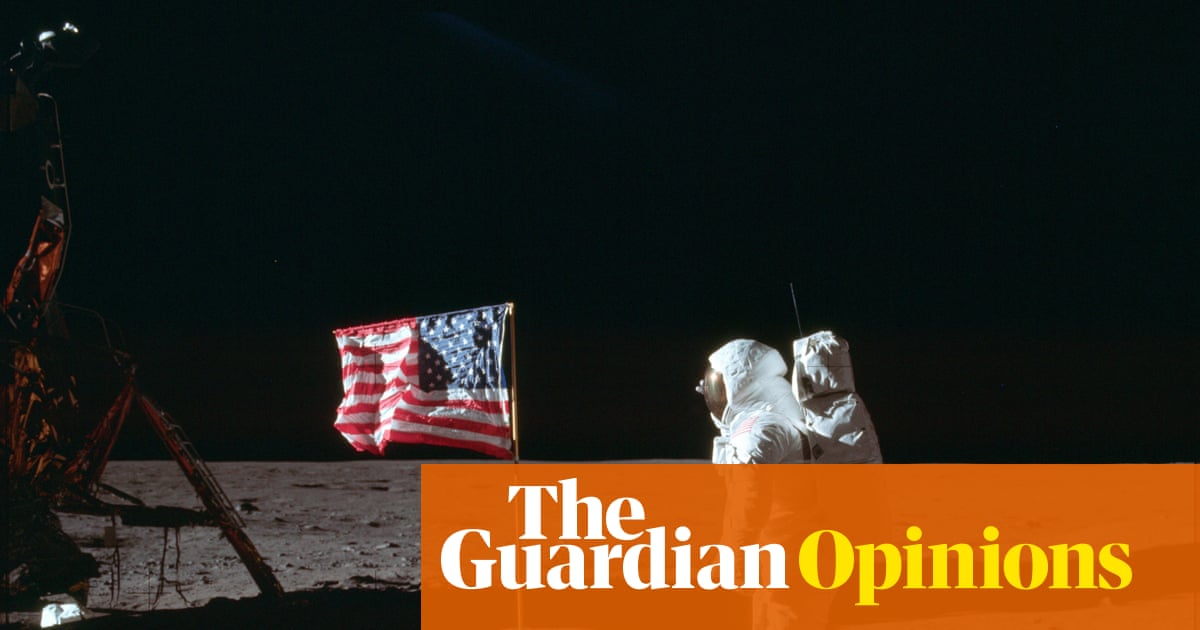
In some sense, I’ve been going to the Moon most of my life. As a child of the space age whose father worked in the space industry, I’ve tracked sometimes closely, sometimes less so with activities in space. Satellites, the space race, men on the Moon, and all the sci-fi and commercial kitsch that went with it was part of growing up in the sixties. Even now, I pay attention to the night sky, not only in terms of the burgeoning space industries, but to the sky itself, and most definitely to the Moon. That’s sort of going, right?Article continues after advertisement
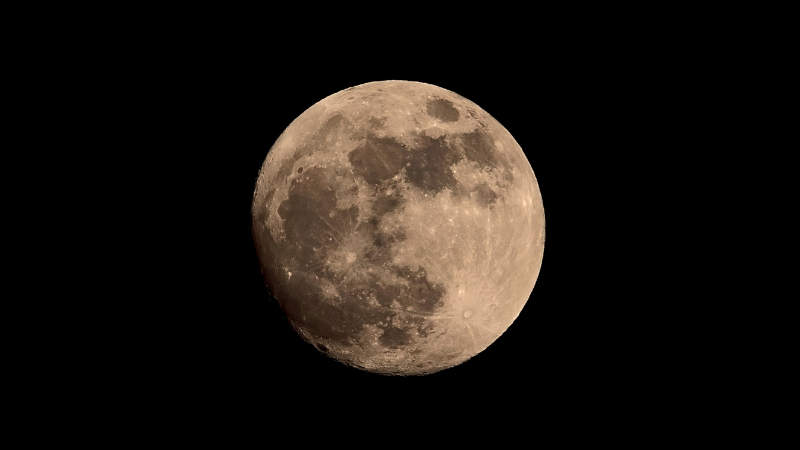
It’s hard to explain the connection I feel to it, something nurtured in me since I was very young, like trying to explain why I love peanut butter. But it’s more than just a taste. Maybe you could call me a lunaphile, someone hopelessly attracted to the Moon as if I were a tide locked to its pale, changeable gravity. I find the Moon’s comings and goings familiar, comforting, inspiring. Almost a persona. Though it’s thousands of miles away, seeing the Moon grounds me. And not just me.
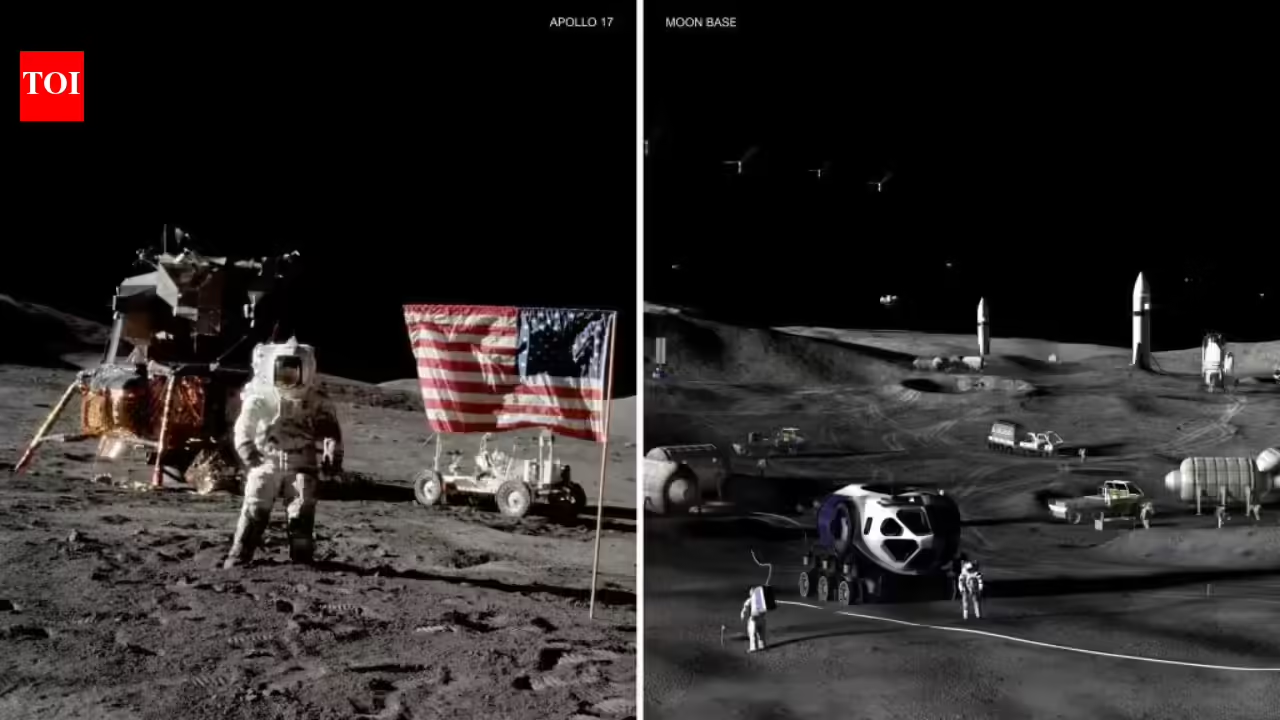
Since human beginnings it has been our common heritage owned by no one, shared by all peoples. An emblem, an oracle, a myth. In spite of multinational plans to forge settlements and roads and fueling stations, dig mines and tunnels, build nuclear reactors, and encircle it with satellites and internet connection, I want the Moon to remain what it has always been. Something that unites us. Something whose beauty and mystery draws and inspires us. Life sustaining. Our moon. Everyone’s moon.