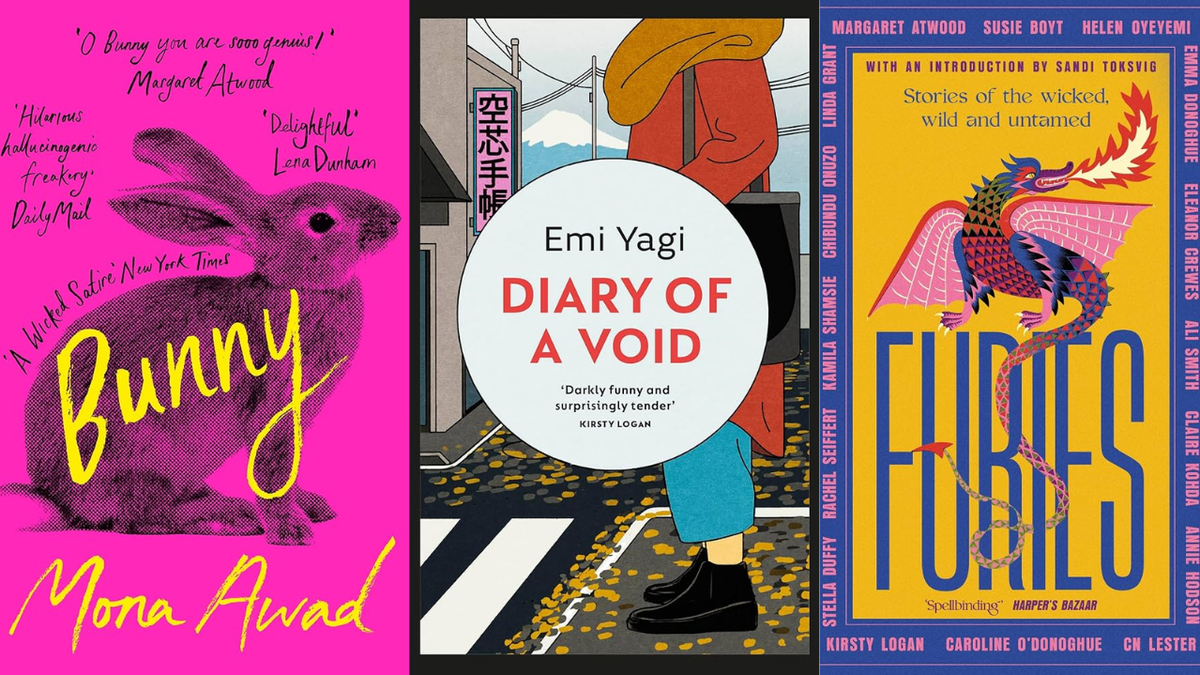
If you’ve ever walked through a bookstore with an author by your side, you may have noticed something peculiar: writers don’t check out new books the way normal people do. Your average reader, when they pick up a book, will first inspect the cover, then they will read the synopsis, and finally they will glance at the author photo, cruelly appraising the hair and skin and posture of a subspecies of human (Homo scriptor) that largely prefers to remain out of sight. In other words, they will never actually open the book before they buy it. A writer, by contrast—wise to the Draperian deceptions of jacket copy—tends to open it to the first page, take a quick sip of its prose, and if they like it, then and only then will they endeavor to learn what the book is actually about.
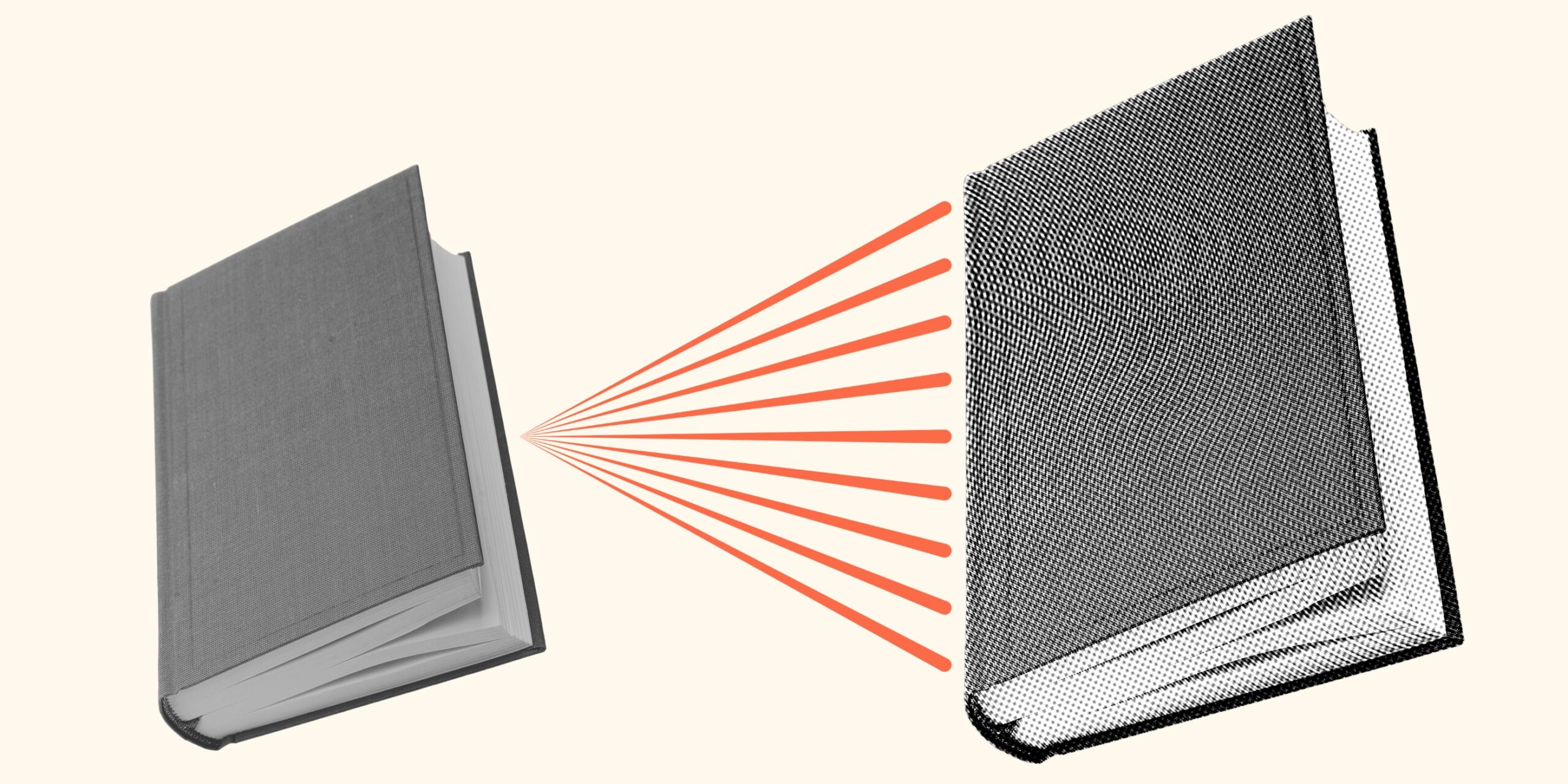
Authors understand that every book is, in truth, two books. There is the book a writer writes, which is to say the actual words on the page, and then there is what I call its hologram—the shimmering, ethereal version of the book that the author must pitch to their publisher, and which their publisher then pitches to the public. Writers tend to find this process—reducing a complex, nuanced work of art down to a tidy cartoon version of itself—excruciating. But we are forced to do it, because no one can read a whole book before they buy it.