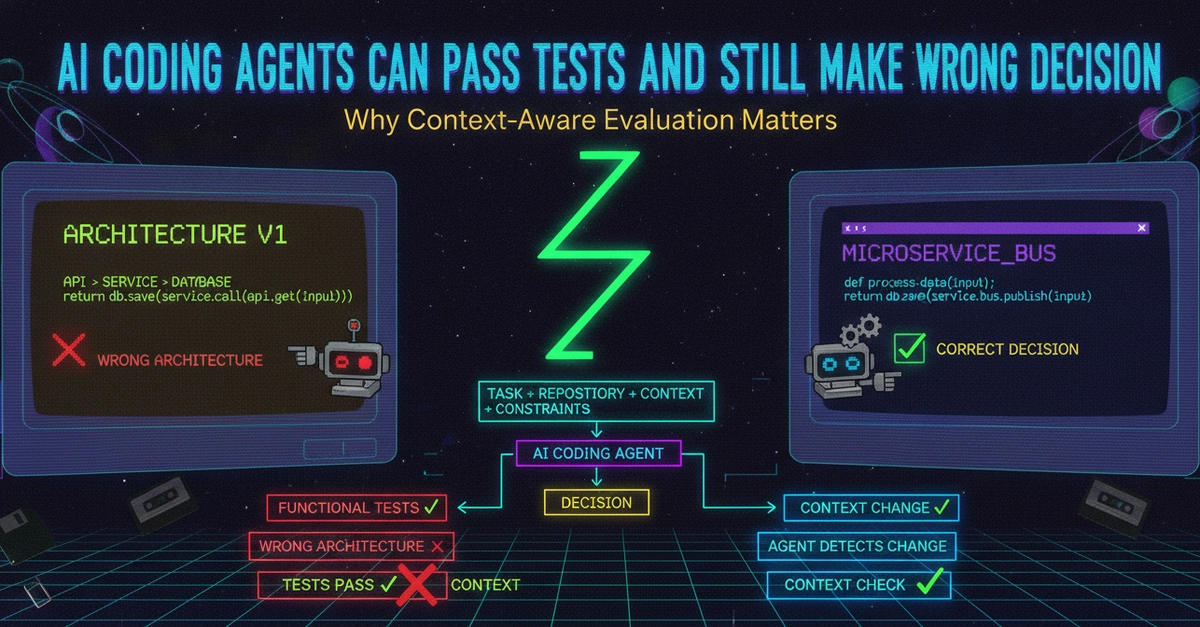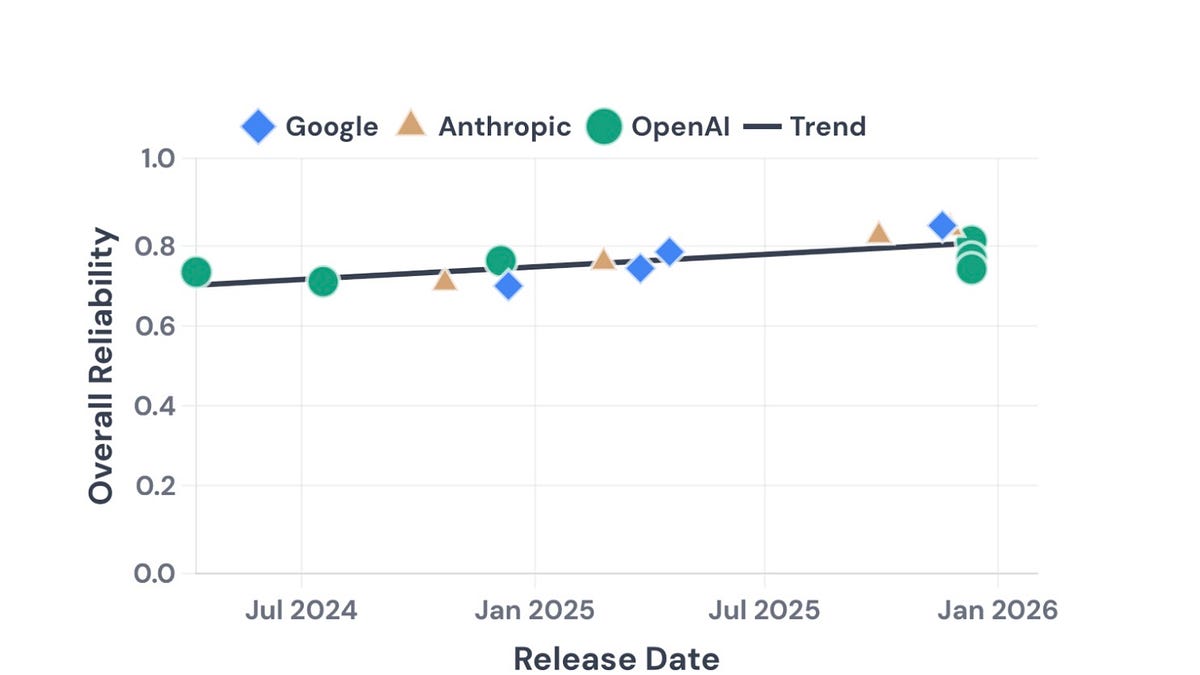
In the audits I have run, including this site's own, one thing keeps surfacing. An agent that is instructed well, and given the right settings, can take in data and make the correct decision, every time the rules call for it. The capability is real, and it is wider than most of the conversation around it. The limits are rarely the model. They sit in two places that are easy to overlook.
A decision is only as good as its inputs
The decision an agent reaches is bounded by the data that reaches the agent. In a clean datacenter that is invisible, so it gets ignored. Move the same agent to where the work actually happens and it becomes the whole problem. A link drops as a crane passes over it. A satellite hop adds the better part of a second. One lost packet stalls every packet queued behind it, and the agent waits on stale input while the moment it needed to act goes by.
The agent did not get worse. Its inputs did. Most of the reliability of an autonomous decision lives in the unglamorous layer below the model, where data either arrives in order and on time or it does not. A site or a system that wants an agent to act on live data has to earn that layer first.
The right decision is the one the settings allow