See more Daily Mail on Google - save us as a Preferred SourceBy JAMES TAPSFIELD, UK POLITICAL EDITOR Published: 09:33 BST, 15 July 2026 | Updated: 10:08 BST, 15 July 2026
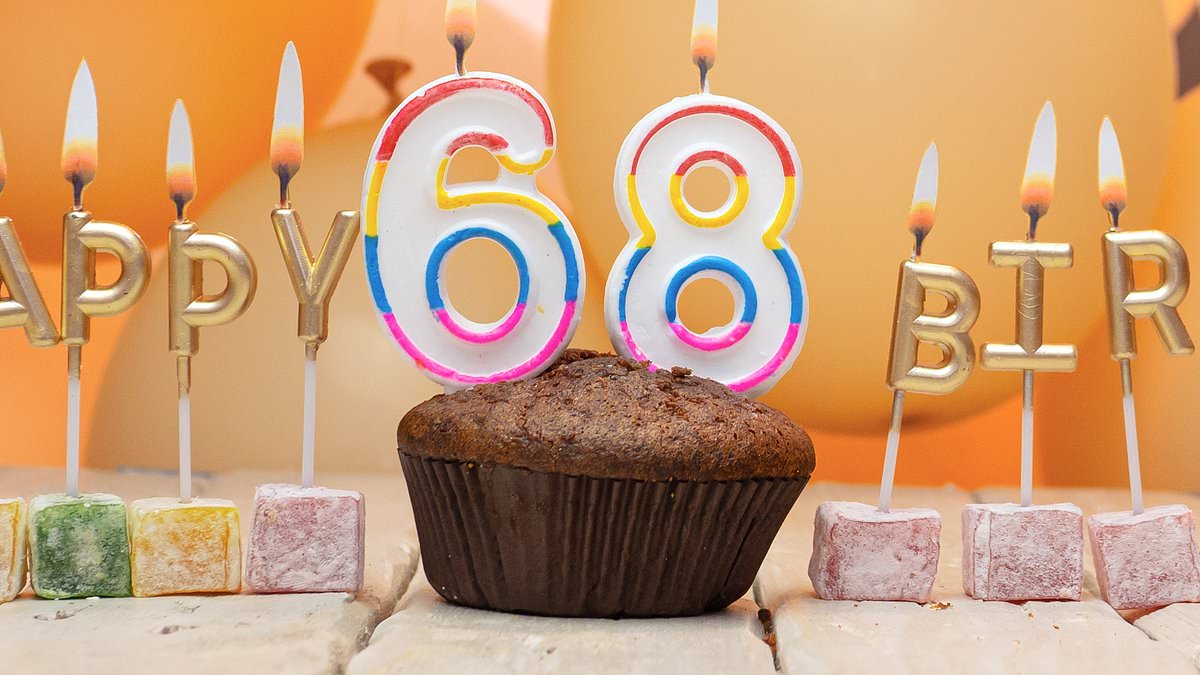
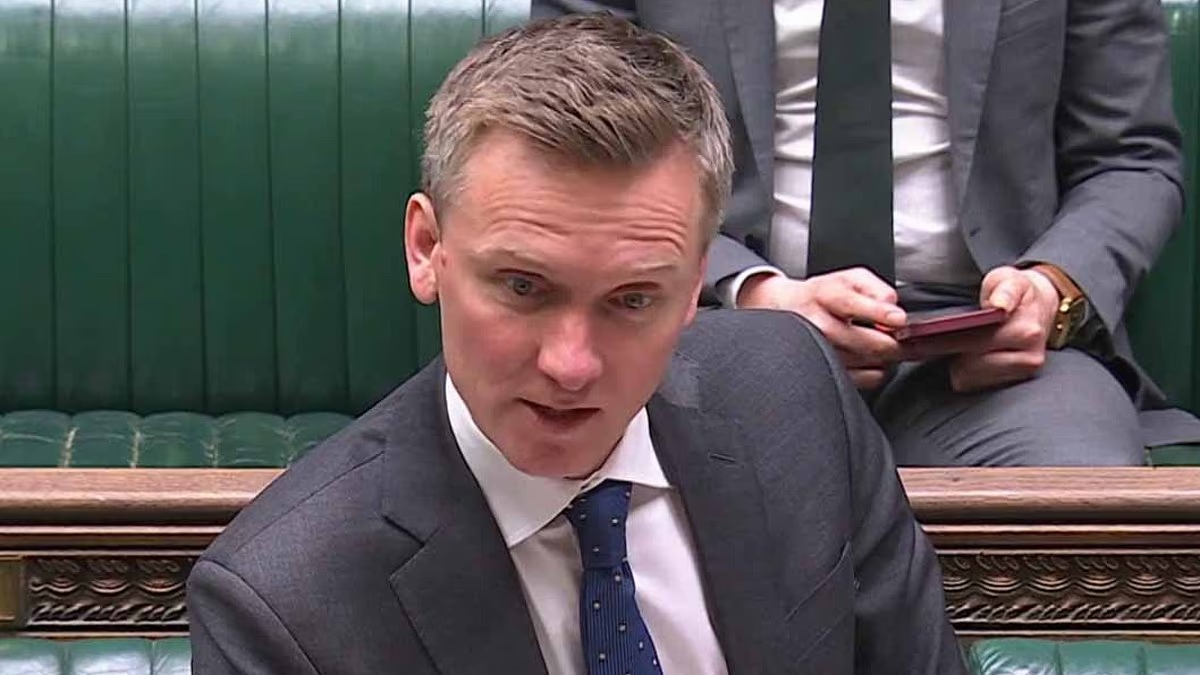
Millions of people face waiting longer for their state pensions amid claims the Government has decide to speed up the age rise.The Treasury has told its OBR watchdog that the threshold will increase to 68 between 2037 and 2039.That is seven years earlier than the 2044-2046 timetable currently laid out in legislation. It would mean around five million people now aged between 49 and 55 working an extra year before being eligible for the payments - costing them about £12,500 each but saving the Government £6billion a year.The shift comes despite Labour ministers being heavily critical of the way the Coalition administration 'rushed' through the previous age increases.Pensions minister Torsten Bell - who has previously seemed to hint that age rises should be slower because of a lack of progress in life expectancy - played down the significance. He stressed a review is under way and the Treasury was merely reflecting the position of the previous Tory Government.
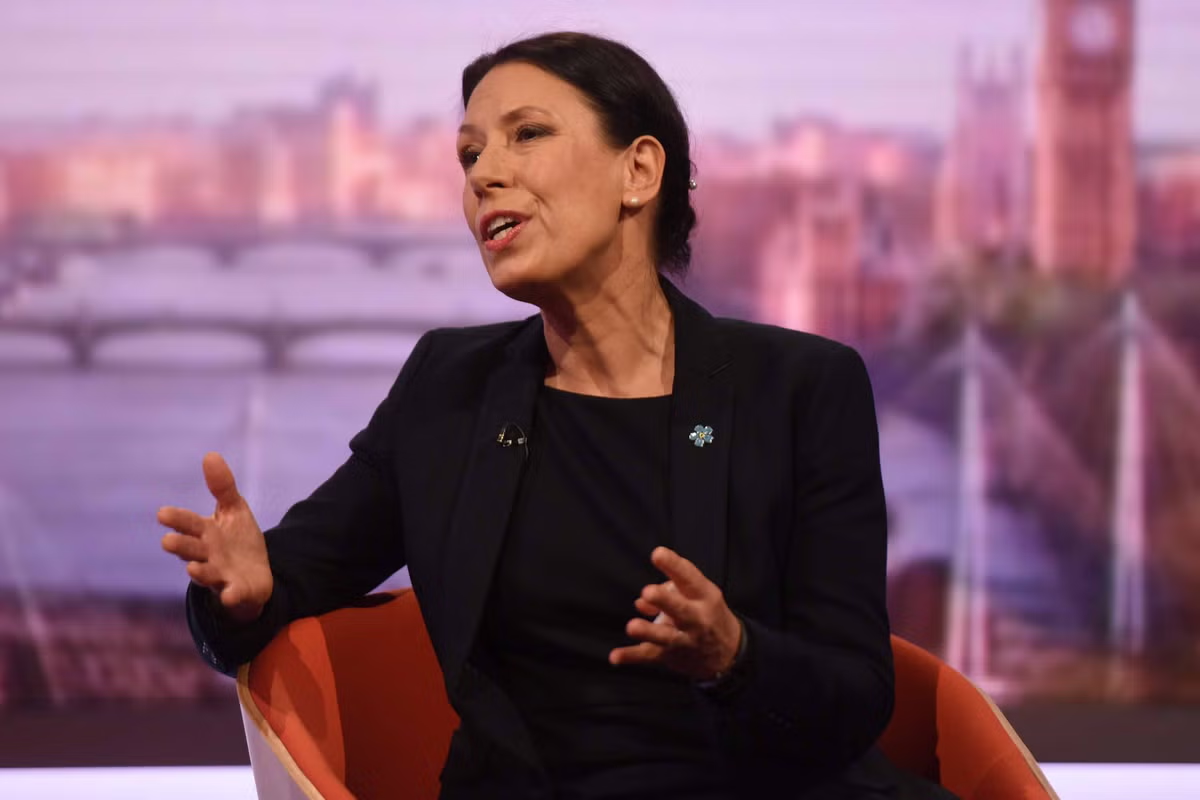
A government review published in March last year indicated that if life expectancy returned to the trajectory expected in 2014 the state pension age could be 71 by the late 2050s Pensions minister Torsten Bell - who has previously seemed to hint that age rises should be slower because of a lack of progress in life expectancy - played down the significanceThe apparent confirmation was slipped out in the OBR's fiscal risks report last week. It assumed that the state pension age would increase to 68 between 2037 and 2039, adding: 'The Treasury has confirmed to us that this is the Government's current policy position, rather than the legislated increase set in the Pensions Act 2007.'The pension age is already slated to reach 67 between April this year and 2028.Currently the legal position is that it will reach 68 from 2044-46.However, a previous report by former Tesco director Baroness Neville-Rolfe warned that might need to be accelerated.With the so-called triple lock in place there are estimates the level would have to hit 74 by 2068–69 in order to maintain spending at around 6 per cent of GDP.The OBR's central projection is for spending on the state pension to go from 5 per cent of GDP at the end of this decade to 9 per cent of GDP by 2075-76. Posting on X, Mr Bell said: 'Legislation sets out that the State Pension age is due to rise to 68 in the 2040s. 'The previous Tory government said it wanted to bring this forward to the late 2030s - that is what this story is referring to NOT anything this govt has said.'He added: 'We have not announced any change of policy - and certainly not this specific one. 'There is currently a review of the State Pension age underway - that is simply because legislation (the 2014 Act) requires the Secretary of State to conduct such reviews on a fairly regular basis.' Giving evidence to the Work and Pensions Committee in March, Mr Bell said he thought ministers had been too 'relaxed' about the impact of state pension age increases in the past. Committee chair Debbie Abrahams challenged Mr Bell that life expectancy had been increasing much more slowly for lower income households, saying it had actually fallen in her Oldham constituency.The minister said 'a lot' of weight would be put on the needs of those who were not benefiting from wider improvements in life expectancy.'If I take the long view... state pension increases have been going on for different reasons since the early 1990s,' he said.'There's obviously to some degree a consensus that as you see increases in longevity there will be consequential changes in the state pension age to some degree. The apparent confirmation was slipped out in the OBR's fiscal risks report last week The OBR has highlighted the rising cost of the state pension in the coming decades'I think sometimes what that has flipped into too easily into is being relaxed about that, not weighing that.'You can take seriously the need to support people working into later life while taking very seriously the consequences in the distributional...'If I was looking at the changes in 2011 for example and some of the comments I saw from then-ministers after very fast accelerations of SPA... I would say they weren't weighing seriously enough those consequences in the way they went about it.'