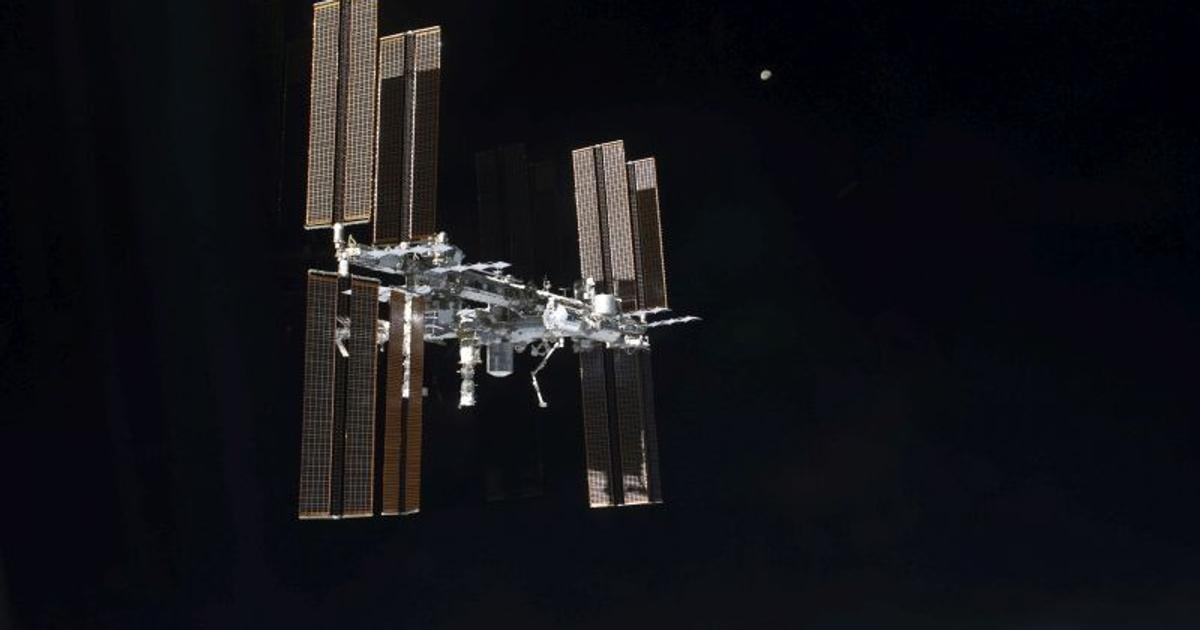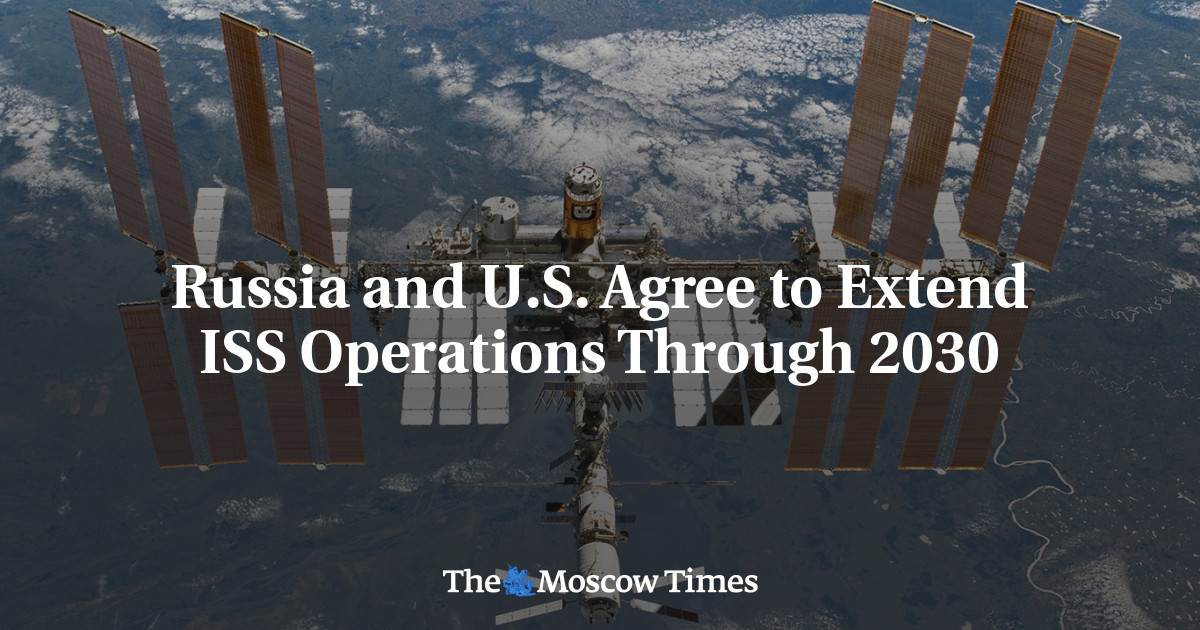
Russia and the United States have agreed to extend joint operations of the International Space Station (ISS) through 2030, Roscosmos chief Dmitry Bakanov announced Tuesday evening.
While NASA had previously assessed that the ISS could safely function through 2030, Bakanov had said as recently as last August that he and U.S. officials had agreed to run the station only until 2028 before beginning de-orbiting procedures.
Established in 1998, the ISS’s original operational lifespan was targeted to end in 2024.
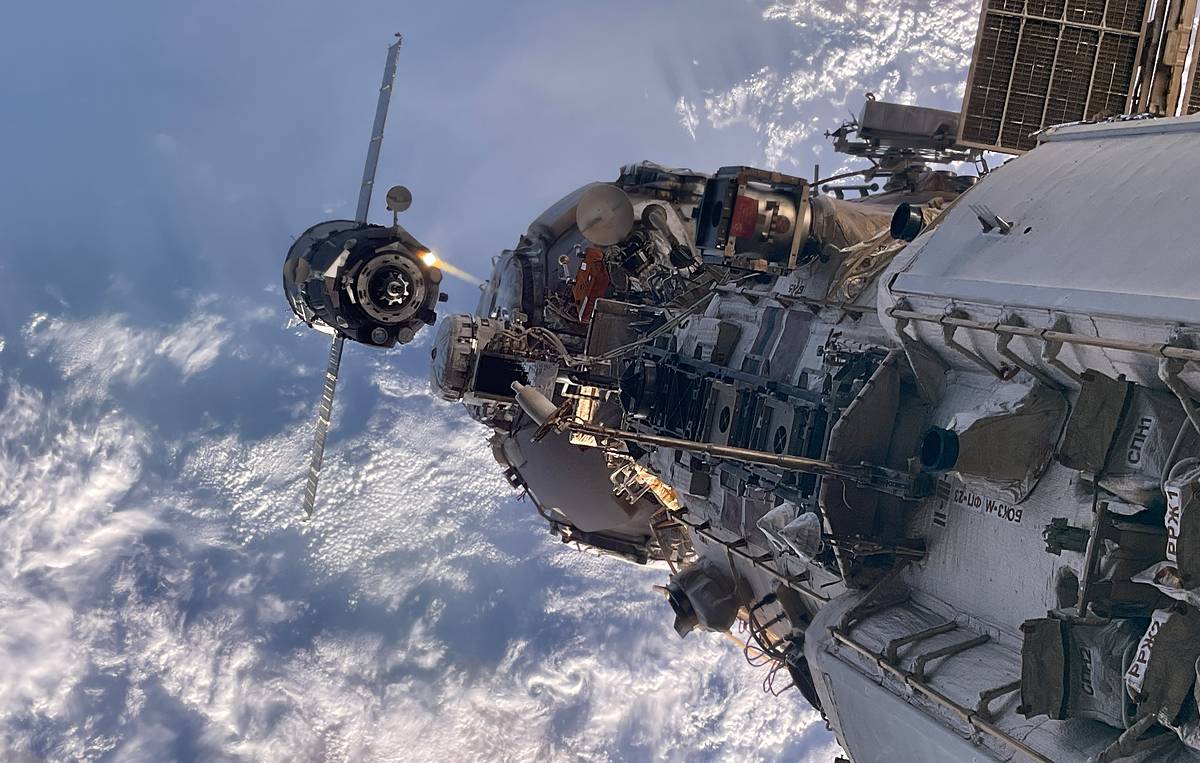
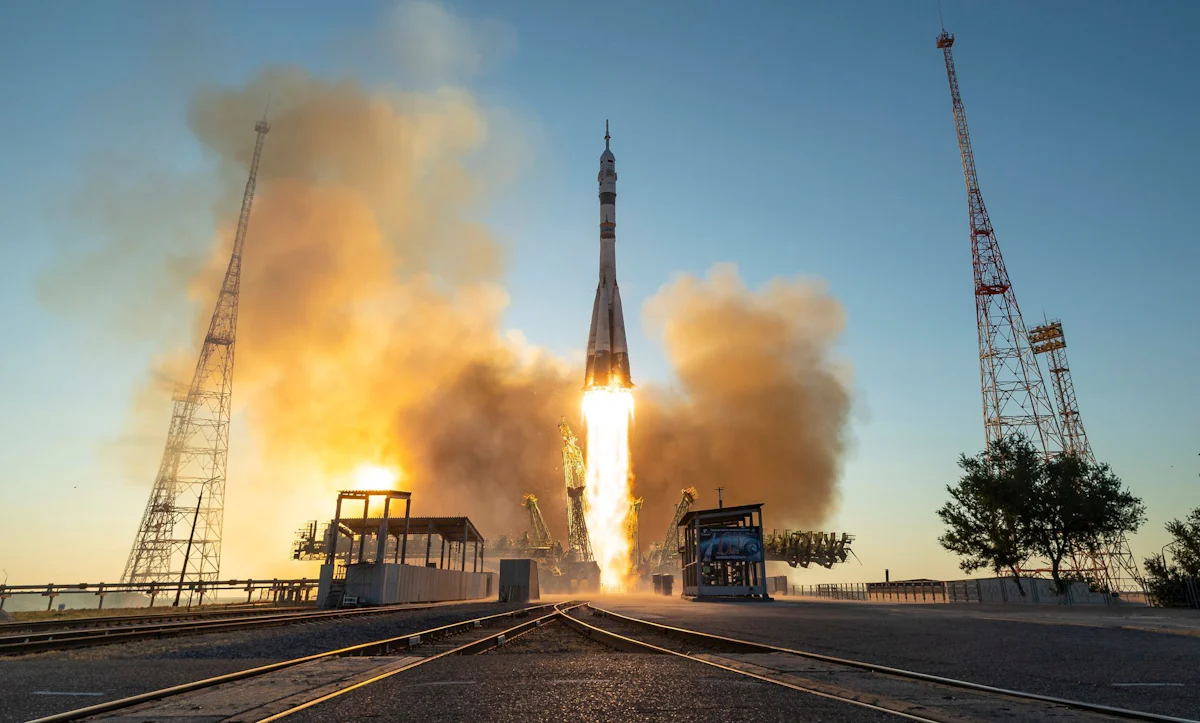
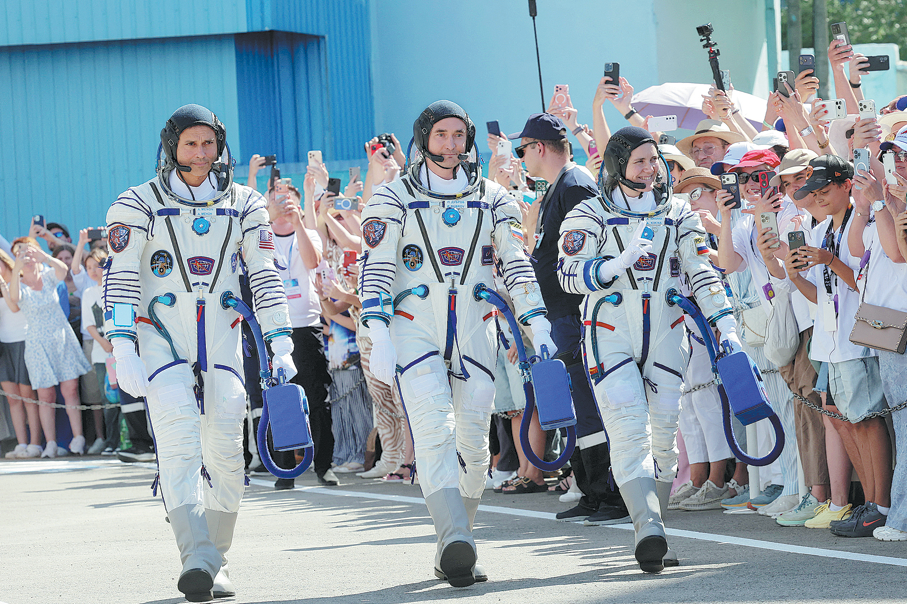
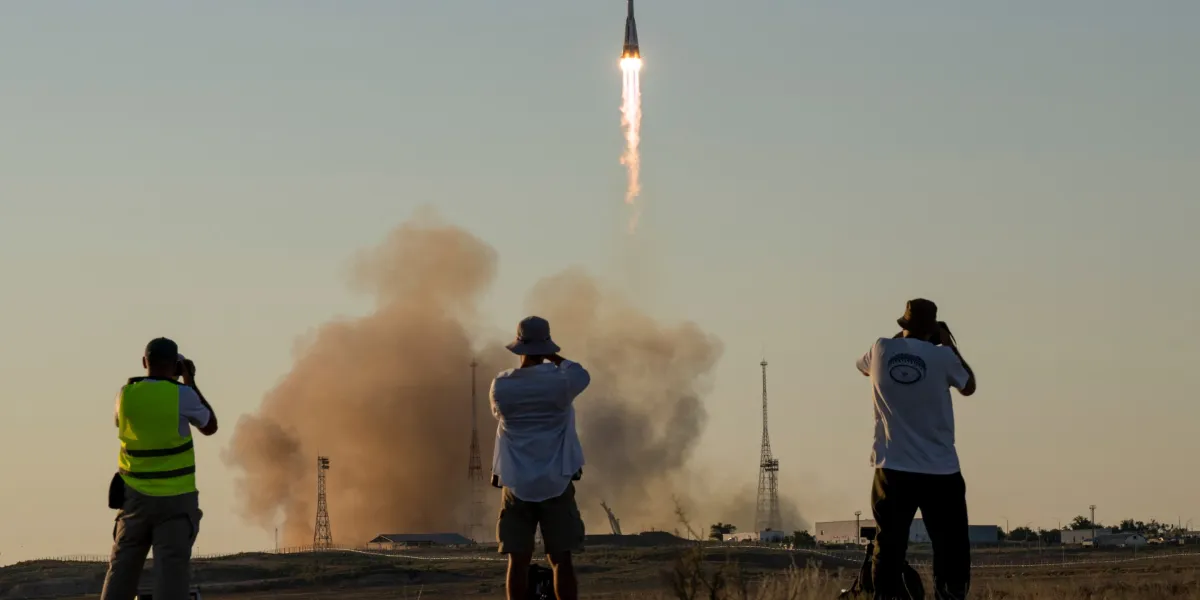
The latest extension came shortly after a Russian Soyuz MS-29 spacecraft successfully docked with the ISS. The spacecraft, which launched from the Baikonur Cosmodrome in Kazakhstan earlier on Tuesday, carried Russian cosmonauts Pyotr Dubrov and Anna Kikina alongside NASA astronaut Anil Menon.
NASA Administrator Jared Isaacman, who traveled to Baikonur to observe the launch, said that the ISS extension talks also touched on developing shared technical standards that both Russia and the United States could eventually apply to their own future space stations.