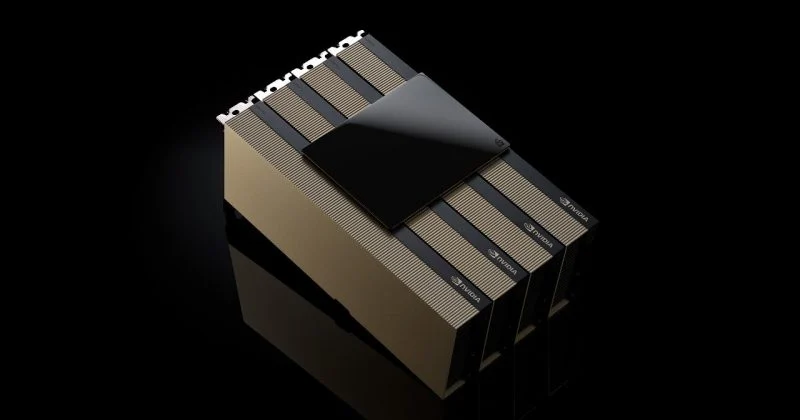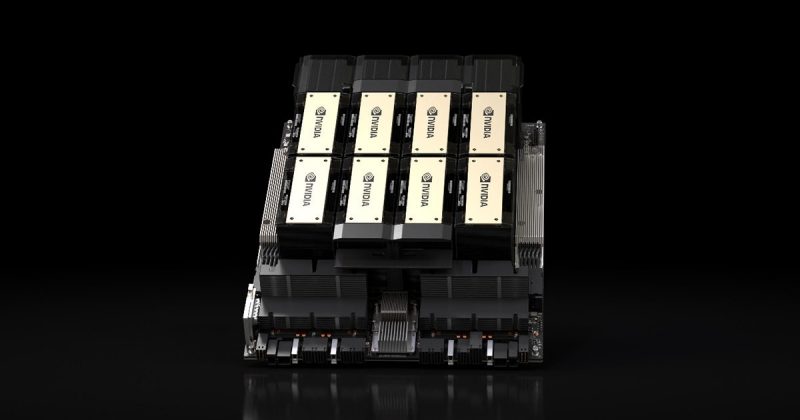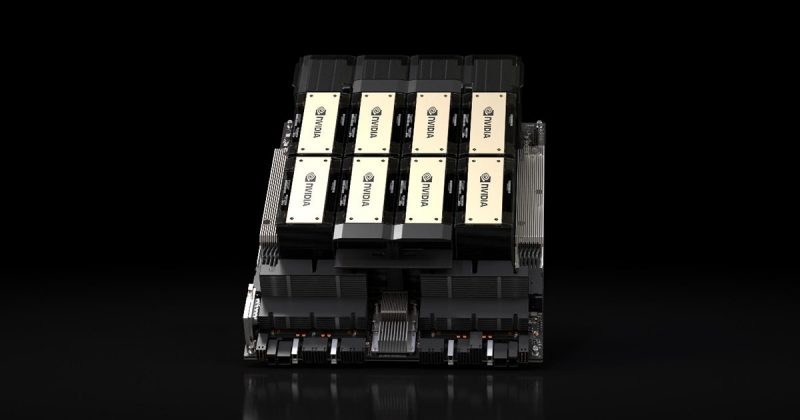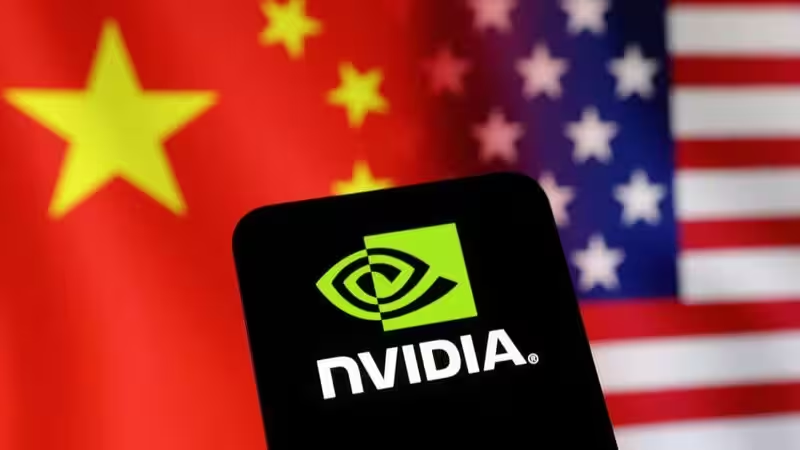
Nvidia has begun sending a small number of its advanced H200 AI chips to China, and this is a pretty notable moment in the ongoing tech standoff between Washington and Beijing. The confirmation came straight from Jeffrey Kessler, the US under secretary of commerce for industry and security, who told lawmakers that only a limited number of H200 processors have actually made it out the door so far.These shipments follow export approvals the US granted to several Chinese companies earlier this year, though deliveries had been sitting on hold until now. What this really amounts to is a carefully measured loosening of export restrictions, one that's still meant to protect US national security while leaving room for select commercial sales to go through.About The AuthorHey there, i am a technology enthusiast with a deep passion for gadgets, consumer electronics, emerging technologies, and the fast-paced world of digital innovation. Constantly exploring the latest tech trends, product launches, and industry developments, I enjoy translating complex technological advancements into engaging and accessible stories for readers. My interests span smartphones, wearables, artificial intelligence, smart devices, and the broader technology ecosystem. As I begin my journey as a Tech Journalist at Gadgets Now, I am excited to contribute to a platform that informs millions of readers, combining my passion for technology with storytelling to deliver insightful, accurate, and timely tech coverage.Naturally, the decision has reignited debate over how to balance economic interests, AI leadership and geopolitical concerns, especially in a tech dispute that pretty much everyone's watching closely at this point.What are Nvidia H200 chips and how are they used?The Nvidia H200 ranks among the company's most powerful AI accelerators, built specifically for training and running large language models, generative AI systems and heavy duty computing workloads. Because of high bandwidth memory, the chip can chew through massive datasets a lot faster, which matters for things like AI chatbots, autonomous systems, scientific research and cloud computing.Tech companies lean on H200 chips to make AI model training more efficient and speed up inference too. Industry experts say these processors are especially valuable for cloud providers, internet companies and research institutions trying to expand what they can actually do with advanced AI.The H200 sits just below Nvidia's newer Blackwell generation, but it's still one of the most capable AI chips available commercially anywhere in the world right now. That strategic value is exactly why officials and analysts say these exports remain locked behind strict US licensing rules.Why is the United States allowing limited H200 shipments now?These latest shipments follow export licenses the US Commerce Department issued to select Chinese companies after months of regulatory review. Officials have been clear that these approvals represent a limited, closely watched easing of the rules, not some broad rollback of export controls across the board.The US is still restricting China's access to the most advanced AI hardware out there, while allowing carefully vetted commercial deals with approved buyers to move forward. This also to try to balance national security concerns with the reality on the ground - and the concern among U.S. Tech firms, genuinely- US chipmakers do indeed require markets to be competitive.More articles by AuthorTrending StoriesHow did H200 chips become a flashpoint in the U.S.-China technology rivalry?These cutting-edge AI chips have emerged as key elements of the overall US-China strategic rivalry due to their capability to drive advanced AI systems for both civilian and military purposes. Since 2022, Washington has imposed successive export controls designed to impede Beijing's access to high-end semiconductors and associated technology.US lawmakers claim that withholding these chips may decelerate China's military modernizations and AI development; China, in contrast, decries such restrictions as an effort to hinder its technology advancement.Nvidia's H200 chips, in the wake of all these developments, have, as it were, become a metaphor for the larger war for leadership in semiconductors, innovation, and national security, and any decision on its licensing will be met with keen interest by government, investors, and the industry.Why were Alibaba and ByteDance cleared to receive H200 chips?Chinese tech giants like Alibaba and ByteDance were among the companies that got US approval earlier this year to buy H200 chips under existing export licensing rules. Reports suggest these approvals only came after case by case reviews conducted by the Bureau of Industry and Security, the body responsible for checking whether proposed exports actually meet US national security requirements.Even though these companies secured permission to buy the processors, actual deliveries got delayed until this recent round of shipments finally started.Officials have been careful to point out that these approvals don't mean exports are suddenly unrestricted, they're still tightly supervised commercial sales, nothing more. A handful of other Chinese firms, including subsidiaries of ZTE and a few other tech companies, have picked up similar approvals under the same licensing framework too.Kessler says exports remain 'very few'Speaking in front of the House Foreign Affairs Committee, Jeffrey Kessler, under secretary of commerce for industry and security, confirmed that shipments have actually begun, but made clear the numbers are still extremely small."There have been minimal exports of any H200s to China so far," Kessler told lawmakers, adding that while shipments have started, the actual number was "very few." He later went even further, calling the volume "trivial," and mentioned that the Commerce Department had already shared confidential details with Congress covering H200 license applications and where each one stands. His comments make one thing pretty clear, Washington is still keeping a close eye on these exports, even after giving the green light to sales with select Chinese companies. FAQsWhat is the Nvidia H200 chip?It is a high-performance AI graphics processor designed for training and running advanced artificial intelligence models and high-performance computing workloads.Has the U.S. lifted all export restrictions on AI chips to China?No. The U.S. continues to enforce export controls, with only selected companies receiving licenses under strict conditions.Which Chinese companies have received approval?Companies reported to have received approvals include Alibaba, ByteDance and several other Chinese technology firms, with additional approvals for entities linked to ZTE and others.Are large-scale shipments already underway?No. U.S. officials say only a very small number of H200 chips have been shipped to China so far.end of article
Nvidia Begins H200 Chip Shipments To China as US Eases Limited AI Exports
Nvidia has commenced the shipment of its cutting-edge H200 AI chips to China, following the approval of select US exports earlier this year. This cautious release reflects the US's attempt to navigate the delicate balance between maintaining national security and fostering economic interests, amidst the backdrop of international competition. Officials indicate that the volume of these chips being exported remains extremely limited.
1,028 words~5 min read