Ihr Browser unterstützt die Wiedergabe von Audio Dateien nicht. Download der Datei als mp3: https://zeitonline.simplecastaudio.com/fe78748f-ac76-483b-acb2-38b356da8ae3/episodes/80a08048-dc99-4a11-9b6a-623b4d040d81/audio/128/default.mp3?awCollectionId=fe78748f-ac76-483b-acb2-38b356da8ae3&awEpisodeId=80a08048-dc99-4a11-9b6a-623b4d040d81
In their target rooms, the Israeli army makes decisions about life and death. Tal Mimran worked there as an advisor – and he has a surprising theory on the case of Mahmud
© [M] Felix Burchardt für DIE ZEIT, verwendete Bilder: Getty Images; privat
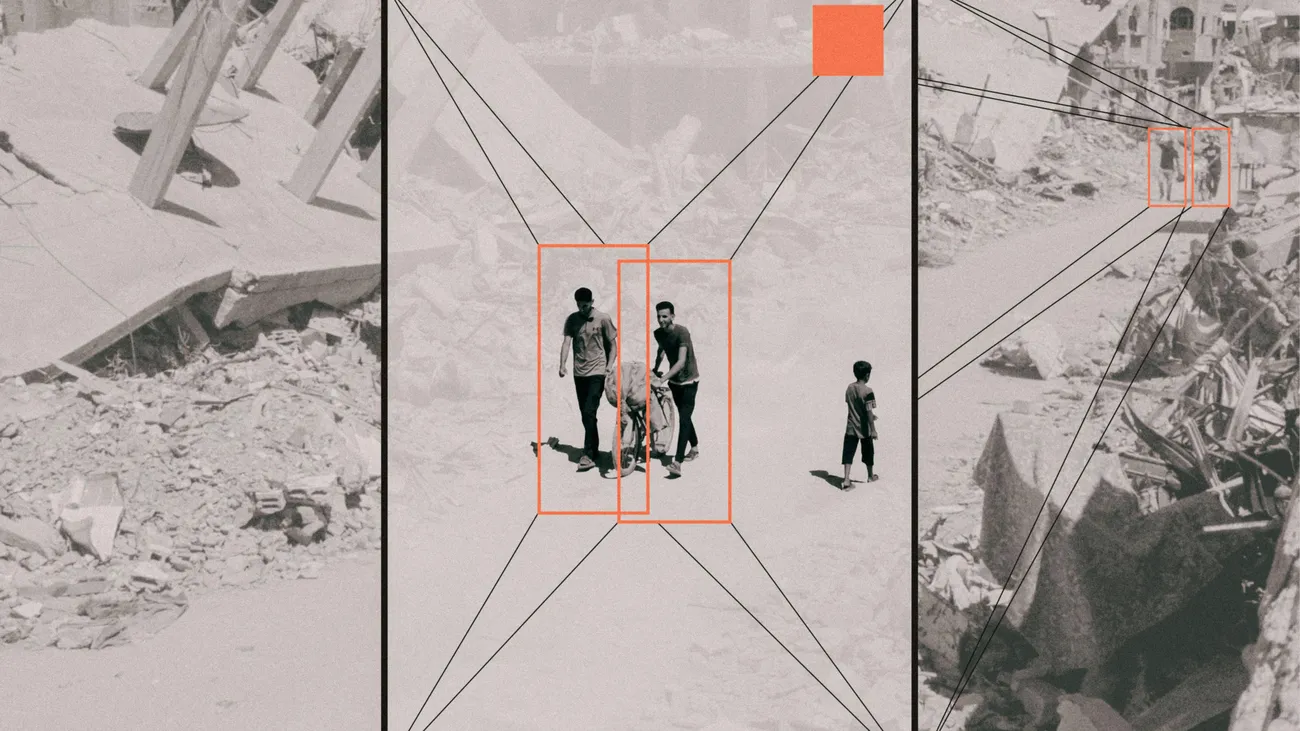
Who decided that Mahmud should die? A surprising piece of evidence from a person on the ground leads us to the IDF’s tearget rooms. In these places, the Israeli army decides which buildings or people that they believe are assets of Hamas will be attacked next. But just how reliable is the intelligence? How much collateral damage is deemed acceptable?
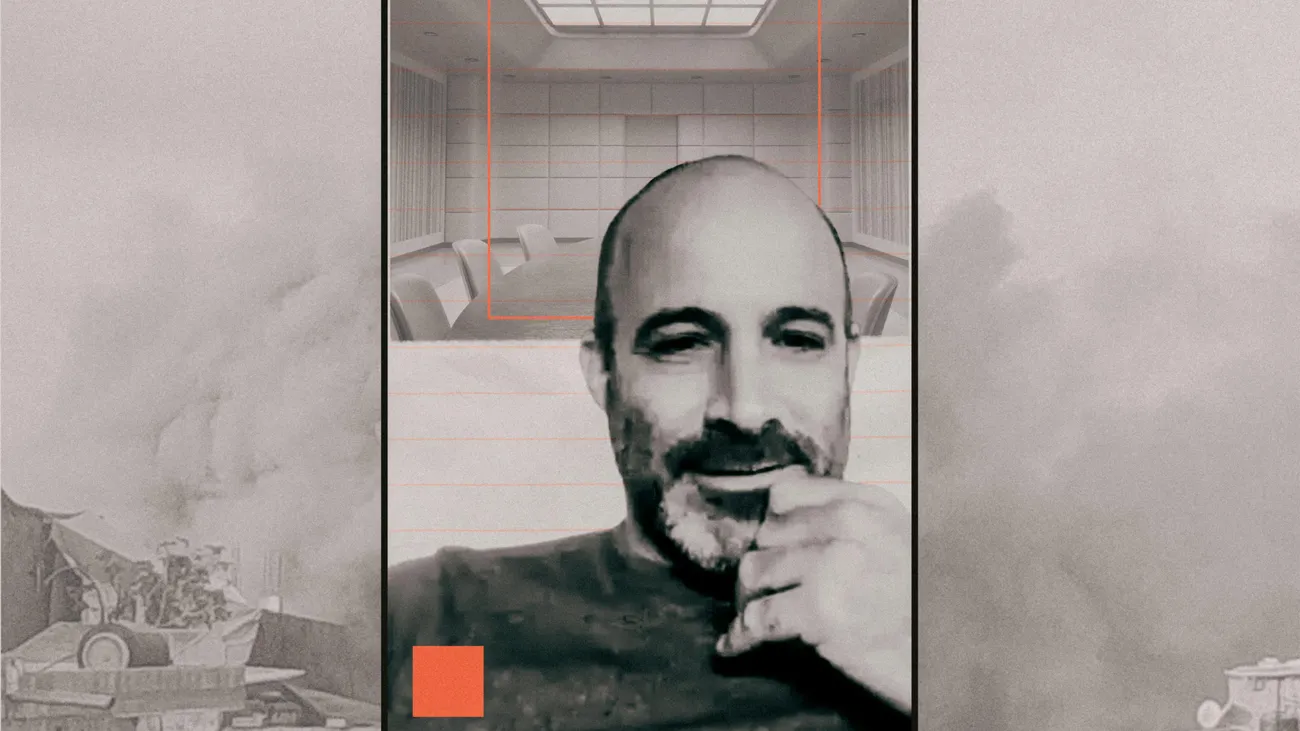
Tal Mimran, who used to work in target rooms as a legal advisor, describes the inner mechanics of these places – and presents us with a new possibility of why Mahmud was killed.