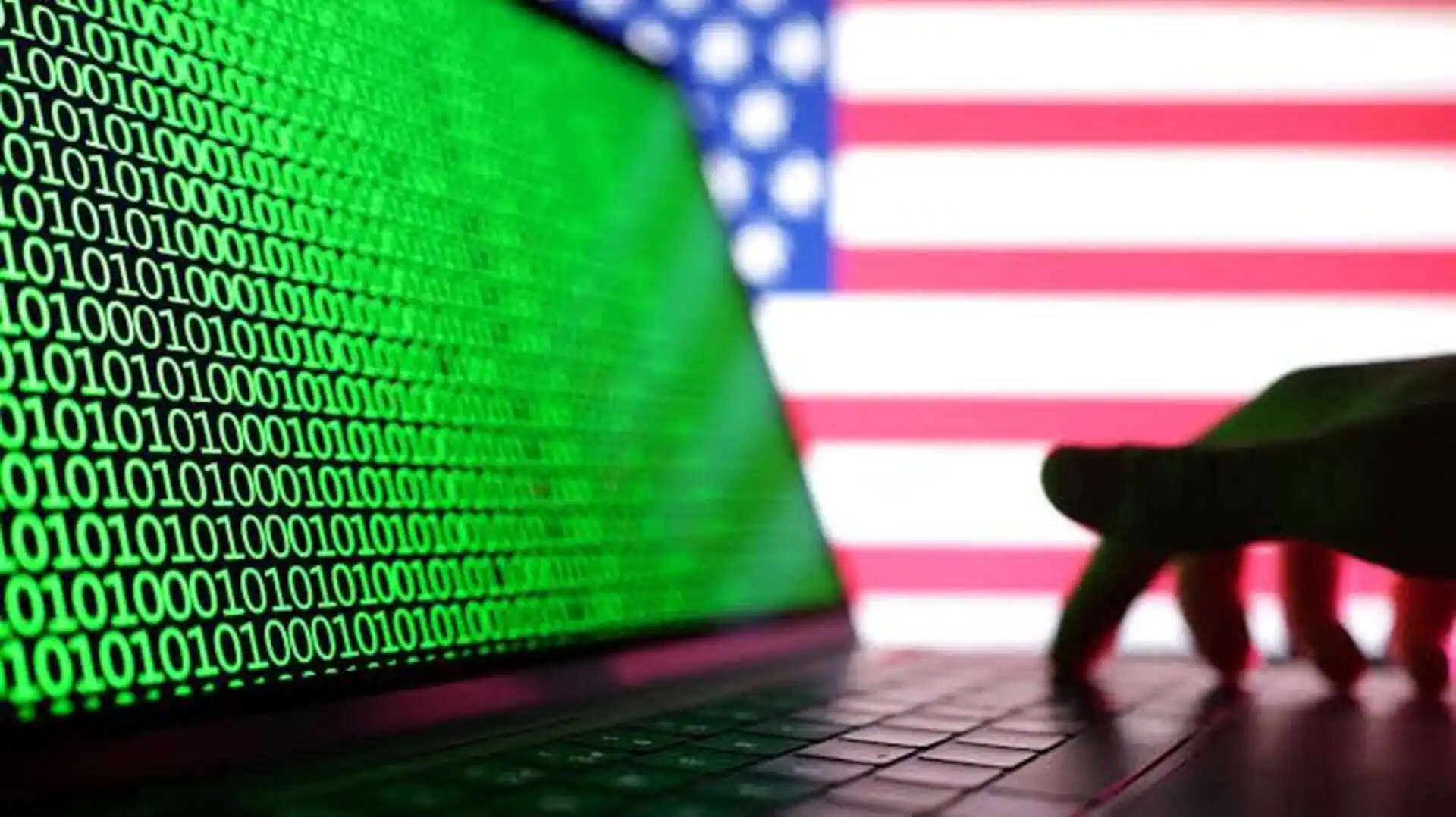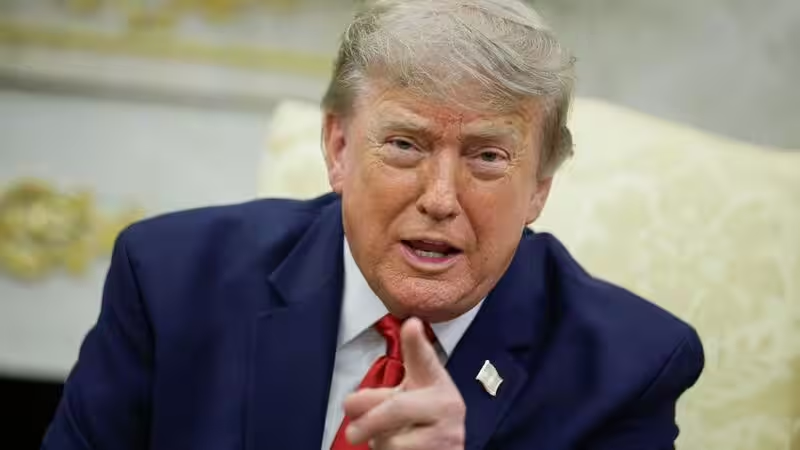
The United States is setting up a new coordination mechanism designed to bring AI developers, software companies and operators of critical infrastructure into one system built around spotting, sharing, and responding to cybersecurity vulnerabilities before bad actors get the chance to exploit them.The White House announced this initiative as a way of putting a June executive order signed by President Donald Trump into actual practice, and it reflects just how actively Washington's been leaning into managing the cybersecurity risks that come with increasingly advanced AI systems.About The AuthorHey there, i am a technology enthusiast with a deep passion for gadgets, consumer electronics, emerging technologies, and the fast-paced world of digital innovation. Constantly exploring the latest tech trends, product launches, and industry developments, I enjoy translating complex technological advancements into engaging and accessible stories for readers. My interests span smartphones, wearables, artificial intelligence, smart devices, and the broader technology ecosystem. As I begin my journey as a Tech Journalist at Gadgets Now, I am excited to contribute to a platform that informs millions of readers, combining my passion for technology with storytelling to deliver insightful, accurate, and timely tech coverage.Officials say frontier AI models can now find software flaws at a speed and scale nobody's really seen before, and that cuts both ways, it's a genuine opportunity to strengthen cyber defense, but it's also a real risk if that same capability ends up in the wrong hands. The whole point of this coordination effort is improving how information gets shared, speeding up software patching, and tightening protection across sectors that really can't afford downtime, finance, healthcare, energy and utilities among them.Gold Eagle initiativeThe centerpiece of this whole effort is something called Gold Eagle, essentially an AI cybersecurity clearinghouse built to let government agencies, AI developers, software companies and critical infrastructure operators actually coordinate on vulnerability reporting and fixes instead of working in silos.According to the White House, this platform came together under President Trump's June executive order, and the goal is cutting down on duplicated cyber scanning work while making sure newly discovered software flaws reach the organizations affected as quickly as possible.A pretty wide range of agencies are involved here too, the Treasury Department, Department of Homeland Security, Department of Defense, the National Cyber Director's Office and the National Security Agency are all part of it, alongside private sector companies and open source AI developers who've signed on to participate.Using AI to strengthen cyber resilienceThe main goal here is putting advanced AI capabilities to work defensively, letting organizations quickly spot, prioritize and fix software vulnerabilities before they turn into full blown security incidents. White House officials say frontier AI systems can scan through massive software environments and find weaknesses far more efficiently than the older, more conventional methods ever could.By building out this structured coordination process, authorities are hoping AI developers and infrastructure operators actually start sharing information quickly, cut down on duplicated investigations, and put their energy toward fixing whatever vulnerabilities matter most.More articles by AuthorTrending StoriesOfficials also frame this as part of a bigger strategy, one that lets AI innovation keep expanding responsibly while national cybersecurity capabilities get stronger right alongside it.Why the US is reinforcing cybersecurity across critical infrastructureUS officials argue that critical infrastructure, financial institutions, hospitals, utilities, emergency services and energy networks included, has become deeply reliant on complicated software systems that make for pretty attractive targets, both for cybercriminals and hostile states. As AI systems get better and better at sniffing out vulnerabilities, authorities believe cyber defense simply has to keep pace, there's no other option.The White House says that faster coordination between tech companies and infrastructure providers should help shrink the gap between when a vulnerability actually gets discovered and when it finally gets fixed.Officials see stronger protection for essential digital infrastructure as something genuinely necessary here, tied directly to economic stability, national security, and just keeping services running that millions of Americans depend on every day without interruption.Impact on technology companies and infrastructure operatorsThis initiative should push a lot more collaboration between AI companies, software vendors and the people actually operating critical infrastructure. Organizations taking part will be able to share info about newly found vulnerabilities through one shared coordination platform, which should speed up both verification and rolling out security patches.According to the White House, developers behind both proprietary and open source AI models are expected to take part in this programme.It's also likely to push companies toward folding AI assisted vulnerability detection directly into their cybersecurity operations, while working more closely with federal agencies along the way. Analysts think this kind of coordination could cut down on duplicated work and generally sharpen cyber preparedness across a bunch of different industries at once.Powerful AI could also benefit cyber attackersEven with all its defensive goals in mind, this initiative also points to a growing problem nobody can really ignore. US officials have been pretty upfront in warning that the very same frontier AI systems built to find software vulnerabilities could just as easily get misused by people with bad intentions.If advanced AI tools end up widely accessible, criminals or hostile groups could start exploiting weaknesses in the software running financial institutions, hospitals, energy networks and other critical services, potentially before anyone even has time to patch things up. This ongoing race between defenders and attackers is really at the heart of why this whole coordination mechanism exists in the first place.Officials seem convinced that fast information sharing and quicker patch management aren't just nice to have anymore, they're essential if anyone wants to stay ahead of AI enabled cyber threats as they keep evolving. FAQsWhat is Gold Eagle?Gold Eagle is a White House-backed AI cybersecurity clearinghouse that enables government agencies, AI developers and critical infrastructure operators to coordinate the discovery and remediation of software vulnerabilities.Why is the US launching this initiative?The programme aims to improve national cybersecurity by using advanced AI tools to identify vulnerabilities quickly while coordinating faster responses among government and industry.Which sectors are expected to benefit?Critical infrastructure sectors such as banking, healthcare, energy, utilities and emergency services are expected to benefit from faster vulnerability detection and patching.Which organisations are involved?The initiative involves multiple federal agencies, AI developers, software companies and operators of critical infrastructure, including participants from the open-source AI community.What is the biggest risk associated with advanced AI in cybersecurity?Officials say powerful AI can help defenders identify vulnerabilities, but the same capabilities could also be exploited by bad actors to discover and attack unpatched software systems supporting critical infrastructure.end of article
US To Launch AI Cybersecurity Coordination Groups To Protect Critical Infrastructure, Strengthen Vulnerability Response
The United States is creating a new system to coordinate AI developers and critical infrastructure operators. This initiative aims to share information and respond to cybersecurity vulnerabilities faster. The Gold Eagle platform will serve as a central hub for reporting and fixing software flaws. This effort seeks to strengthen national cybersecurity defenses against evolving AI threats. Collaboration between tech companies and infrastructure providers is expected to improve protection.
1,082 words~5 min read