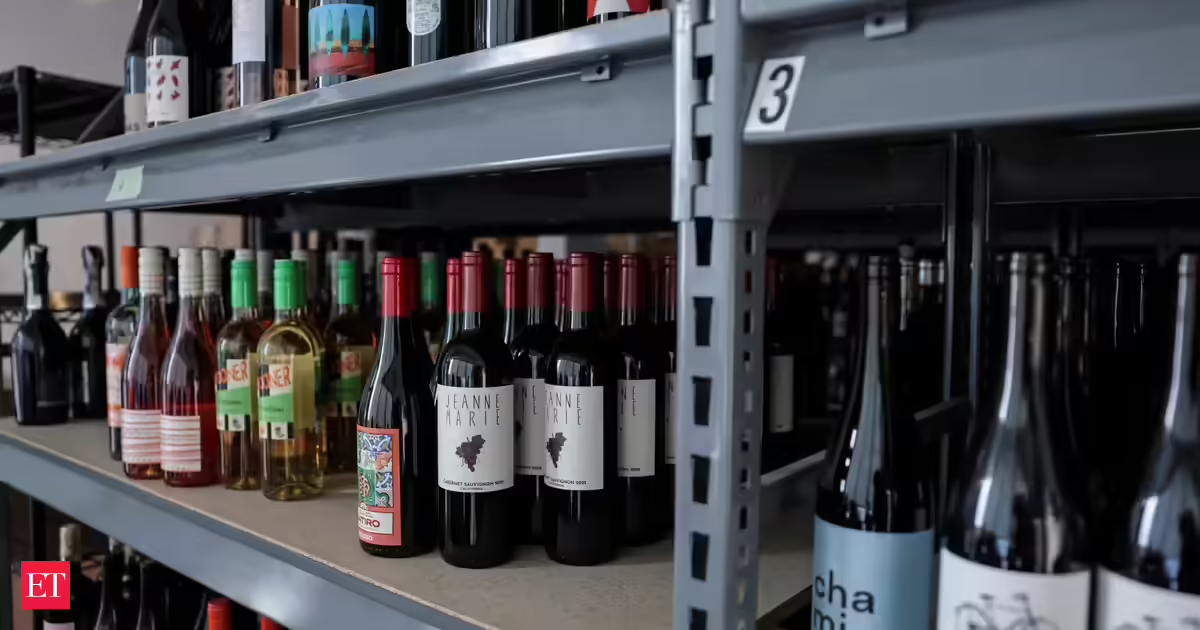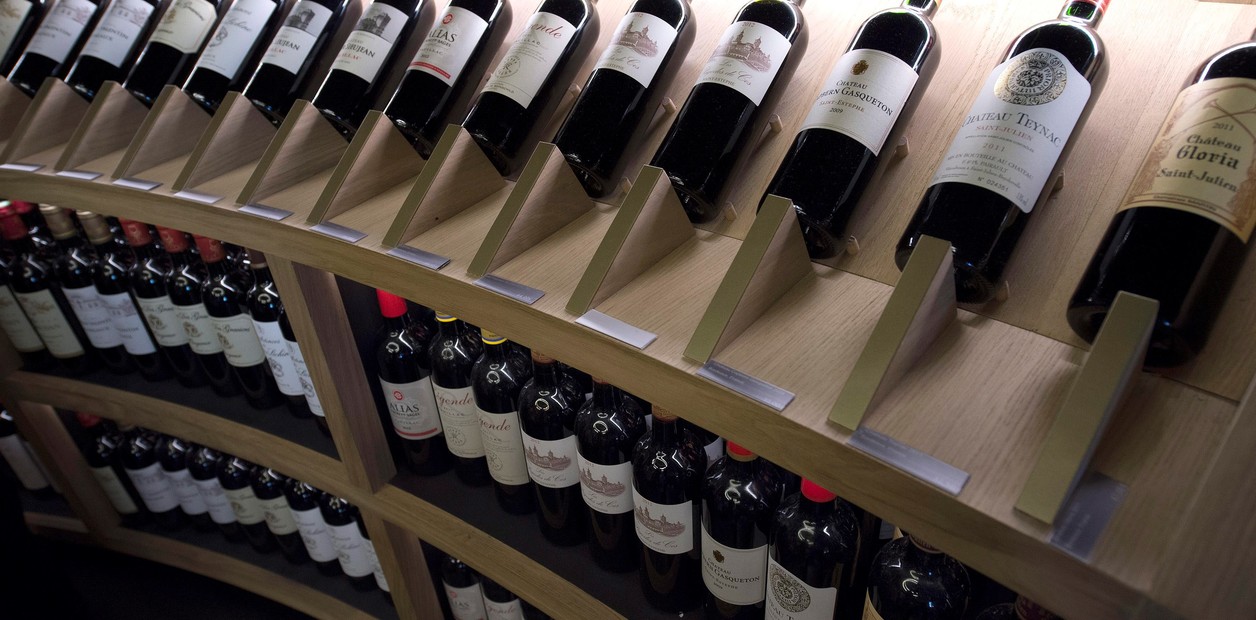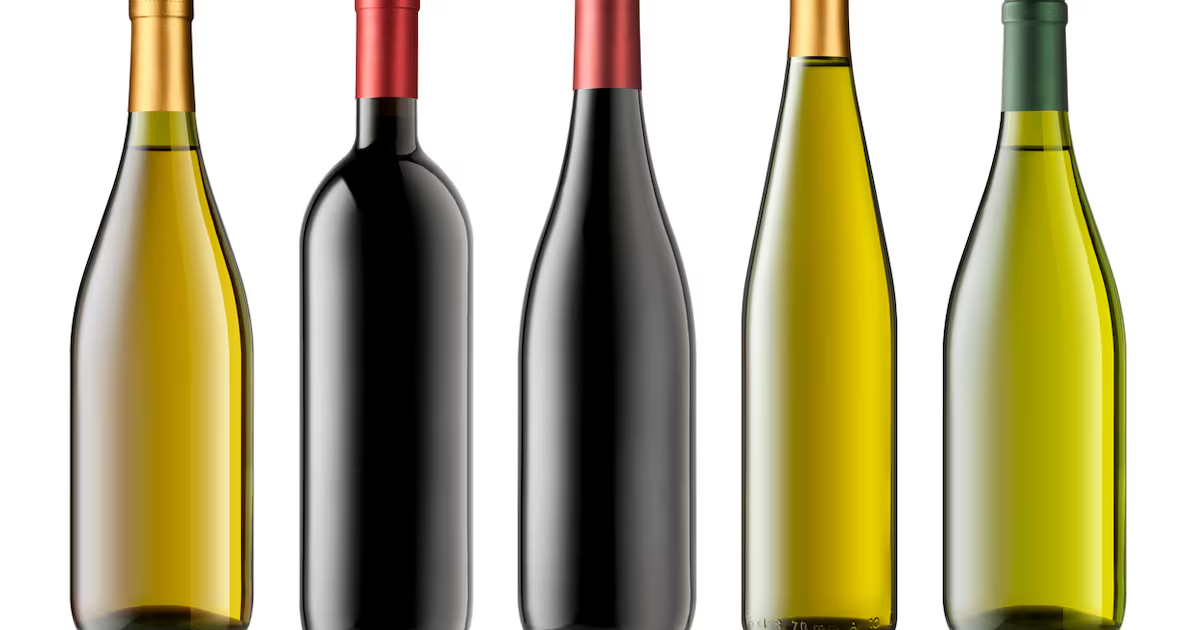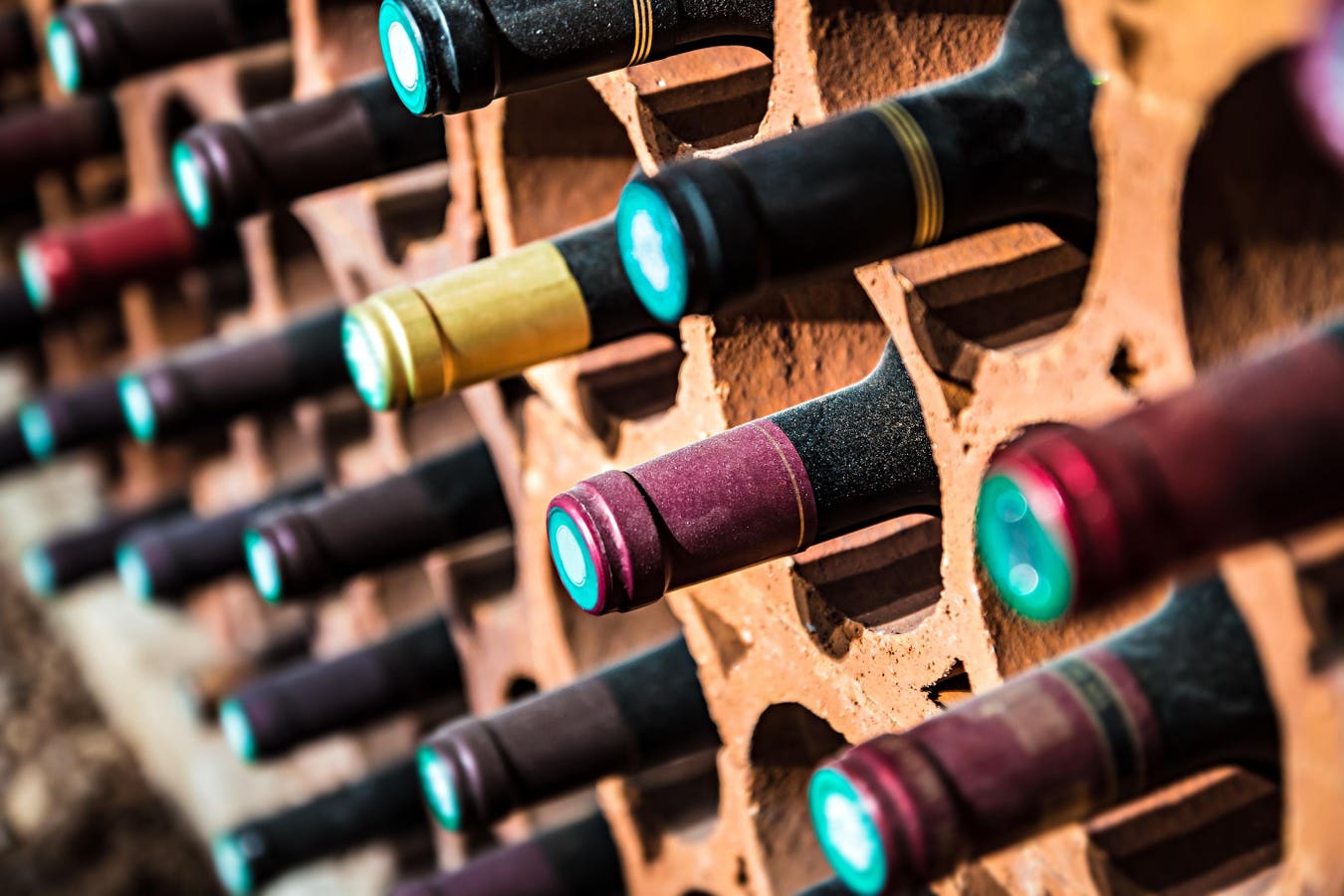
When it comes to wine, two common things you can notice anywhere in the world are that most standard wine bottles contain exactly 750 milliliters of wine and that the bottles are always dark in colour. But have you ever thought why? Well, according to experts the answer is a combination of history, trade practices, human habits, and practical considerations. Scroll down to find out.Where did the standard come fromWhile no documentation exists to date, one popular idea is that early glassblowers could only blow about 750ml of air in a single breath, and since the bottles were shaped by hand, the size was basically determined by their lung capacity. Another school of thought is that 750ml matches what a person might drink with a meal, which is around six glasses.Role of International wine tradeAnother common belief roots back to historical trade between France and Britain. For centuries, Bordeaux winemakers exported large quantities of wine to England and the French traditionally measured wine in liters, while the British used imperial measurements. A 750 ml bottle was close to a familiar British measurement and made calculation easier for when wine was shipped and sold.How bottle size affects wine agingThe 750 ml bottle is often linked to wine preservation and aging. Traditionally, wine bottles were sealed with corks, and the amount of oxygen trapped inside the bottle could influence how wine matured. It is believed that a 750 ml bottle offered a good balance between the volume of wine and the small amount of air space beneath the cork. However, smaller bottles tend to age faster because of the relatively higher oxygen-to-wine ratio, so they are good for drinking sooner. The most important factors of wine aging are still the storage conditions: temperature, humidity, and light exposure. But bottle size can have a perceptible impact on the rate and nature of a wine's evolution.Why wineries prefer 750 ml bottleAccording to experts, packing and transportation have played a significant role in keeping the 750 ml bottle popular. It is reported that the 750 ml bottle size was large enough to be economically efficient while remaining easy for individuals and businesses to handle. As wine producers and merchants around the world adopted it, the 750 ml bottle became increasingly established as the industry standard. According to experts, the standardization of the 750 ml bottle has helped the market players to create consistency in the global wine industry, allowing producers and consumers to easily compare wines from different regions. The experts also believe that the standardization of bottles offer practical benefits and has become a symbol of wine culture and tradition. It is considered as a symbol of craftsmanship, heritage and the timeless experience of enjoying wine around the world.At the end of the day, the 750 ml wine bottle is so much more than a vessel. It is a reflection of centuries of history in winemaking, the development of craft, global trade, and consumer behavior. What started out as a convenient solution has become a permanent global standard, so that whether it’s a Bordeaux from France, a Napa Valley Cabernet from California or a Shiraz from Australia, the bottle you’re holding is likely to contain the same familiar 750 millilitres.What about other bottle sizesAccording to experts, there are many more bottle sizes apart from 750 ml. A half bottle contains 375 ml and is often used for dessert wines or smaller servings. A magnum holds 1.5 liters, equal to two standard bottles. Interestingly, tradition also exists for larger and smaller bottle sizes. A half bottle is usually 375ml and is often used for dessert wines or single servings. The magnum is 1.5 liters, or two standard bottles, and is often associated with celebrations and premium wines as larger formats often age differently.Why are most wine bottles dark or green?This also has a history attached to it. Back in the 18th century, when glass bottles became more common for wine storage, the bottles frequently came out green. While some people might think it was a marketing decision, the fact is, glassmakers couldn’t fully remove iron from the raw materials, and the glass ended up with a green tint whether they liked it or not. The bottles are still packed in dark glass because wine doesn’t get along with light. According to experts, light speeds up oxidation and makes wine age faster. Dark glass reduces how much light passes through, helping preserve the quality. Experiments have found that dark bottles let through only 8%–37% of light, while clear bottles allow more than 90%. Also, for the unversed, green bottles are commonly used for red wines and many white wines, while brown bottles provide even greater protection for delicate wines. Besides preserving the wine, dark and green bottles have become a traditional and attractive part of wine packaging, giving bottles a classic and elegant appearance.
Why do most wine bottles hold exactly 750 ml?
When it comes to wine, two common things you can notice anywhere in the world are that most standard wine bottles contain exactly 750 milliliters of wine and that the bottles are always dark in colour. But have you ever thought why?
808 words~4 min read