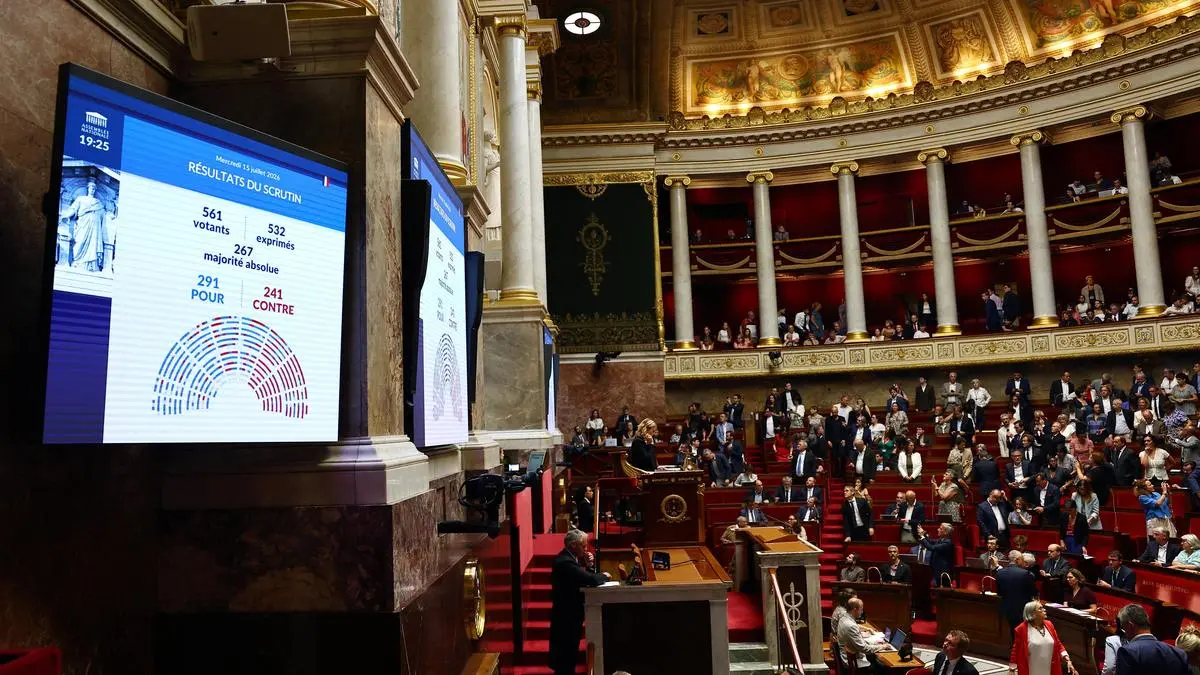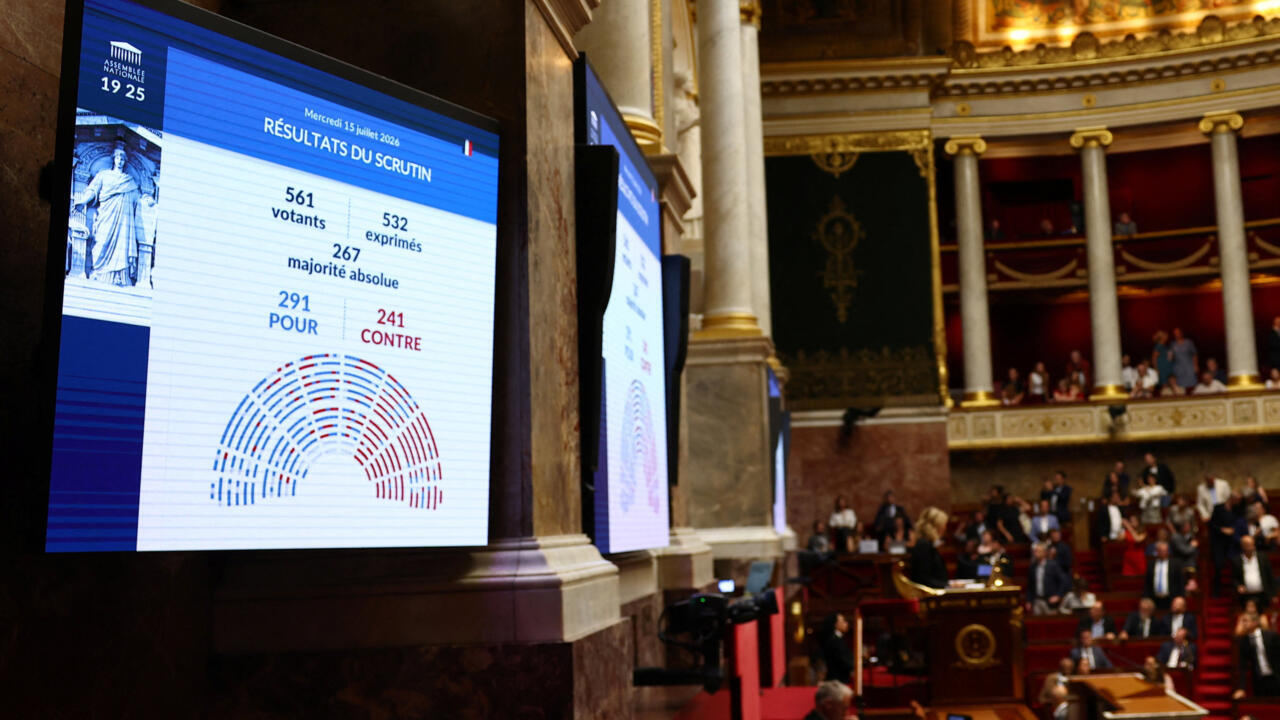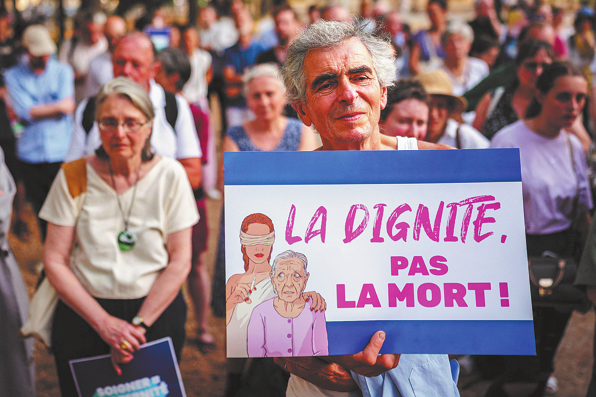
France's lower house National Assembly gave final approval to a bill on Wednesday allowing adults with incurable illnesses to receive lethal medication, the culmination of years of debate over end-of-life care. The legislation will, under strict conditions, allow a person to request a lethal substance. The substance could be self-administered or, if the person is physically unable to do so, administered by a doctor or nurse. The National Assembly approved the measure in a 291-241 vote after backing it in three previous readings. The law also passed the National Assembly in a vote last year but was rejected by the Senate, with the government eventually permitting the lower house to have the final say without the Senate's assent, as allowed by the constitution. French President Emmanuel Macron had promised an assisted dying law when he was re-elected for a second term in 2022, and its adoption in one of the most important social reforms since France allowed same-sex marriage in 2013. Following the vote, he hailed lawmakers' "respectful debate" on the issue. The path to the final vote was "a marathon with hurdles", the bill's author, former lawmaker-turned-mayor Olivier Falorni, told AFP. But the adoption does not mark the end of its legislative and judicial path, with French Prime Minister Sébastien Lecornu set to ask France's Constitutional Council, the highest constitutional authority, to examine the legislation. Lecornu's office said that the Constitutional Council had been called in after the lack of debate in the right-wing-dominated Senate meant the text fell short of a draft "meeting both the aspirations of its proponents and the concerns of those worried about its implementation". Read moreFrance's assisted dying bill: What's in it?
France’s lower house of parliament adopts final text of landmark right-to-die law
France's National Assembly on Wednesday adopted a bill that will create a legal right to assisted dying for adults with incurable illnesses, capping years of intense ethical and political debate. French…
755 words~3 min read