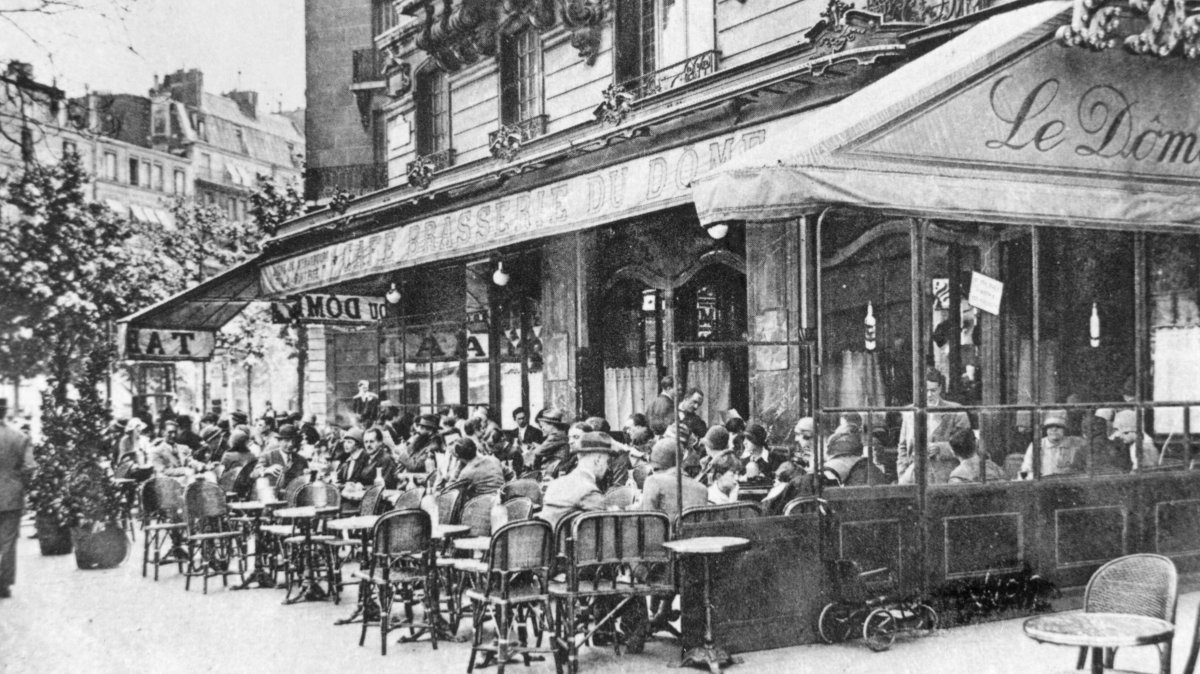
Every generation of artists inherits not only an artistic tradition but also a geography of aspiration. Certain cities cease to function merely as places on a map and instead become cultural metaphors, embodying the ideals, anxieties and ambitions of an entire era. For almost a century, Paris occupied precisely such a position in the imagination of Turkish painters. It represented far more than an educational destination or an artistic pilgrimage. It symbolized entry into the modern world itself. To leave Istanbul for Paris was to believe that painting could be transformed by crossing borders, that artistic legitimacy lay somewhere beyond the familiar landscape of home.
Nedim Gürsel’s "Turkish Painters of Paris" ("Paris'in Türk Ressamları") revisits this enduring relationship with remarkable elegance. Yet to describe the book as a survey of six painters would be to misunderstand both its intention and its achievement. Gürsel is not writing a conventional history of Turkish art, nor does he seek to catalogue the careers of artists who happened to live in France. Rather, he explores a far more intriguing question: why did Paris become indispensable to the making of modern Turkish painting, and what did that encounter ultimately produce? The answer, as the book repeatedly suggests, cannot be reduced to artistic influence alone.