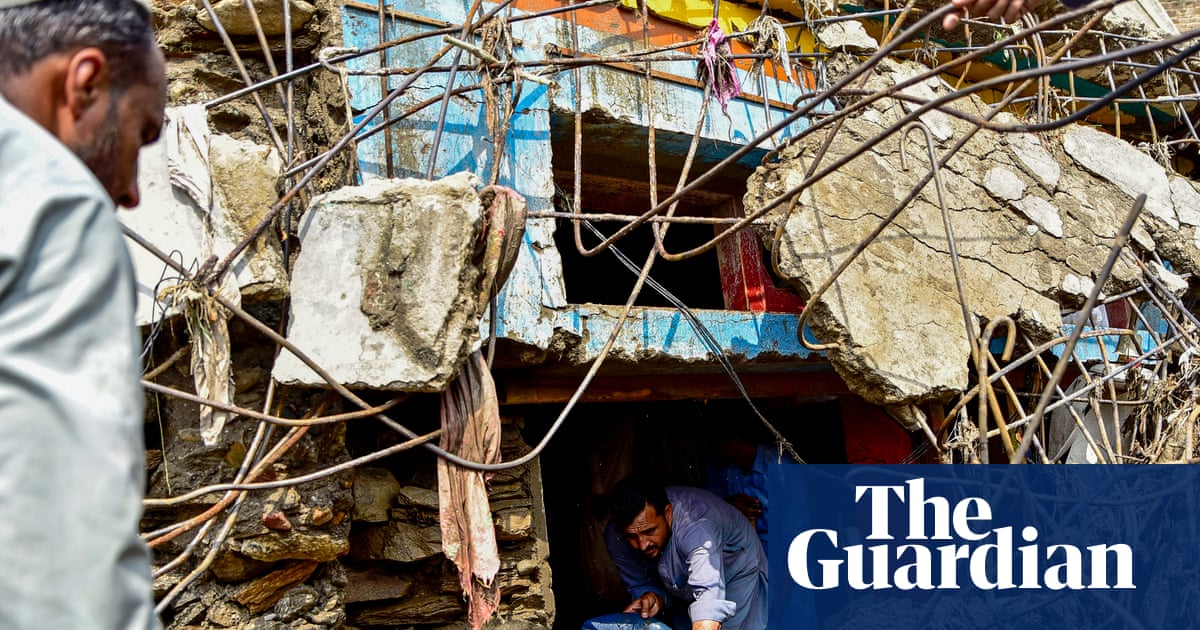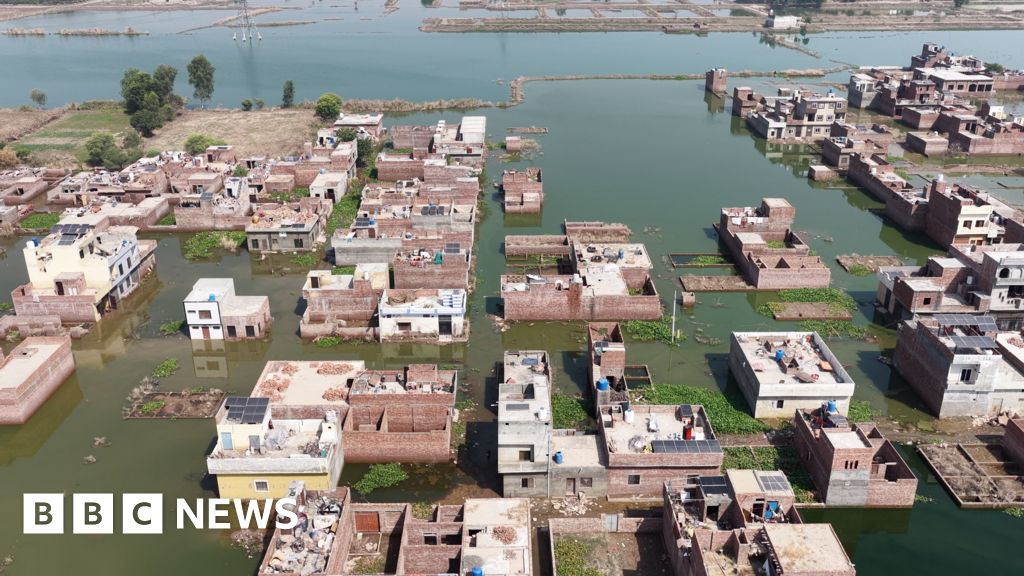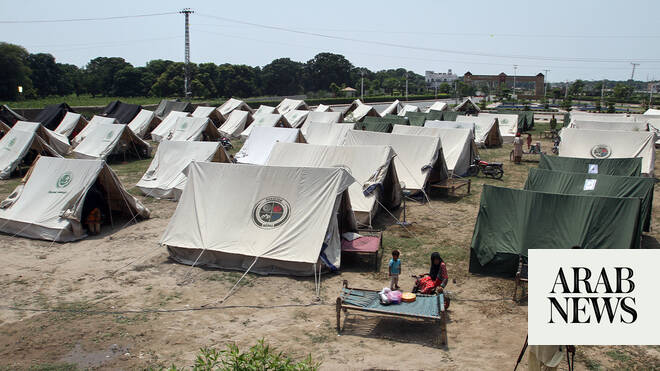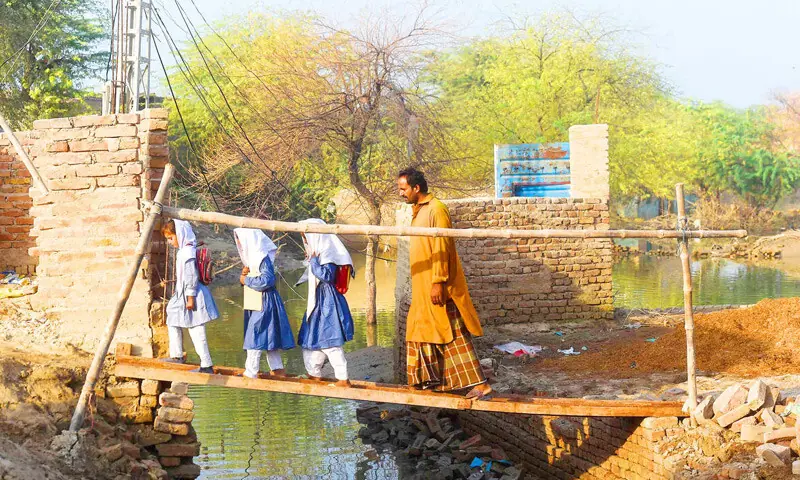
Four years after Pakistan was wrecked by catastrophic, record-breaking floods, some of the girls’ schools that were destroyed by the flooding have been ‘rebuilt’ on paper.
Khanzadi Kapri has lived through this three times.
In 2011, when the floods came to her village in Mirpurkhas, the schools went underwater. Her education was disrupted, saved only because her father, a teacher, turned their home into a classroom. Her siblings studied at the kitchen table while the rest of the village waited for the water to subside.
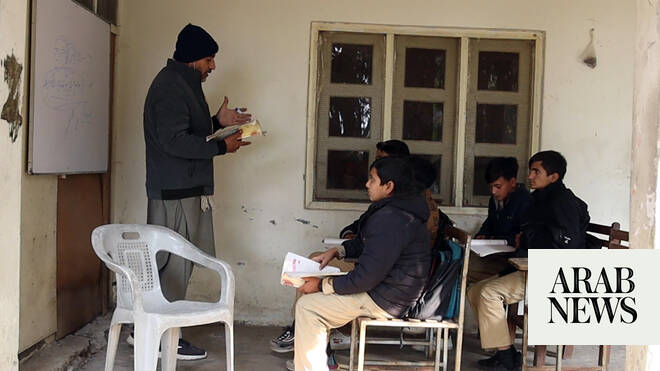
In 2022, the floods came back. Then again, in 2024. Each time, Kapri watched the same thing happen. Girls would return to school when the waters receded. They would sit in classrooms with no roofs, with broken furniture, with teachers who showed up on some days and not on others.
“There were hundreds, perhaps thousands of girls who completed grade five but never enrolled in grade six,” Kapri recounts. “Climate-related disasters do not just interrupt education temporarily. For many girls, they permanently change the course of their lives.” Kapri has witnessed this herself and has been trying to do something about it. She is now the founder of Aurat Sujag, a grassroots feminist initiative working on gender equality and climate justice in rural Sindh.