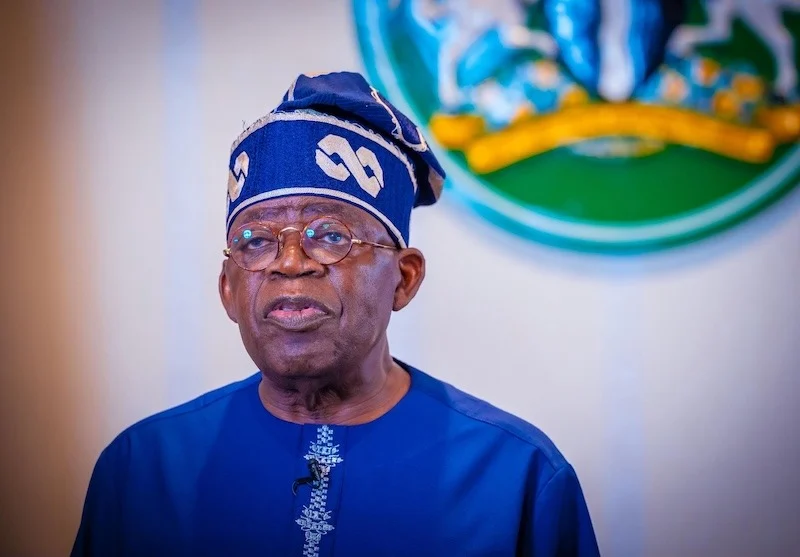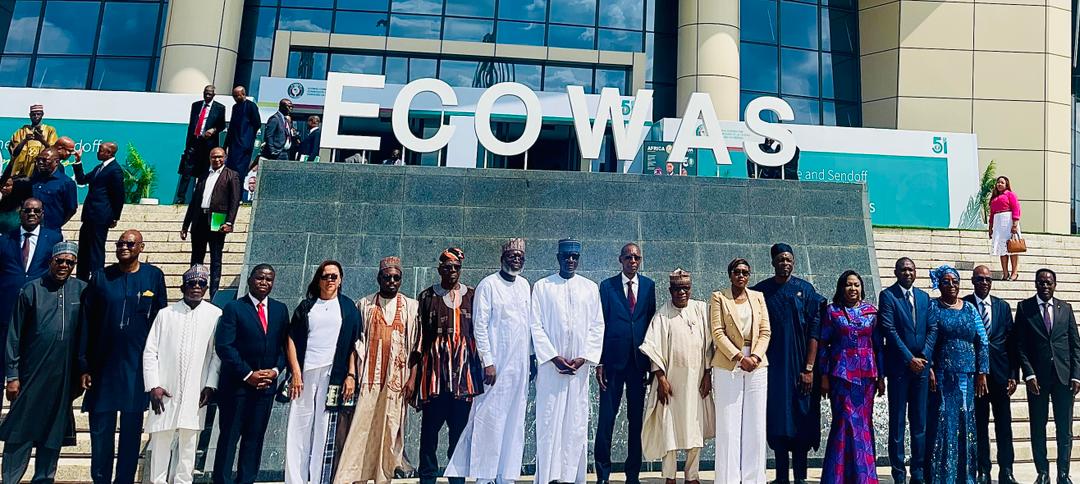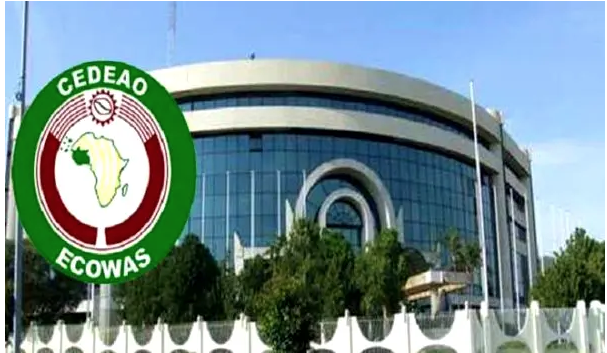
President Bola Tinubu’s ribbon-cutting for a gleaming new ECOWAS headquarters in Abuja offered a flattering image of ambition — but brick and glass do not heal the fractures that threaten the community’s very purpose. Fifty-one years after its founding in 1975 in Lagos to promote economic integration, collective security, free movement and democratic stability across West Africa, ECOWAS today is severely diminished by the absence of trust and political will.
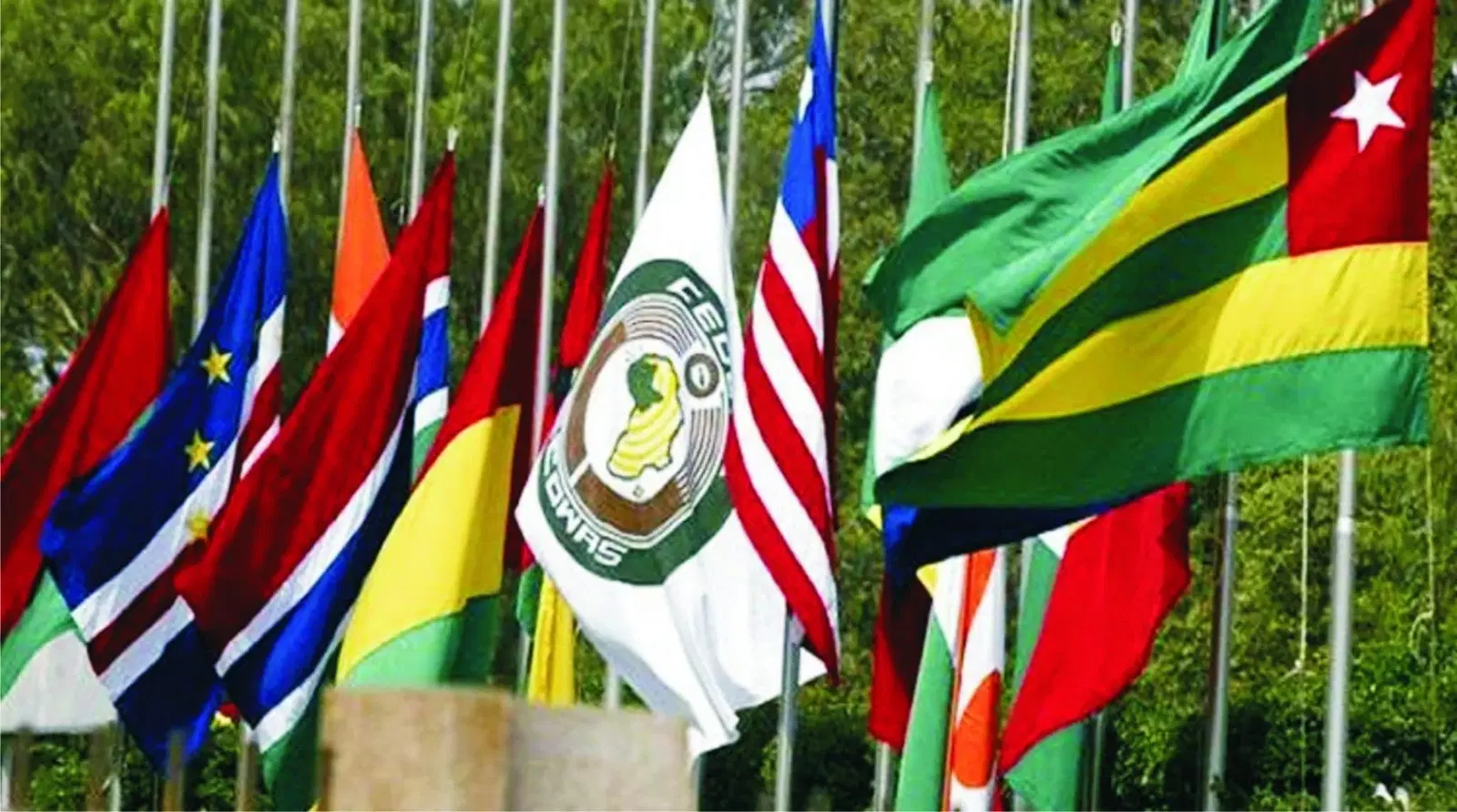
That trust was rent asunder when, under President Bola Tinubu’s tenure as Council Chairman, Mali, Burkina Faso and Niger abandoned the bloc to form the Alliance of Sahel States (AES), a rupture precipitated largely by the ill-advised posture that led Nigeria, at Western prompting, to contemplate military intervention in Niger. The split severely set ECOWAS back from its founding objectives.
The blueprint of 1975 and subsequent charters reiterated the removal of barriers to trade and movement, harmonised policies for economic development, collective response to threats to constitutional order and institutions that adjudicate disputes and uphold rights. Instead of advancing those goals, recent years have seen fragmentation of membership, weakening enforcement of common decisions, and mounting scepticism among citizens about whether ECOWAS serves their interests or foreign agendas.