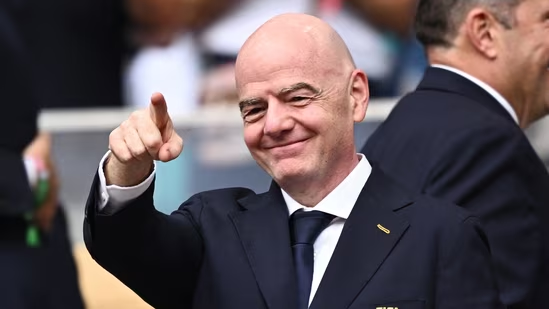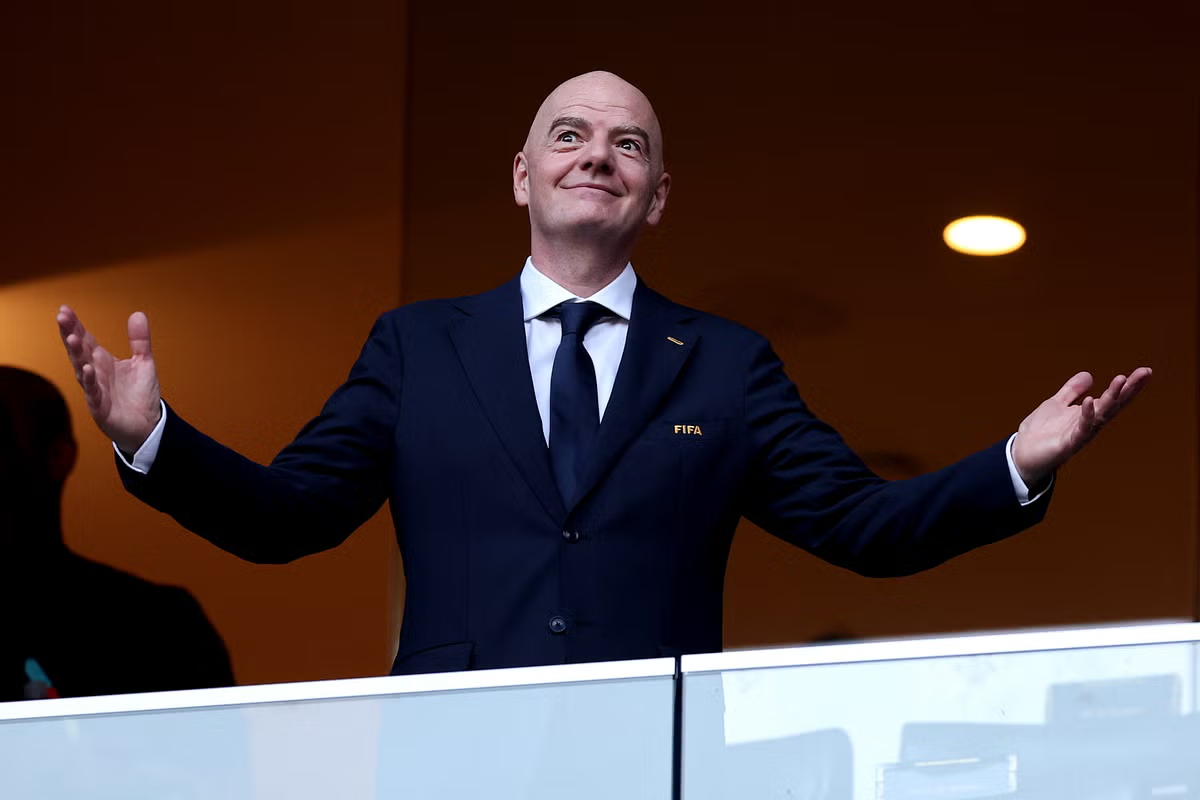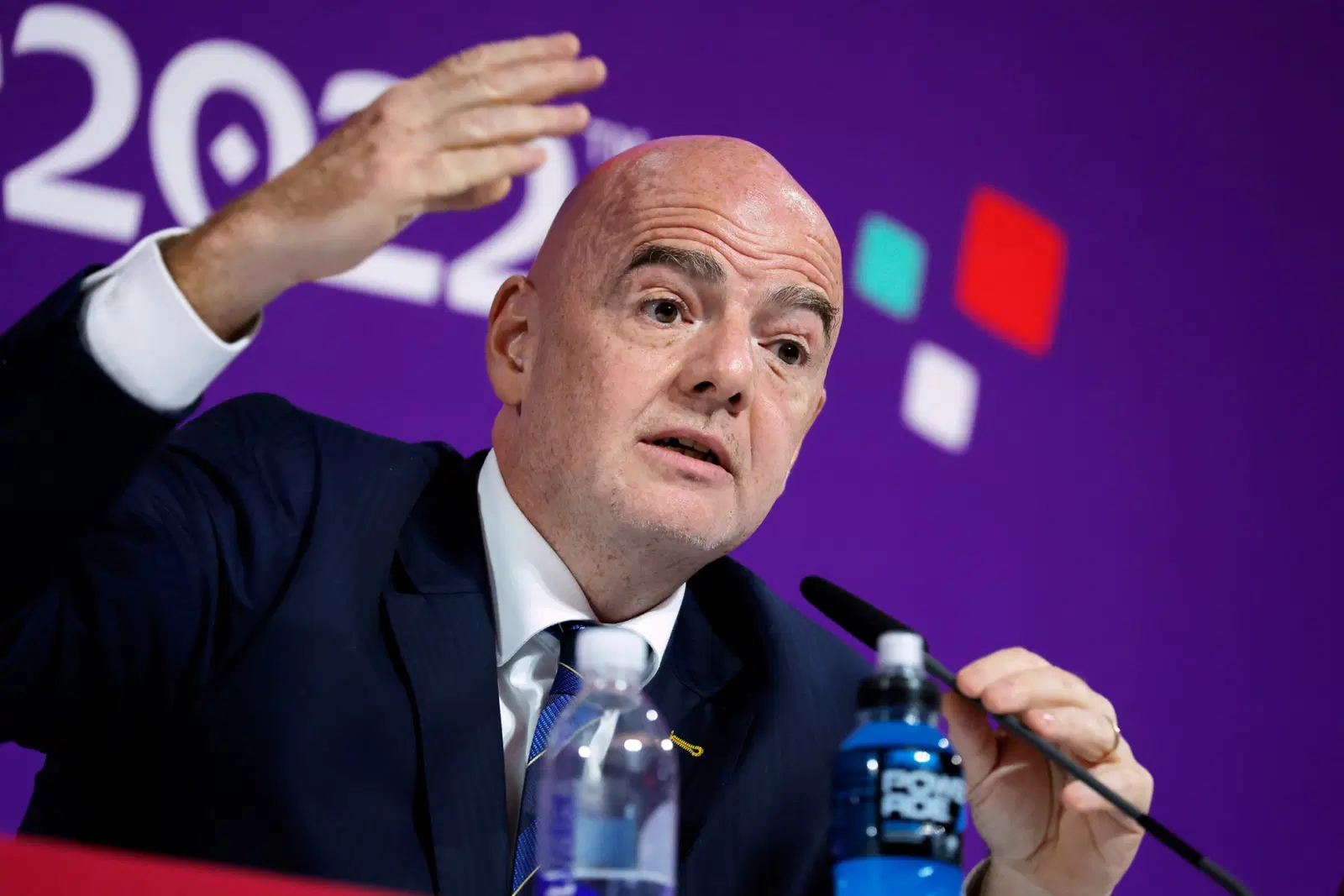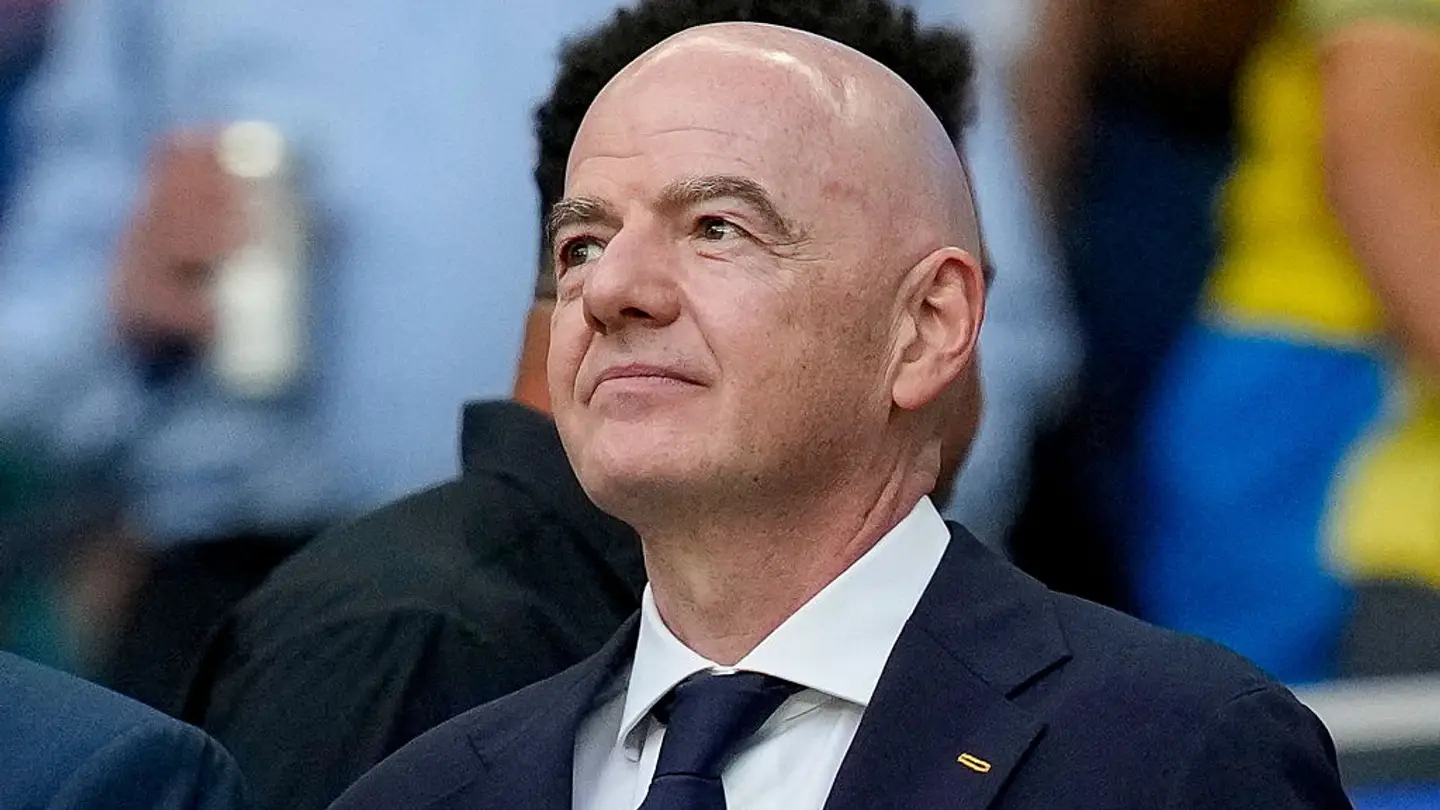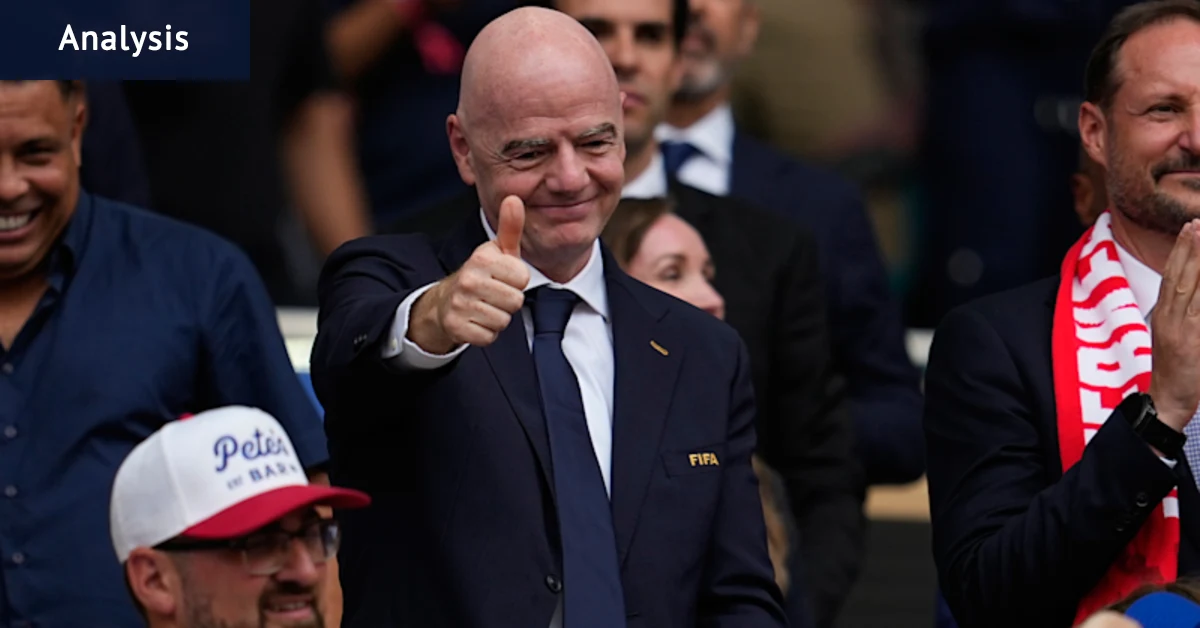
July 15, 2026 — 3:30pmIs it possible to have too much of a good thing? It’s a difficult question to answer truthfully when the FIFA World Cup, the best thing about life - let alone sport - is about to finish.No, too much of this is never enough. Give us more. Run it back.There is nothing like the World Cup. It is transcendent. The way it captures attention and brings cultures together, in an increasingly divided and fragmented world, is entirely singular. Thanks to a friendly timezone, Australia has soaked this one in more than ever.Not even FIFA can ruin it - and boy, have they tried. Somehow, despite the gross overcommercialisation, the presidential interference and the endless tampering with the structure of matches themselves, the magic is still there, shimmering beneath it all. The stars turned up, the storylines have been compelling. Fears the expansion to 48 teams would dilute the quality or enjoyment have proven to be ill-founded; there have been far fewer blowouts than expected, and in any case, it has not been the newcomers like Cape Verde, Curacao and DR Congo who have disappointed the most, but rather recognised football nations like Turkey, Uruguay and Saudi Arabia.Which brings us to Gianni Infantino’s latest proposal, a new way of fattening this beast up and injecting it with more content: expansion to 64 teams.The FIFA president says it will be formally considered after the World Cup. Wonderful!FIFA president Gianni Infantino.AP Photo/George Walker IVWould that be too much of a good thing?Maybe. Maybe not.A decent case could be prosecuted for further growth. For starters, 64 teams involves a much cleaner, neater bracket than 48: we could go back to only the top two teams making it out of each group, and forget about tracking the pesky third-placed finishers. It would mean no increased physical demand on players or teams, who would still play the same amount of games each, with the overall number increasing from 104 to 128.Would the standard drop, by inviting a further 16 teams? Probably, yes - but you could counter that it’s actually the imperfections and randomness that make the World Cup special, and distinct from the highest levels of club football, where the game has become arguably too optimised, and too good, in a weird way. Errors mean openness, and openness is fun and chaotic.Cape Verde celebrate their 0-0 draw against Saudi Arabia.AP Photo/David J. PhillipThe same old arguments were made when the World Cup went from 16 to 24 teams in 1982, then to 32 in 1998, and again to 48 today. But the quality, by and large, has always held up - because, over time, the standard of football across the world has improved, and the international game has become more competitive.Migration, multiculturalism and ease of communication have changed the nature of football development. It’s a truly global game now. France produces players who go on to represent Morocco, Algeria, Senegal and many others. Argentinian coaching methodology has spread across South America and beyond. Premier League academies induct kids from everywhere and turn them into professionals. A rising tide lifts all boats.Imagine if the World Cup stood still: the Socceroos would have never broken their 32-year qualification drought against Uruguay, and the sport is probably still stuck in the dark ages in Australia. Now apply that to the rest of the world. A greater chance to appear at the World Cup is a bigger incentive for the game to grow everywhere - and that is what FIFA is supposed to be all about.No, FIFA shouldn’t be condemned for merely considering a 64-team World Cup, far from the worst thought bubble to have emanated from their Zurich offices - although, to be clear, it is not a great one. The problem is how FIFA got here.The full-time whistle blows in the semi-final between Spain and France.Getty ImagesInfantino hasn’t plucked this idea out of thin air. It originated at the FIFA Council meeting in March 2025, as a supposedly impromptu proposal from a Uruguayan delegate for the World Cup’s centenary edition in 2030 - and was then formally adopted by CONMEBOL, the South American confederation, which has been quietly lobbying for it since.Why does CONMEBOL want it? Well, as things stand, South America is slated to host the first three games of the next World Cup: Uruguay, which staged (and won) the inaugural World Cup in 1930, plus Argentina and Paraguay. The rest will go to Spain, Portugal and Morocco - a convoluted mess of an arrangement which only exists to game the hosting rights rotation system so FIFA could award the 2034 edition to Saudi Arabia and steamroll Australia’s hopes of mounting a bid.Expansion to 64 teams, then, would theoretically enable those South American nations a bigger slice of the action - they could host groups, perhaps, rather than single matches - and help FIFA solve a problem FIFA created.Here are the two biggest hurdles, as we see it.Firstly, 64 teams would be logistically unwieldy, to the point where no single country could hope to host it alone again - except for the USA and, apparently, Saudi Arabia. (It’s amazing what money can buy you.) Even two co-hosts would struggle to find the stadiums and training venues to accommodate what FIFA demands.Beyond that, something more valuable disappears: the sense of place.Every great World Cup is remembered not just for the football, but for its setting. It absorbs the culture of its host, and in return the host becomes part of football history. This World Cup has been a triumph, but it has also illustrated the limits of perpetual expansion: Canada and Mexico have played their part, yet the tournament has still felt overwhelmingly American. There is no shared “North American vibe”, because that doesn’t exist. The World Cup should feel like a month-long love affair with one country or region, or at least one culture. The bigger it grows, the more countries it takes to put it on, the more it loses part of its soul.Secondly, qualification would be rendered almost obsolete. A World Cup of 64 teams is so inclusive, it would include almost a third of FIFA’s 211 member nations. That’s too inclusive, surely. We don’t know how the berths would be carved up between the confederations - but if the same sort of ratio is maintained, the Socceroos would never experience true World Cup qualification jeopardy again, which would rob us of some of our best sporting moments, and Football Australia of some of their biggest revenue drivers. Again, apply that to the rest of the world.That doesn’t mean there aren’t solutions. The football case for further expansion is stronger than many would like to admit, and the tournament itself may well be better for it in some ways.But any move to 64 would require careful decisions about qualification reform, travel, logistics, and the preservation of the World Cup’s on-the-ground spirit - all to be balanced against the obvious and significant commercial and political benefits.And that’s the real problem. FIFA would have to make them.From our partners
A 64-team FIFA World Cup? Maybe it’s not as bad an idea as it sounds
Gianni Infantino has confirmed FIFA will consider expanding the World Cup from 48 to 64 teams. They’ve come up with far worse ideas than that. But who trusts FIFA to pull it off?
1,177 words~5 min read