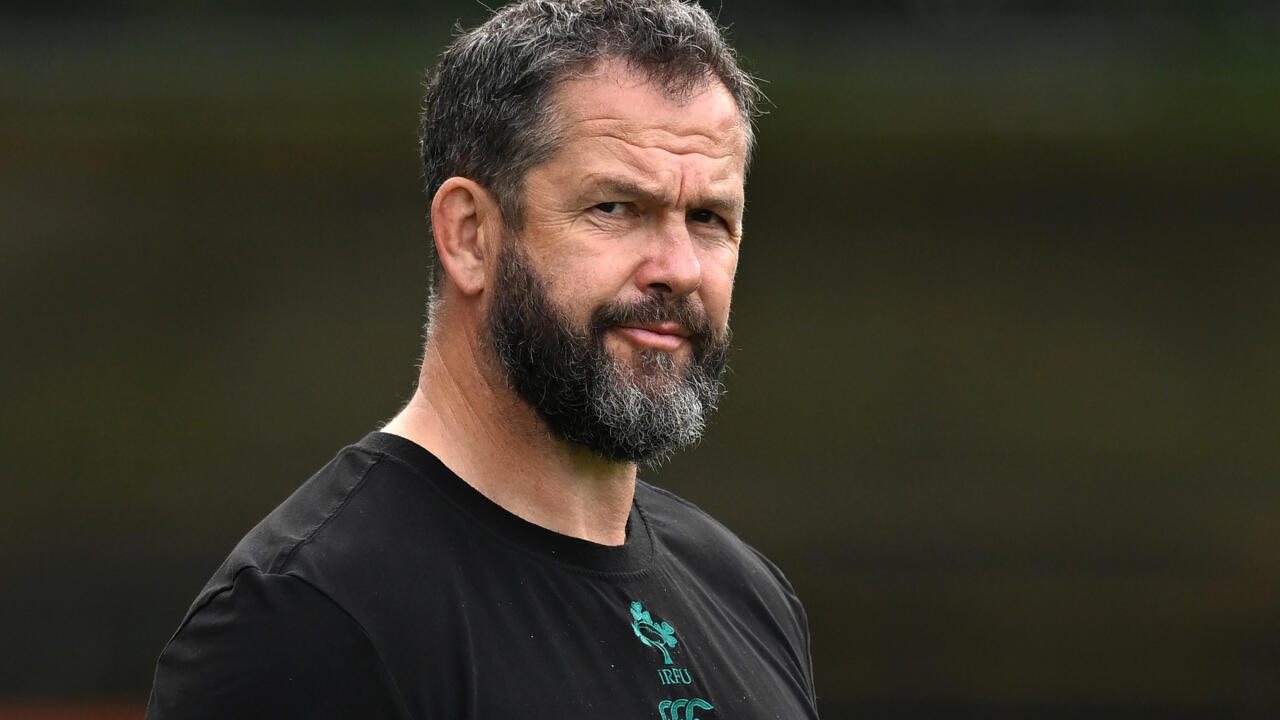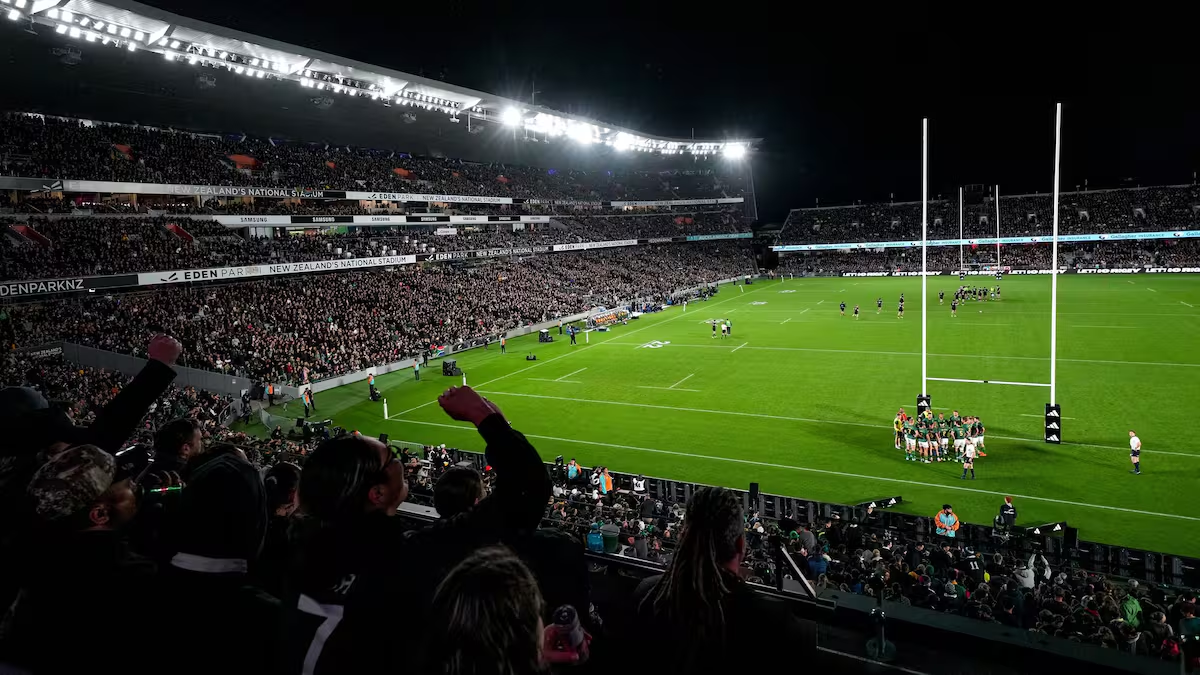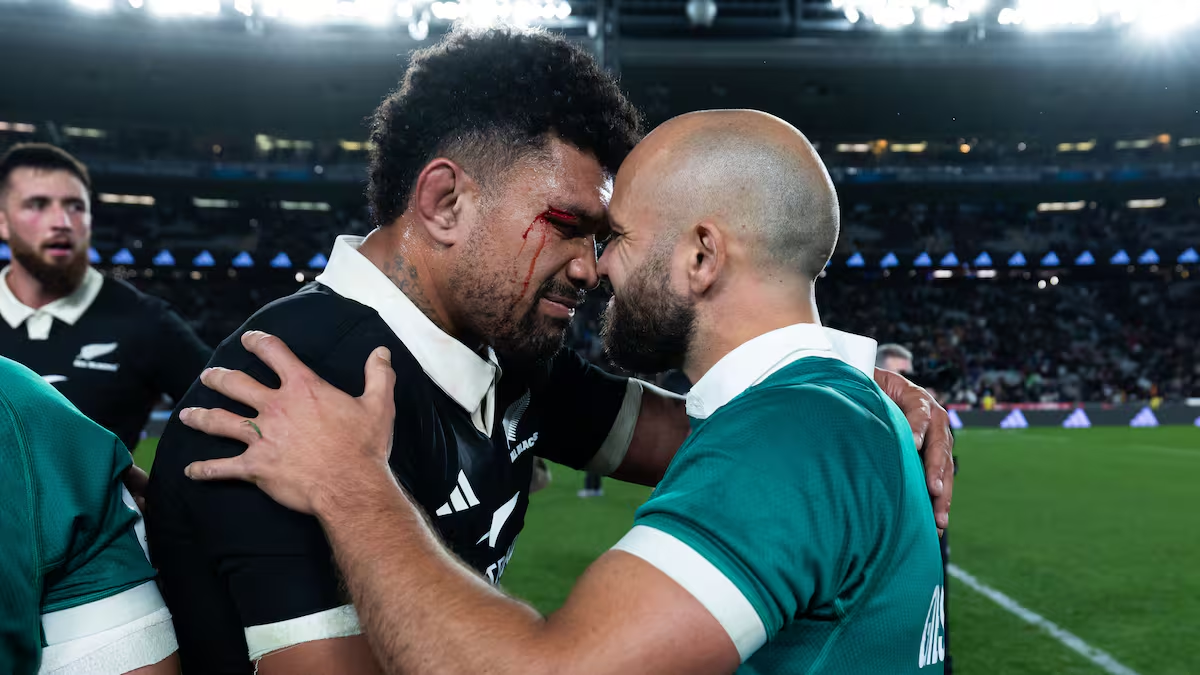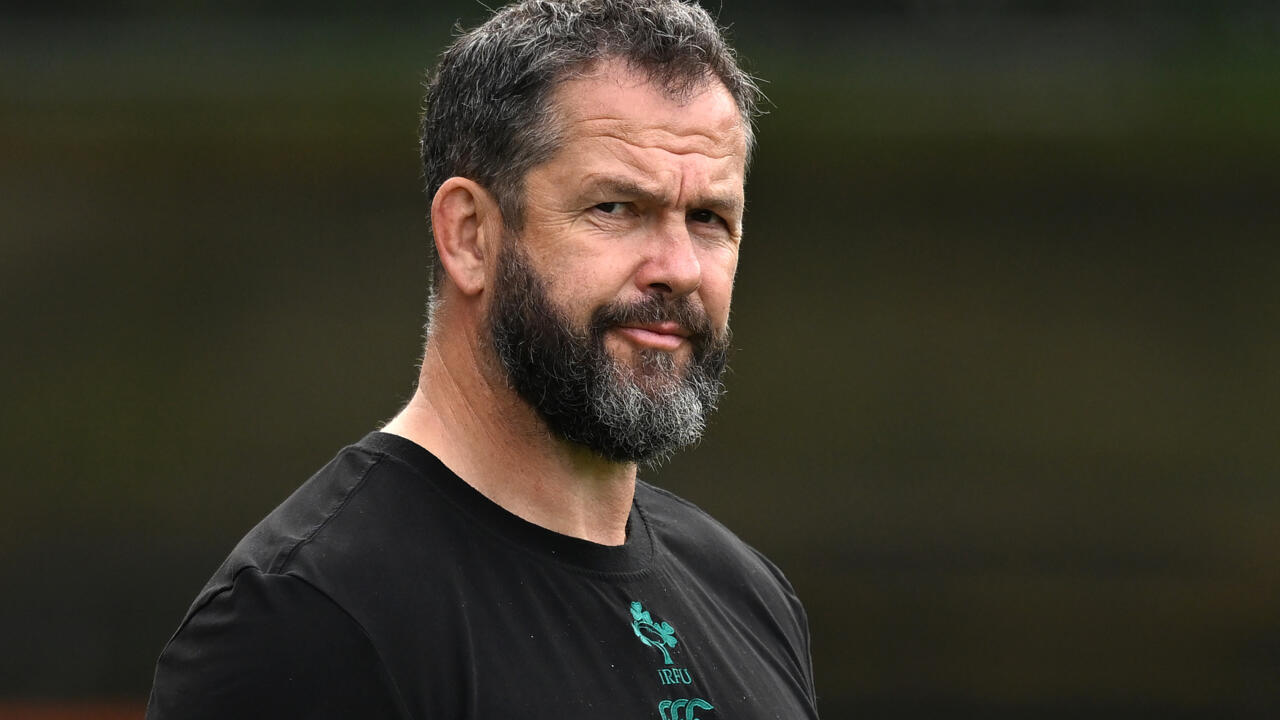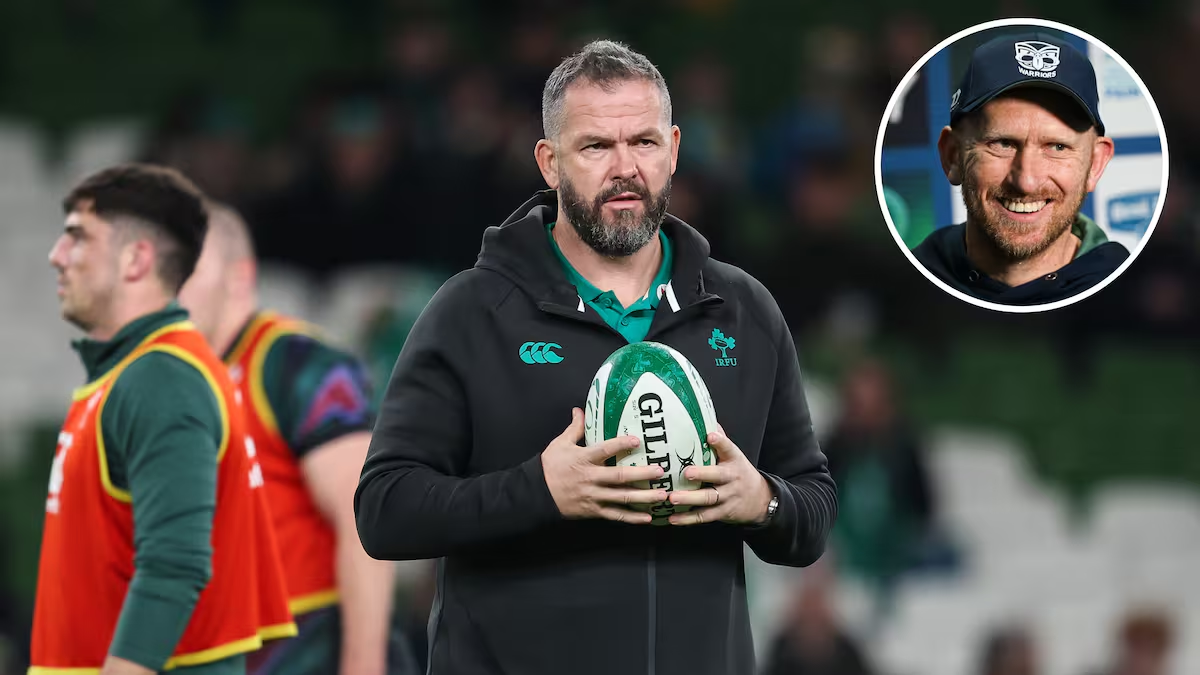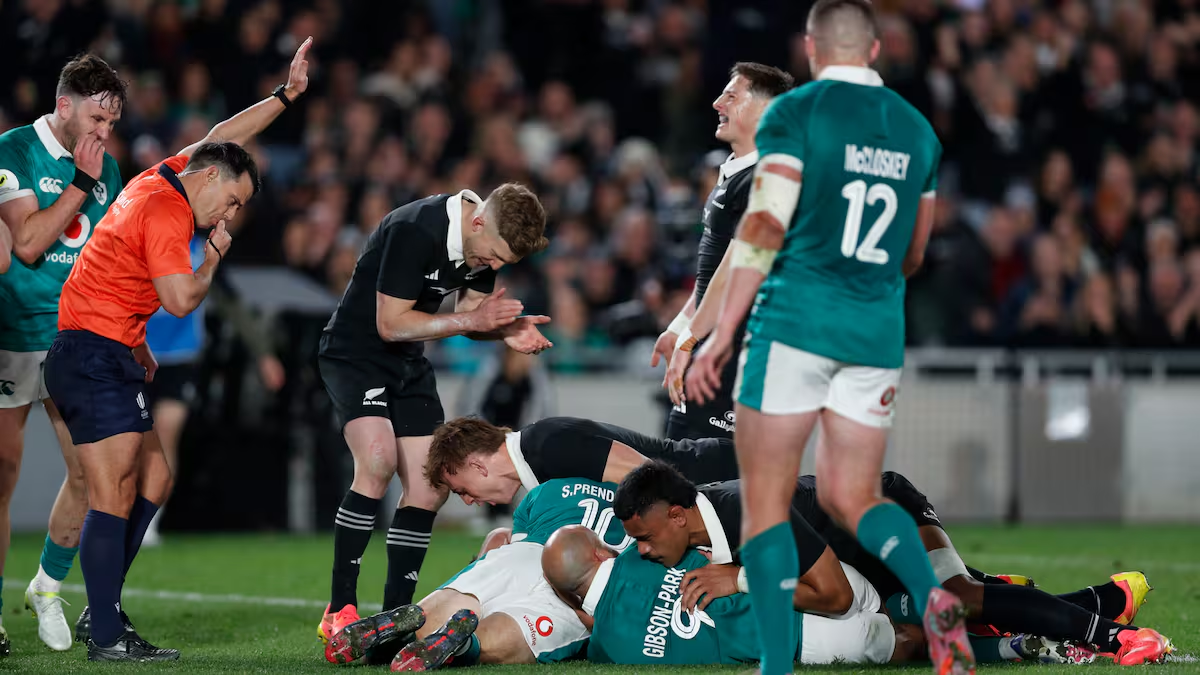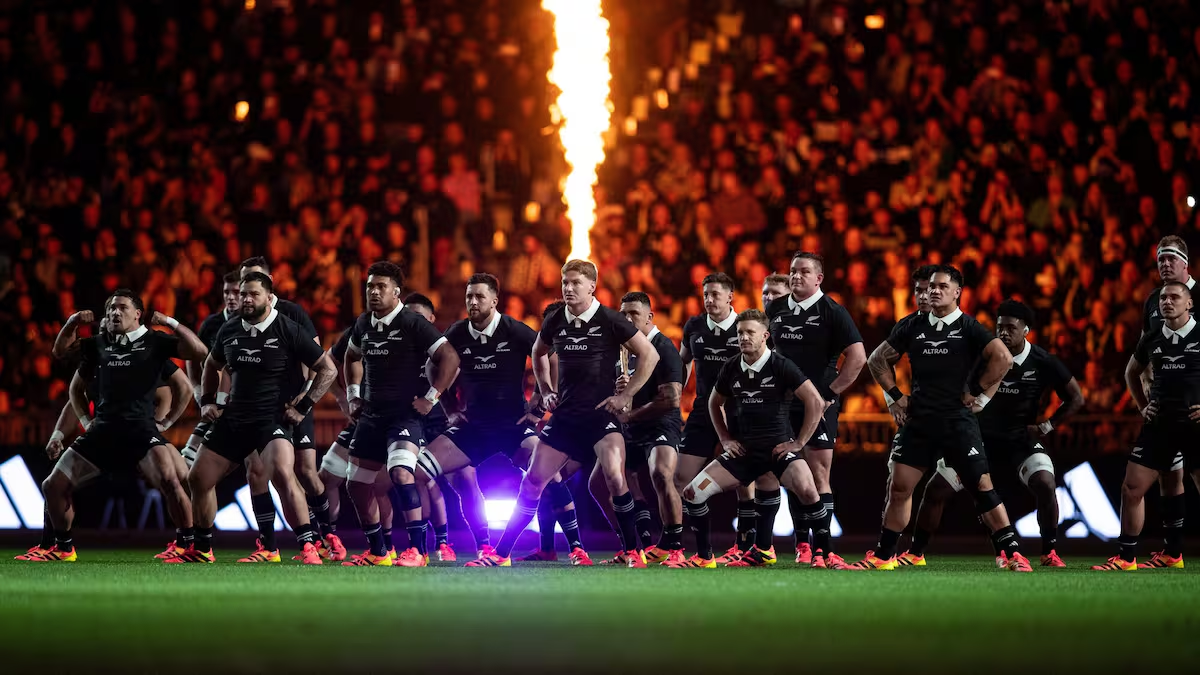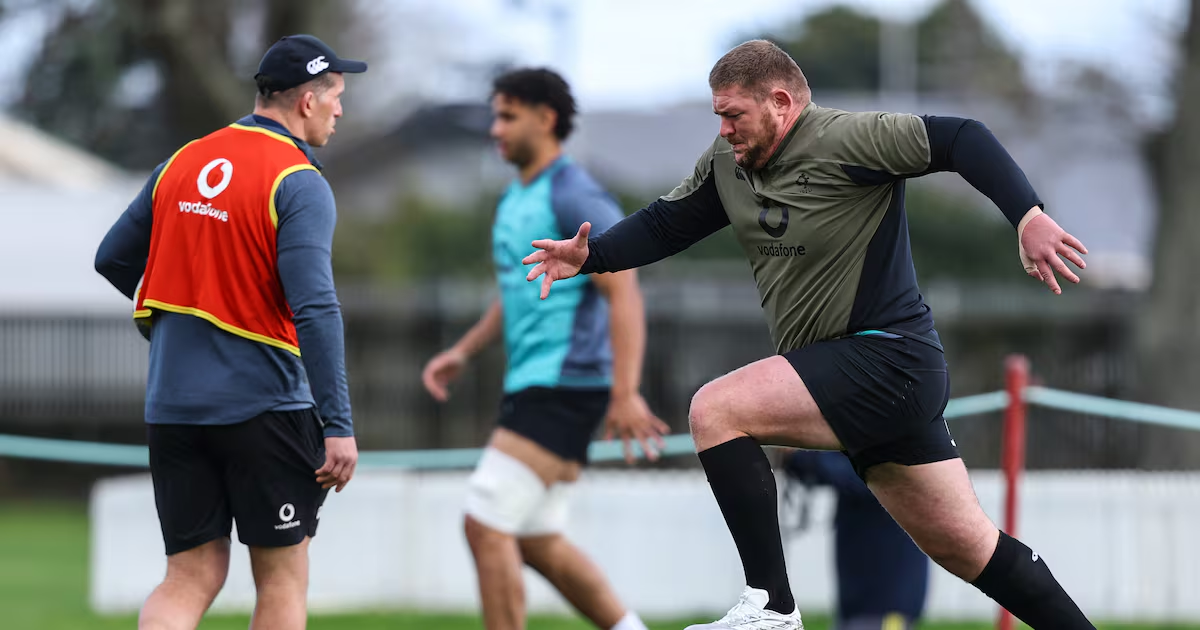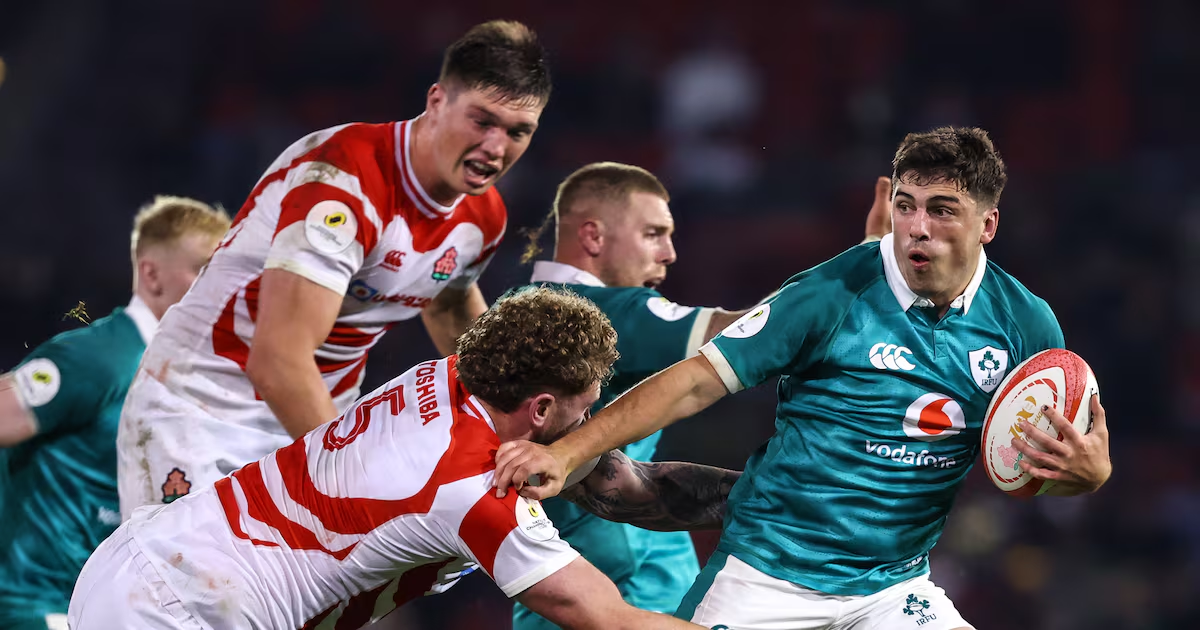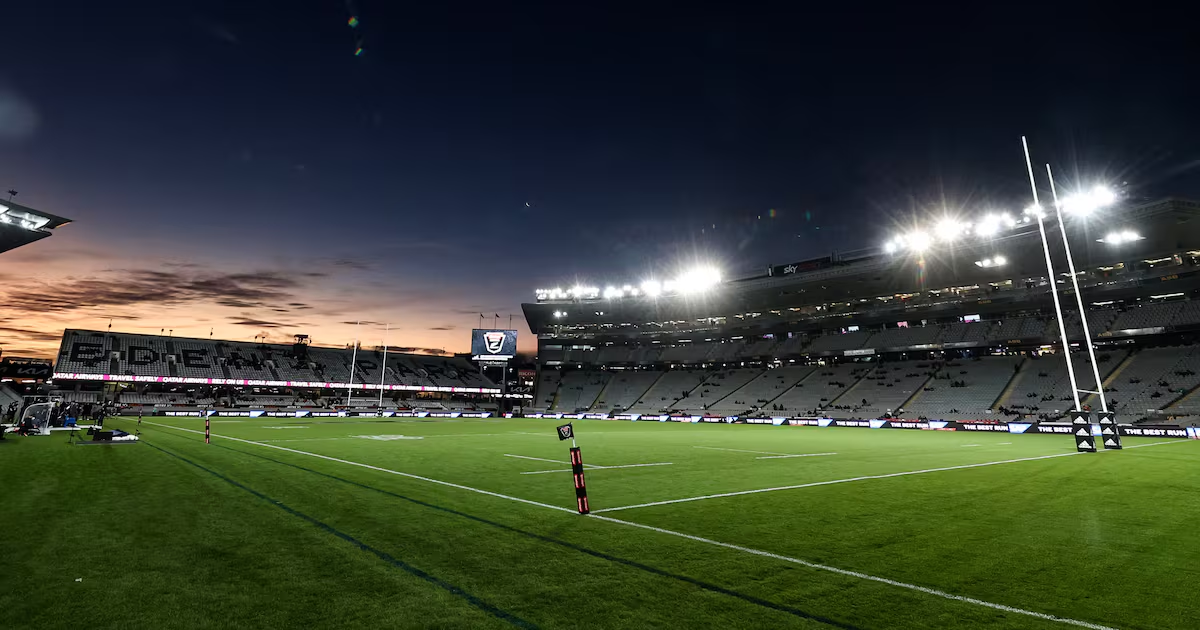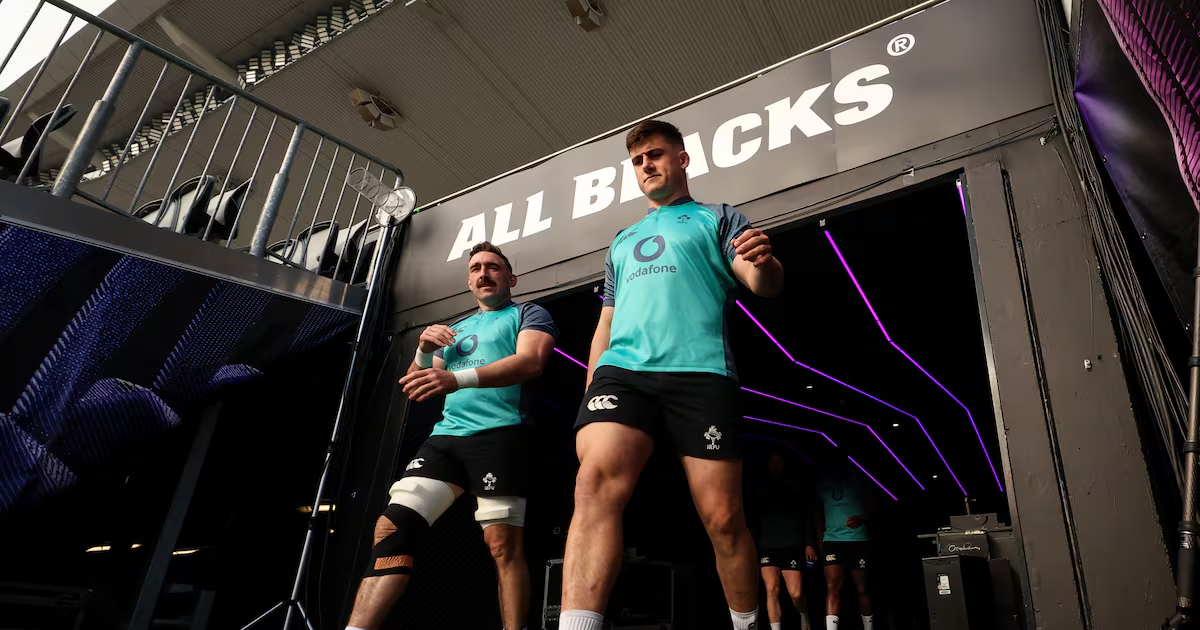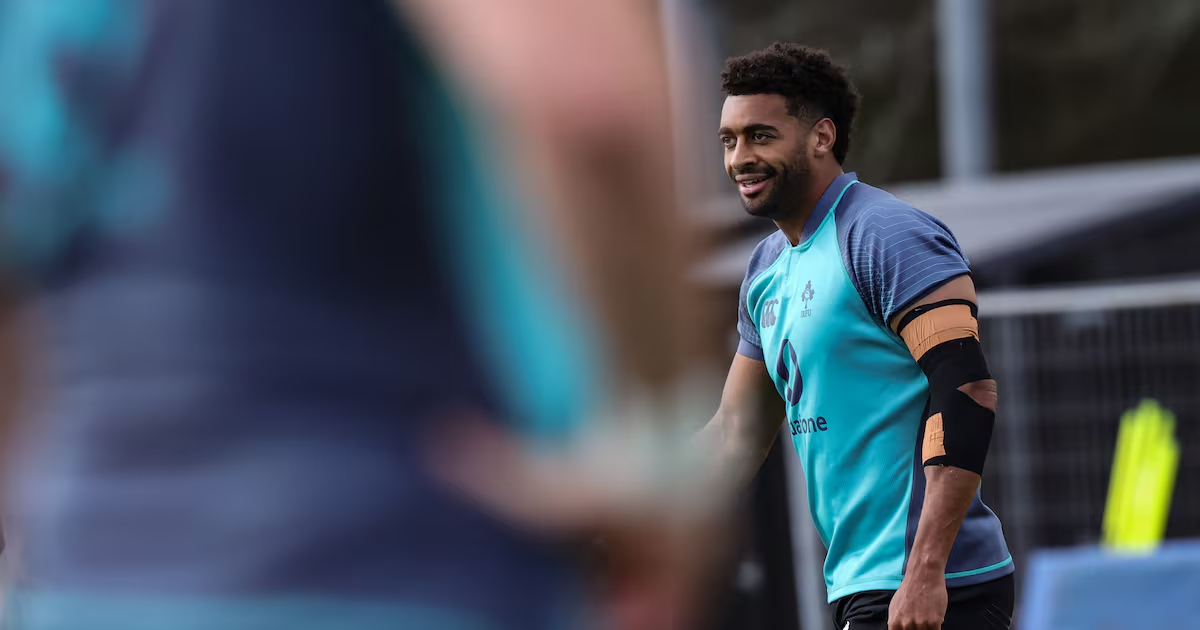
There always has been, and there remains, a strong Kiwi influence on the Irish international team, what with Jamison Gibson-Park and Bundee Aki still key figures and Andrew Goodman as backs coach. So, even if there were any doubt, they get it: they get this whole Eden Park thing.Following their Tuesday training session on another crisp, sun-kissed day in Auckland’s renowned rugby school, Kings College, Goodman articulated the task at hand.“It’s a special opportunity. It’s a massive challenge, but with challenge comes opportunity. For myself as a Kiwi, I’m aware of how special Eden Park is, but also, as a coach and as a Kiwi, I’m trying to motivate the boys. They’re a great bunch of lads. They work so hard,” he said.“We just want to give them a clear, simple game plan, so they can go out and attack it and trust their instinct and really get after it, show an ambition to put their game on at Eden Park, and that’s what we want to see as coaches.”If Ireland are to have any hope of completing a truly landmark victory, then one of the keys, mentally, will be not to overstate and thus become over-awed by the Eden Park factor, and play with a certain fearlessness.[ Full-strength Ireland squad ‘excited’ to tackle All Blacks and Eden Park history ]“We’ve got so much experience in our squad now across the board who have played in big games and have stood up in big games over the last number of years, if you look at the guys there. So we’re drawing on those guys’ experiences,” he said.Hence they have shared their knowledge with the less experienced players. “So it’s out there and we’re talking around it and we’re making plans to make sure we can be in the best place possible,” said Goodman, all designed to deliver on the Andy Farrell mantra, namely “being the best version of ourselves on these big days”.Backs coach Andrew Goodman in Auckland on Tuesday. Photograph: Billy Stickland/INPHO In addition to the launch plays devised by Goodman and Ireland’s phased attack, Ireland added another arrow to their quiver in the Six Nations with the emergence of Robert Baloucoune. He gave Ireland more of a cutting edge off set-piece attacks, and two or three phases, and transition.Hence, Baloucoune will be restored after the tight hamstring that caused his withdrawal from the Australian game, despite having played only once in the four months. And Tadhg Beirne also being named at blindside look like being the only two changes to that starting XV against Australia, with another Kiwi-born player, Sean Jansen, a contender for impact duty.“You’ve seen what he [Baloucoune] can do when he gets the ball in open space. He just moves so well, and he’s got a point of difference that we want to try and use as a team,” Goodman said.“We’ve got to give him those opportunities by being accurate with what we do and he’s got to work hard to get on to the ball as well and make it happen, be the best version of himself. Because when he gets out of his own way and he moves off his wing and he gets the ball in his hands, he’s got the ability to create for us. So that’s what we want to see if he gets that opportunity this week.”This sport goes through trends, and Goodman admitted this is a good time to be an attack coach.“The start to this competition [Nations Championship] has been amazing, hasn’t it. To see the ball movement and the way teams are trying to play and the excitement in transition and counter-attack. There’s still good opportunities from set-piece to strike as well. Andrew Goodman recalls the early promise of German rugby player Anton Segner, who made his debut for the All Blacks last week. Photograph: Ben Brady/INPHO “So, yeah, it would be a tough place being a ‘D’ coach at the moment, I’d say,” he said, laughing heartily.He attributes this to a shift in mindset and the way the breakdown is being refereed. “Space has been a big one that the refs are going after, giving space around the offside. So it’s been a positive trend,” Goodman said, “and making sure there’s not deliberate slowing down the ball has been good for the game as well.”Goodman was coaching at Nelson College in New Zealand when a mustard-keen 15-year-old German rugby player, Anton Segner, pitched up there on a six-month scholarship in 2017. Last week Segner made his All Blacks’ debut as a backrow replacement in their win over Italy. Anton Segner, above, 'just wanted to get better and learn' as a teenager, says Andrew Goodman. Photograph: Brett Phibbs/INPHO “Yeah, unreal,” Goodman said. “I still remember when they said there was a young lad from Germany turning up to play rugby at the school and we thought he might be a third XV/second XV player, but he came in his first year as a 15-year-old and he was in the first XV for three years and captained the team. Amazing player and a great story. I was stoked to see him get his debut last week. It was a really cool story.”“You could see it from a pretty early stage that he had something about him in his work ethic, in the way he just wanted to get better and learn. He attacked it from the start and it’s no coincidence that he’s gone on to do what he has done.”Extending the Goodmans’ influence on Irish rugby, his brother Chris this month succeeds the Leinster-bound Peter Smyth as the IRFU’s head of performance pathway after a successful spell as general manager of Western Force in Perth, Western Australia.“Is he like me? Yeah, I think he is a bit like me,” Goodman said. “I’ve worked together with him before when we were both at Tasman and he had a long stint down with the Crusaders as well. When you look at world rugby they’re one of the leading organisations and they’ve always had a really successful academy programme where they’ve grown and developed young players into leading world-class players.“So I think he’s got some great experiences from what he will have learnt there that can hopefully transfer over into the Irish system.“He’s hardworking. He’ll get around. He’s a good rugby man. He knows the game, so he’ll connect that with people and hopefully come in with some fresh ideas.”
‘As a Kiwi, Eden Park is special’: Ireland backs coach Andrew Goodman is our man on the inside
New Zealander backs boys in green to ‘put their game on’ in Auckland against the All Blacks on Saturday
1,071 words~5 min read