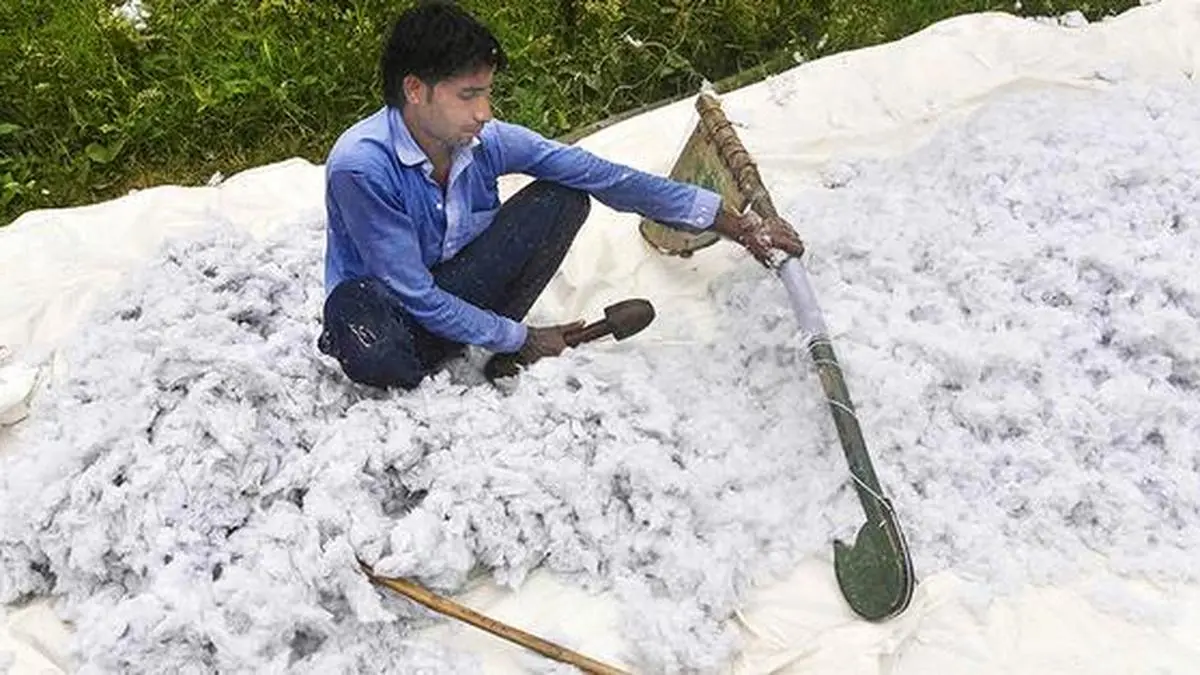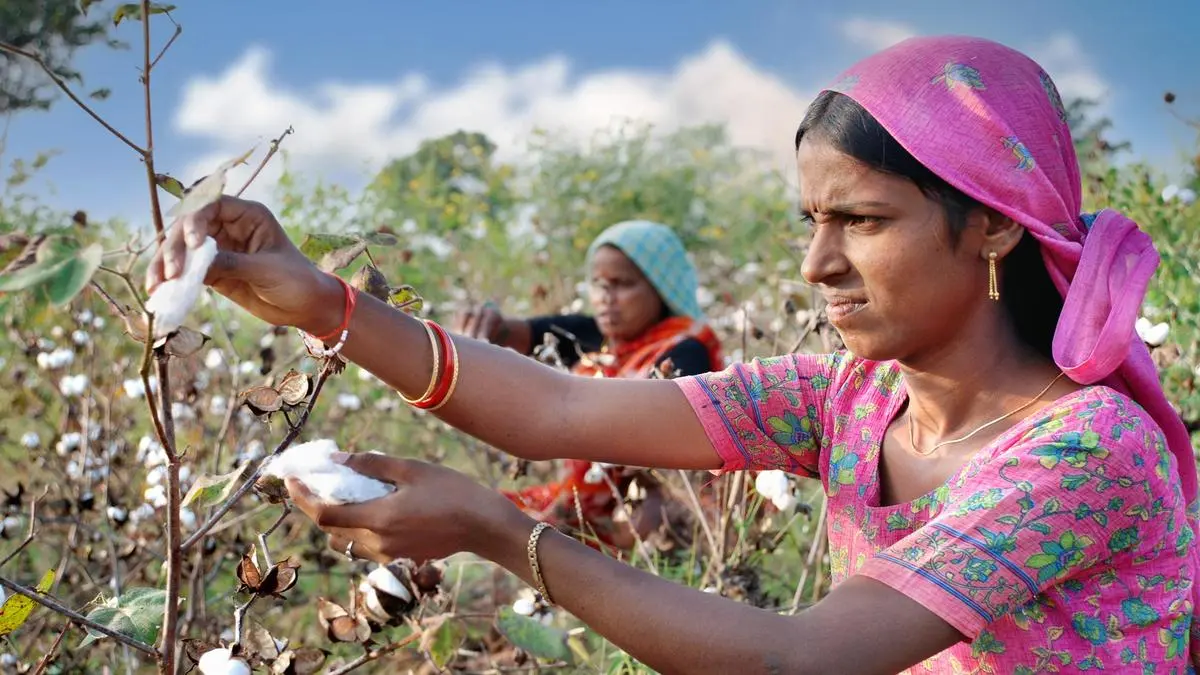
The US views India as a market with potential to purchase its cotton and will likely emerge as a key importer in 2026, said Gary Adams, President and CEO of the National Cotton Council and President of the US Cotton Trust Protocol. “If we look at India, it is an important market for US cotton. In fact, in this marketing year, we are just competing for India as the fourth largest market for US cotton,” he told businessline in an online interaction.With the area under cotton down in India and concerns over the monsoon, it could be a “stronger” market in 2026. In its latest Cotton: World Market and Trade, the US Department of Agriculture (USDA) has raised India’s cotton imports this season to September to 56.9 lakh bales (170 kg each) from the earlier 53.18 lakh bales.China not strongThe Cotton Association of India, a trading organisation, has projected exports at 60-65 lakh bales, mainly since the Government has suspended the 11 per cent import duty on the natural fibre. Vietnam has been the largest market for US cotton exports over the past year. It has emerged and been a strong market. Bangladesh is a steady market, particularly as its textile industry continues to grow. “The market that has not been as strong over the course of the past year is China. With just some of the trade tensions that are going on between the US and China, we’re not seeing as much US cotton going to China over the past year,” said Adams. However, the USDA in its latest estimates for the 2026-27 season has projected 1.5-2 per cent increase in global cotton demand from last year, he said. The USDA has forecast production to increase to 117.3 million US bales (217.7 kg), while consumption will likely increase to 122 million bales, up 200,000 bales. Energy price hikeThe concern of the US Cotton Trust Protocol, set up six years ago, was increase in energy prices. If prices continue to rule firm, it could have an impact on consumption or force consumers to become more conservative. “I think that certainly could play out if we see this continue forward later into this year,” said Adams, who is in India to meet the textiles industry and attend the Bharat Trade show. High oil prices could impact overall expenditure on fuels. “That’s coming into play, particularly as consumers look at their spending habits. The other factor is that higher oil prices have translated into an increase in prices of synthetic fibres, such as polyester, that are petroleum based,” he said. This has resulted in renewed demand for cotton, said the US Cotton Trust Protocol president, adding that “cotton prices are holding in at a fairly good level”.Output costs up 20%On the Inter-Continental Exchange, cotton is currently quoting at a two-month high of over 82 cents a pound on higher crude oil prices in the wake of renewed US-Iran tensions.Across the world, the cost of cotton production is increasing, be it chemicals or equipment or labour or fertilizer and fuel. “In the US, over the last 2-3 years. We have probably seen the cost of production for producers go up somewhere around 20 per cent in total and that has certainly put a lot of economic pressure on producers,” he said. In the US< cotton is being planted by more farmers. “I think there’s still a lot of question marks on what the crop will look like this year, in India, the United States and globally. Some of these factors are coming into play as we look at how the market may move over the next 3-6 months,” said Adams.In addition, new information regarding microplastics and microfibers coming from synthetic apparel products is helping shift back to natural fibres. These are now showing up in the food and water of consumers, and cotton is well-positioned to fill the switch in demand, he said. Weather impactOn the impact of weather, Adams said most parts of the cotton belt in the US is witnessing drought and the protocol is monitoring it closely as it could also affect the overall global crop number in various countries. Referring to recycling in the textile industry, Adams said there was a growing interest despite technical challenges of recycling garments and converting them into another product. “I do think there are some opportunities to take some of those recycled products and blend them with virgin cotton because we don’t have the technology to the point where you can just simply take a recycled garment and turn that back into something that can be spun back into yarn again,” he said, stressing the need for more research. As an organisation promoting sustainability, the US Cotton Trust Protocol is looking at a certification programme, including for regenerative agriculture. The protocol is working with growers and looking at some logos or labels to highlight these. Import dutyThe US Cotton Trust Protocol wants the import duty on cotton removed for short and medium staple cotton too. Currently, the government has suspended the 11 per cent import duty only on long staple cotton till September 30. The association has been communicating this to the government and hopes that efforts would be made to make the Indian textile sector competitive. Stating that there is a lot of opportunity for continued collaboration between the US cotton industry and the Indian textile sector, Adams said the trade between the two countries will only grow, going forward.“We are closely following the government-to-government discussions as they look at forging new trade relationships. We’re very excited about what the future holds as we look at India’s textile industry,” he said.Published on July 15, 2026
US sees India emerging key buyer of its cotton this year
The US anticipates India becoming a significant cotton importer by 2026, boosting trade between the two countries.
943 words~4 min read