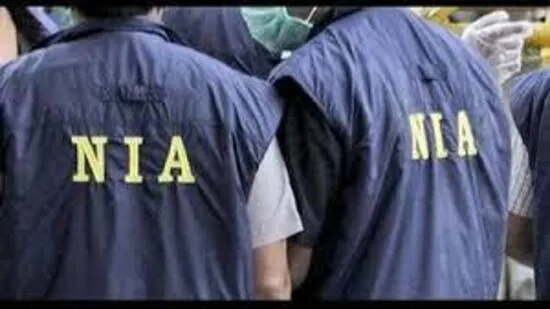
An NIA court in Mohali has dismissed the second bail application of Tariq Ahmad Lone, facing the 2019 Attari heroin seizure case involving the seizure of 532-kg drug concealed in a consignment of rock salt. There is a prima facie case against him under the Unlawful Activities (Prevention) Act (UAPA), the court noted.According to the NIA, customs officials recovered 532-kg heroin and 52 kg of mixed narcotics from a consignment imported through the Attari integrated check post on June 29, 2019.Rejecting the plea, special judge Dinesh Kumar Wadhwa observed that the bar under Section 43D(5) of the UAPA applied as the material on record indicated the accused’s involvement in the alleged conspiracy to smuggle narcotics from Pakistan into India.According to the NIA, customs officials recovered 532-kg heroin and 52 kg of mixed narcotics from a consignment imported through the Attari integrated check post on June 29, 2019. The agency alleged that Tariq Ahmad Lone acted as the main link between Pakistan-based handlers and members of the network in India. It alleged that he received instructions and hawala funds from Pakistan-based operatives, deposited the money into his bank account and transferred it through IMPS, NEFT and RTGS to facilitate customs payments and other expenses for the consignments.The defence argued that Lone had been falsely implicated as nothing incriminating was recovered from him. It also maintained that the prosecution relied mainly on disclosure statements of a co-accused. It also contended that he had remained in custody for more than seven years, and the trial was progressing slowly, pointing out that the co-accused had already been granted bail by the Punjab and Haryana high court.The NIA opposed the plea, stating that the accused had failed to show any substantial change in circumstances since his first bail application was rejected in 2021 and his appeal was dismissed by the high court in 2024. It argued that evidence collected during the investigation established his role in the conspiracy.The court held that the delay in trial alone could not justify bail in a UAPA case and observed that the accused had failed to satisfy the legal requirements for a successive bail application. It also noted that releasing him could create the risk of influencing witnesses, tampering with evidence or evading trial.
NIA court rejects bail plea of man in 532-kg Attari heroin seizure case
The court held that the delay in trial alone could not justify bail in a UAPA case and observed that the accused had failed to satisfy the legal requirements for a successive bail application.
375 words~2 min read