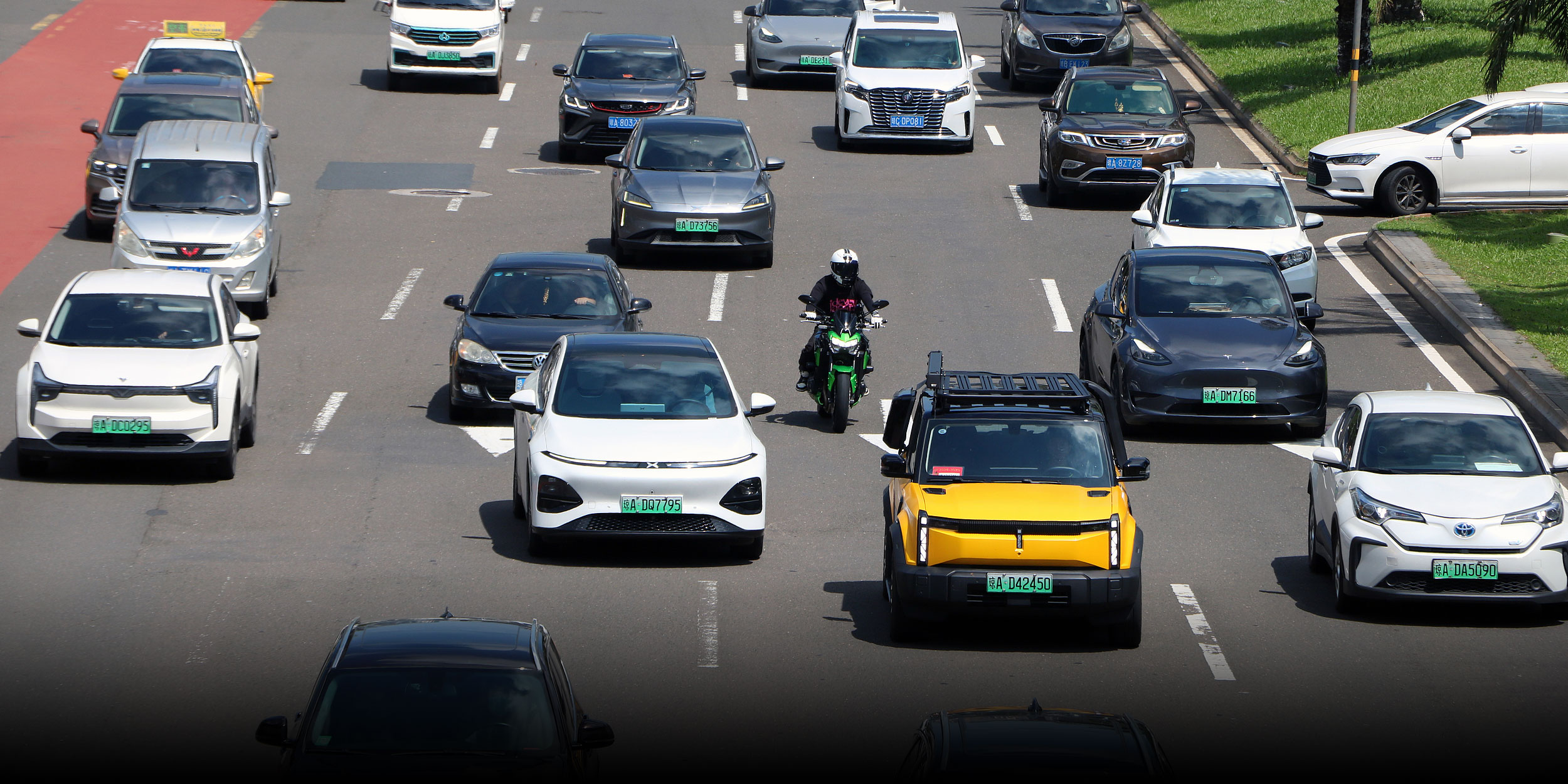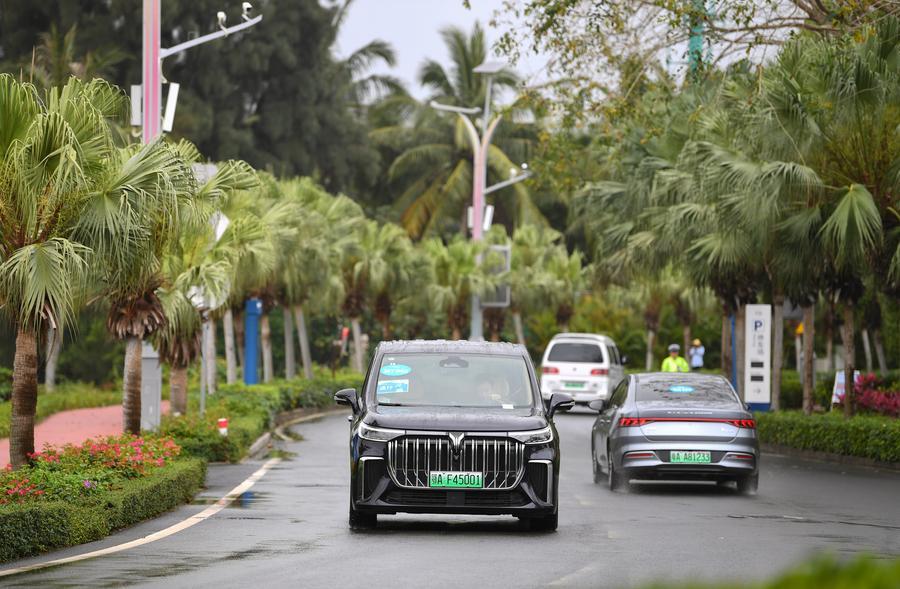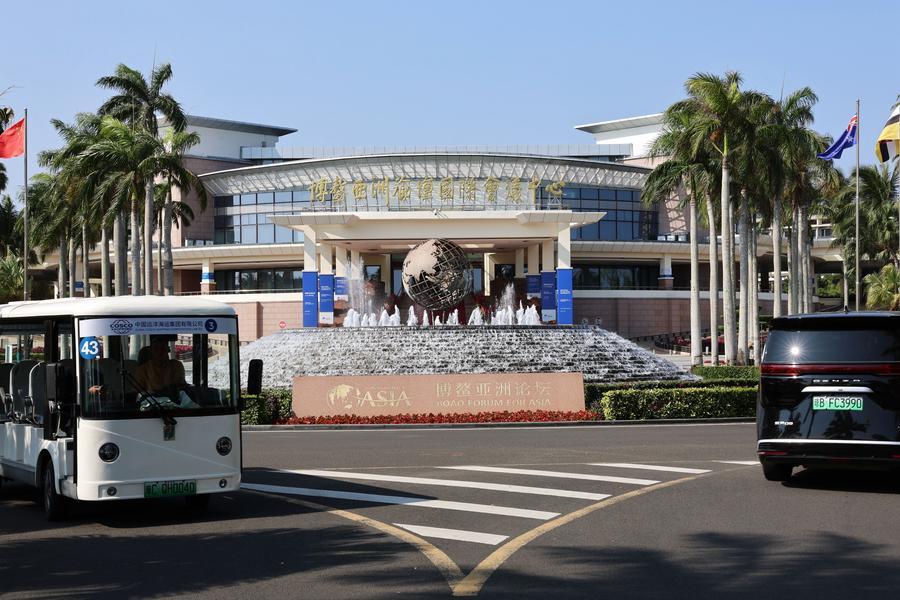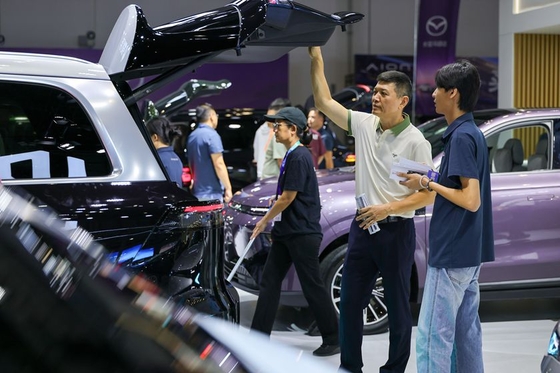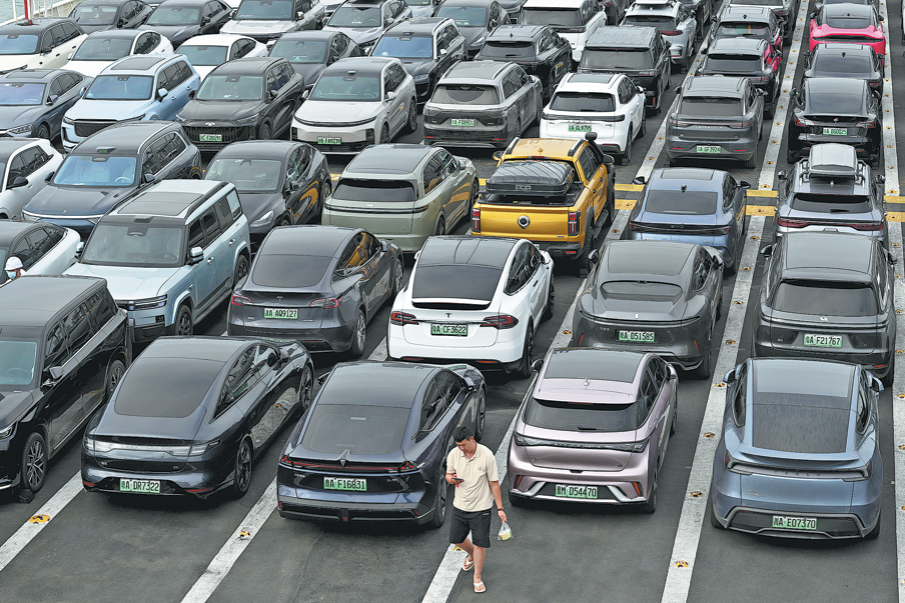
New energy vehicles seen in Haikou, Hainan province. XINHUA
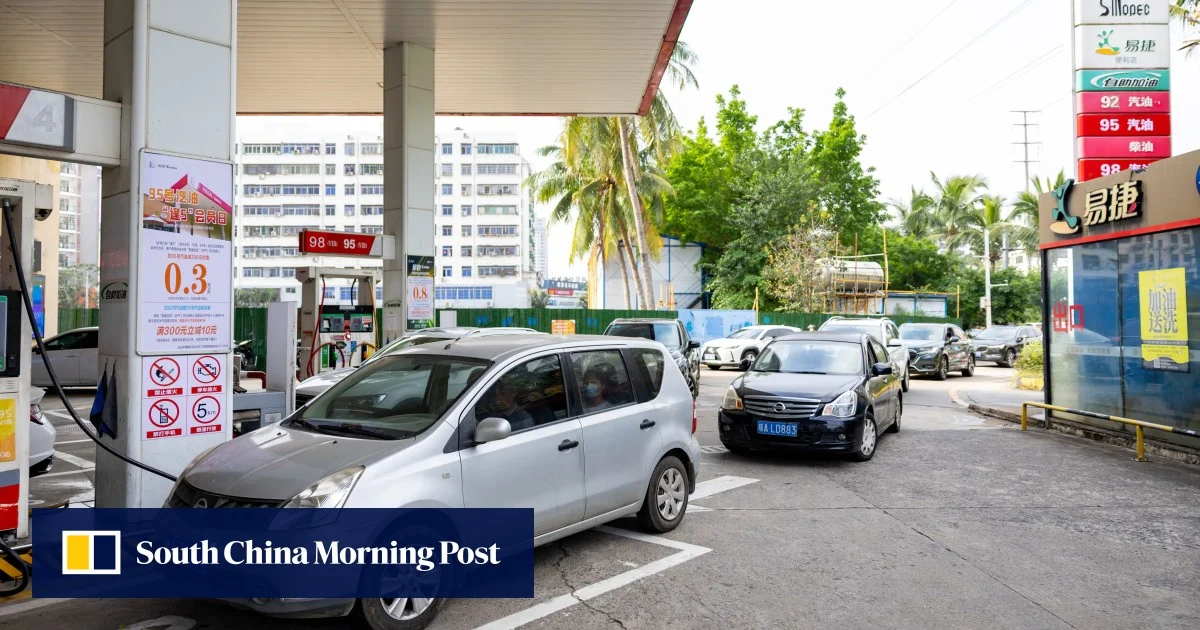
Hainan province has set a 2030 deadline for banning the sale of new gasoline-powered vehicles, making it China's first provincial-level region to adopt such a policy.
The mandate is part of a plan by the province for the national ecological civilization pilot zone, which aims for new energy vehicles to account for 45 percent of total vehicle stock by the end of the decade, up from 23.75 percent in 2025.
The rule applies only to sales of new pure internal combustion vehicles. After 2030, gasoline-powered vehicles already registered will remain legal to drive, pass inspections and be traded. Plug-in hybrids and extended-range electric models will still be available for purchase, and gasoline-powered vehicles from outside the island can continue to enter for tourism.
Hainan's move follows a trajectory that began in 2018, when the province first suggested the island phase out fossil-fuel vehicle sales before 2030. In 2019, Hainan became the first province to publish a detailed NEV roadmap. That commitment was reinforced in the province's carbon peaking plan in 2022 and again in its transportation network plan in March of this year.