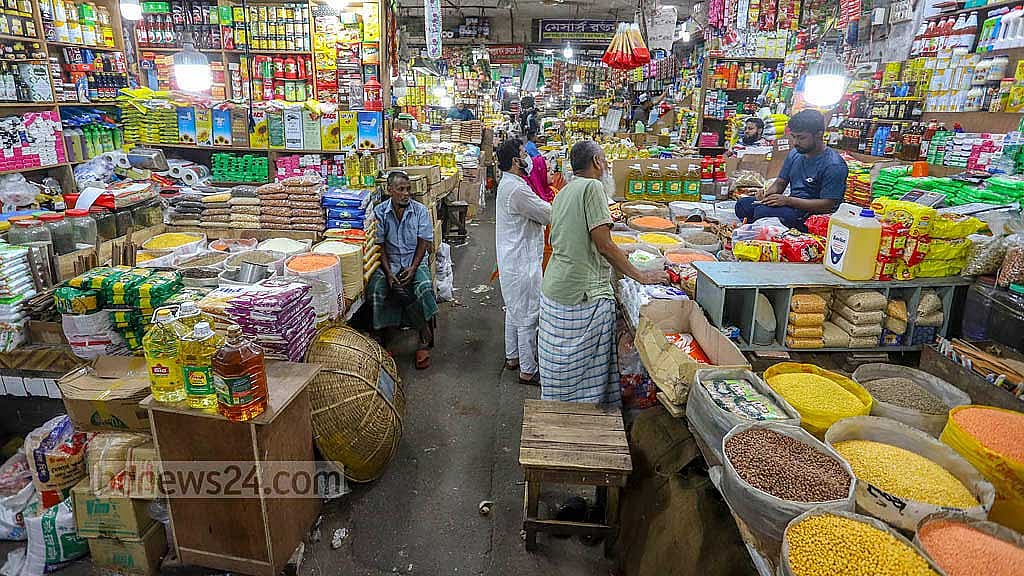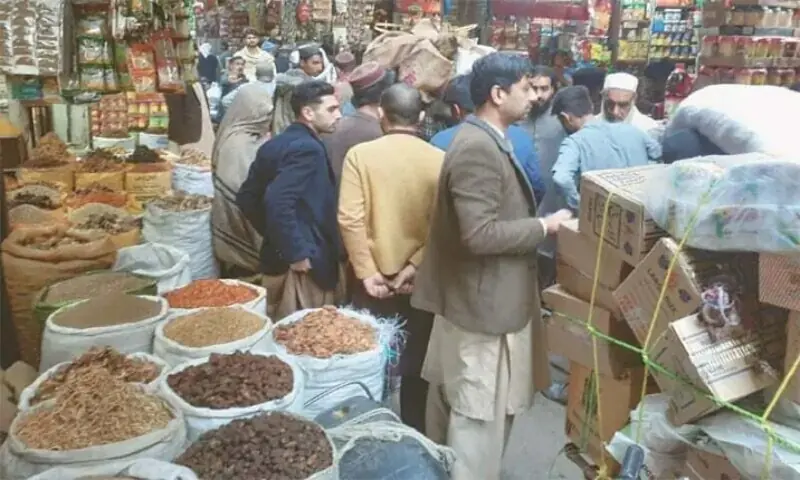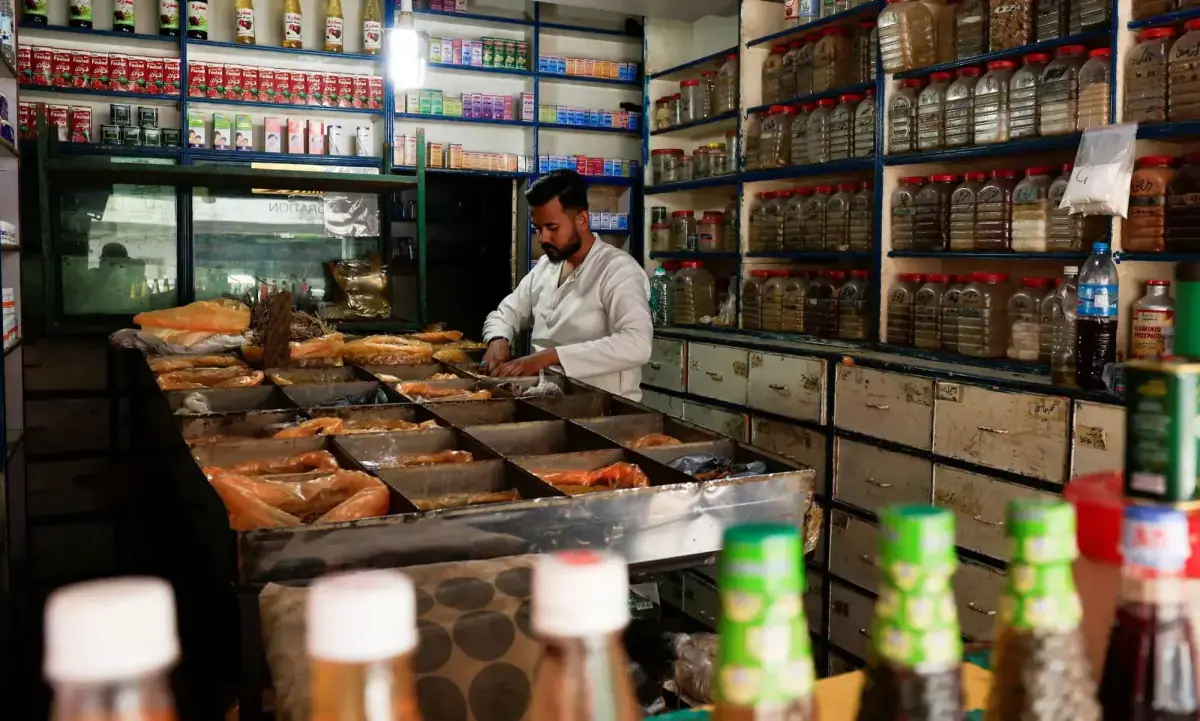
THE Fixed Tax Asaan Scheme for traders with an annual turnover of up to Rs200m has been designed as a ‘pragmatic alternative’ to pull Pakistan’s vast, informal retail sector into the tax net without triggering the political backlash a bolder reform would invite. It is a concession to a powerful constituency that forms the core of the ruling PML-N in Punjab — and its costs will be borne by those already inside the documented economy. The math is simple. The retail sector turns over an estimated Rs10-15tr annually but contributes almost nothing to direct tax revenues. The scheme’s Rs50bn target, even if fully met, would represent a rounding error against what actual compliance at standard rates could yield. A 1pc voluntary turnover tax, with no audits, no digital invoicing and no point-of-sale requirements, does not bring traders into the documented economy. It creates a parallel track for them to stay outside it. The contradiction runs deeper than the numbers suggest. The government is expanding POS infrastructure to penalise cash transactions and push merchants towards digital payments under a cashless economy initiative. However, this scheme leaves out the very segment the initiative is designed to document. How can a government pursue such digitisation of commerce while giving a guarantee to its most resistant segment that its requirements will not apply to them?
Soft on traders
THE Fixed Tax Asaan Scheme for traders with an annual turnover of up to Rs200m has been designed as a ‘pragmatic...
451 words~2 min read