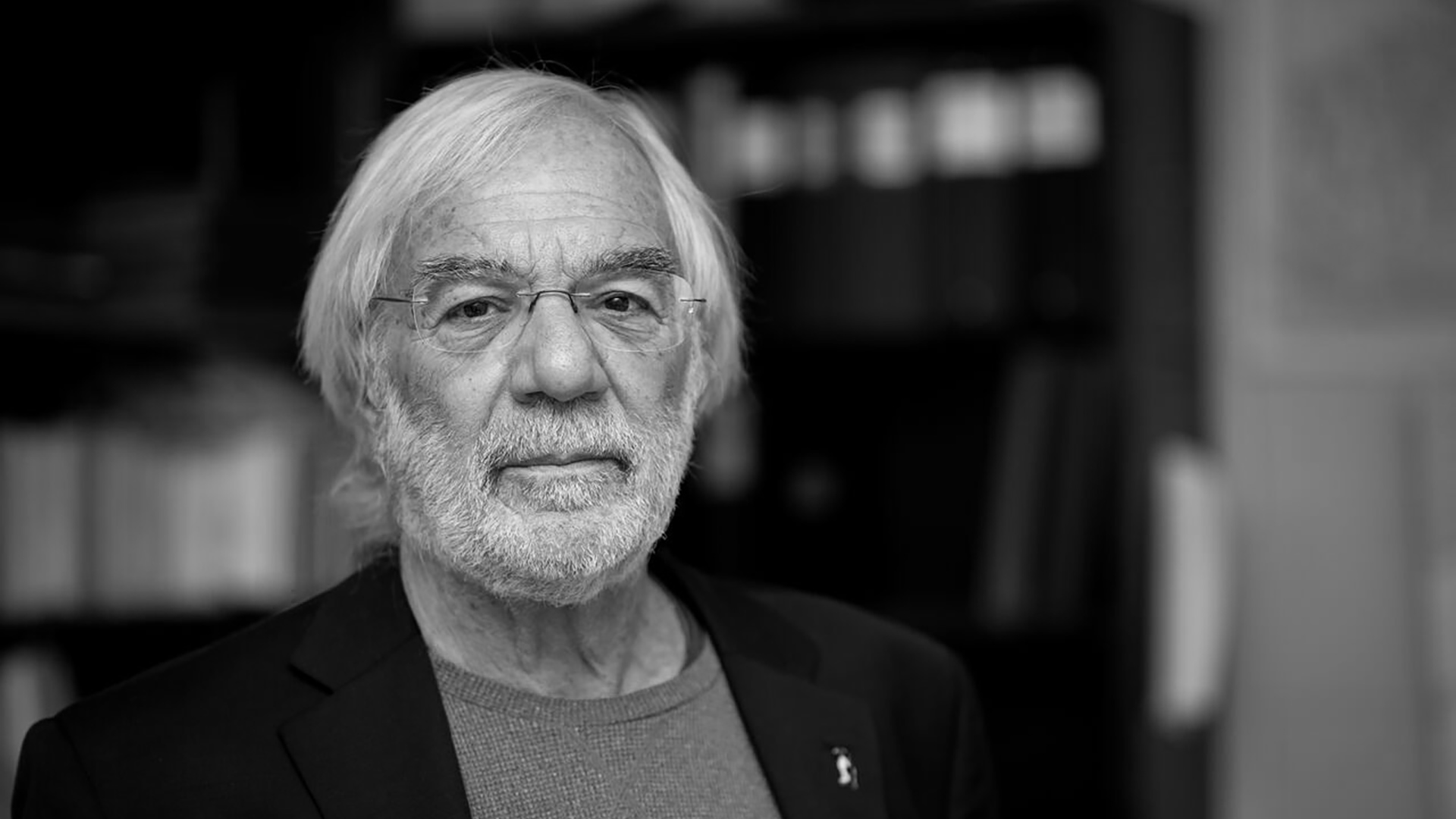
Bill Montevecchi spent more than five decades showing how seabirds could reveal changes in the North Atlantic, helping establish them as indicators of ocean health, fisheries, pollution, and climate change.Based at Memorial University in Newfoundland, he combined field research with public communication, believing scientists had a responsibility to explain their work beyond academic journals.His research informed marine conservation, fisheries management, and environmental policy, while his mentorship and interdisciplinary collaborations influenced generations of seabird scientists.Montevecchi approached birds as sources of evidence rather than symbols, arguing that careful observation and rigorous science offered one of the clearest ways to understand a rapidly changing ocean.
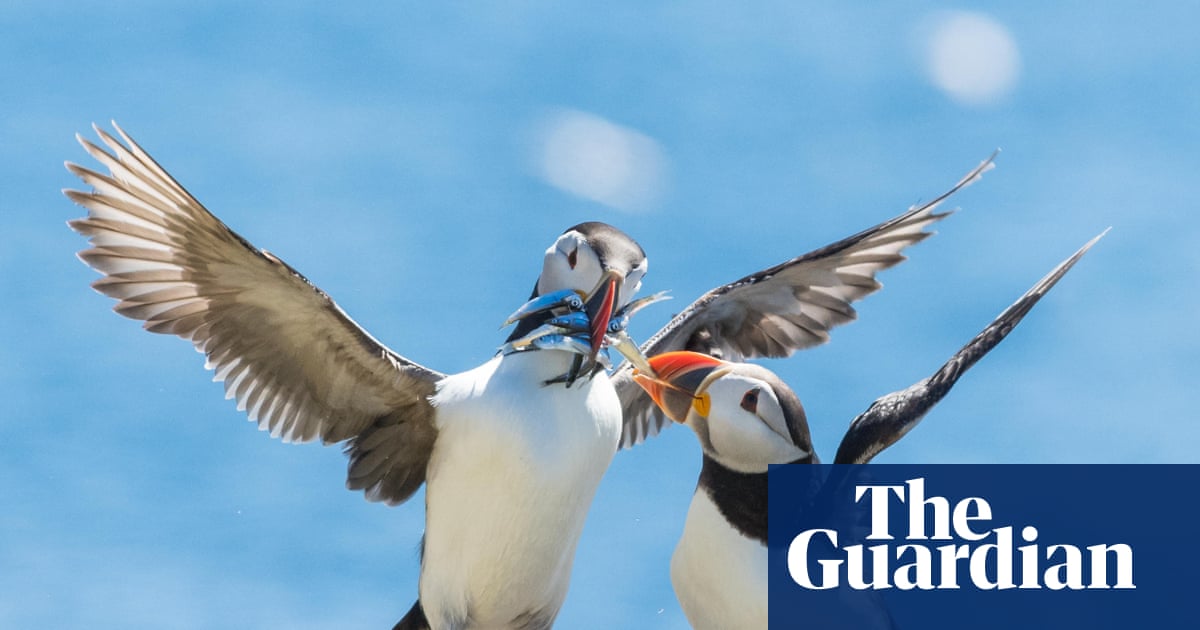
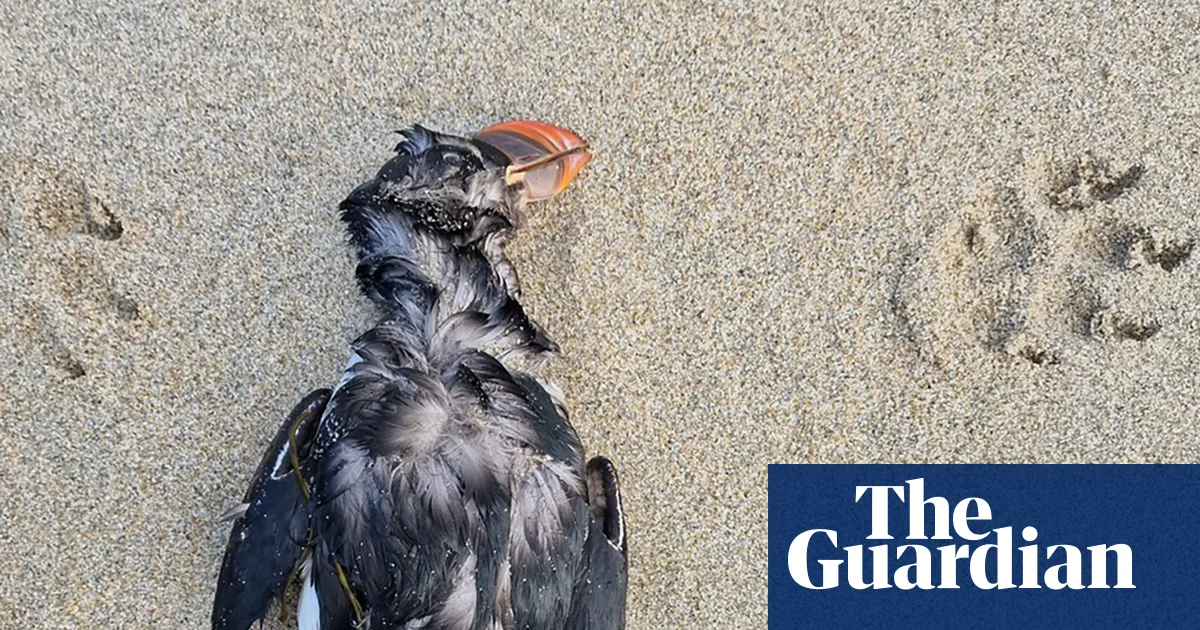
The North Atlantic can look empty until someone begins paying attention. A stretch of gray water off Newfoundland may hold only a few white specks at first glance. Through binoculars those specks become murres riding the swell, puffins carrying fish crosswise in their bills, or fulmars riding the wind above the waves. To Bill Montevecchi, these birds were never simply inhabitants of the ocean. They were observers of it. Their breeding success, feeding trips, and unexplained absences offered evidence about fish stocks, changing currents, pollution, and the state of an ecosystem that people could not otherwise see.