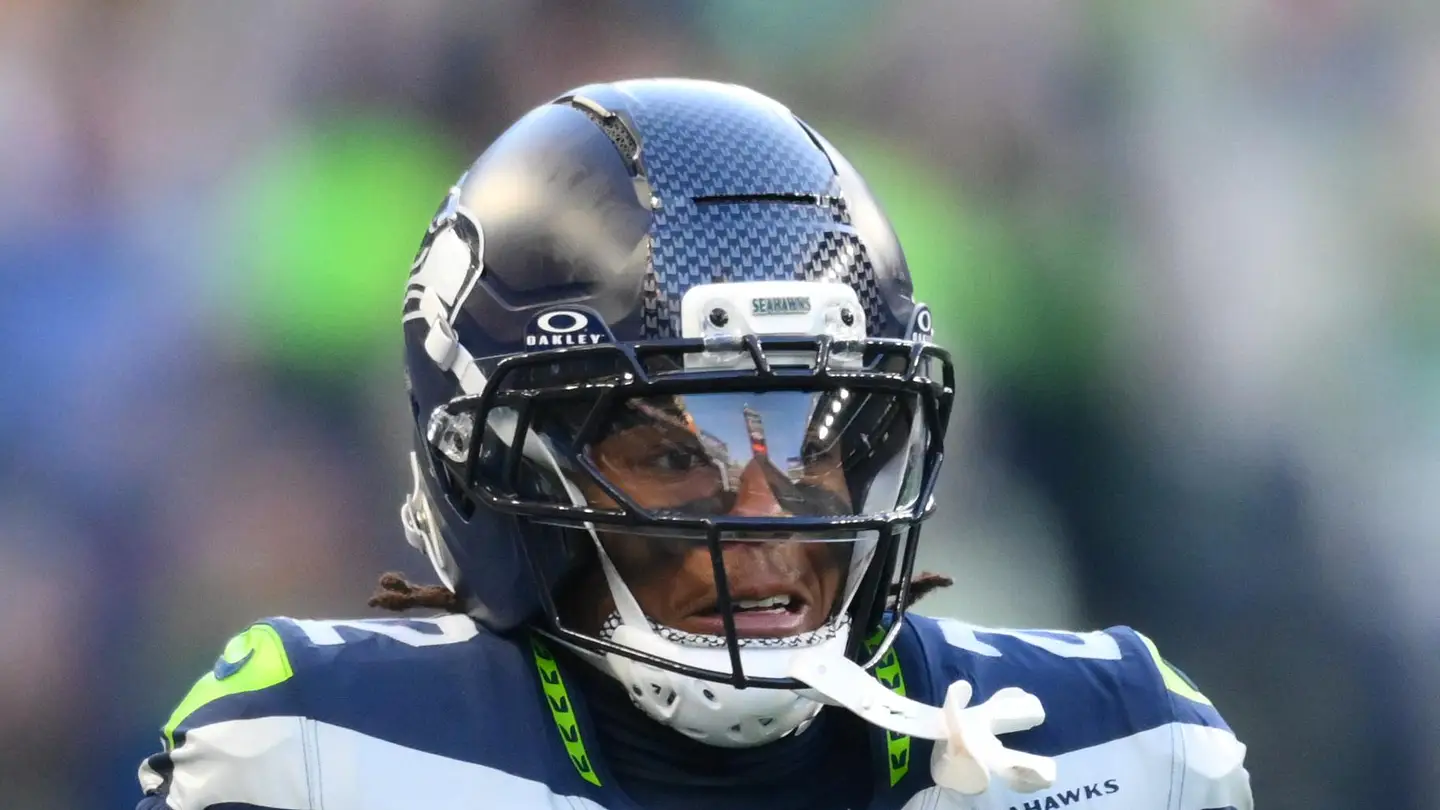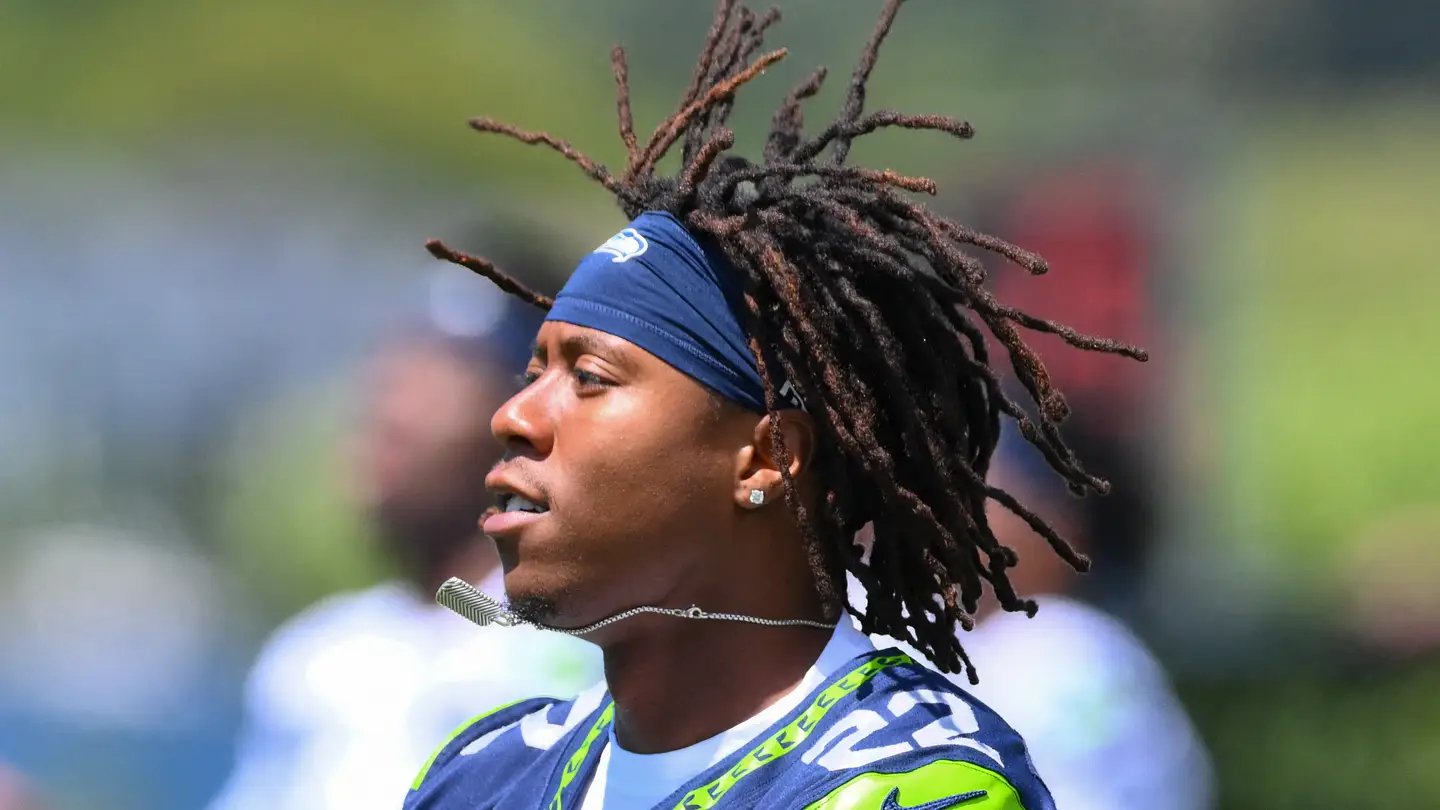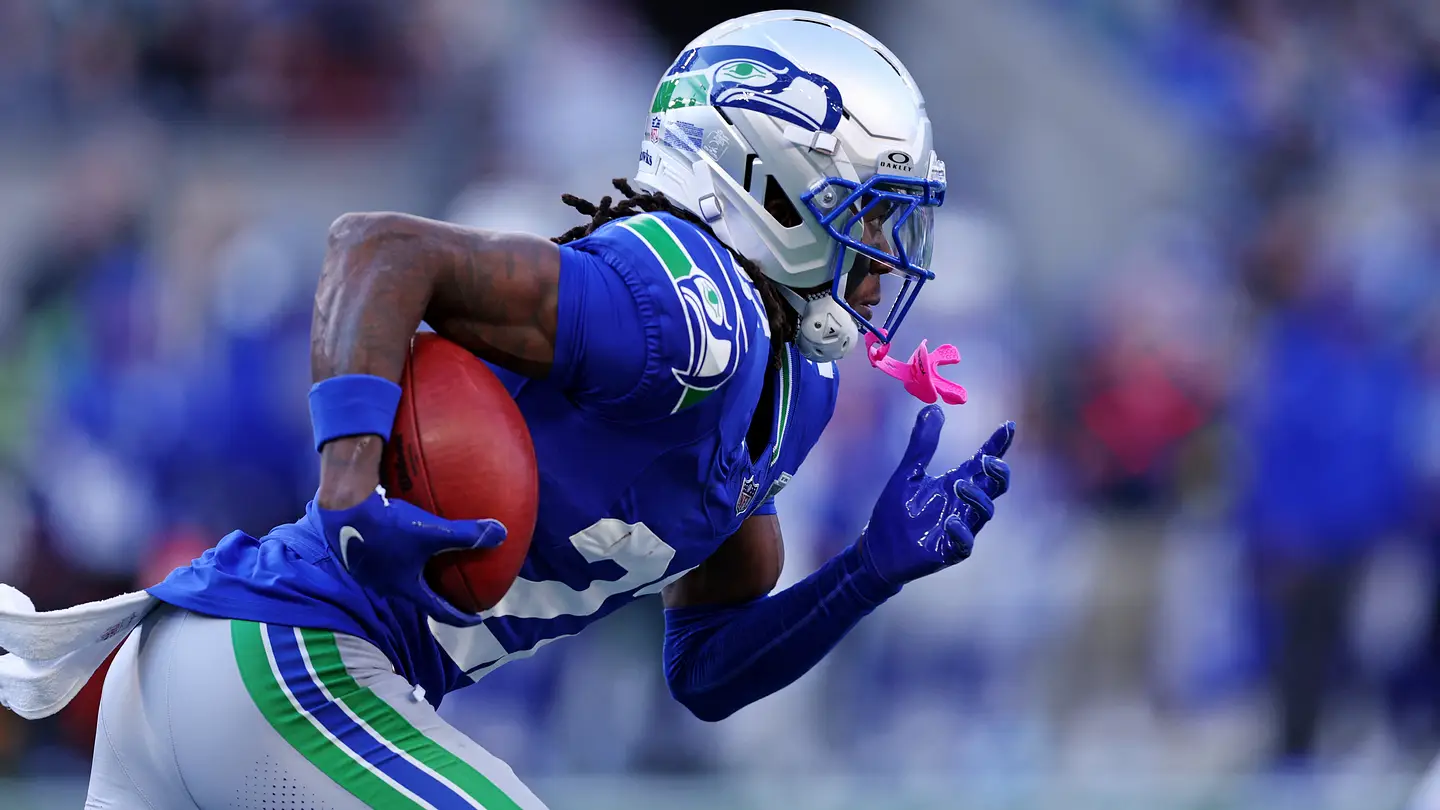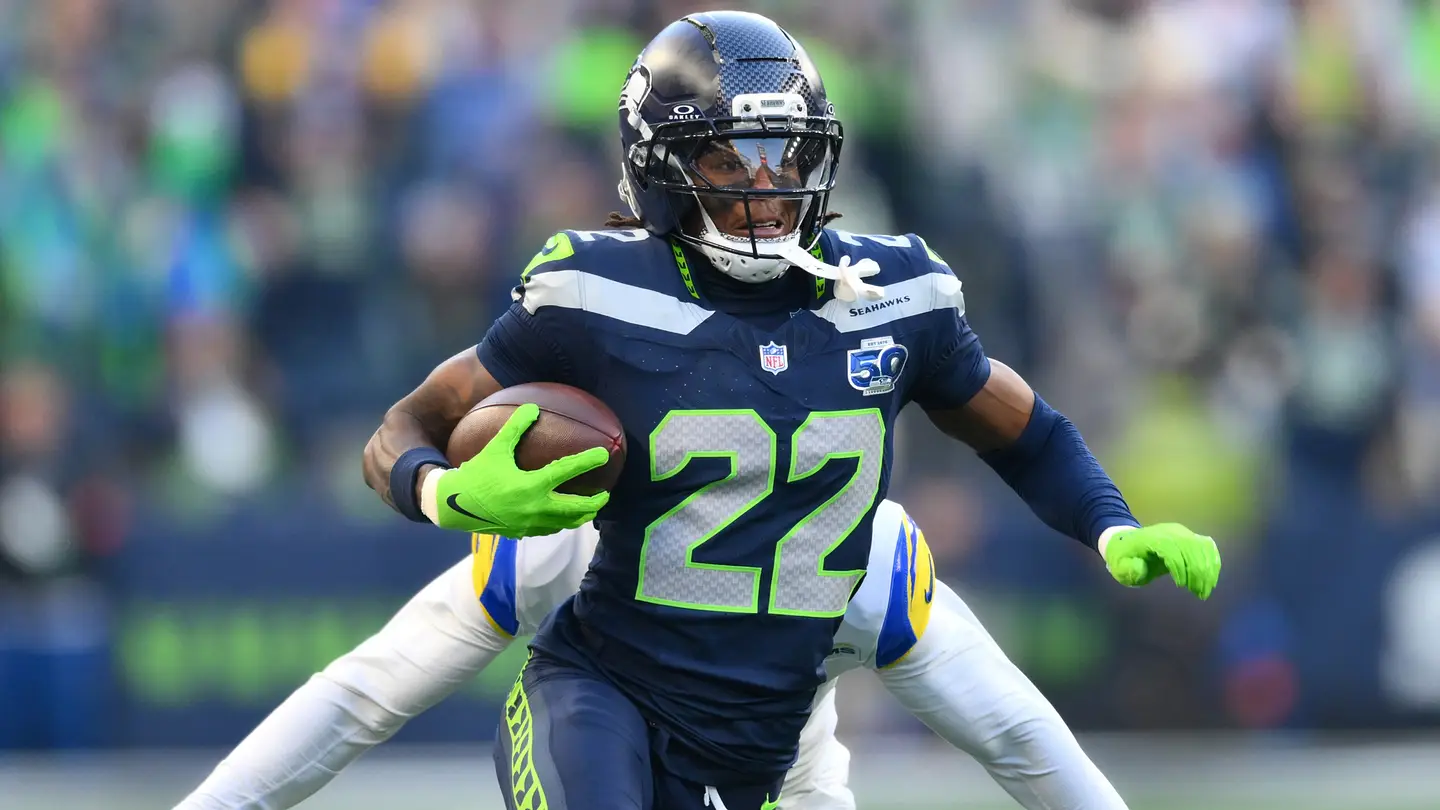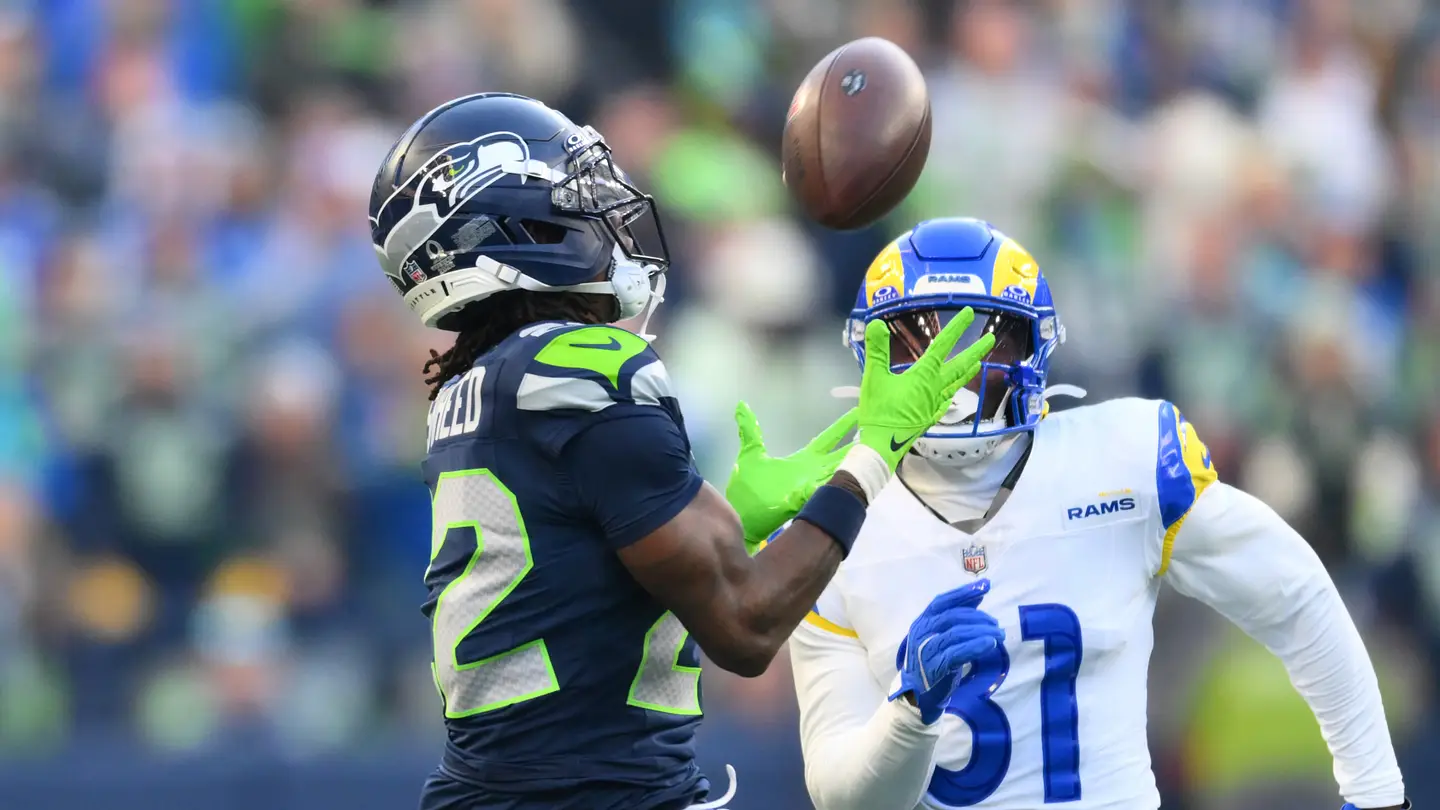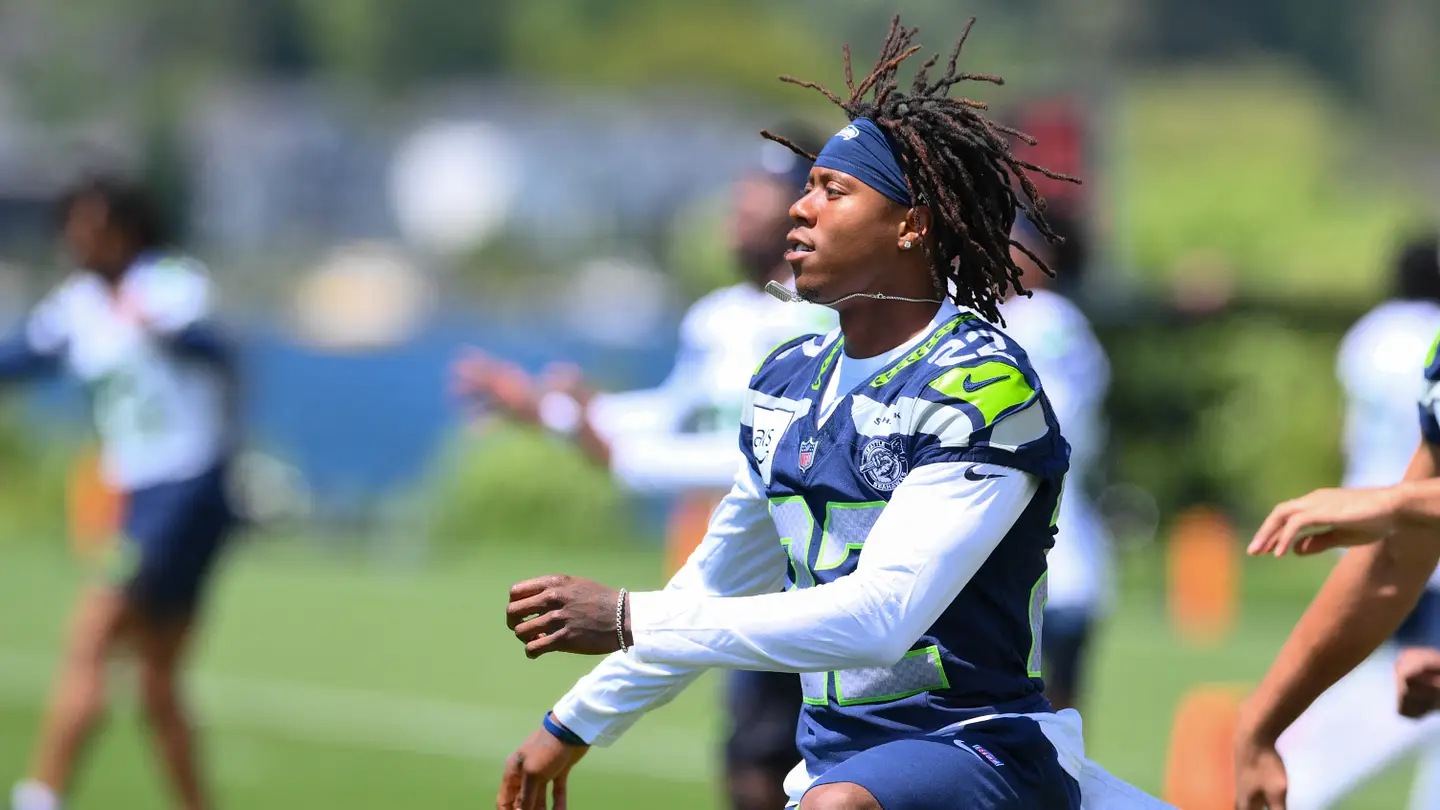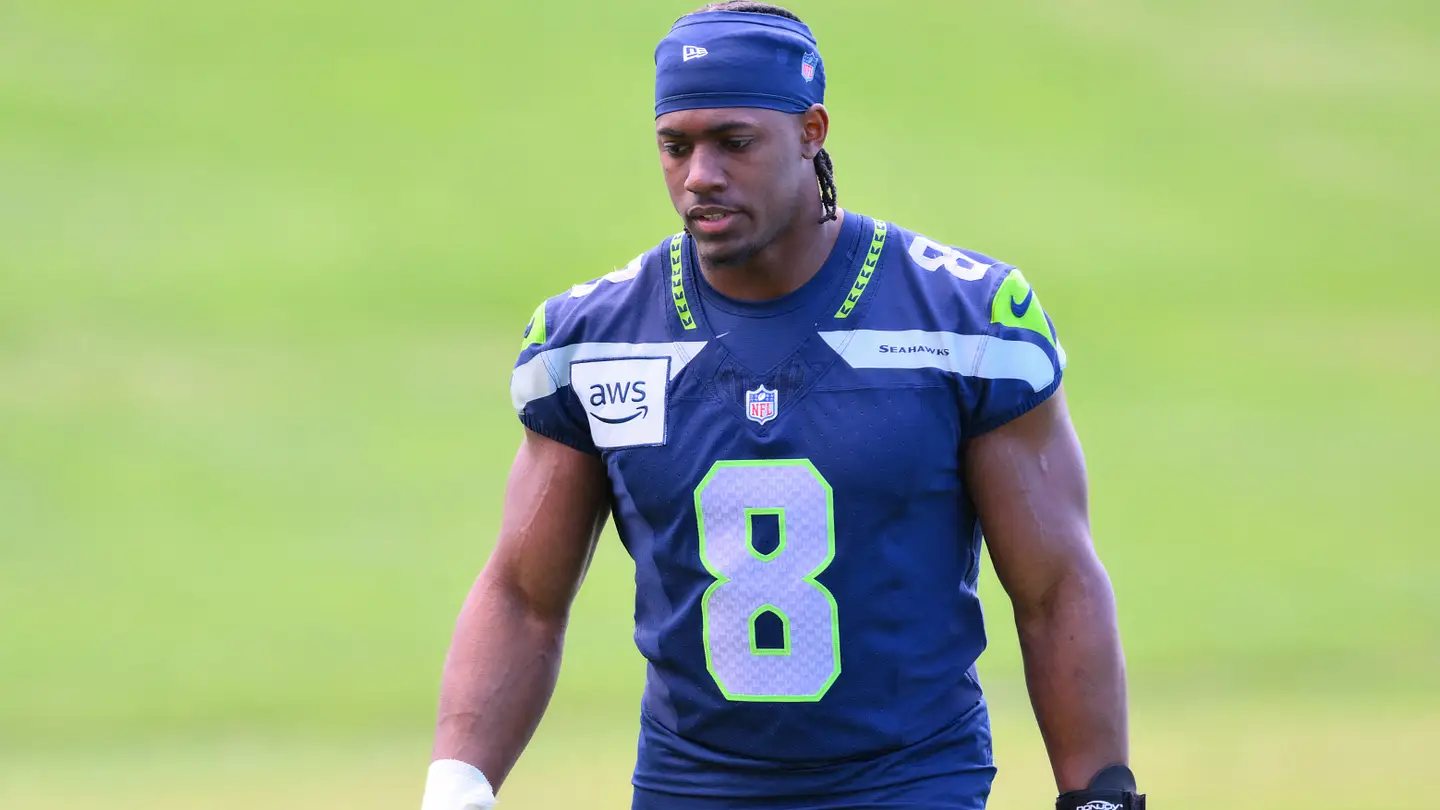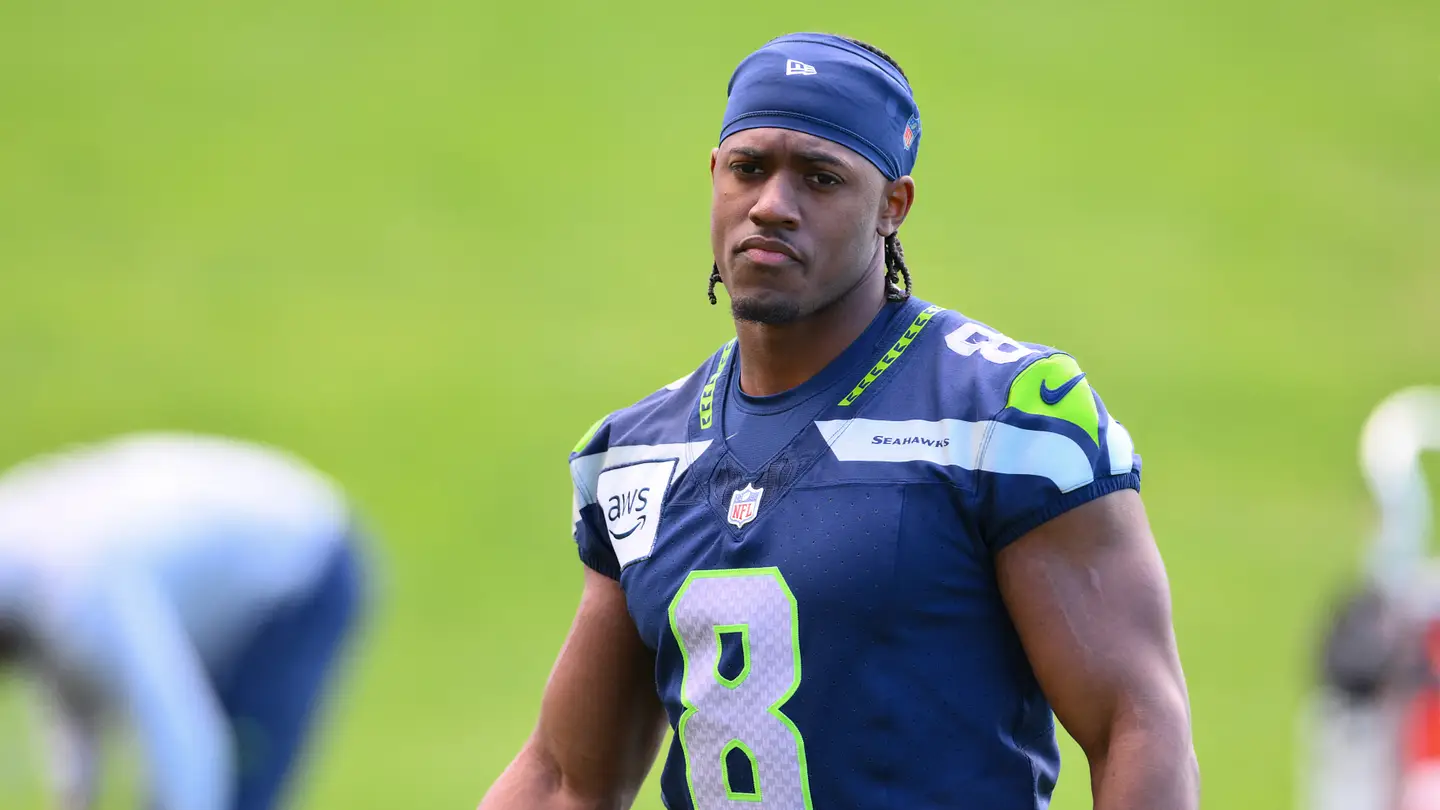
Seattle Seahawks NFL (Getty Images)The Seattle Seahawks already know Rashid Shaheed can change games on special teams. What remains uncertain is how much more they can ask from him on offense without reducing the impact that made him such a valuable addition. After signing Shaheed to a multiyear, $51 million contract following last season's Super Bowl run, Seattle enters training camp with a different challenge. The focus is no longer on whether he belongs in the offense. It is about finding the right balance between expanding his workload as a receiver and protecting one of the league's most dangerous return specialists.Why could Rashid Shaheed become a much bigger part of Seattle's offense?The Athletic recently identified Shaheed as Seattle's top breakout candidate for 2026, but the prediction is not built on the idea that he will suddenly become a classic No. 1 receiver. Instead, it reflects the belief that the Seahawks have yet to unlock everything he can offer within their offense.Seattle traded for Shaheed from the New Orleans Saints in November 2025, giving up fourth and fifth-round draft picks before committing to him with a long-term extension in March. His production after arriving was solid rather than spectacular. He finished with 15 catches for 188 yards across nine regular-season games while adding seven rushing attempts for 64 yards.Those numbers tell only part of the story.Shaheed brings a skill set that neither Jaxon Smith-Njigba nor Cooper Kupp fully provides. Smith-Njigba has developed into the focal point of Seattle's passing game, while Kupp remains one of the league's smartest route runners despite dealing with injuries over recent seasons.Shaheed stretches defenses differently. His speed forces safeties to respect the deep ball, creating more space underneath for teammates. Seattle also has the flexibility to manufacture touches through jet sweeps, motion and quick passes rather than relying solely on vertical routes. His 31-yard jet sweep late last season offered a glimpse of how dangerous he can be when the offense creates opportunities beyond traditional passing concepts.How does Brian Fleury's offense fit Rashid Shaheed's strengths?New offensive coordinator Brian Fleury inherits an offense that already suits Shaheed's strengths.After spending seven years with the San Francisco 49ers, Fleury has made it clear he wants his offense to be "fast, violent and aggressive." At the same time, he has stressed that he does not intend to abandon the foundation established under Klint Kubiak.That continuity matters.Shaheed already understands many of the movement-based concepts introduced by Kubiak, who also coached him in New Orleans. Instead of rebuilding his role, Fleury can expand it by placing him in more creative situations before the snap.Although Seattle's depth chart lists Shaheed behind Cooper Kupp at one receiver position, that designation may not accurately reflect his weekly impact. Modern offenses depend less on static alignments and more on creating favorable matchups through motion and personnel groupings.If Fleury regularly deploys Shaheed alongside Kupp and Smith-Njigba, Seattle gains another way to stress opposing defenses without dramatically changing its offensive identity.Should the Seahawks reduce Rashid Shaheed's return duties?A larger offensive role naturally creates another question that could shape Seattle's season.In 12 appearances, including the playoffs, Shaheed returned three kicks for touchdowns, highlighted by a 95-yard kickoff return that set the tone in Seattle's divisional playoff win over San Francisco. Few players in the NFL offer that kind of game-changing ability on special teams.At the same time, asking him to handle a growing offensive workload while continuing as both the primary kickoff and punt returner carries obvious risks over a full 17-game season.Seattle's coaching staff now faces a difficult choice. Removing him from return duties would take away one of the team's biggest weapons. Leaving everything on his plate could increase wear and limit his availability when games matter most.That decision may ultimately define Shaheed's season as much as his receiving numbers. He does not need to reach 1,000 receiving yards for the breakout label to fit. If he becomes a dependable third option, consistently creates explosive plays and continues forcing defenses to account for his speed, Seattle's investment will already look justified.
Seahawks face a $51 million Rashid Shaheed dilemma that could reshape their receiving corps before training camp
The Seattle Seahawks already know Rashid Shaheed can change games on special teams. What remains uncertain is how much more they can ask from him on offense without reducing the impact that made him such a valuable addition.
674 words~3 min read