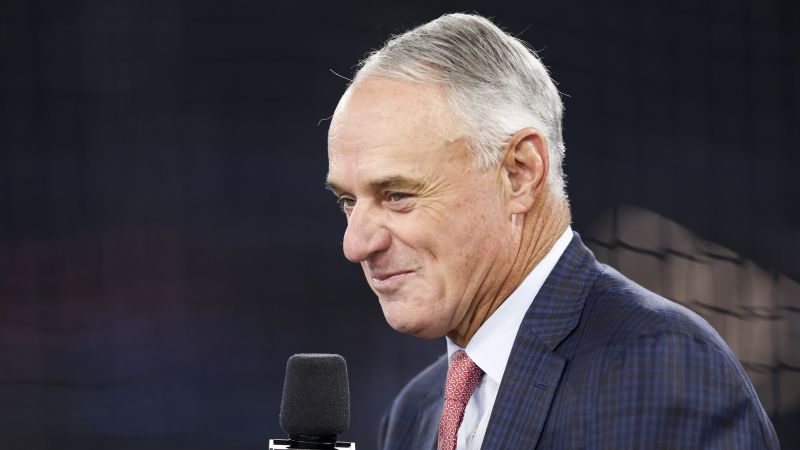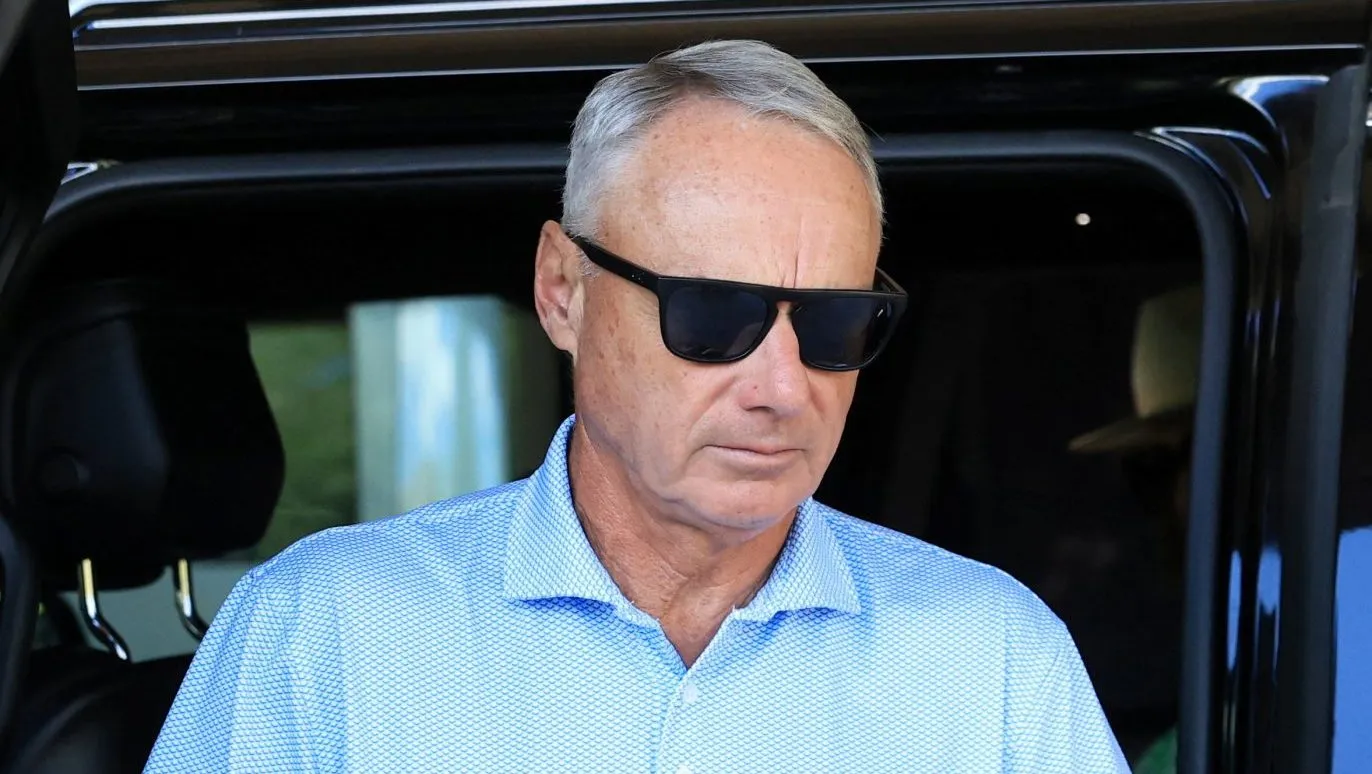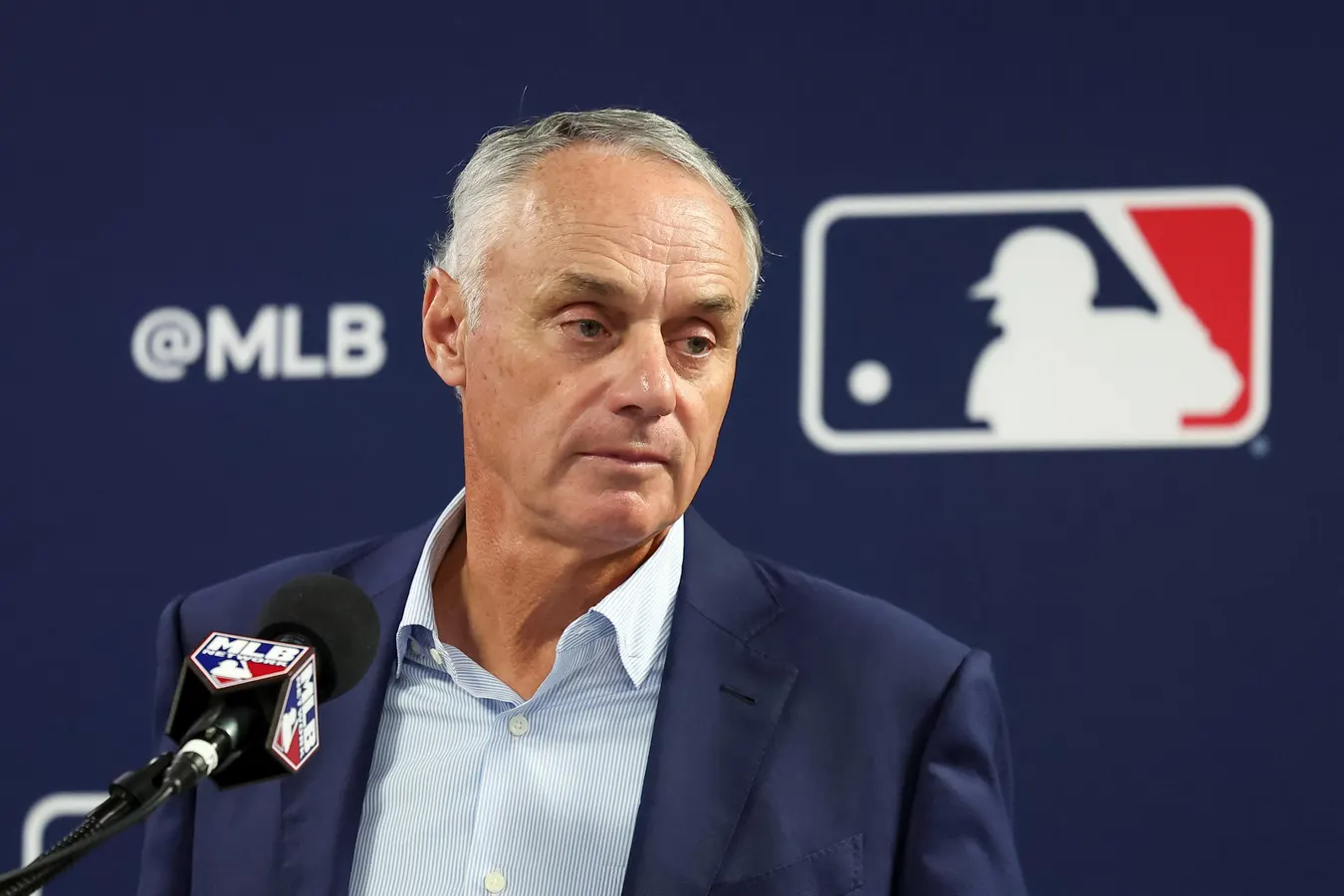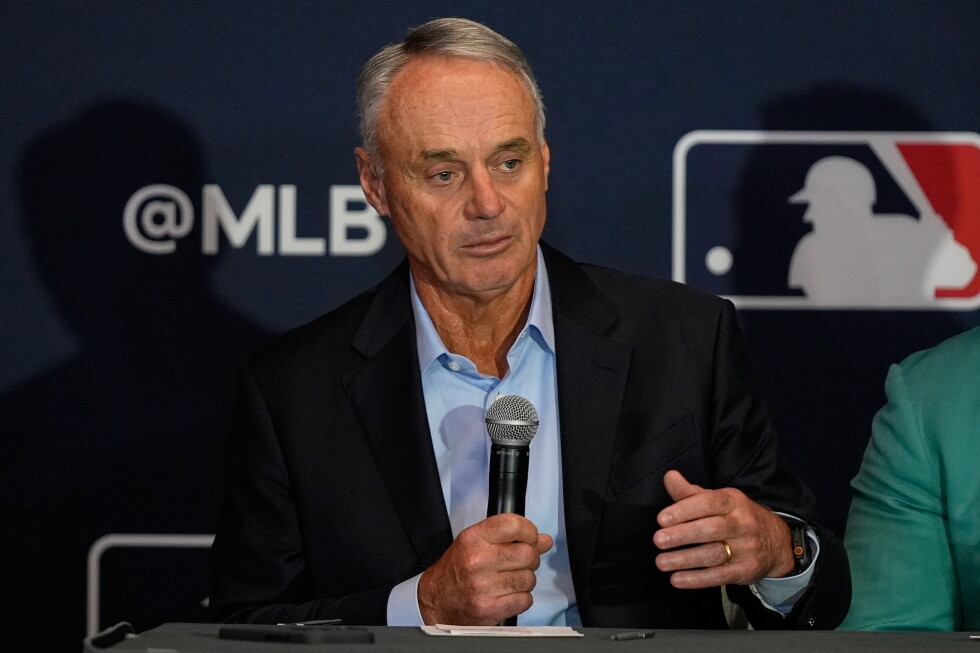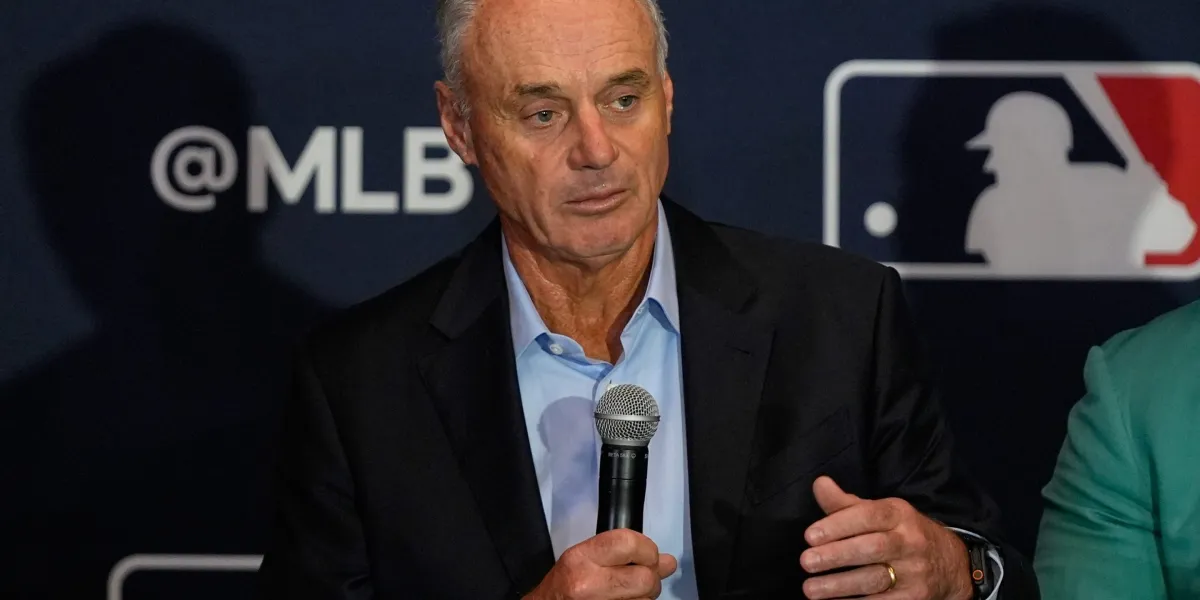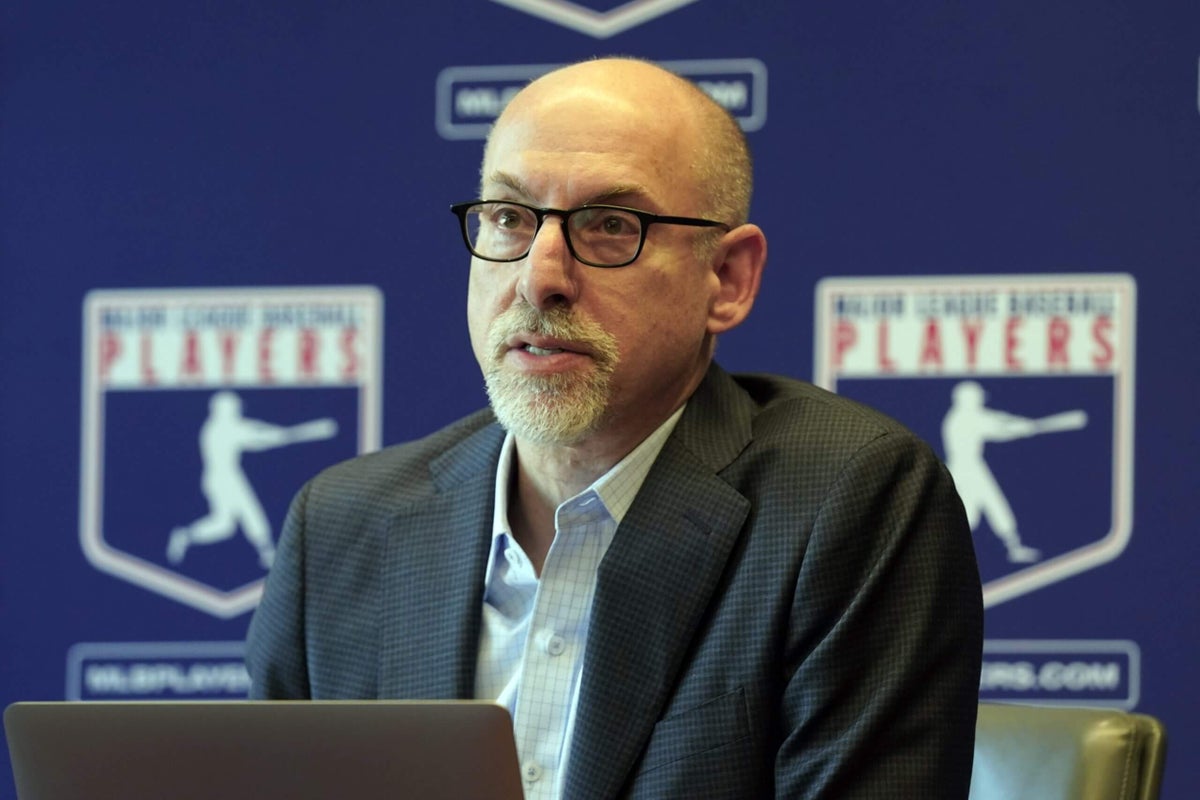
PHILADELPHIA — To commissioner Rob Manfred, baseball’s owners are more resolute today than they were even during the 1994-95 strike, which lasted a grueling 232 days.During that dispute, the owners ultimately caved on a salary cap, a system they are still trying to impose some 30 years later. But the commissioner’s suggestion that owners are even more unified now is nonetheless a loaded statement: an intimation that this go-around, the league might be willing to fight for an even longer time to get what it wants.“I do know this: I think that I have an ownership group that is more united than any group in my entire time in baseball,” said Manfred, who started working with MLB as outside counsel in the late 1980s. “I think they are a group that believes in what I have been arguing for, and that is listening to our fans, trying to make changes to produce the best possible game that we can produce.”Of course, both players and owners alike are incentivized to publicly project strength, and only strength, during collective bargaining. Such is the nature of a labor negotiation.“Our union, the MLBPA, has been the most successful of the unions in professional sports,” said interim union head Bruce Meyer, who, like Manfred, spoke to members of the Baseball Writers’ Association of America on Tuesday prior to the All-Star Game. “The other unions look to the MLBPA. I sometimes get asked about a salary cap, ‘Why does baseball not have one? Why is it the only one that doesn’t have one?’ The answer is very simple. It’s because our union has been the strongest.”Between now and the time that the players and owners finally work out a new labor deal, whenever that might be — the current one expires in December, when a lockout is likely to begin — a lot of the same talking points will come up again and again.Manfred and Meyer again spent a lot of time on Tuesday on the state of competitive balance in the sport. Manfred thinks it’s broken, Meyer doesn’t. But a few nuggets came out that at least had the appearance of being fresh additions.More than once, Manfred tried to lean on the value of change, painting himself as the tip of the spear guiding baseball into a new era. The players for years have resisted a cap. But that alone, he said, should not deter his effort.“This is an interesting thing. It has always puzzled me why people think because one side to a negotiation says, ‘I’m opposed to this,’ that ought to take it off the table,’” Manfred said. “You know, 40 years ago, 50 years ago, just like the beginning of the salary-cap opposition, you had owners who said, ‘I’m never going to play a player a million dollars.’ Well, that doesn’t mean it’s not going to happen in a changed world. So that’s a very puzzling thing to me.”Manfred also pointed to perhaps the most prominent feather in his cap over his 11-plus years leading the owners, the pitch clock, as a reason why he and the owners should be trusted with other changes. The league is having “another good year” in attendance and ratings, he said.
The union and the league puffed out their chests before the All-Star Game. Here’s what stood out
Both players and owners alike are incentivized to publicly project strength, and only strength, during collective bargaining.
1,243 words~6 min read