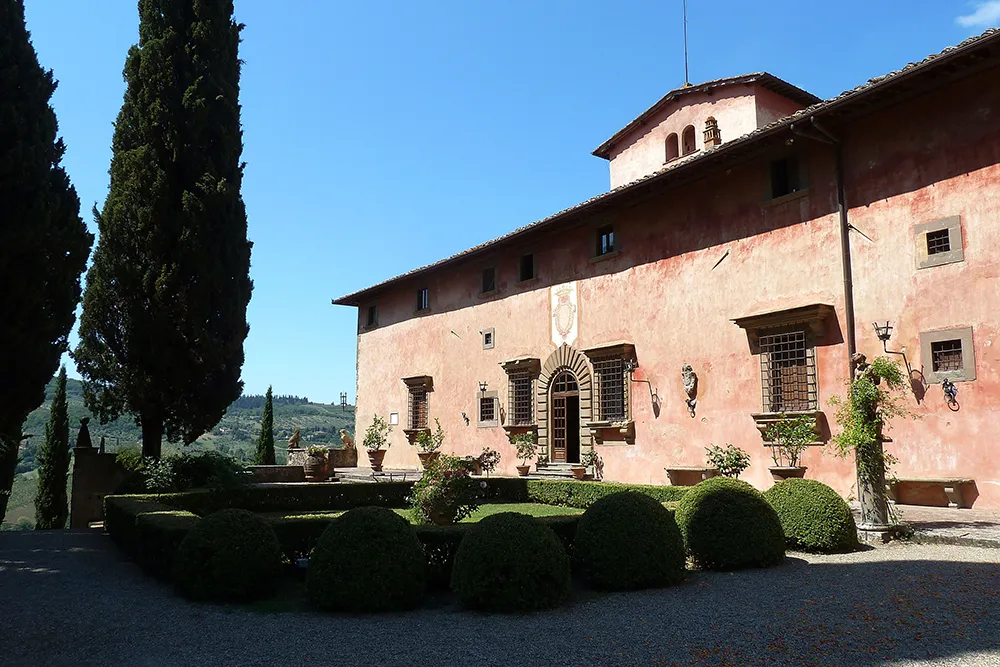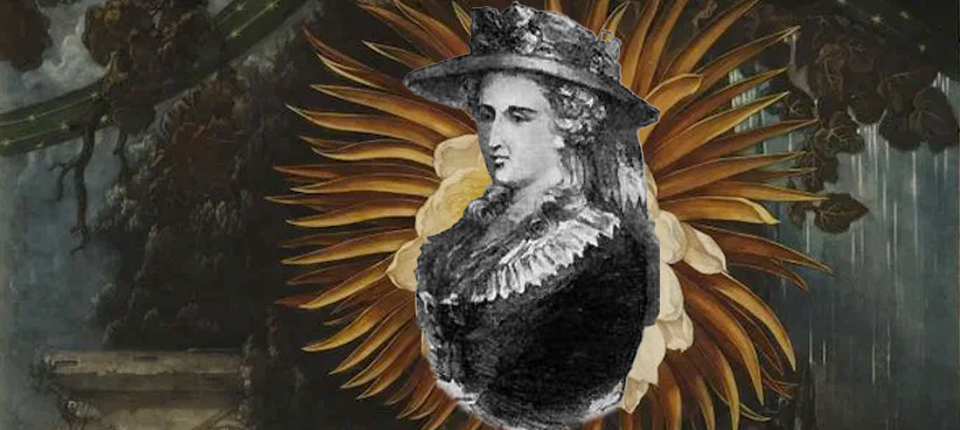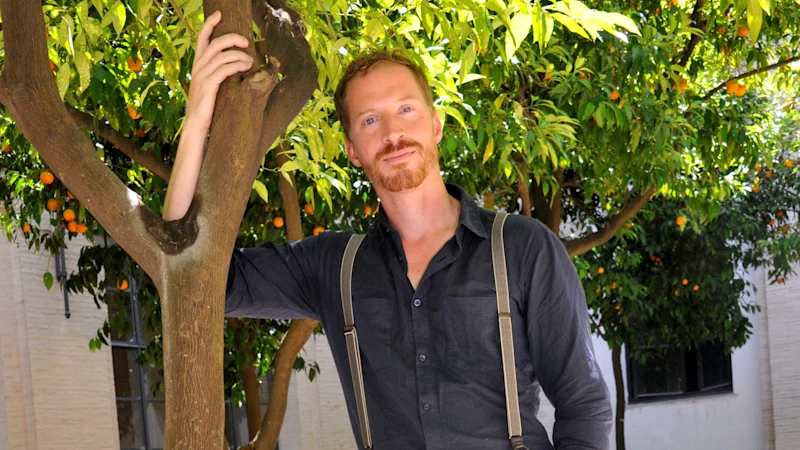
Helen ElliottJuly 15, 2026 — 11:11amAlways read the epigraph before you start a novel. It’s the author giving you stage directions and a 20-word epigraph might save you 80,000 words of reading. This isn’t the case with the epigraph to Villa Coco: “The trick to life is knowing what you want”. These immortal words are from the long dead lips of Princess Maria Augusta of Saxony.Portraits show her to be clever, warm and happy. She never married and died in 1863 at the age of 80. That epigraph made me want to quarter an apple, fold-up on the sofa, and turn to chapter one. Too old-fashioned? Well, apart from the updated sex, Villa Coco is old-fashioned, a homage to the 1920s and 1930s. Order a sofa.Novelist Andrew Sean Greer.Corbis via Getty ImagesAndrew Sean Greer won the Pulitzer Prize in 2018 for Less, his endearing comic novel about an ageing gay writer called Less. Some wit neatly observed that it is the only novel where a gay man is allowed to age. The Pulitzer established Greer, although he had written five critically well-received novels before Less. Greer divides his time between San Francisco and Venice, Italy.In Italy, he has spent time running a writers’ retreat with some Italians who might, or might not, figure in his new novel, although he airily suggests that this is a fictionalised world. He’s right. Italy itself is fictionalised to the hilt these days. Probably always has been. Photo: Villa Coco is set entirely in Italy, and peopled entirely by Italians except for the young ingénue, male, who is the narrator. Greer does an unusual thing in this novel, even before the epigraph.“My Dear Reader”, he writes on the left-hand page opposite the dedications, “Whatever happened to the ‘charm novel’? You know, the kind of warm and funny story packed with characters and incident and description … a book to reread yearly as balm to the soul.”I don’t know about re-reading yearly; comedy is as susceptible to fashion as anything else, but Villa Coco does provide some of that particular erudite balm to the soul found in Nancy Mitford, Barbara Pym, Stella Gibbons. It also has the elusive tone of the deeply -mourned Edmund White. Is it the tone of the enchantment of kindness? Greer and White share the same charm, which has a lot to do with knowing and seeing everything but not judging.The plot, hardly a plot because it is as discursive as Proust, is this; around the turn of the millennium a very young man arrives straight from his American university to take a three-month job as an archivist/cataloguer/something in a villa in the hills north of Tuscany.He’s running away from his life, a “college carnival of flesh” according to him and, really, he just wants a rest. He will “not fall for some black-haired, half-shaved stranger leaning on a pitchfork in an olive grove” but cultivate his mind and tend the garden there. Of course.And of course within the first few pages “Our Young Man” is confronting an entire comedy of misunderstandings. Greer is delicious in his wordplay. The young man is, for instance, picked up at the little Tuscan station by a man who doesn’t speak English, who thinks “Our Hero” is called Thursday and who calls the car a Mishu-Bitchy. So the young American becomes Giovedi, Thursday – this is also a play on an ill-translated telegram – and the longer joke is, for those who care, about a Man Friday. His real name is kept until the last pages.Of course Giovedi falls in love with a beautiful, happily married Italian man who reciprocates his love and they have some wonderful days together exploring Italy as it was 30 years ago. The sweetness of it is reminiscent of the film, not the novel, Call Me by Your Name. There’s a cast who are all rather old, some even ancient and terribly vague. The Baronessa, Coco, whom our young man is assisting in so many ways, shady and otherwise, that he would not think possible, is in her 90s, and her wry, less mysterious neighbour, Estelle is not far behind. There are some adorable older men as well, impeccably well-dressed and who like to reminisce, a la James Hamilton Paterson, about the shepherd boys who were always to be found in idyllic settings on the hilly pastures. In those days, the weather was always delectable. And there are the comic retainers on hand for farce, which they do with aplomb.Well, the entire novel is done with Greer aplomb. Sarah Winman, who wrote the excellent Still Life, has called Villa Coco “Absolute joy”. I found it ridiculous, delectably silly, but witty fun. Specialised at times; Edmund White, currently beaming down from heaven, would approve.Villa Coco by Andrew Sean Greer is published by Sceptre ($35).What else is happening in the book world?This novel has plenty of sex - but it’s far more than a racy read.Can’t get published by the Big Five? Win a major prize instead!Here are five thrilling and chilling new novels to keep you up at night.Our critic shares 10 of the best audiobooks of 2026 (so far)From our partners
This novel is ridiculous, delectably silly – and a sheer joy to read
The epigraph alone made me want to quarter an apple, fold-up on the sofa, and turn to chapter one.
860 words~4 min read