Audio By Vocalize
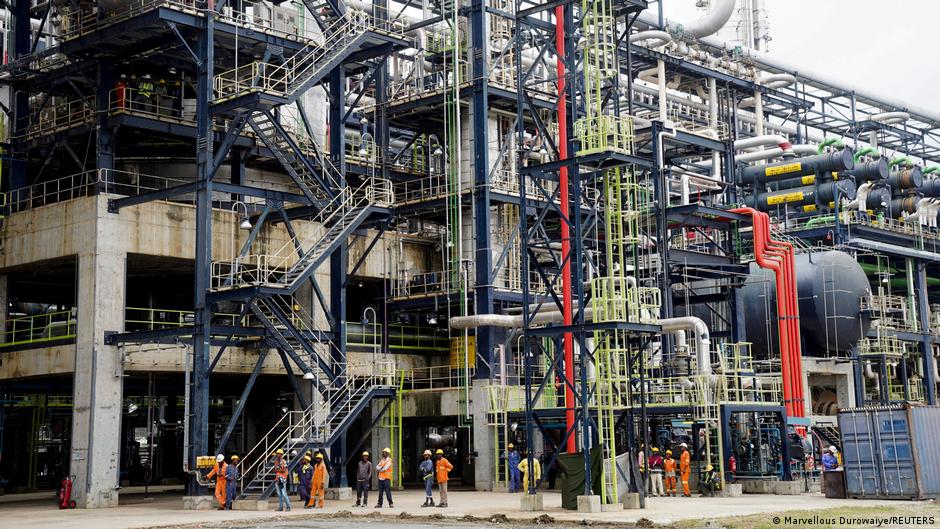
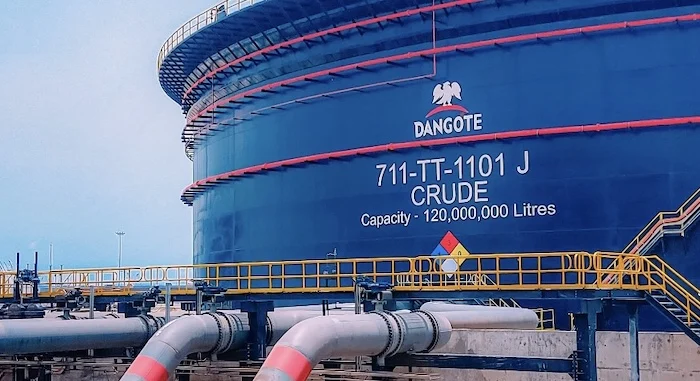
Aliko Dangote's proposed East African mega-refinery, estimated at USD15 to 17 billion, has set off intense debate in regional boardrooms. One question dominates: If Tanzania hosts the newly completed East African Crude Oil Pipeline (EACOP) from Uganda, why did Dangote pick Kenya over Tanga?
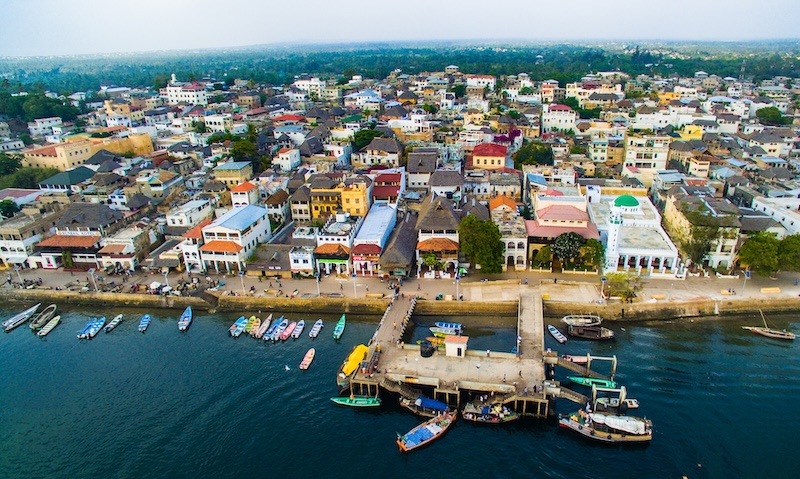
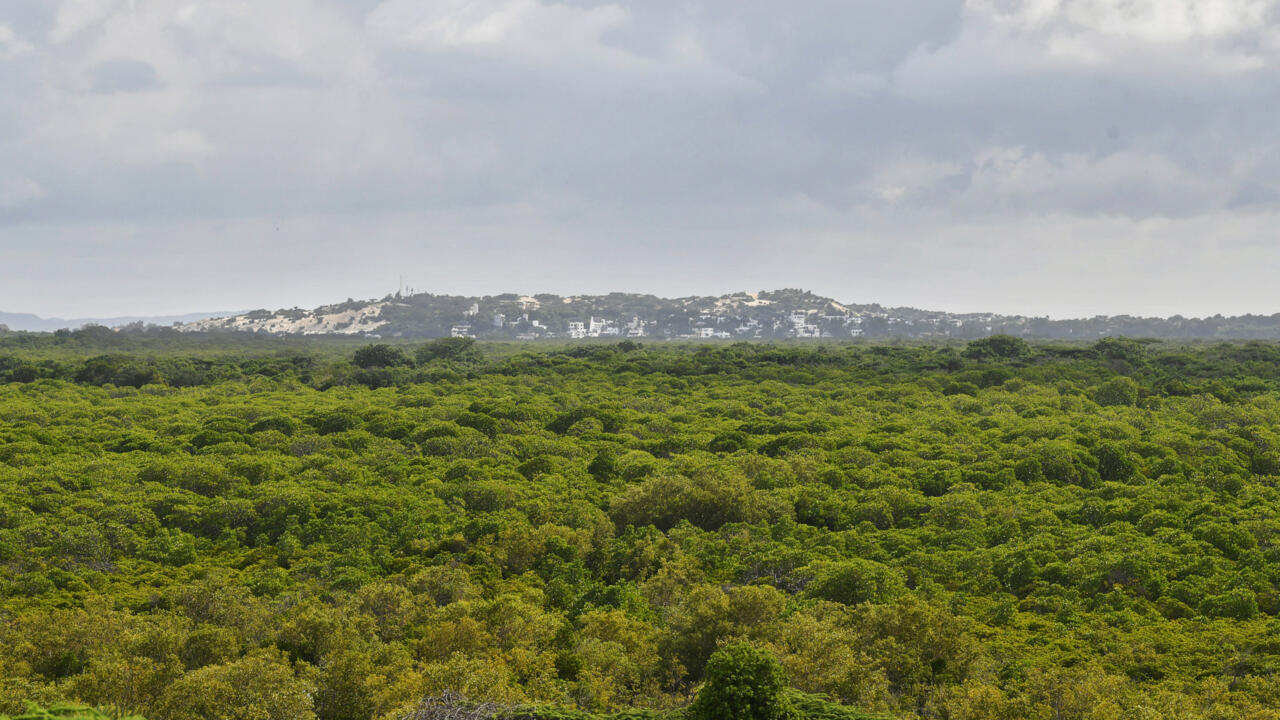
To the casual observer, proximity to crude looks decisive. It is not. In modern refinery economics, market depth, land capacity, and logistical speed consistently outvote raw upstream resources, and on the numbers, the strongest site in East Africa is neither Tanga nor Mombasa. It is Lamu Port, at Kililana.
Start with the illusion of proximity. The 216,000 barrels a day flowing through EACOP are contractually committed to the pipeline's backers, principally TotalEnergies and China National Offshore Oil Corporation (CNOOC), and destined for international markets.
Dangote could not tap that stream without unpicking multi-billion-dollar contracts. Ugandan crude is also so heavy and waxy that it requires the world's longest electrically heated pipeline just to keep flowing. And Uganda is, in any case, building its own 60,000 barrels-per-day refinery at Hoima, serving domestic demand at the source.