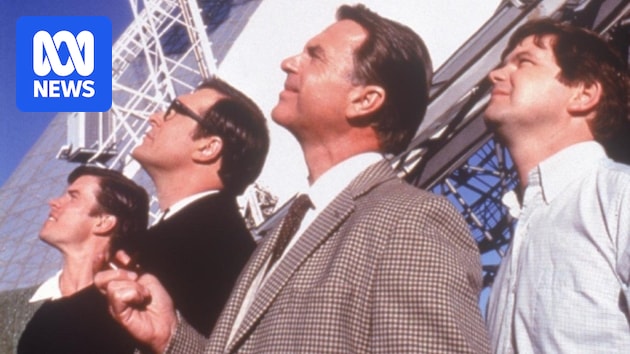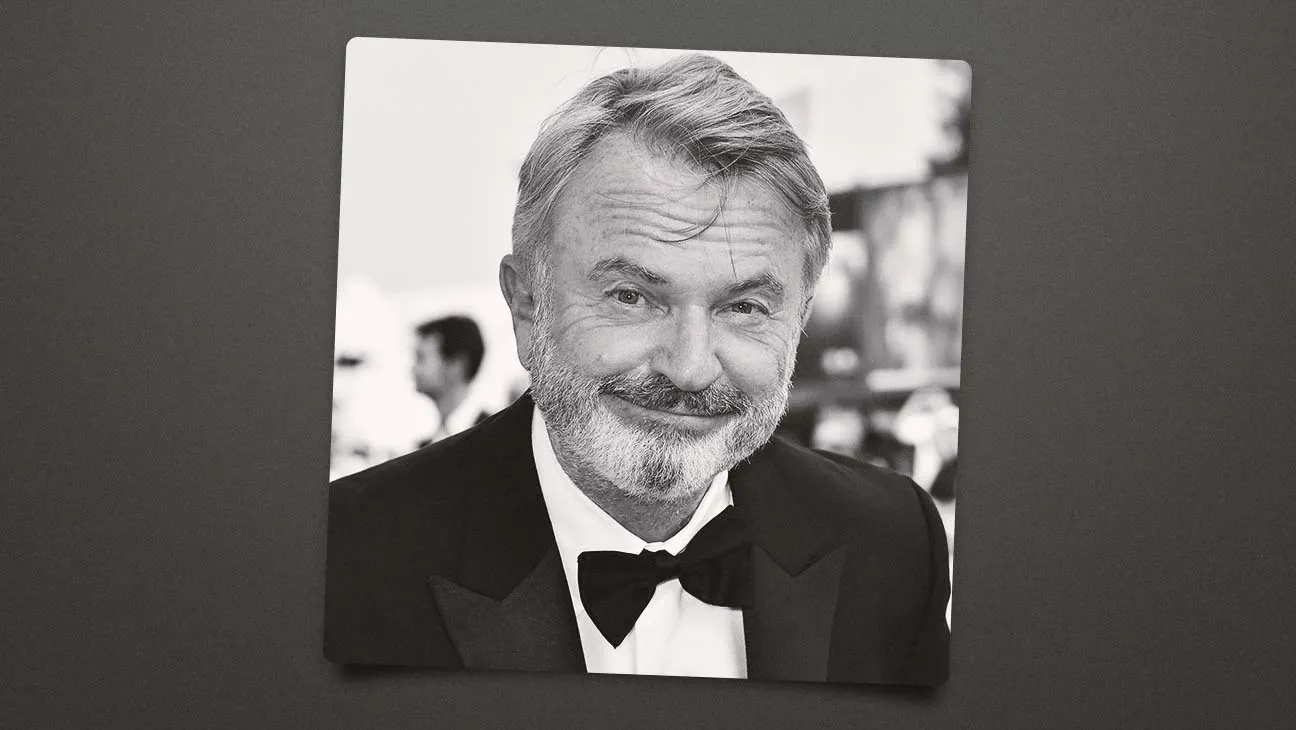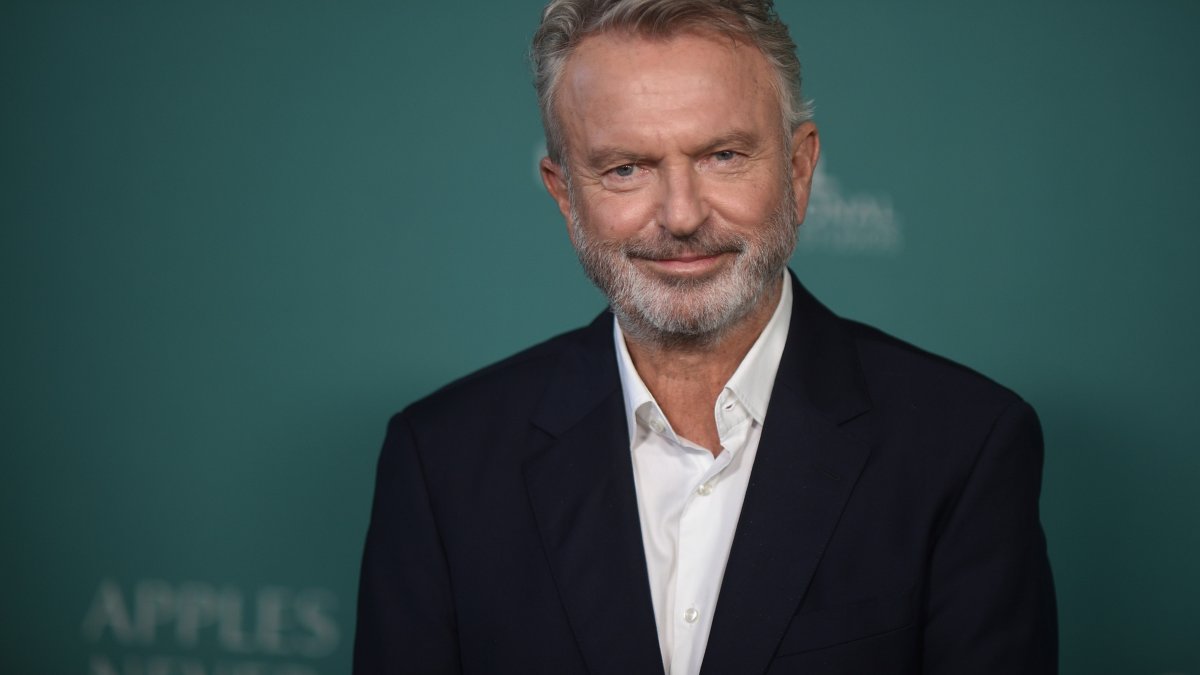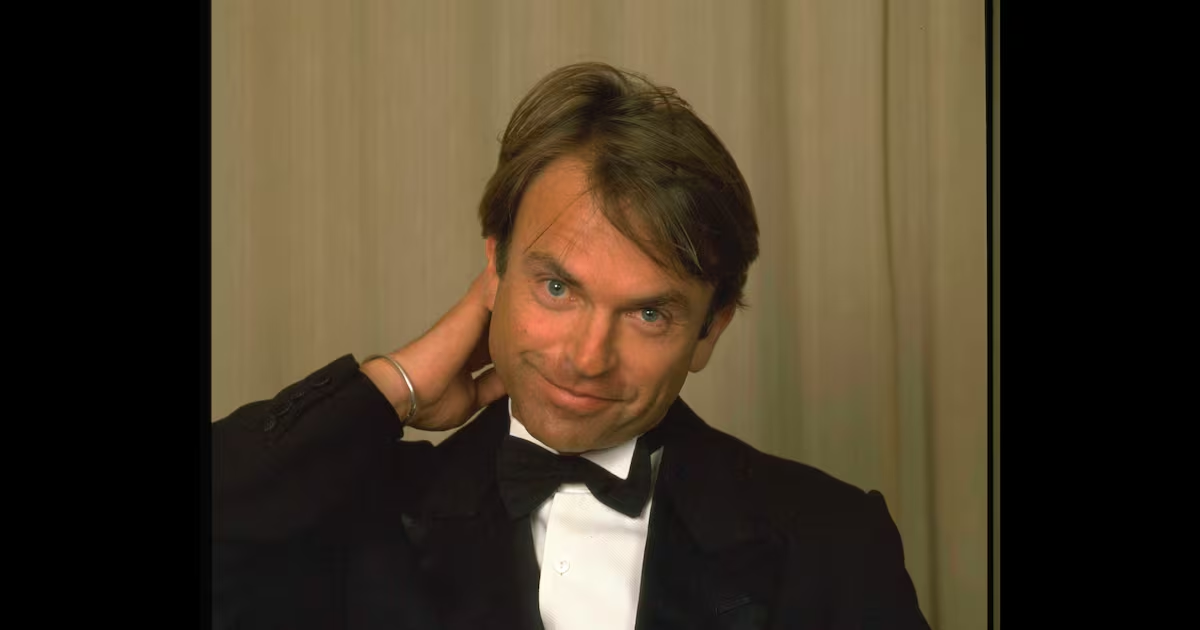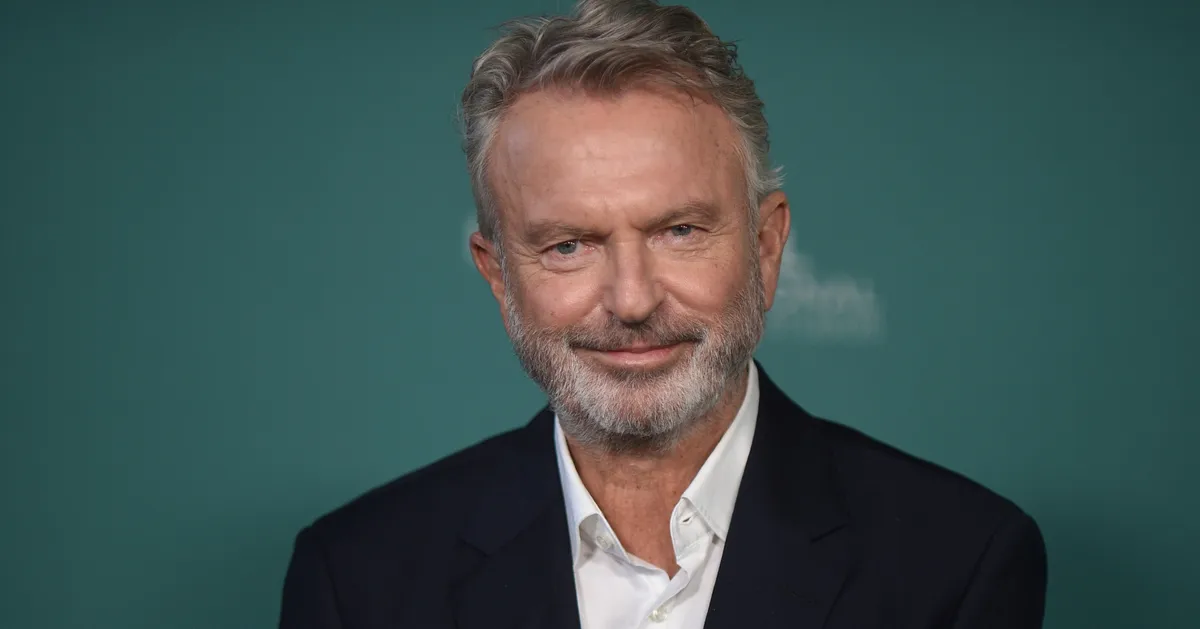
Sam Neill had been steadily working in the movies for nearly two decades before he became, at the age of 45, a star in the industry’s eyes. A sturdy, reliable everyman who radiated, depending on the role, a kind of quietly masculine decency or a steely chill, the New Zealander never chased the flashy, all-guns-blazing lead roles. Indeed, through the early years of his career, he did much of his best work as a selfless supporting pillar for various female tour de force turns: Judy Davis in “My Brilliant Career,” Isabelle Adjani in “Possession,” Nicole Kidman in “Dead Calm” and Meryl Streep in “Plenty” and “A Cry in the Dark.” His performances in all those films were intelligent, carefully etched and modulated so as to throw all the spotlight on his co-star; if he wasn’t yet a household name, that very humility had him much in demand.
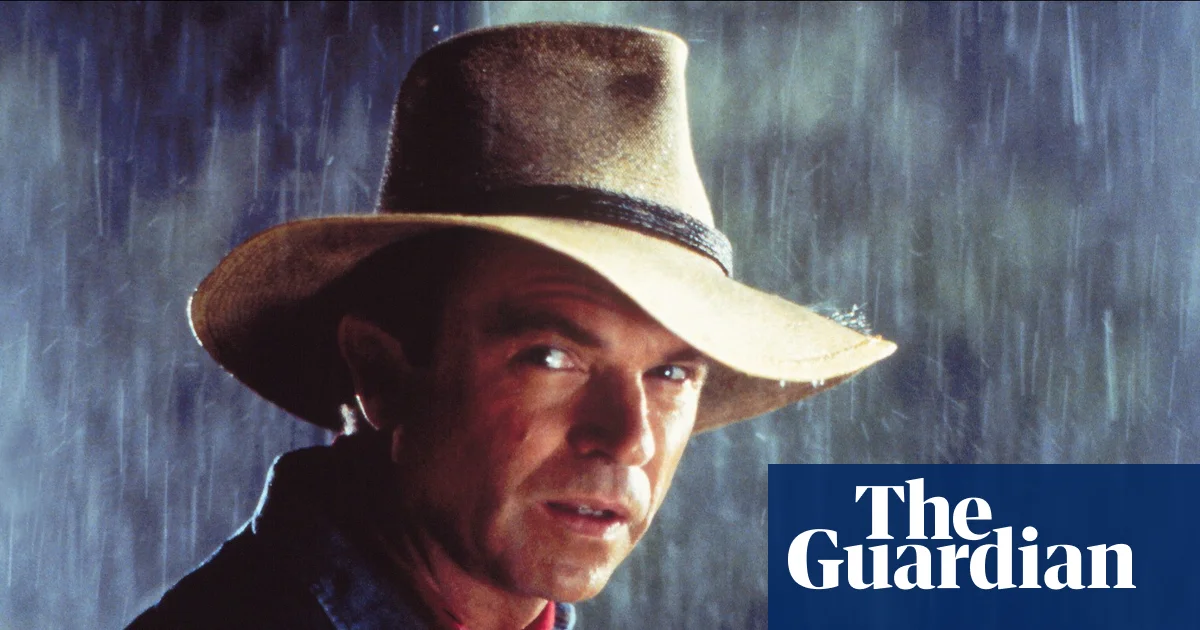
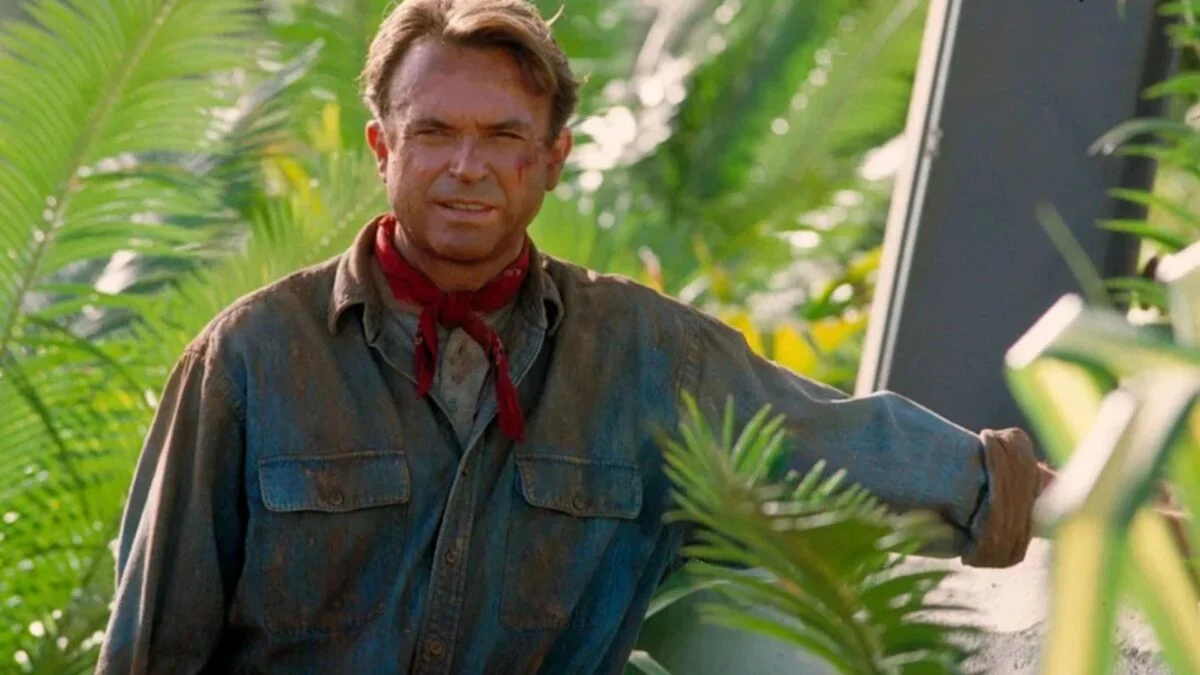
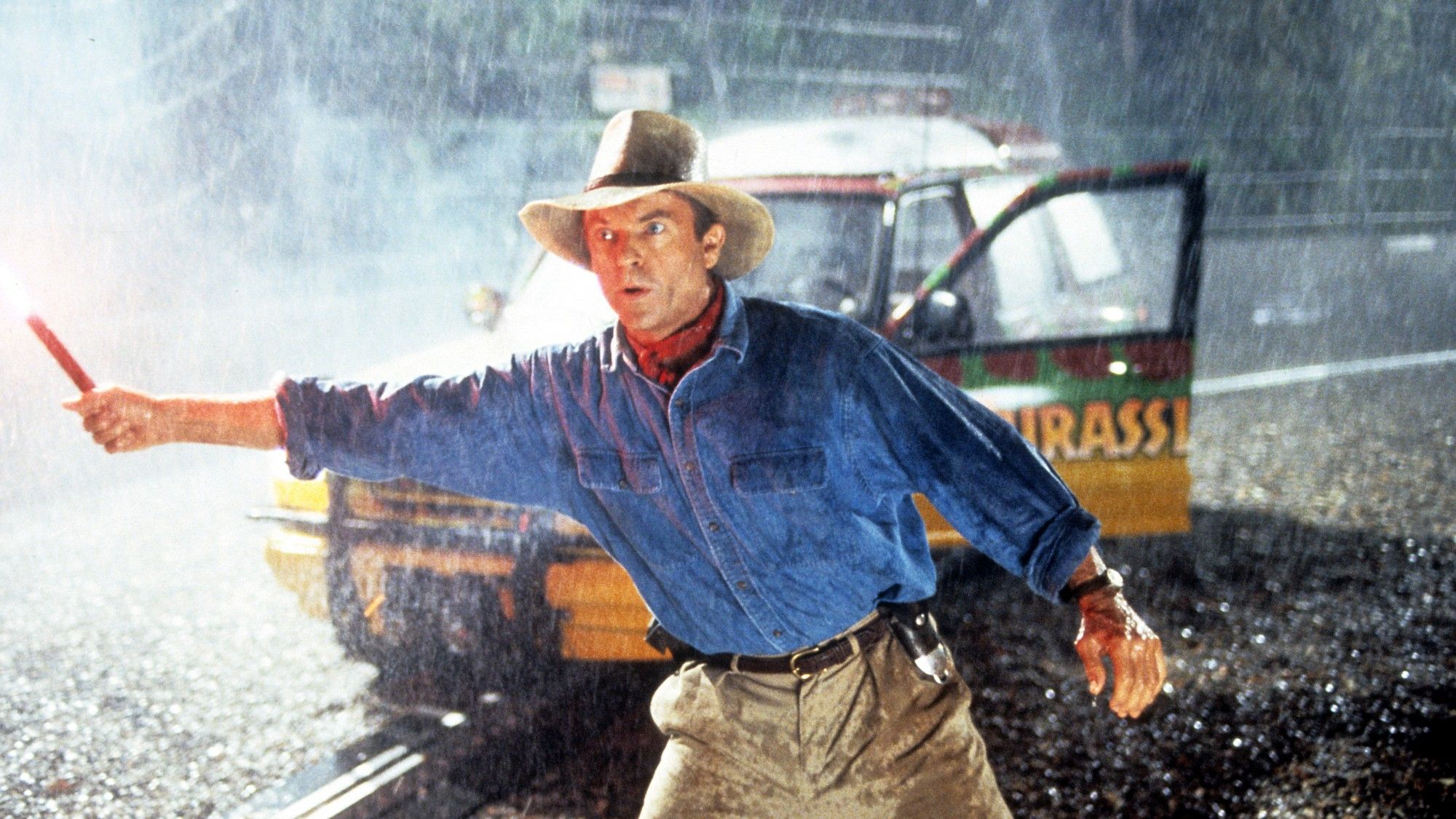
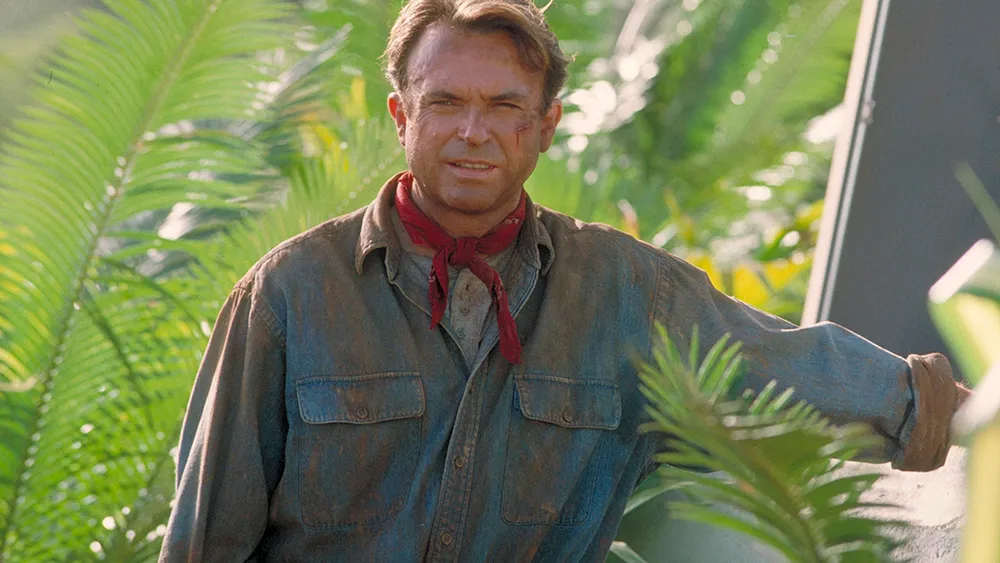
Yet when a pair of career-defining roles in 1993 launched him to the A-list, it wasn’t through a notable change in tack. As paleontologist Dr. Alan Grant in Steven Spielberg’s “Jurassic Park,” he was finally first-billed in a Hollywood mega-blockbuster, playing a macho hero type with his own accompanying action figure — but Neill knew as well as anyone that he was still playing second banana to a horde of dazzlingly rendered dinosaurs. With those creature effects always set to be the film’s primary selling point, Spielberg and Universal didn’t need a ready-made star for what producer Kathleen Kennedy at the time conceded “isn’t an intensely complicated part.” Neill was professional and affordable and wouldn’t pull focus; he was perfect.