Show Caption
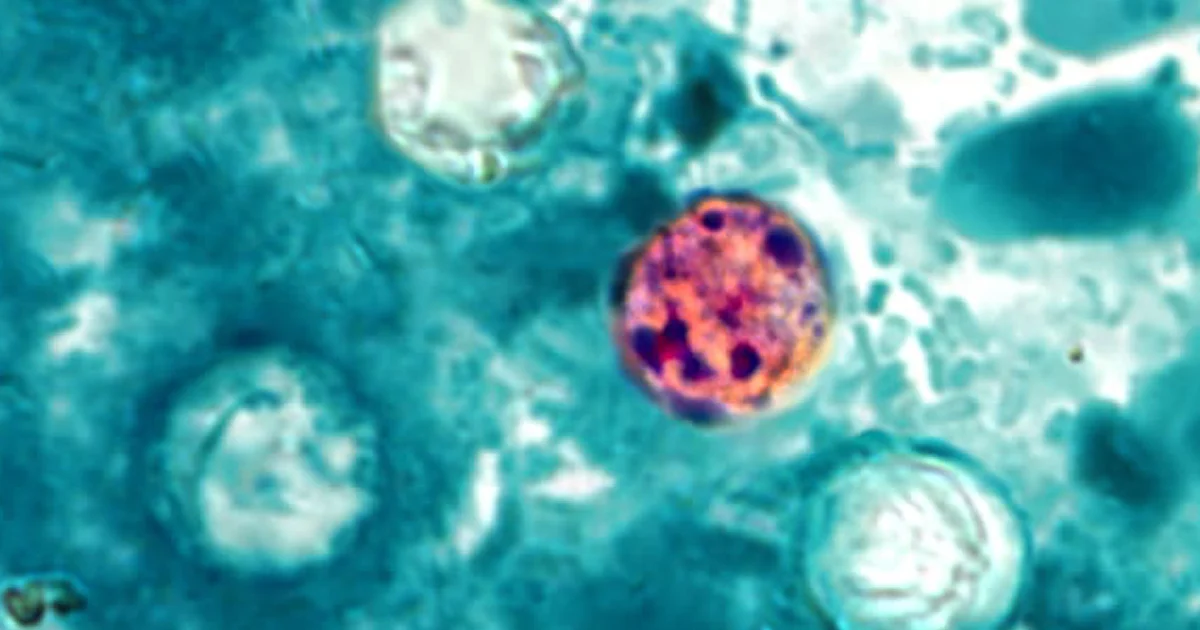
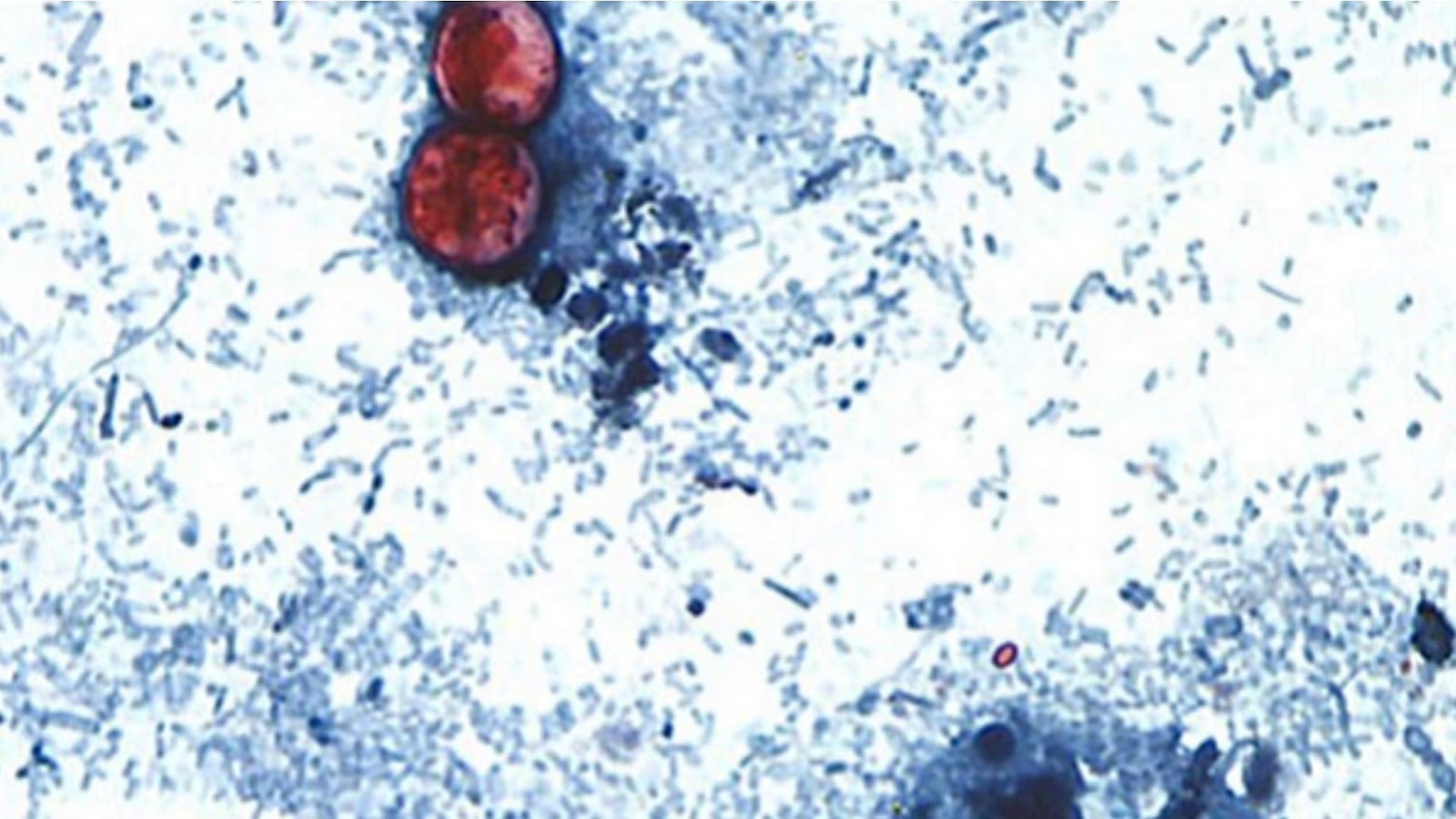
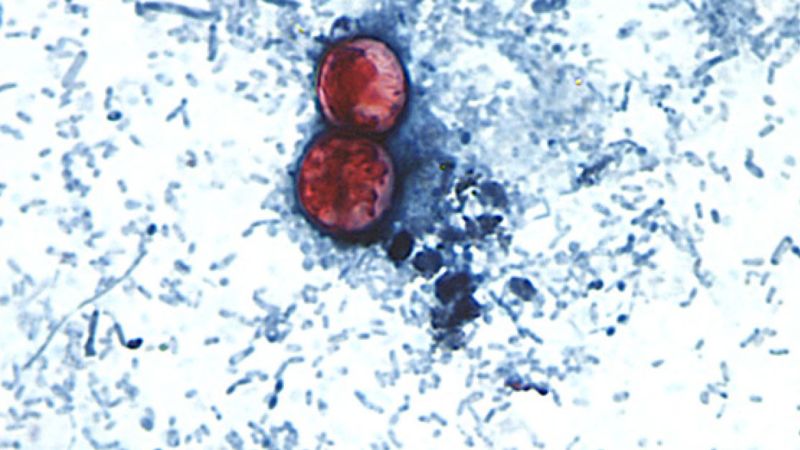
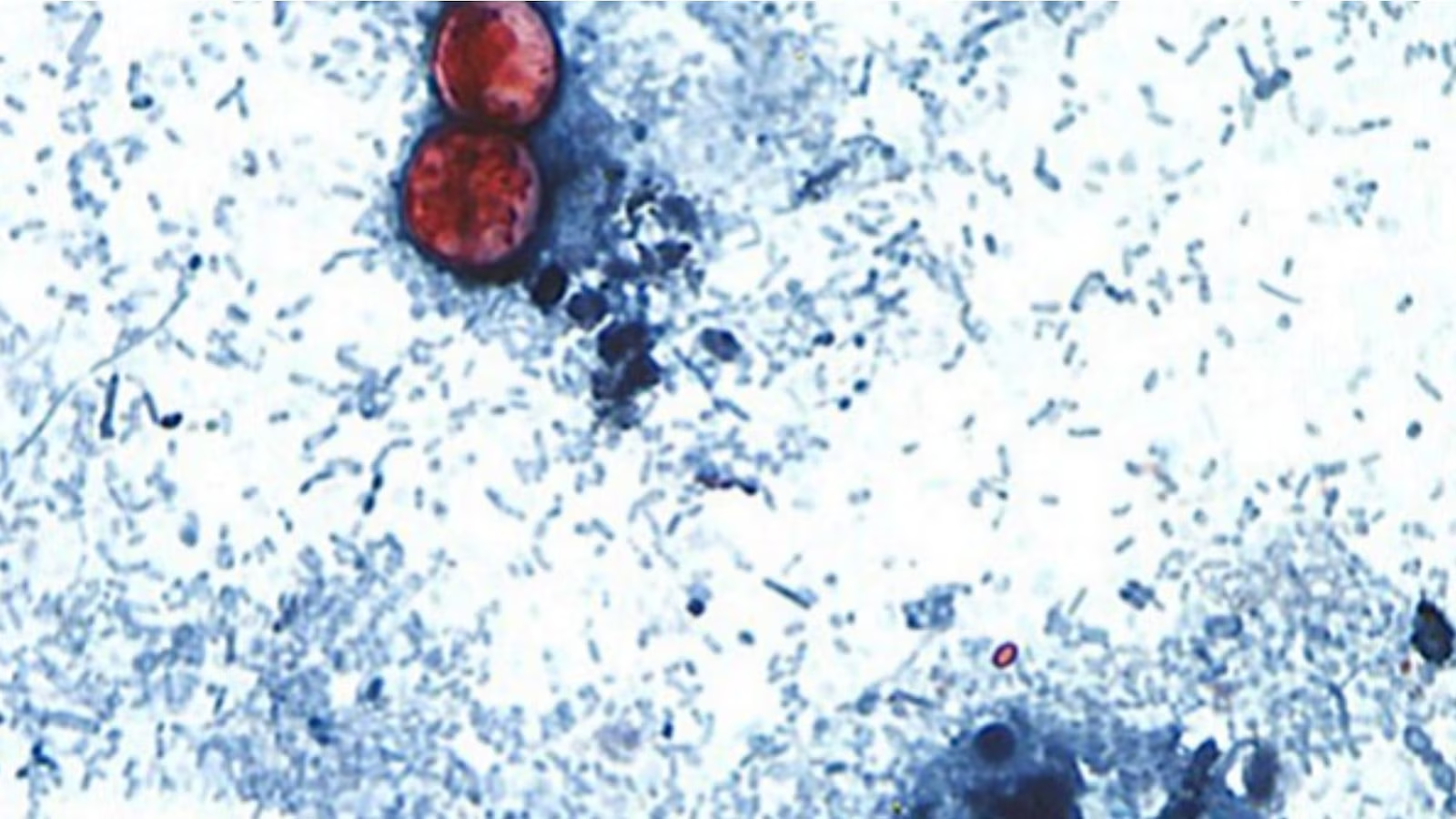
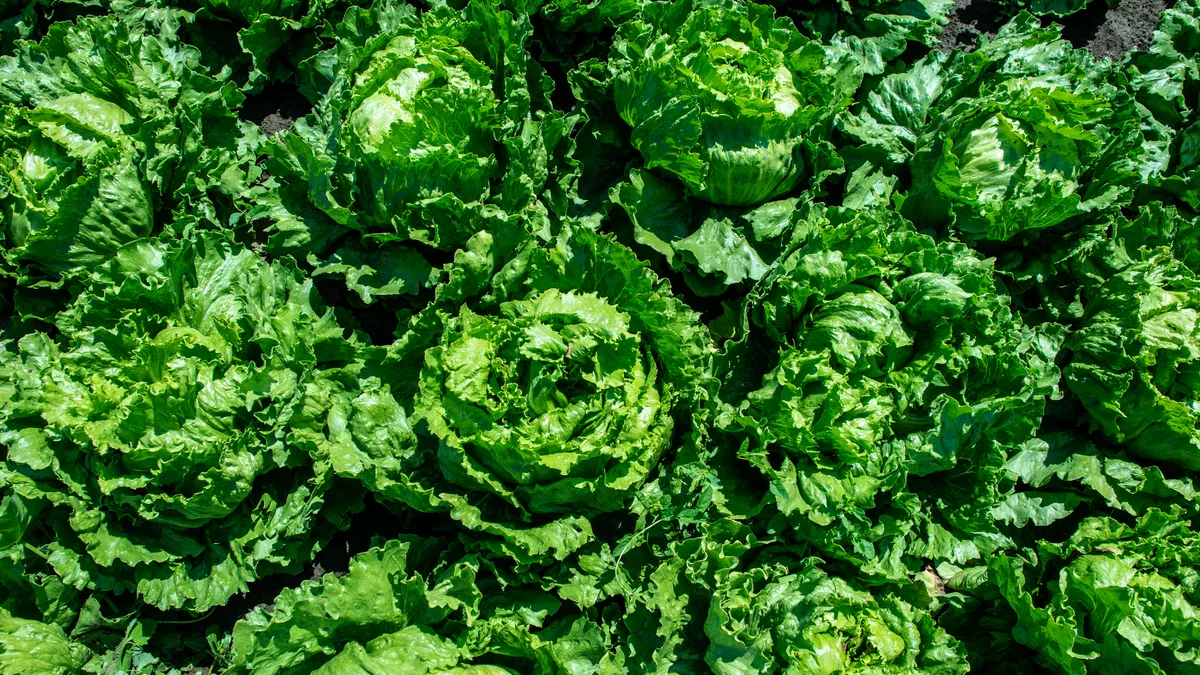
The Centers for Disease Control and Prevention and states are investigating a surge of cyclosporiasis cases across the country.Cyclosporiasis, or the disease caused by the parasite Cyclospora cayetanensis, has been confirmed in 1,645 cases as of July 13 and is under investigation in more than 5,100 additional cases, according to data from the CDC. Confirmed or suspected cases have been reported in 34 states, CDC officials said.CDC officials said a cluster of cases in four states − Michigan, Ohio, West Virginia and Kentucky − are likely linked.Data from state health departments suggests the total number of cases could be higher that what's been publicly reported. In Michigan, officials are tracking more than 2,600 infections as of July 13, according to the state's Department of Health and Human Services.What are symptoms of cyclosporiasis?The parasitic infection can cause explosive diarrhea, cramping, nausea, fatigue and other symptoms. Officials are probing whether a food or produce item is the source of a surge in cases of cyclosporiasis.CDC officials said symptoms can appear two days to two weeks after someone is infected with the parasite. The organization also issued a health alert to doctors, other medical providers and public health officials about the outbreak.The total number of people infected by the parasite is likely much higher than what's been publicly reported because many with mild illness recover without seeking medical care and are never tested, said Gwen Biggerstaff, deputy director of CDC’s division of foodborne, waterborne and environmental diseases.The number of confirmed and suspected cases this year is "much higher than what we've seen last year or the year before," Biggerstaff said. "It is a very big shift from what we've seen in previous seasons."CDC said public health teams are testing samples from confirmed and suspected cases to identify clusters of related cases. State and local public health officials are also tracing potential common sources of infection.While the CDC hasn't confirmed a single source of the outbreaks, Biggerstaff cited a growing number of cases in recent years traced to produce imported to or harvested in the United States.If the Food and Drug Administration gets "actionable information" about contaminated sources, the agency will seek to remove those products from the food supply and offer guidance to consumers, said Donald Prater, the FDA’s acting deputy commissioner for food.Prater said the FDA is investigating multiple produce items − including lettuce identified by Michigan state health officials as a potential source of contamination − as well as locations infected individuals said they visited before becoming sick.This story is developing and will be updated.