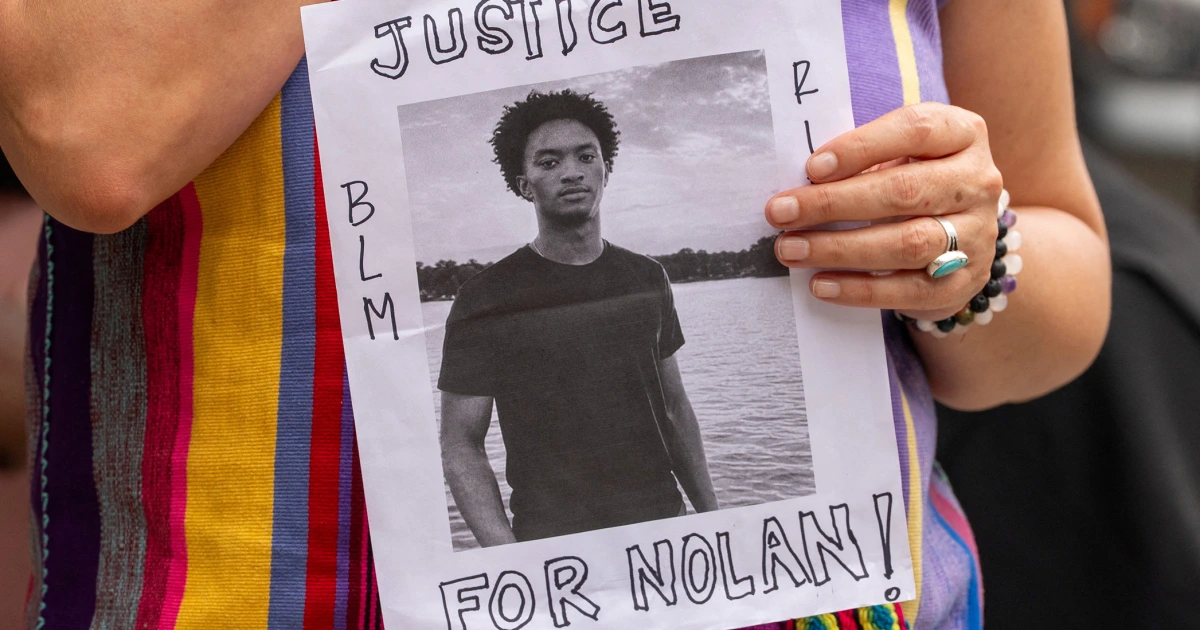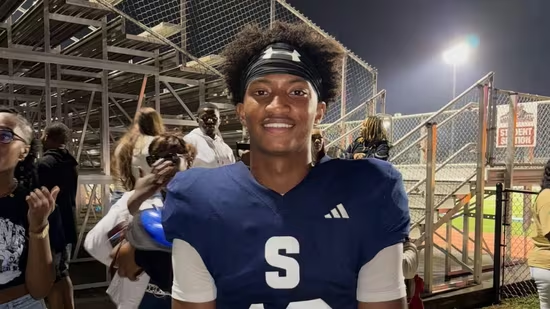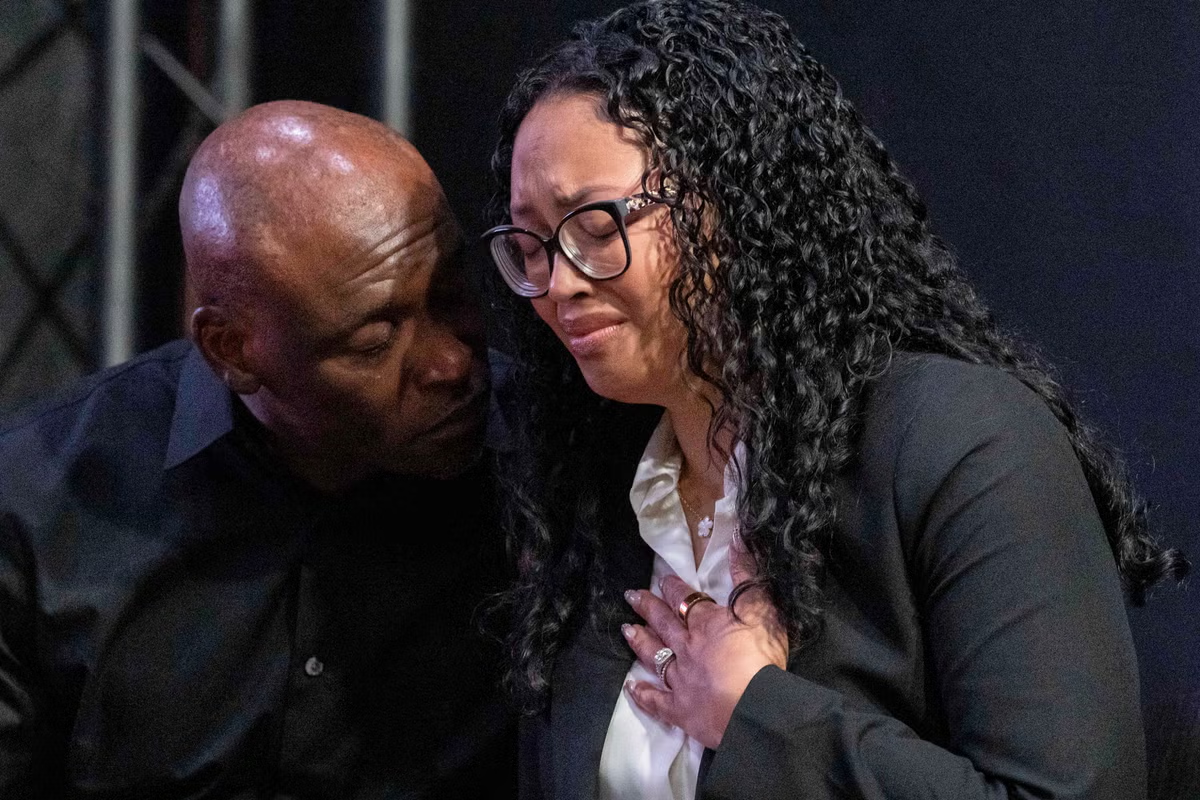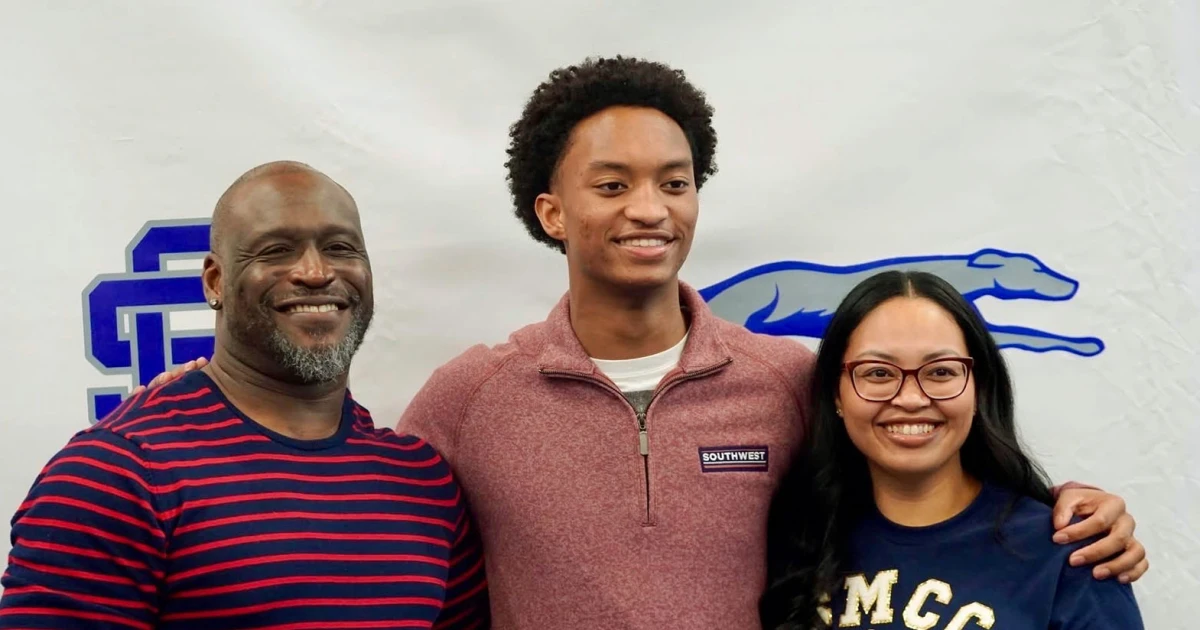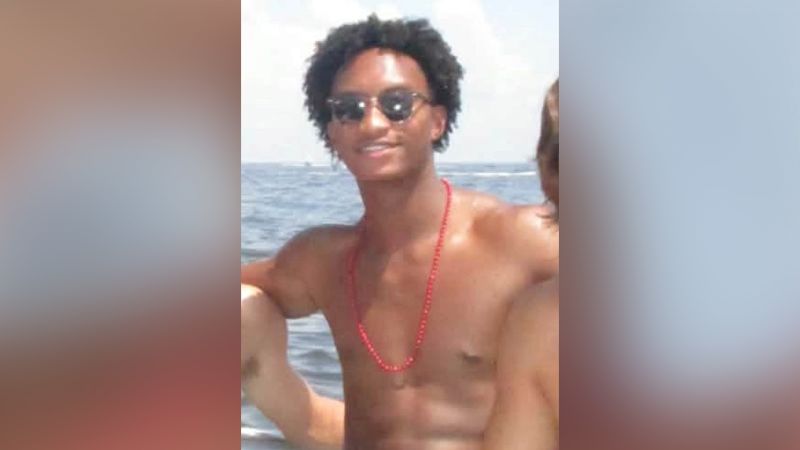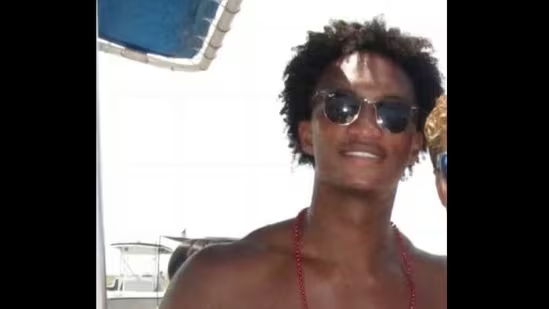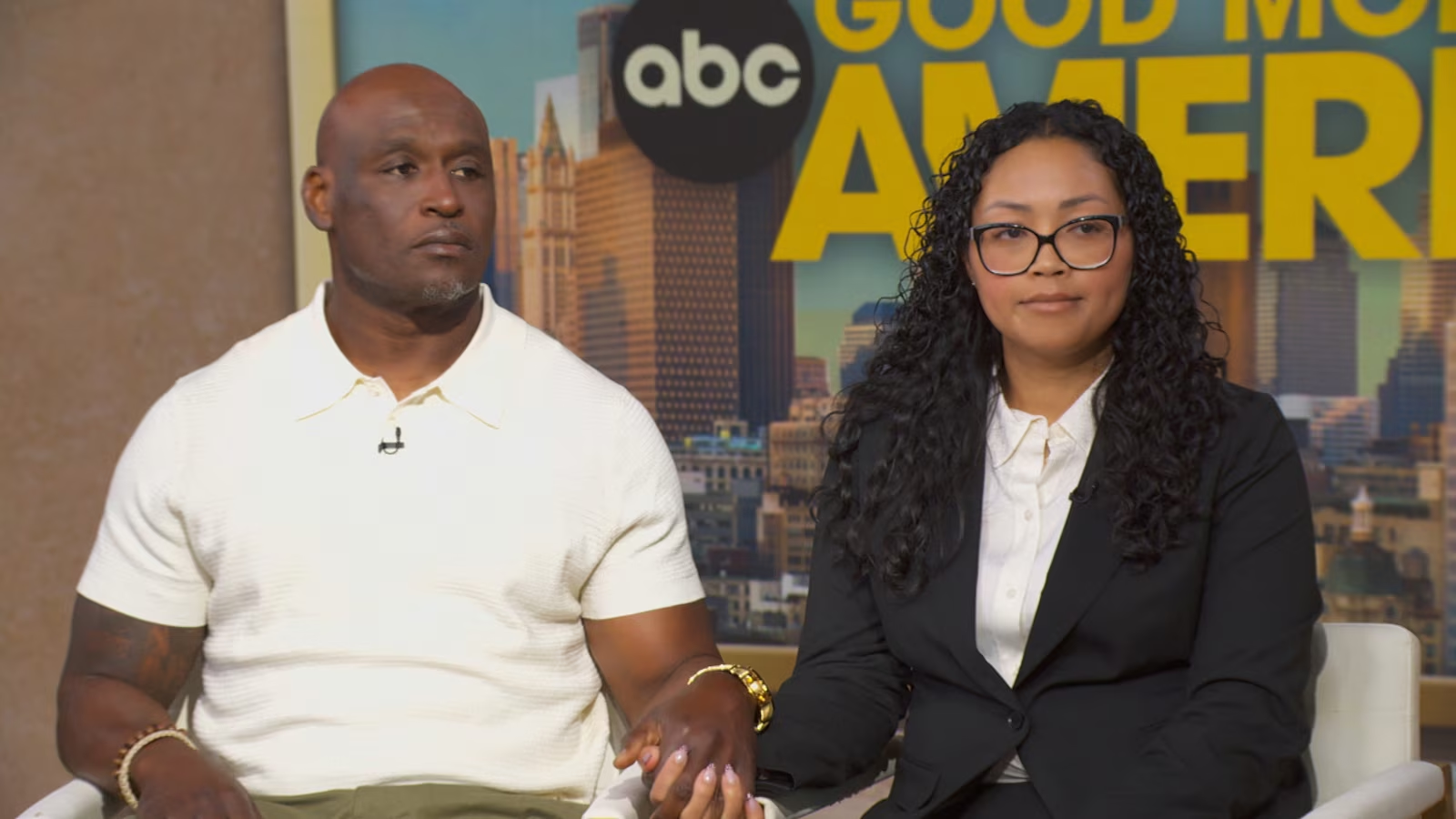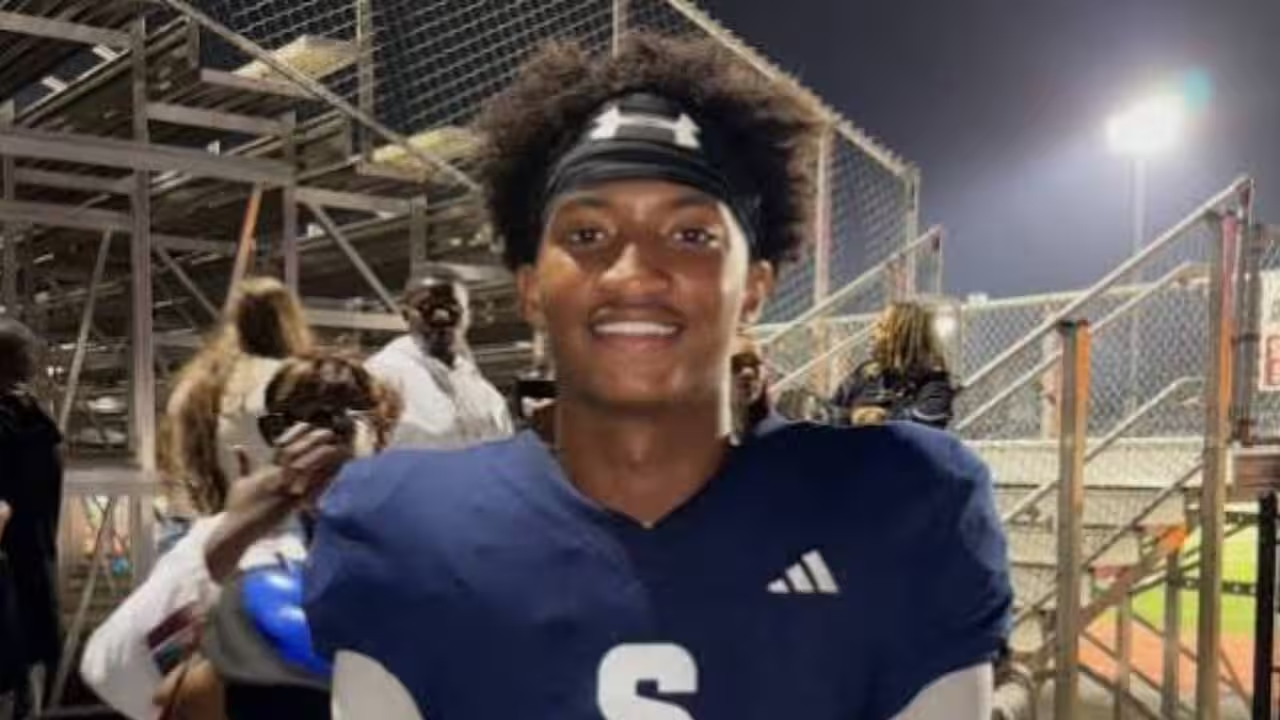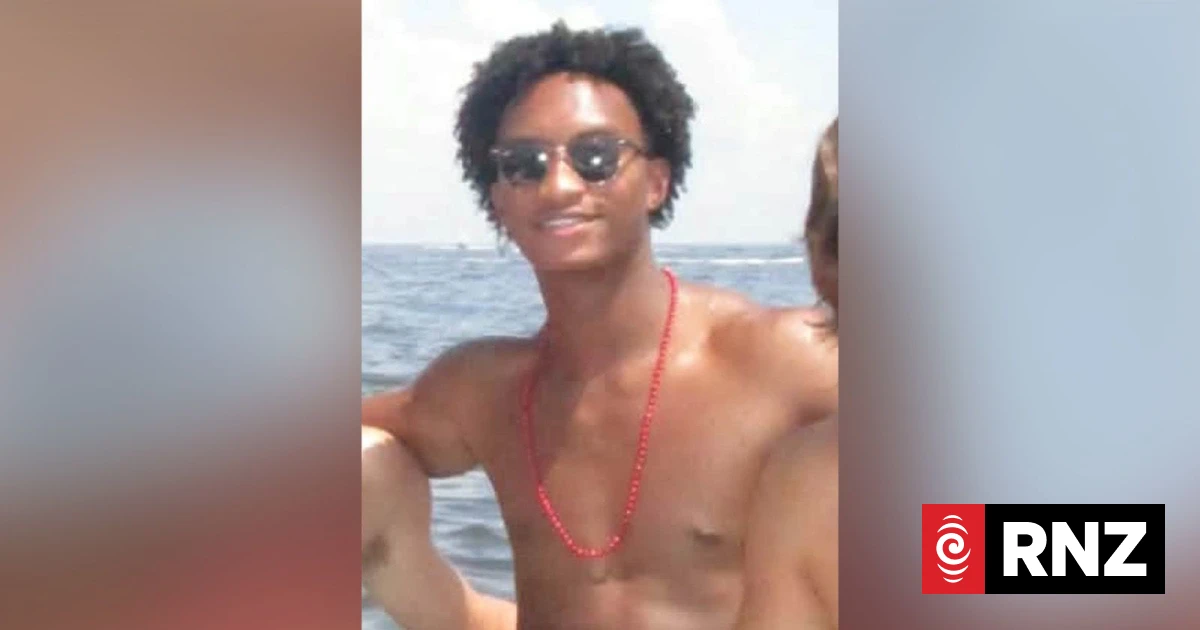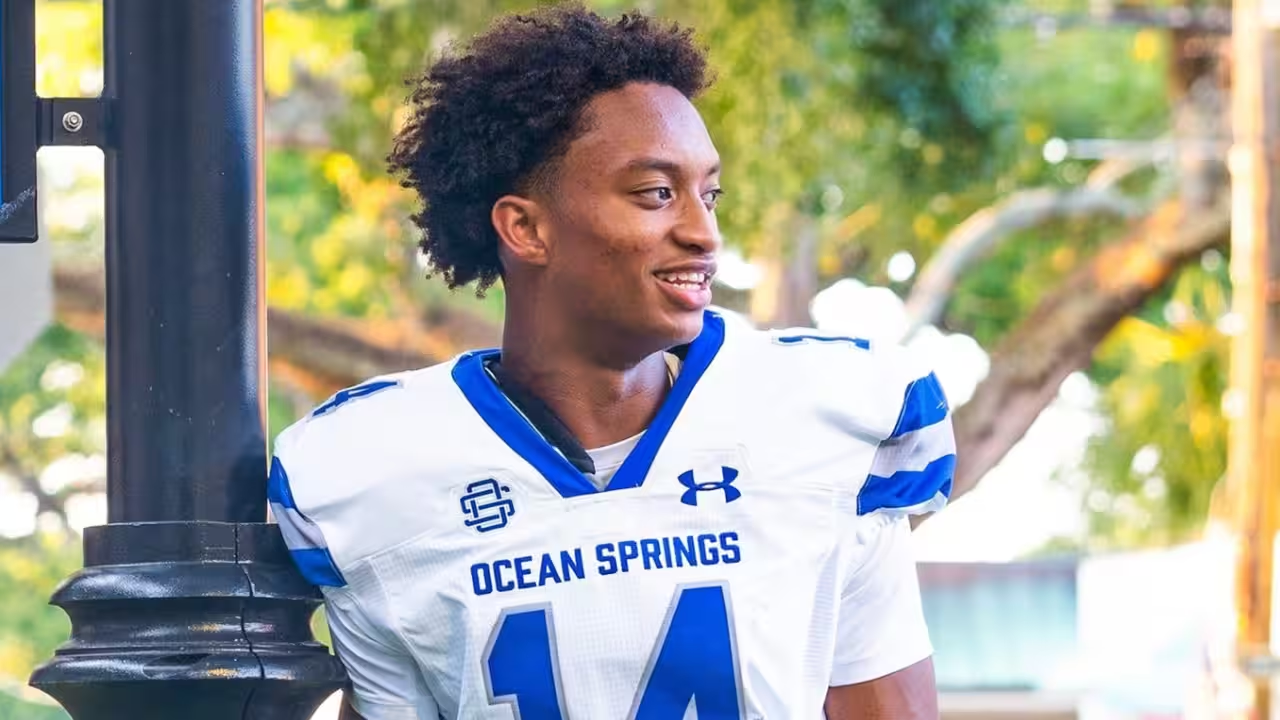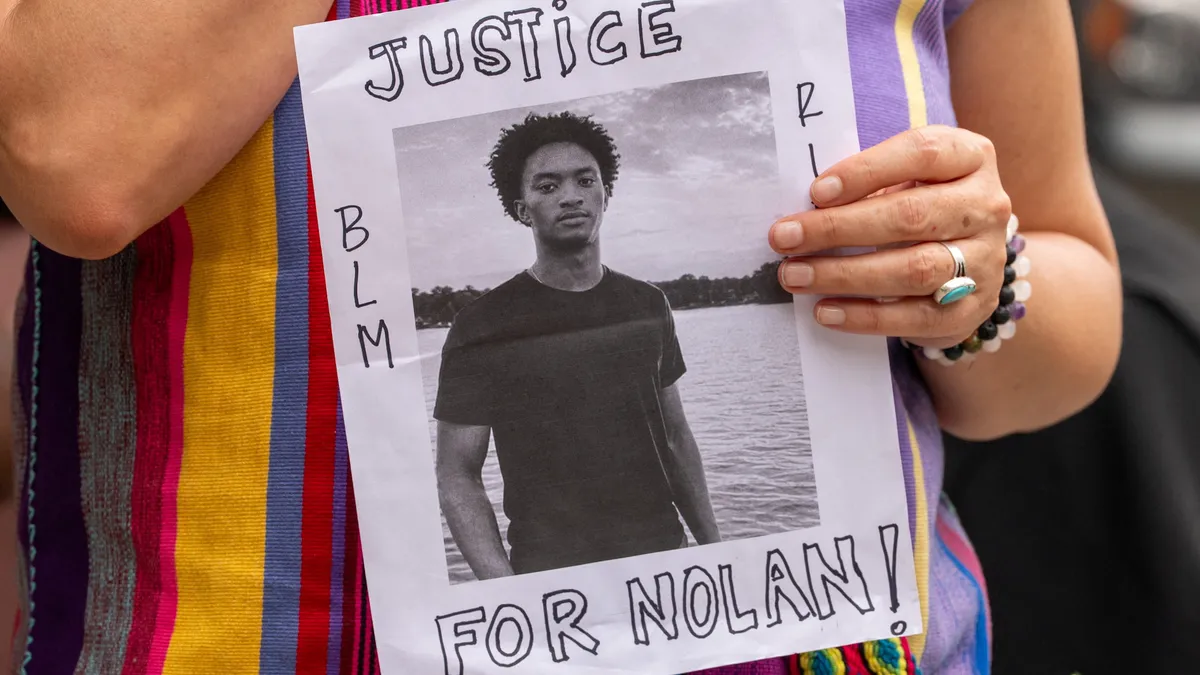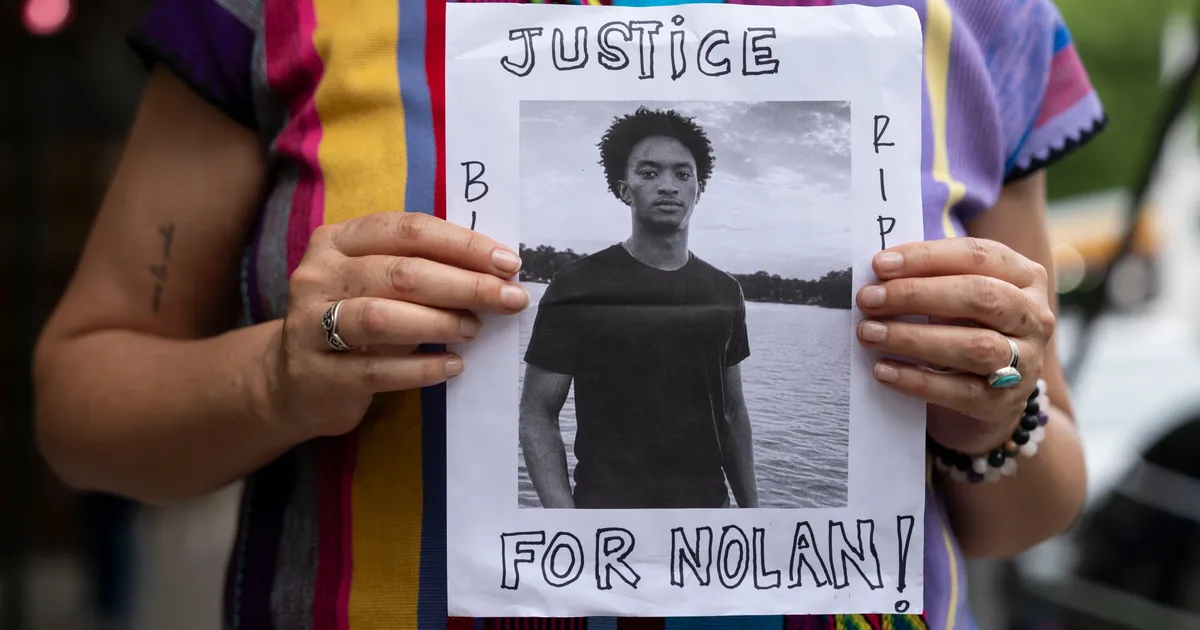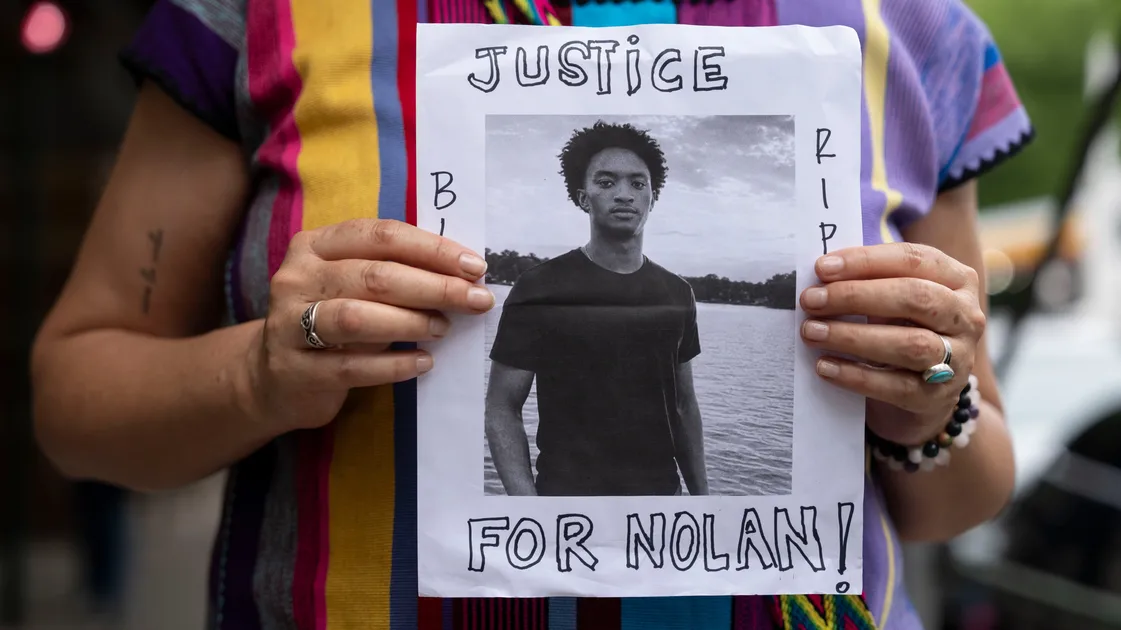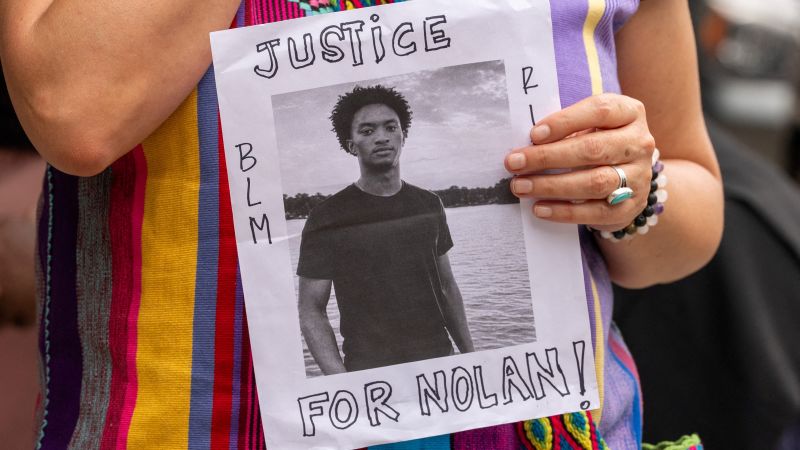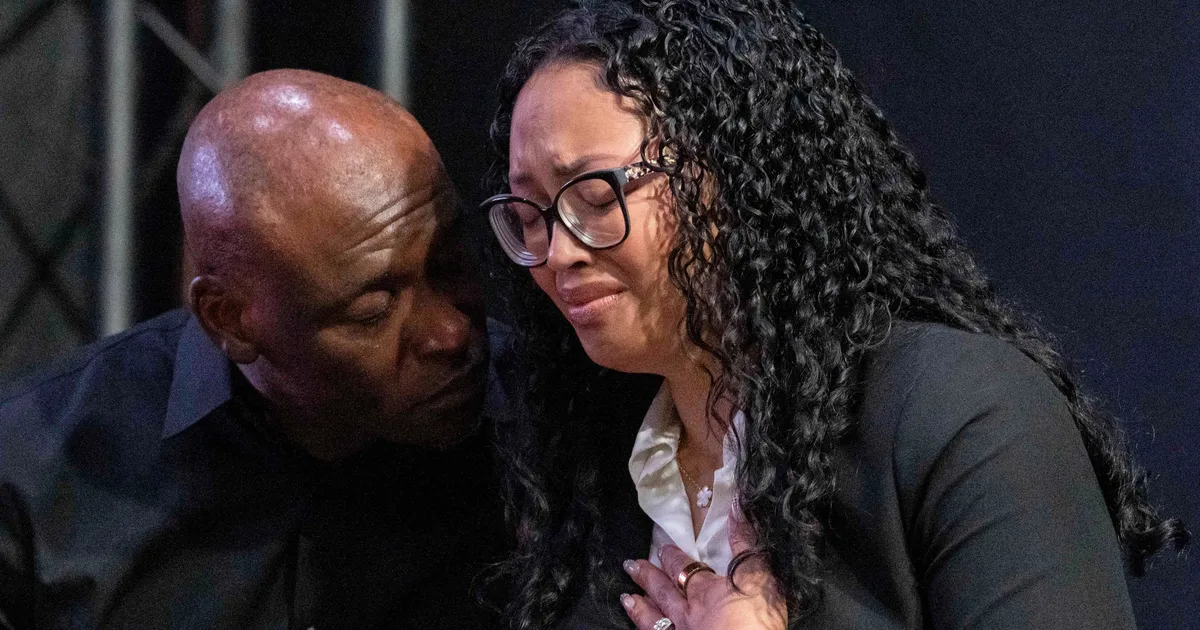
During the last few days, my algorithm has fiercely erupted in reaction to the mysterious death of 18-year-old Nolan Wells. While some may see the social media sleuthing into Wells’ death as futile, it reflects a collective eagerness to get more concrete information about the death of a Black teen who should have made it home like the white friends he got on a boat with.When I first learned about Wells, it was through news stories that were vague and a bit confusing; these stories also appeared to prioritize police reports, which ultimately relied on word of mouth and felt dismissive. All we’d known, at that point, was that the teen had last been seen at 3 p.m. on a remote island off the coast of Mississippi after a boat ride to partake in Fourth of July festivities with “friends” we’d see in that now-ubiquitous picture. We need to consider the dynamic that naturally materializes when someone is one of the only Black people in a friend group — it is an indicator that authorities should be asking specific questions about their disappearance or death. And while the investigation into what happened to Wells is ongoing, there are parts of the story I can’t get a handle on. I believe that ambiguity and confusion are tactics used to gaslight audiences into losing interest in a story — but hopefully, that won’t work this time. We all need to learn to spot the bias immediately.Our community knows that systemic racism dictates that when you’re the only Black person in a room full of white people, you are at heightened risk of experiencing violence (whether that’s just a microaggression or real bodily harm). Especially when we consider the history of state-sanctioned violence against Black people in Mississippi — multiple sources report that between 1877-1950, Mississippi had the highest number of lynchings on record.Ambiguity and confusion are tactics used to gaslight audiences into losing interest in a story — but hopefully, that won’t work this time.Thankfully, Black people are not the only ones pointing out systemic racism when discussing Wells’ disappearance. But the overall response to it reflects the general disparity in coverage of missing Black people versus missing white women. Author and independent journalist Janai Norman (@janai.norman) has been posting about bias, inconsistencies and the general lack of reporting around Wells’ case. She also feels that Mississippi law enforcement too quickly adopted the story told by the teen’s friends as the official account of what transpired. Law enforcement cannot reveal all details about an open investigation, but the official current account too hastily places the blame on Wells for his own demise. We’re now all just finding out that Wells’ parents reportedly had to track down and retrieve his phone and keys, which ended up at a friend’s house, without the cooperation of law enforcement or his friends.The additional context Wells’ family has provided, disseminated by social media users, has stirred up apprehension about whether the information in the media and from Mississippi police can be trusted. And even though some social media sleuths are just stirring the pot, public skepticism and outrage are crucial in demanding a more thorough investigation. Many of us are expecting the next piece of substantial, reliable information to come from Wells’ autopsy and toxicology reports. This means it could take weeks before we receive any news of substance in the investigation into his death. In the meantime, the spectrum of emotion on display in Instagram Reels — with many people expressing shock, disbelief and a fierce rejection of the current media narrative — is all at once triggering and understandable. Some will inevitably reduce the social media response to a community’s tragic loss of life as a “conspiracy theory.” But we must see past half-baked theories and maintain skepticism about information that feels questionable. It’s also important to take Norman’s advice to scrutinize every single piece of news we get about this case in the upcoming weeks.After all, the pursuit of truth in this case is not for our own satisfaction, but for the sake of Christine and Elmore Wonsley, who deserve to know what happened to their son.RelatedNolan WellsBlack VoicesCrimeMedia
The Story We've Been Given About Nolan Wells Doesn't Add Up — And We Cannot Look Away
The reports so far have prioritized one side’s story. Learning to spot that bias is how we get to the truth — for his parents’ sake.
695 words~3 min read