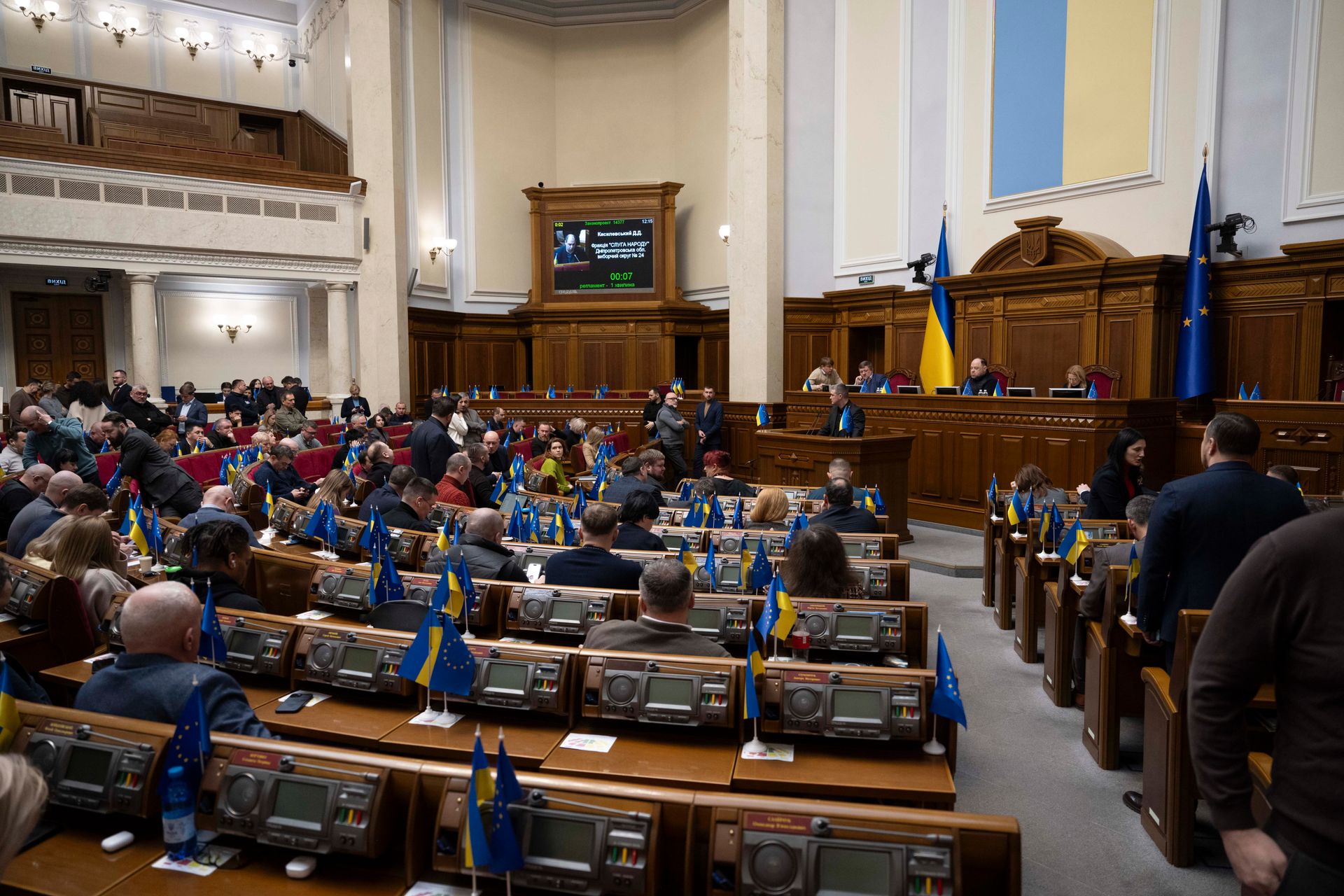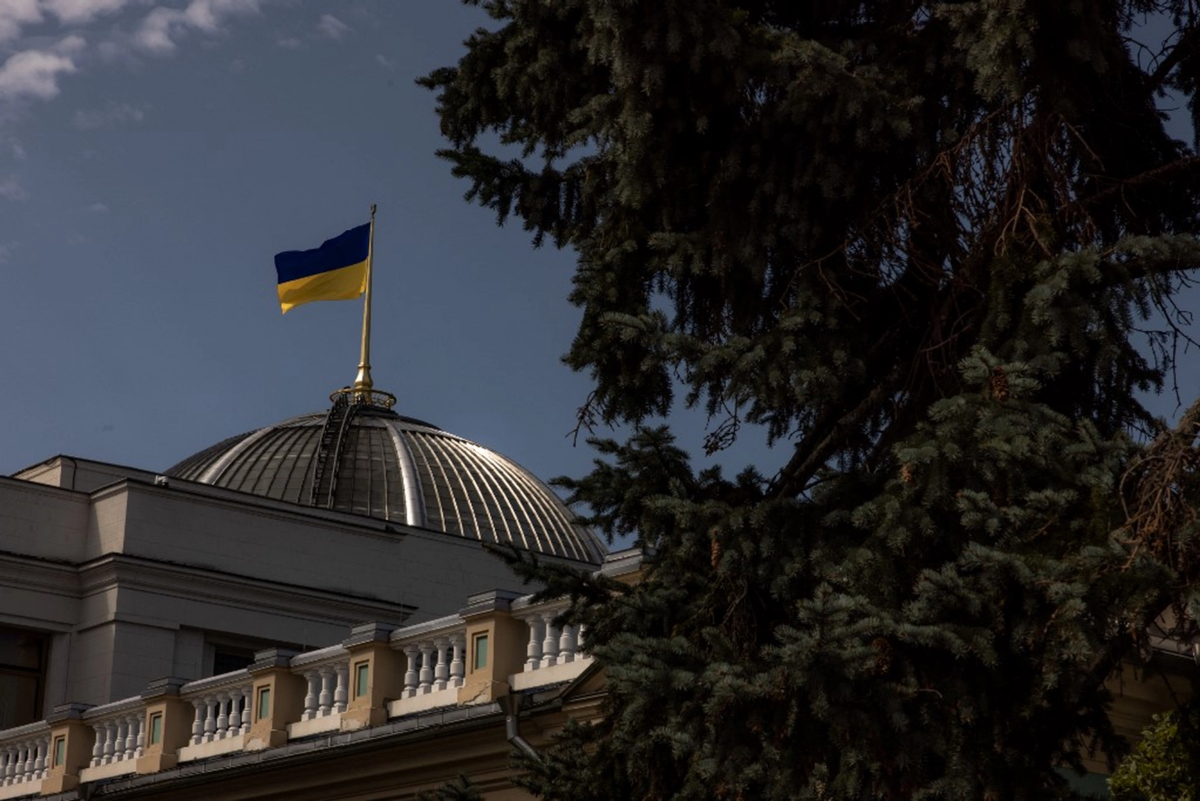
(Image by Zakhar Dunin/Kyiv Post)JOIN US ON TELEGRAMFollow our coverage of the war on the @Kyivpost_official. Ukraine’s parliament and its central bank are fighting, again, over whether banks’ wartime profits should keep being taxed at double the standard corporate rate. In May, lawmakers proposed extending the 50% levy through 2027; within hours after the announcement, the central bank condemned it, warning the tax is starting to eat into the capital that fuels lending. Lawmakers see the banking sector as both a fat cat and a fiscal lifeline – its X-ray – transparent financial statements make it easy to tax quickly, at a time when bills to de-shadow the economy remain stalled in parliament. Banks accepted the levy the first time when it was imposed in 2023. Several extensions later, the fight has hardened into a standoff, unresolved ahead of 2027 budget planning, even with a new prime minister and government now in place. Kyiv Post breaks down the dispute and whether the tax makes sense for a war-battered economy. The many lives of Ukraine’s windfall tax on banks “During wartime, banks generate record profits largely through transactions involving government securities,” Danylo Hetmantsev, chair of parliament’s tax committee and a lawmaker from Zelensky’s Servant of the People party, wrote on Facebook in May, announcing a bill to extend the 50% corporate income tax on bank profits through 2026-2027.
Hetmantsev Renews 50% Bank Profits Tax as Parliament Reaches for the Easiest Lever
Lawmakers reach for the easiest lever – a higher tax on bank profits – rather than push structural reforms. The result? Another round in the Hetmantsev-central bank feud.
2,043 words~9 min read