Commentary
July 14, 2026
17 min read
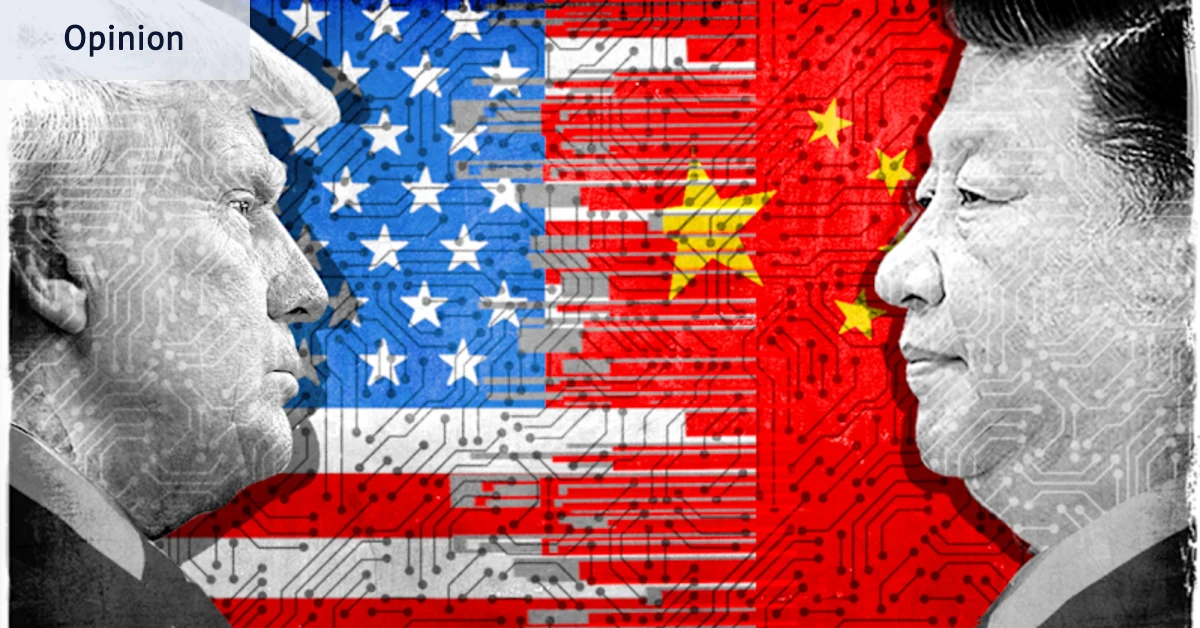
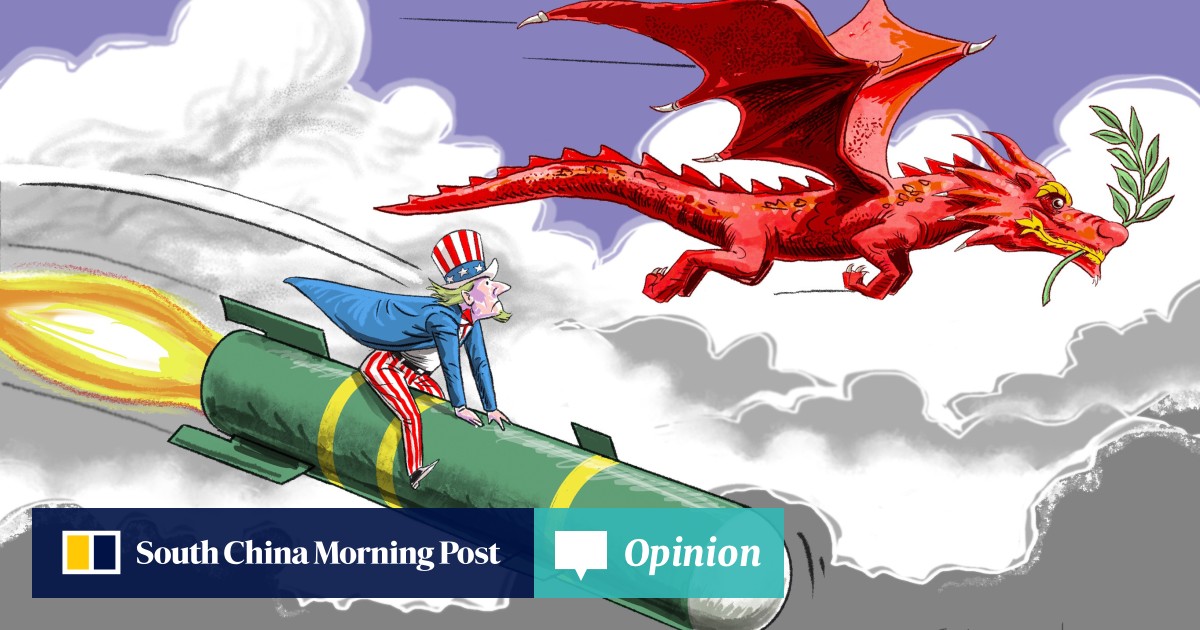
Brookings convened three experts with deep backgrounds in security studies to examine two central questions about the military competition between the United States and the People’s Republic of China (PRC). First, in light of China’s rapid military modernization, in what domains does the United States continue to maintain an absolute military advantage, and where—if at all—has China gained the upper hand? Second, in the event of a military conflict in the Western Pacific, which capability advantages would prove most consequential, and what other factors would shape the outcome?
The exchange below offers a diversity of perspectives on the evolving military balance between the United States and China. While the contributors differ in their assessments, they broadly agree that military advantages must be examined in the domain and operational context. They also broadly agree that the United States maintains significant advantages in key areas, such as undersea warfare, even as China has made substantial gains in other domains. They also underscore that military capabilities alone would not determine the course of a conflict, with a range of military, geographic, and experiential factors likely to shape the outcome of a potential U.S.-China confrontation.