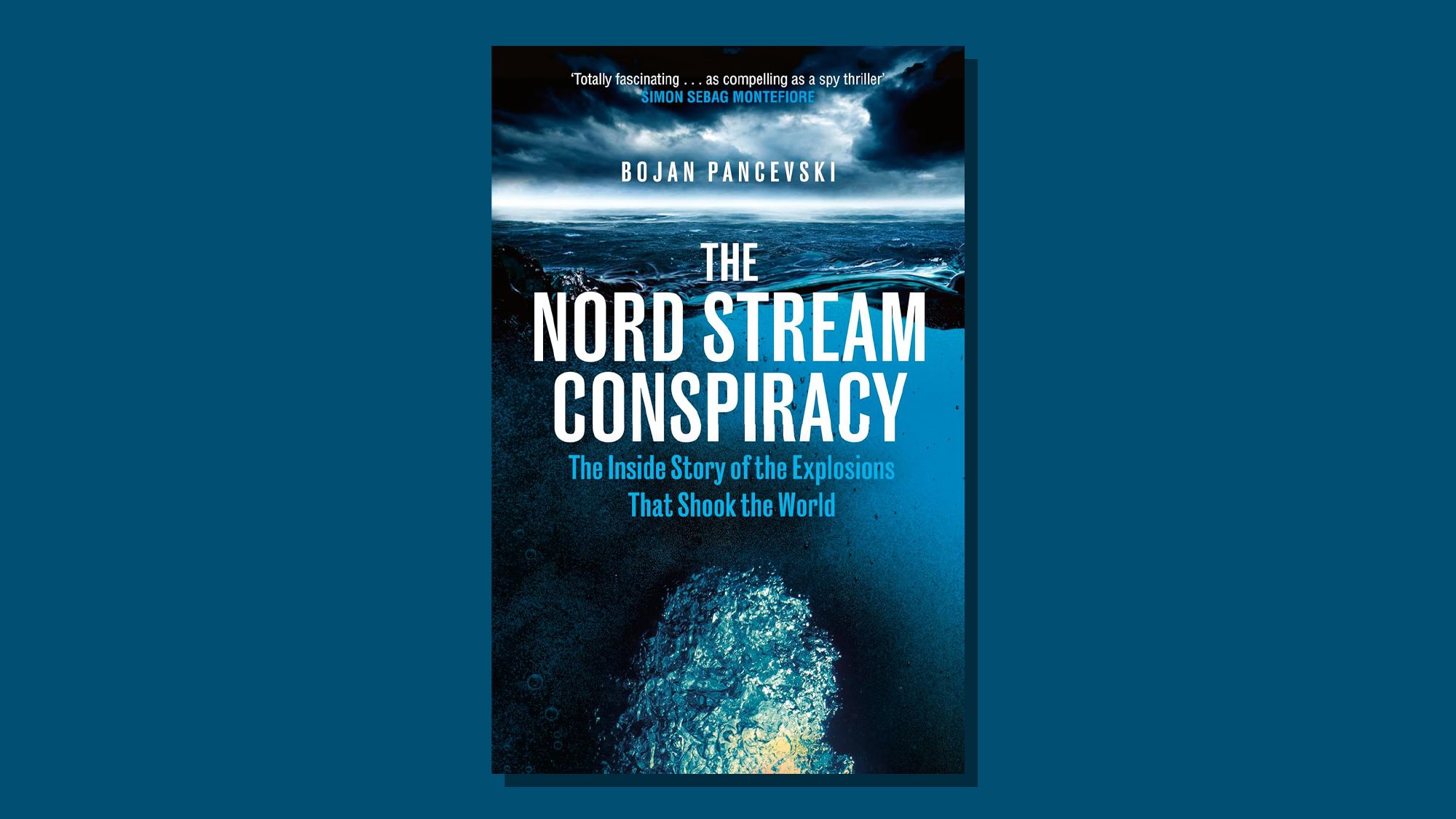
The bombs were hidden in divers’ cylinders and lowered into the Baltic Sea. In freezing darkness they were fixed to the pipes that snaked along the sea floor from Russia to Germany. The timers were set. As Bojan Pancevski shows in his new book, the resulting explosions shook Europe’s economy and the Western alliance. Revisited today, those tanks are also time capsules, messages in a bottle from an already remote past.
Known as Nord Stream 1 and 2, the twin tubes comprised the world’s longest undersea pipeline network when they were laid in 2011 and 2021 respectively. They were always controversial. By bypassing Ukraine, they made it easier for the Kremlin to cut off its gas supplies without interrupting deliveries farther west. As Mr Pancevski writes in „The Nord Stream Conspiracy”, they were „giant tentacles” which „tied Germany and much of Europe to Russia” through dependence on Russian energy.
De redactie van NRC selecteert de beste artikelen uit The Economist voor een breder perspectief op internationale politiek en economie.
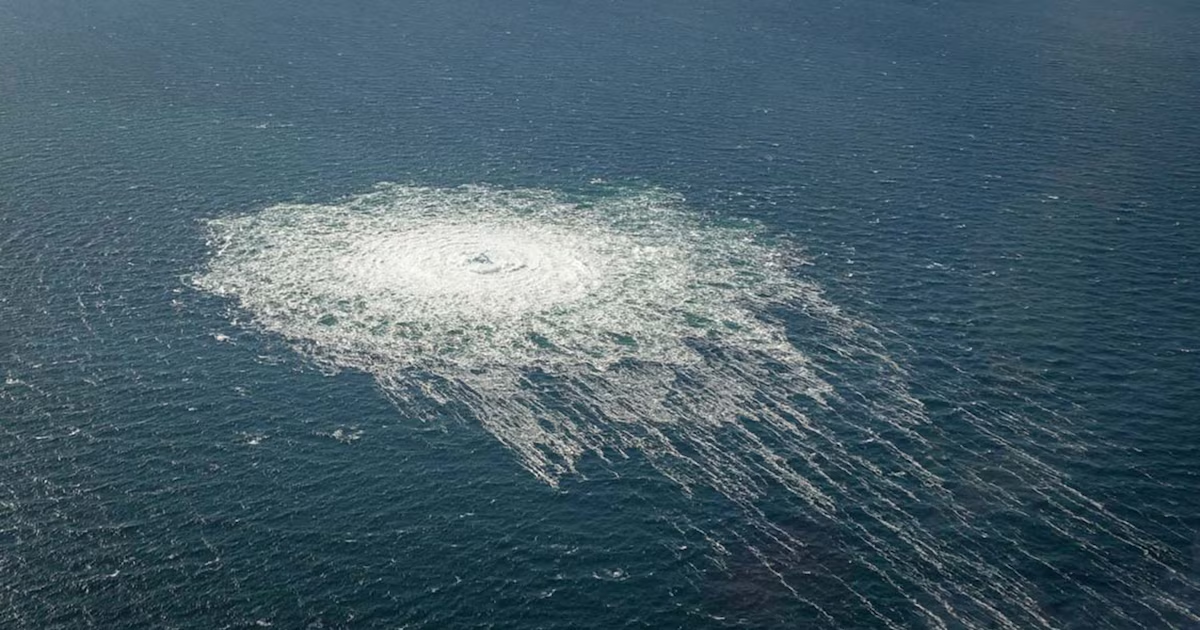
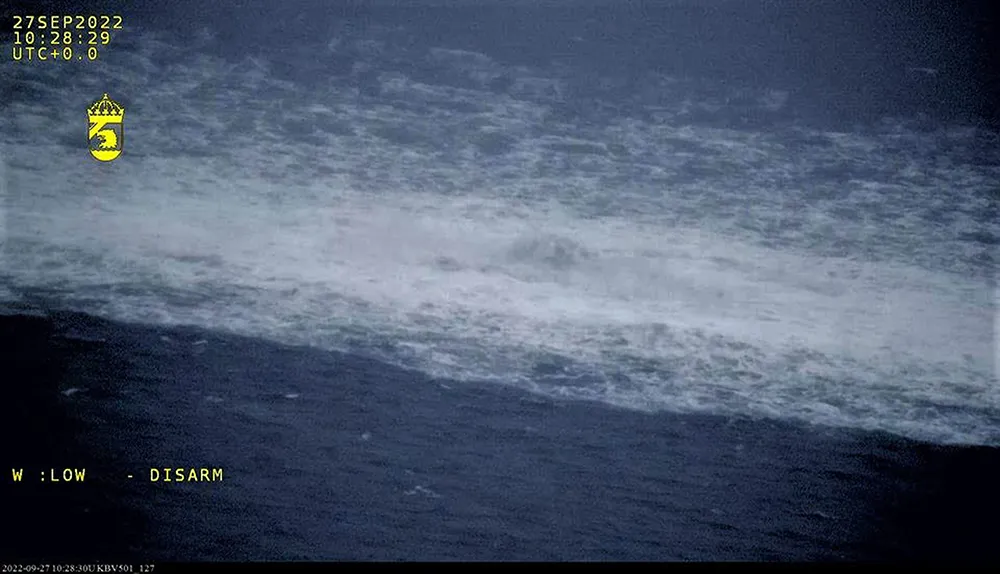
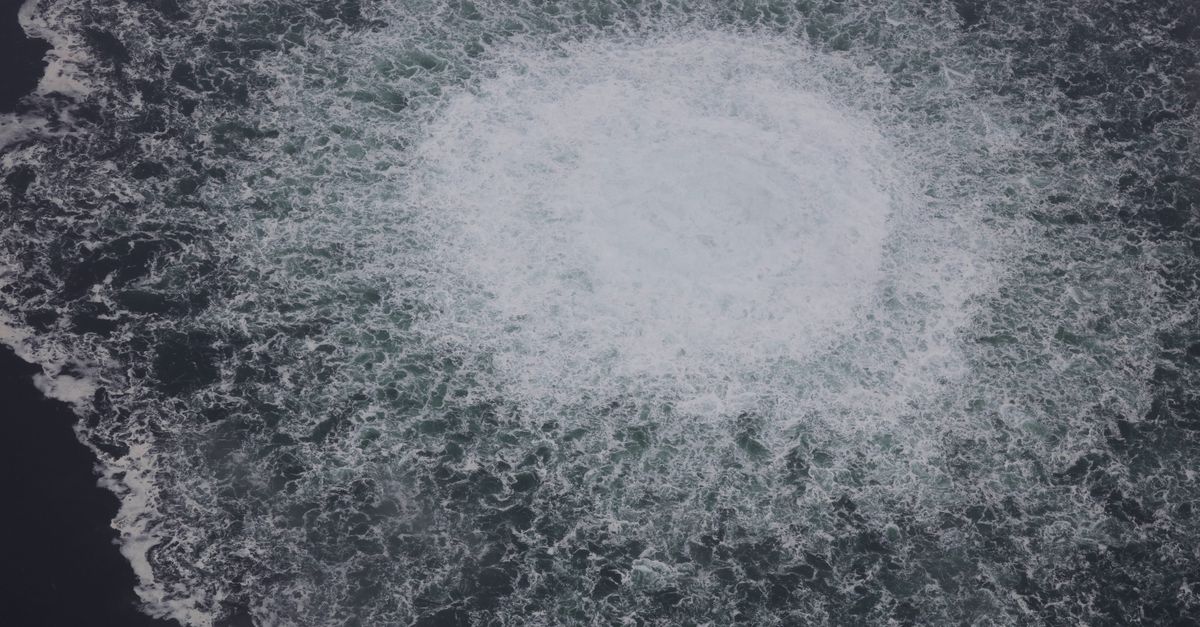
The blasts that ruptured them in September 2022, seven months into Russia’s full-scale invasion of Ukraine, spewed up gas worth $2bn in giant geysers. The facts of the case have emerged patchily; Mr Pancevski, a correspondent for the Wall Street Journal, has dug out what he thinks is the full story.