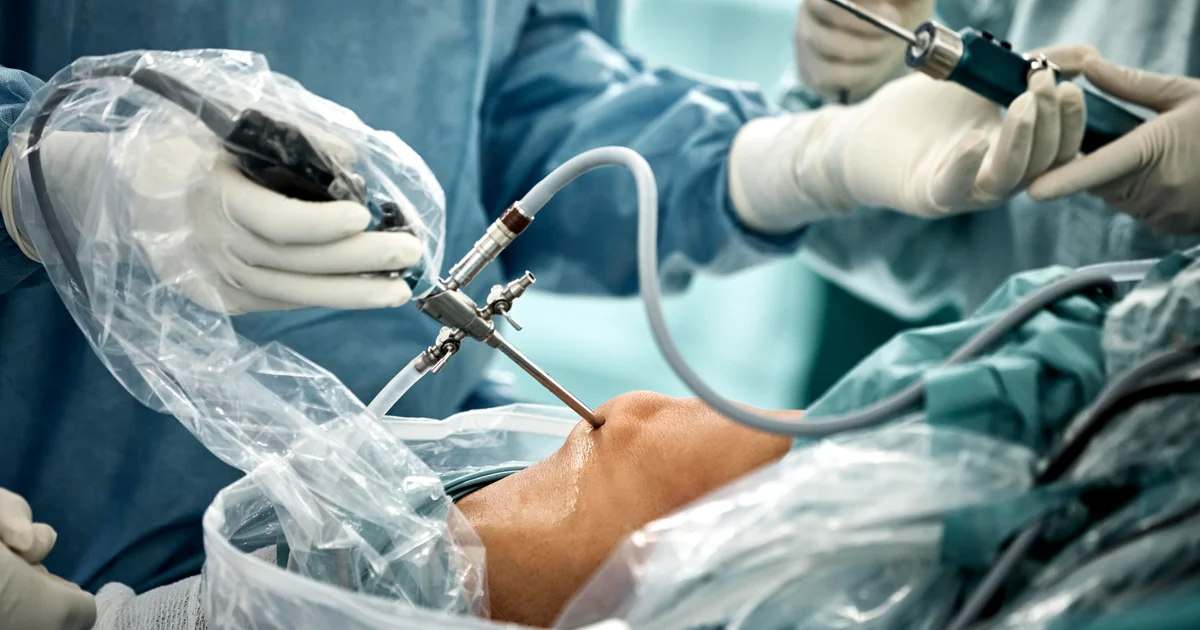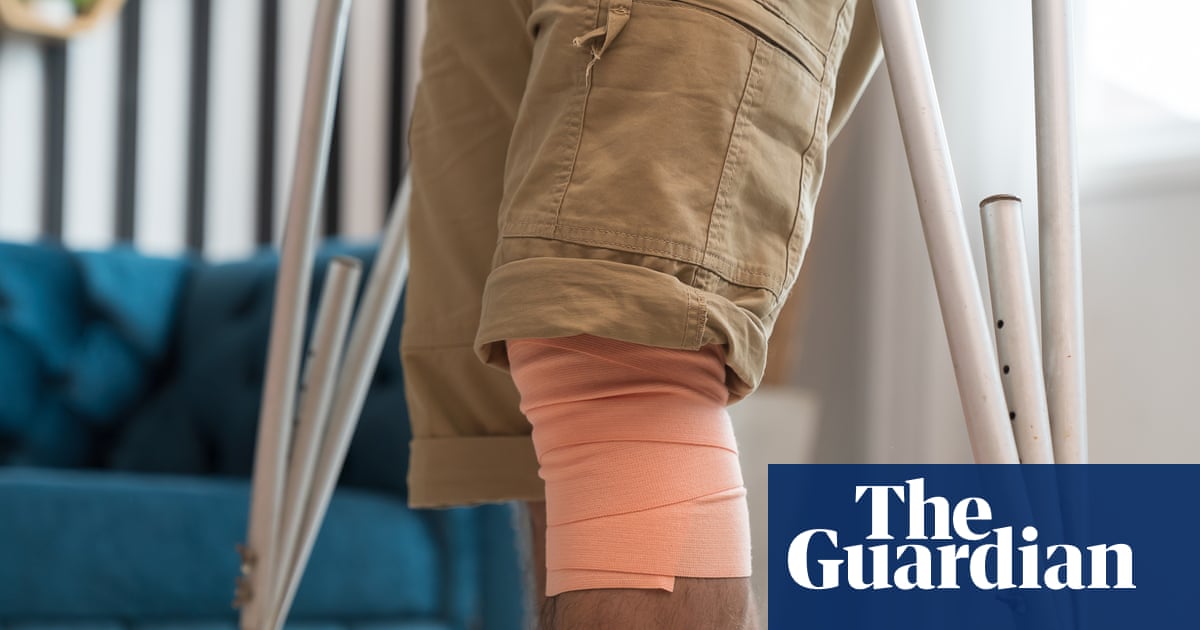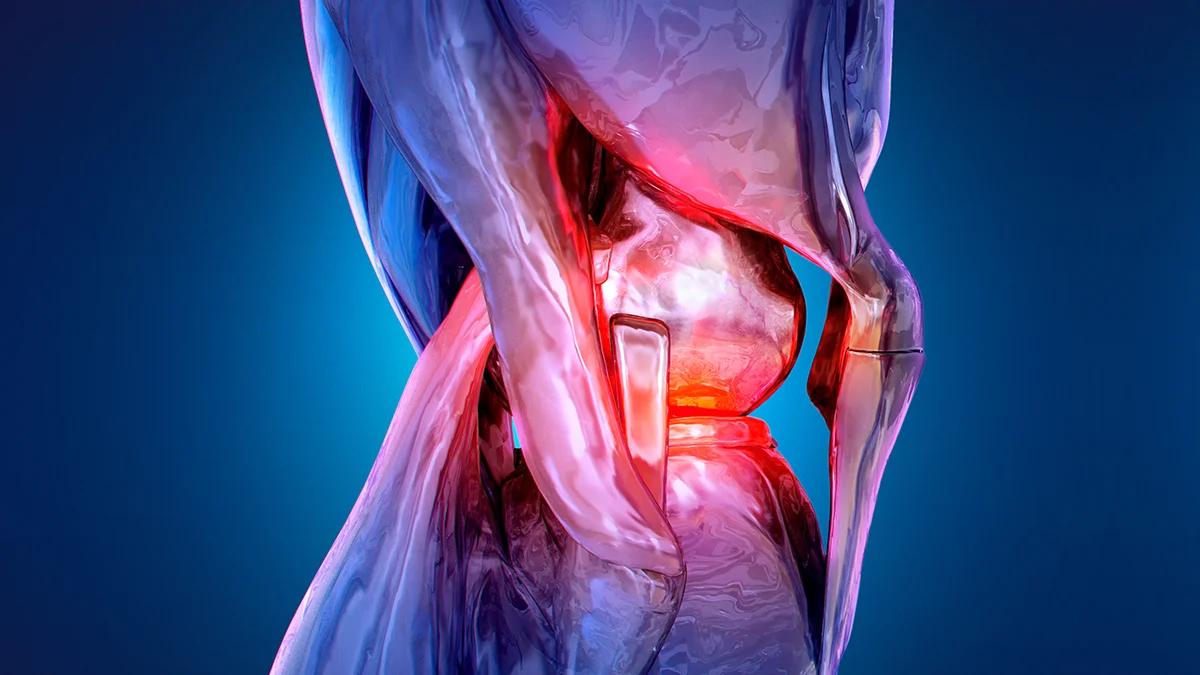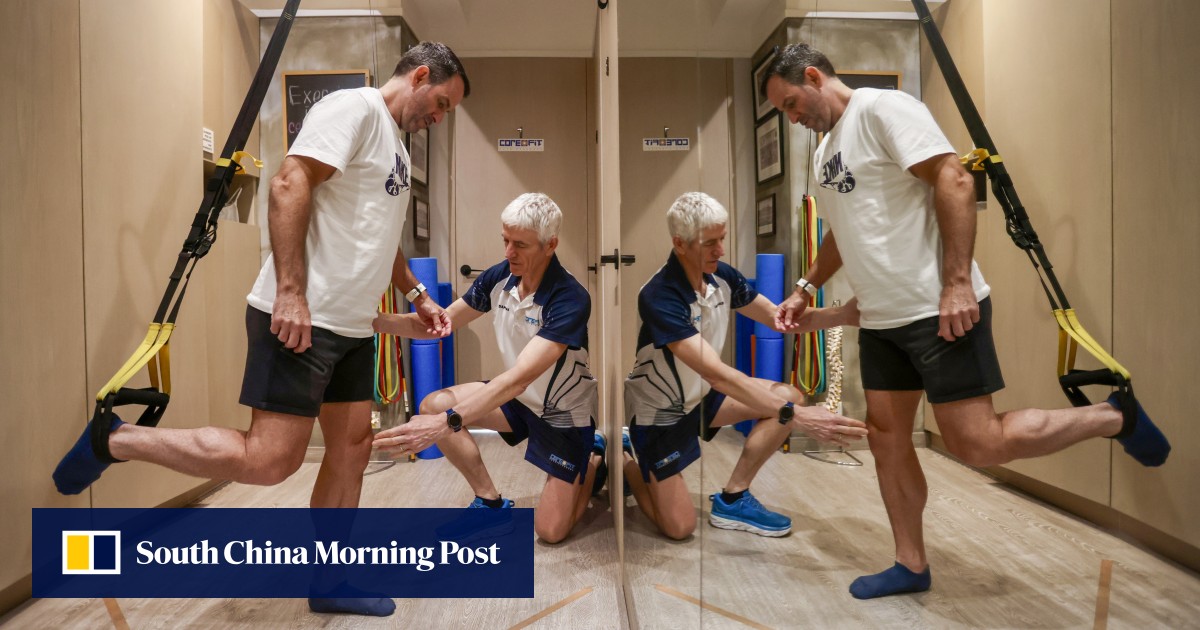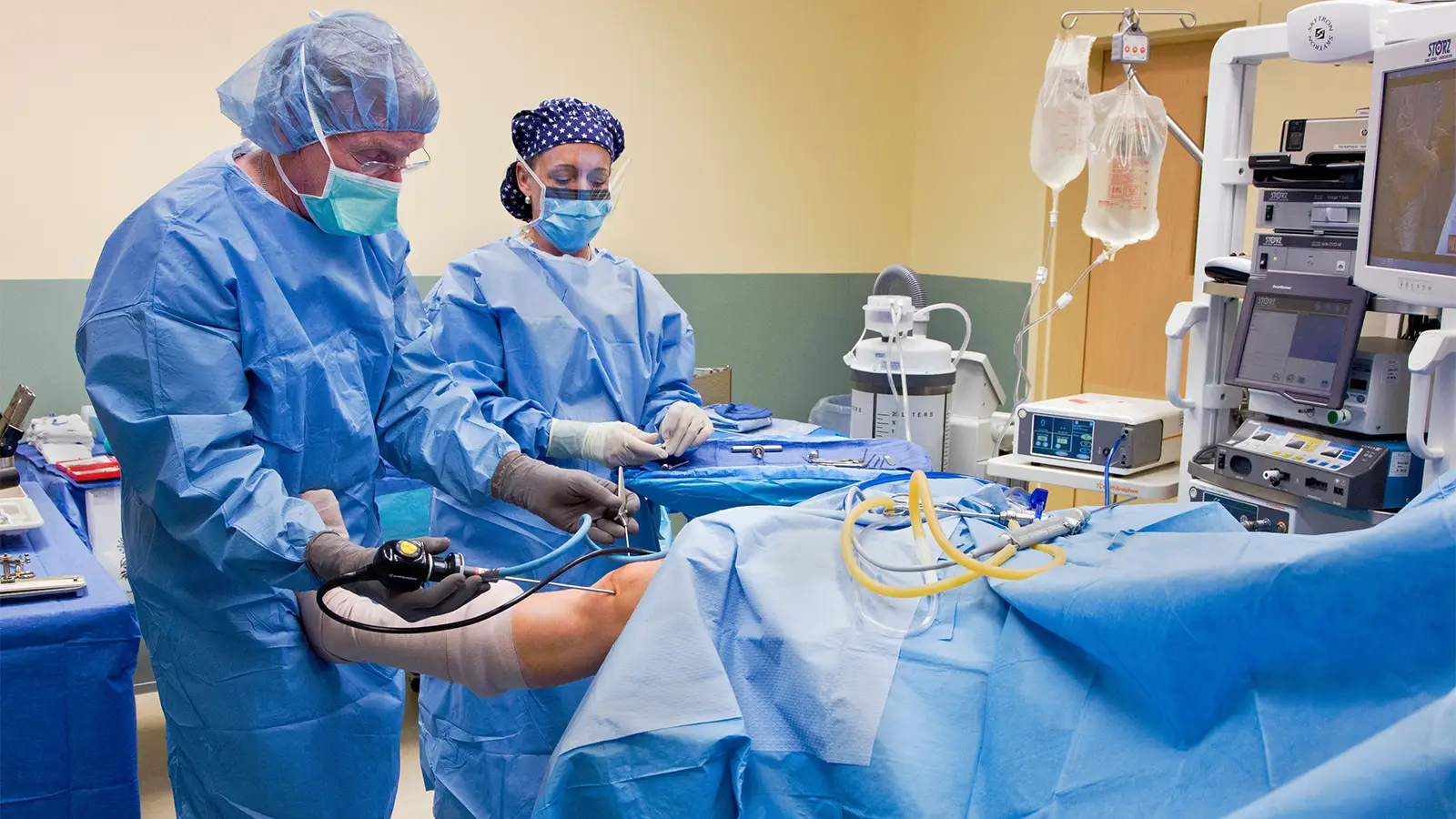
Thousands of Americans who undergo a common knee surgery might be making their problems worse rather than better.
Researchers who followed patients for 10 years after they received either the actual procedure, arthroscopic knee surgery to trim degenerative cartilage tears, or merely "sham surgery" -- a skin incision -- for knee pain, found that the surgery provided little or no benefit and was, in fact, associated with accelerated osteoarthritis and higher rates of reoperation. That generally meant a total knee replacement.
"I don't know how I would defend this procedure at all," said one of the study's authors, Teppo Järvinen, MD, PhD, an orthopedist and the head of the Finnish Centre for Evidence-Based Orthopaedics. "What has been shown dramatically is that patients who have this procedure have more pain -- they do worse. All the scores pointed in the same direction."
Järvinen said the Finnish study, published in April in the New England Journal of Medicine, was the first to show the surgery left many patients worse off. Though the study was small, the results were compelling, he said, because his team picked the patients "most likely to benefit."
The study does not apply to cartilage tears incurred from an acute pain-causing injury. It included subjects middle-age or older who were experiencing knee pain and whose MRIs showed cartilage tears.