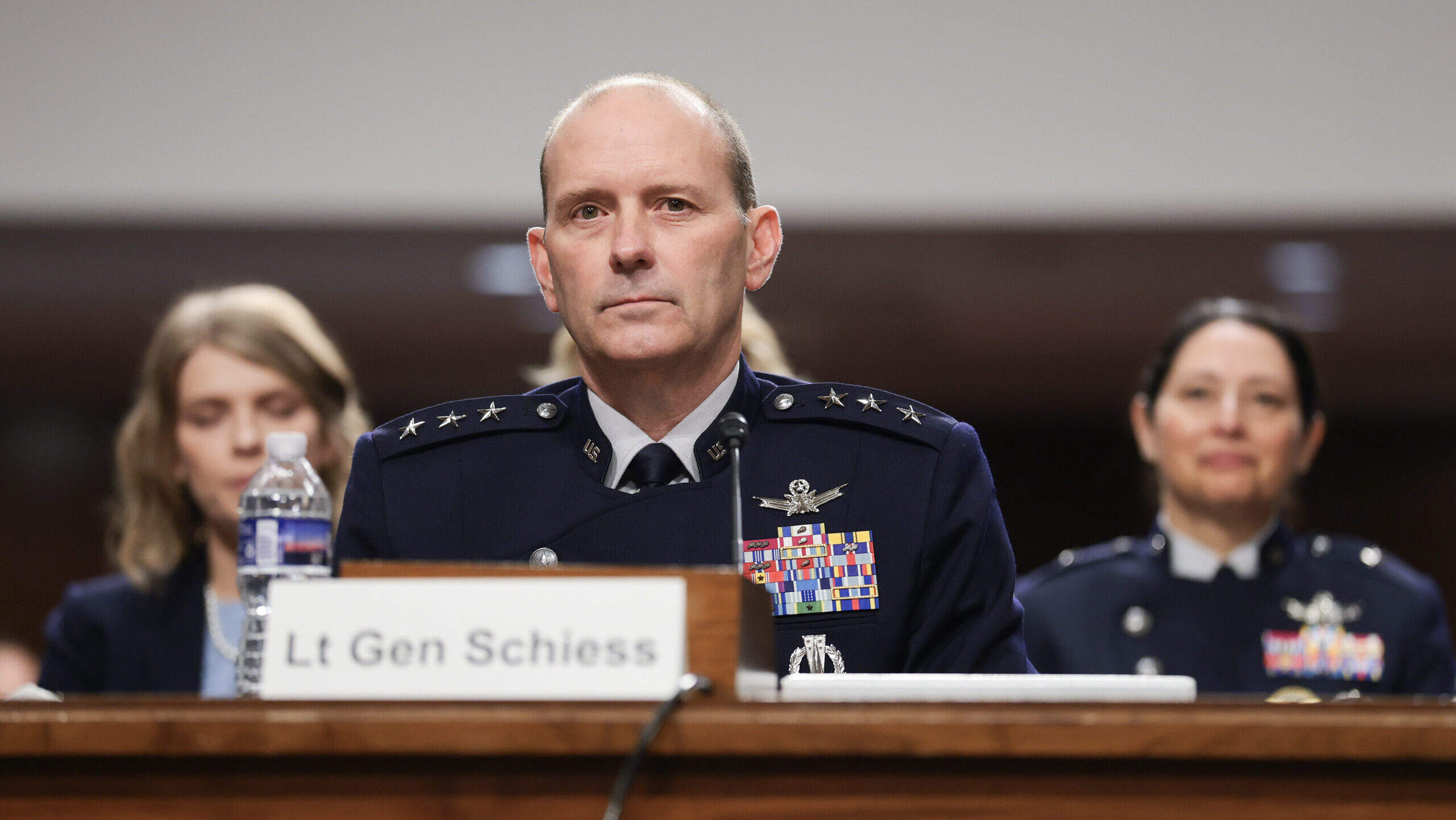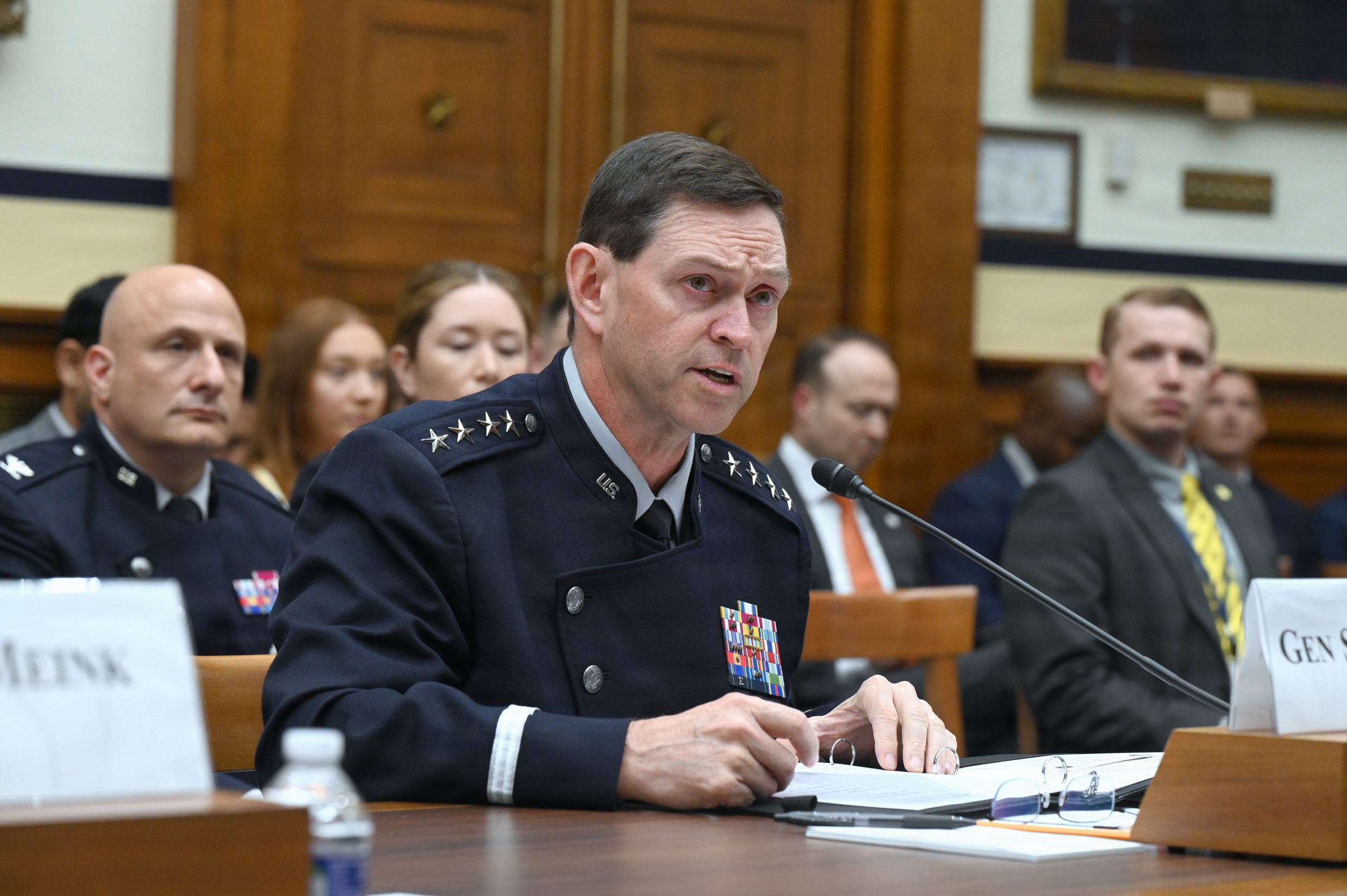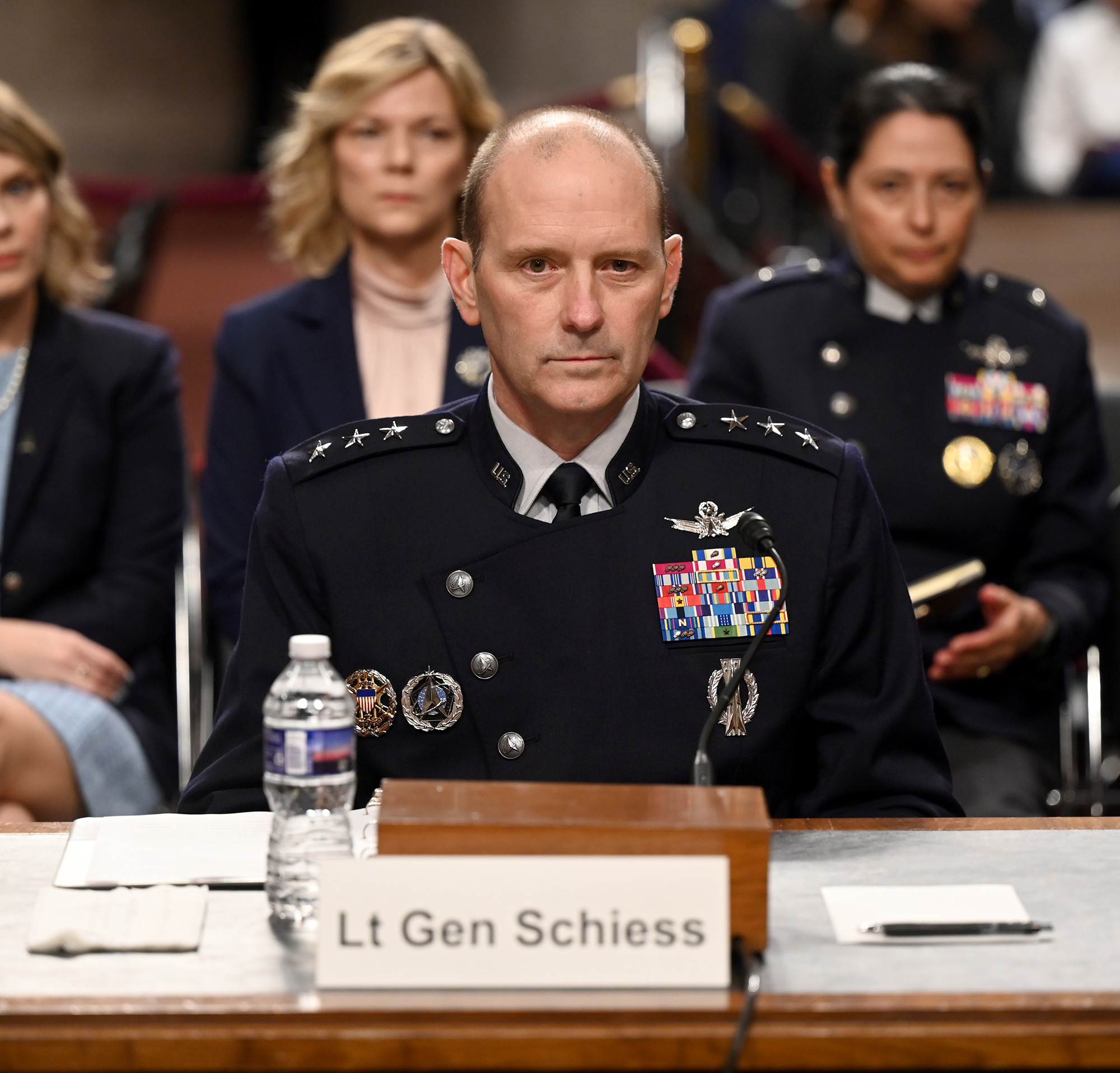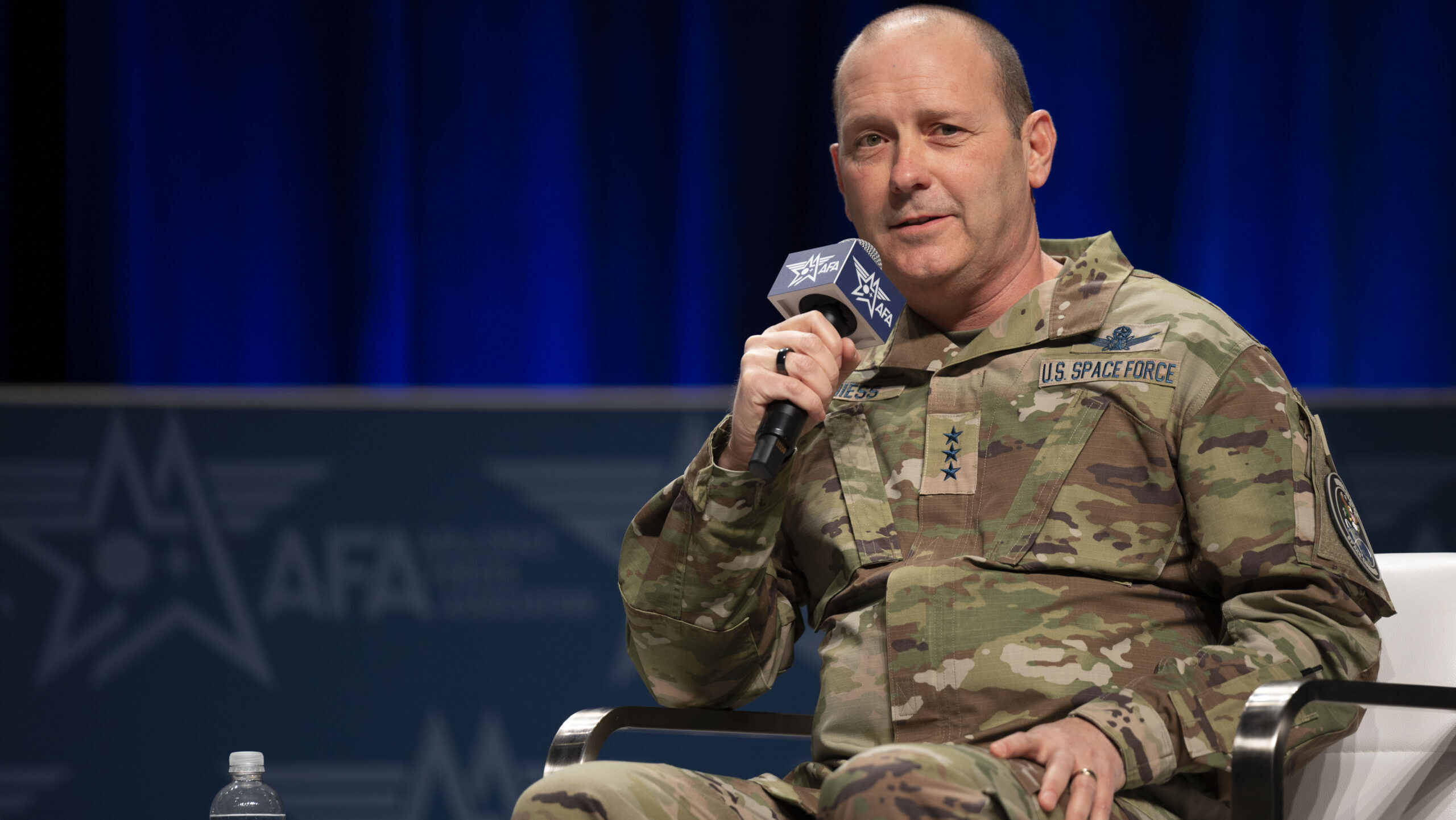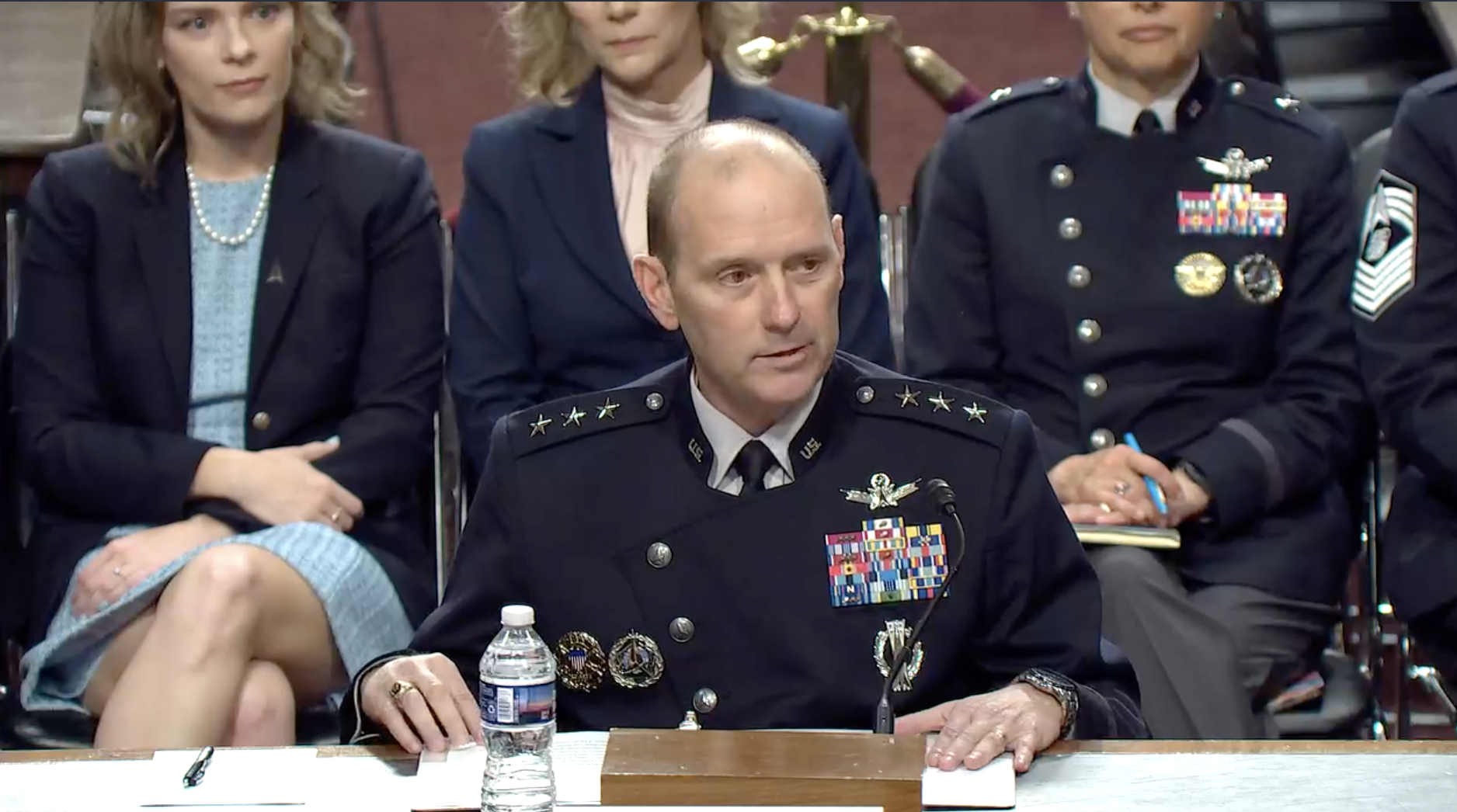
On July 16, Lt. Gen. Doug Schiess will appear before the Senate Armed Services Committee for a hearing as part of his path towards being the third Chief of Space Operations.
If confirmed, he will move into a position that is on solid ground thanks to the leadership of his predecessors. But that does not mean there will not be challenges waiting, including a major one that will have to be addressed quickly: the charge to double the service’s size during his tenure.
While this is a windfall for the Space Force, there are significant challenges with growing a service as rapidly as what the Space Force must now do. Doubling the service from roughly 10,000 to 20,000 military members by 2030 is not a trivial matter. Gen. Schiess and the Space Force must ensure it has the right people, with the right ranks, doing the right functions, and in the right locations — all while preserving the high standards of qualification that make Guardians unique, and in a way that will create a sustainable force structure.
While new accessions are a major part of necessary growth, the service cannot simply open the recruitment spigot and count on thousands of new second lieutenants and new specialists to enter the field. The Space Force must grow across all ranks simultaneously to preserve a structured career path for its officer and enlisted members, preventing the creation of a force structure with too flat a base that will have promotion and assignment implications for decades.