Just as this country celebrated its 250th birthday, some geneticists were celebrating America, too.
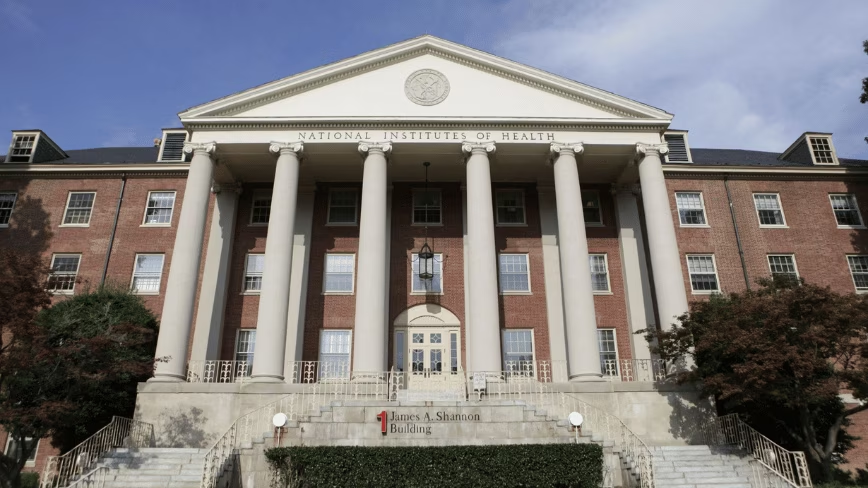
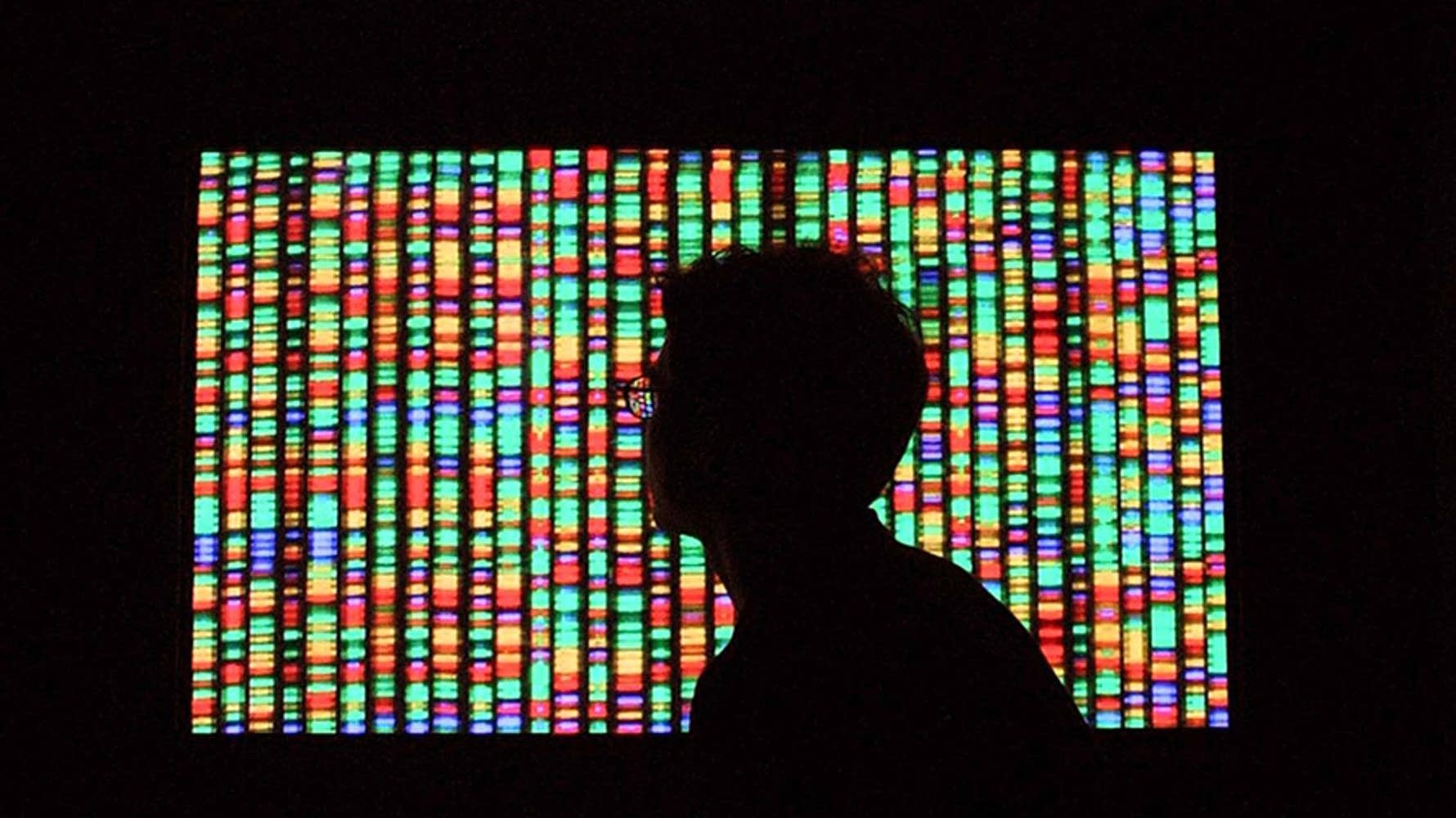
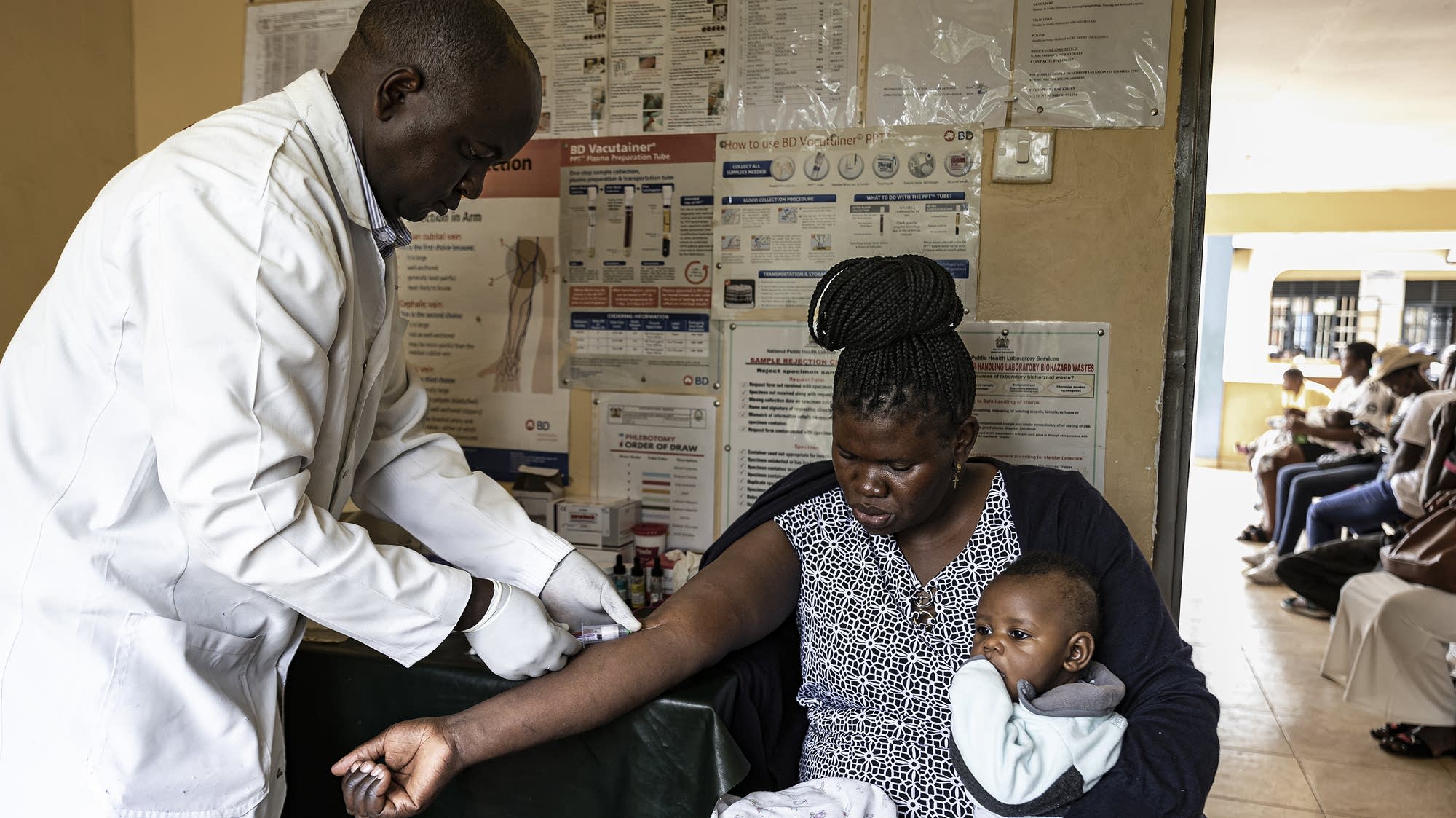
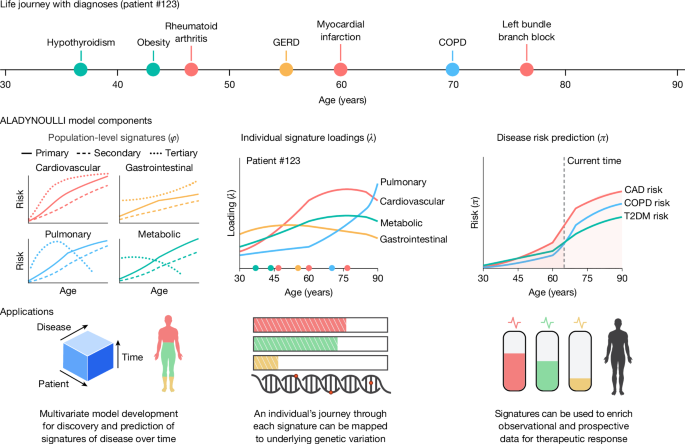
At the end of June, the National Institutes of Health announced its “All of Us” Research Program had become the world’s largest database of integrated health and genomic information. The project, launched in 2015 under the Obama administration, aimed to collect comprehensive genetic information and health records from at least a million Americans. Eleven years later, they’re approaching that goal, with 747,000 volunteers sharing their whole genomes, lifelong health records, or both.
Comparable nonprofit efforts had already taken shape in the U.K., Canada, Germany, and Japan. But Alicia Martin of the Broad Institute hopes the U.S. repository will be the most valuable resource of its kind for the study of disease’s genetic and environmental roots, given the nation’s size, diversity, and patchwork healthcare system.
In this edited conversation with the Gazette, Martin explains the value of such a resource in a country that’s home to over 342 million genomes and counting.
I know you didn’t work on this project directly but what excites you about “All of Us”?