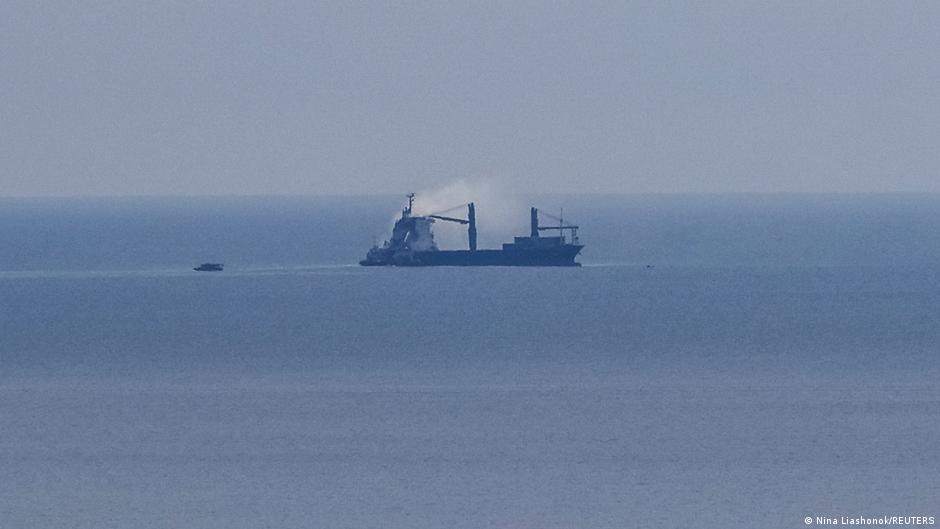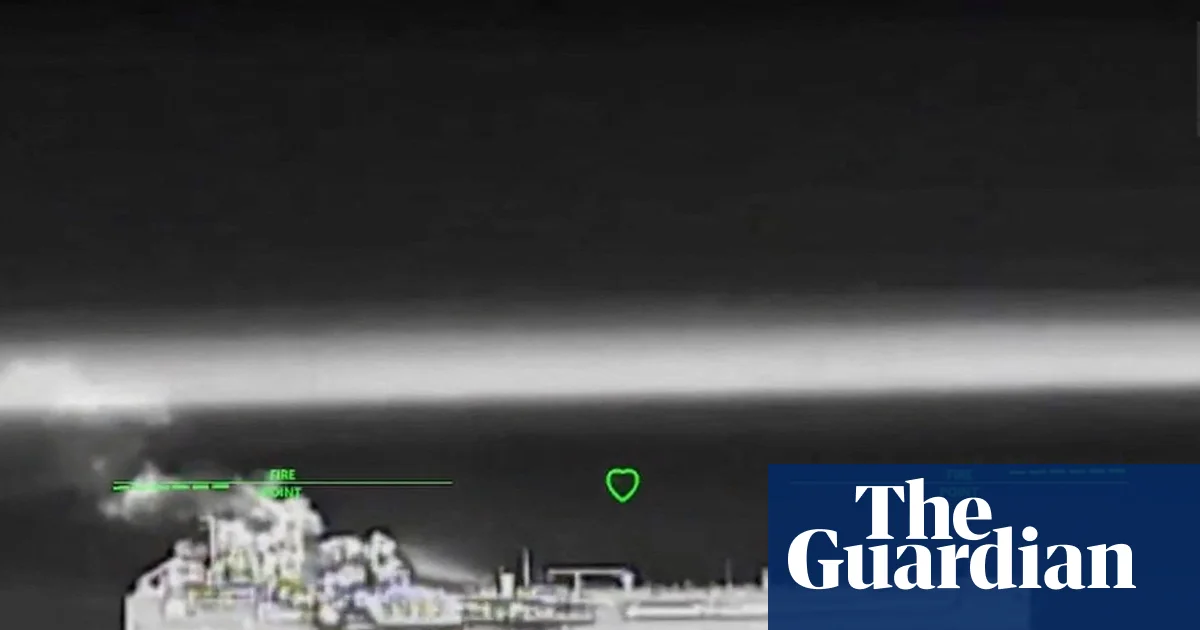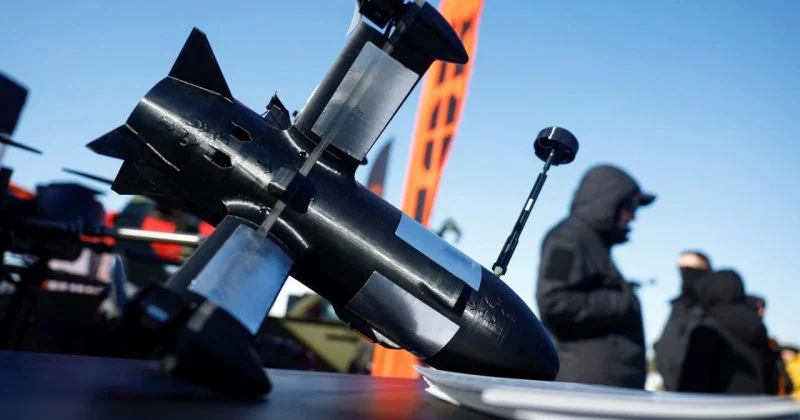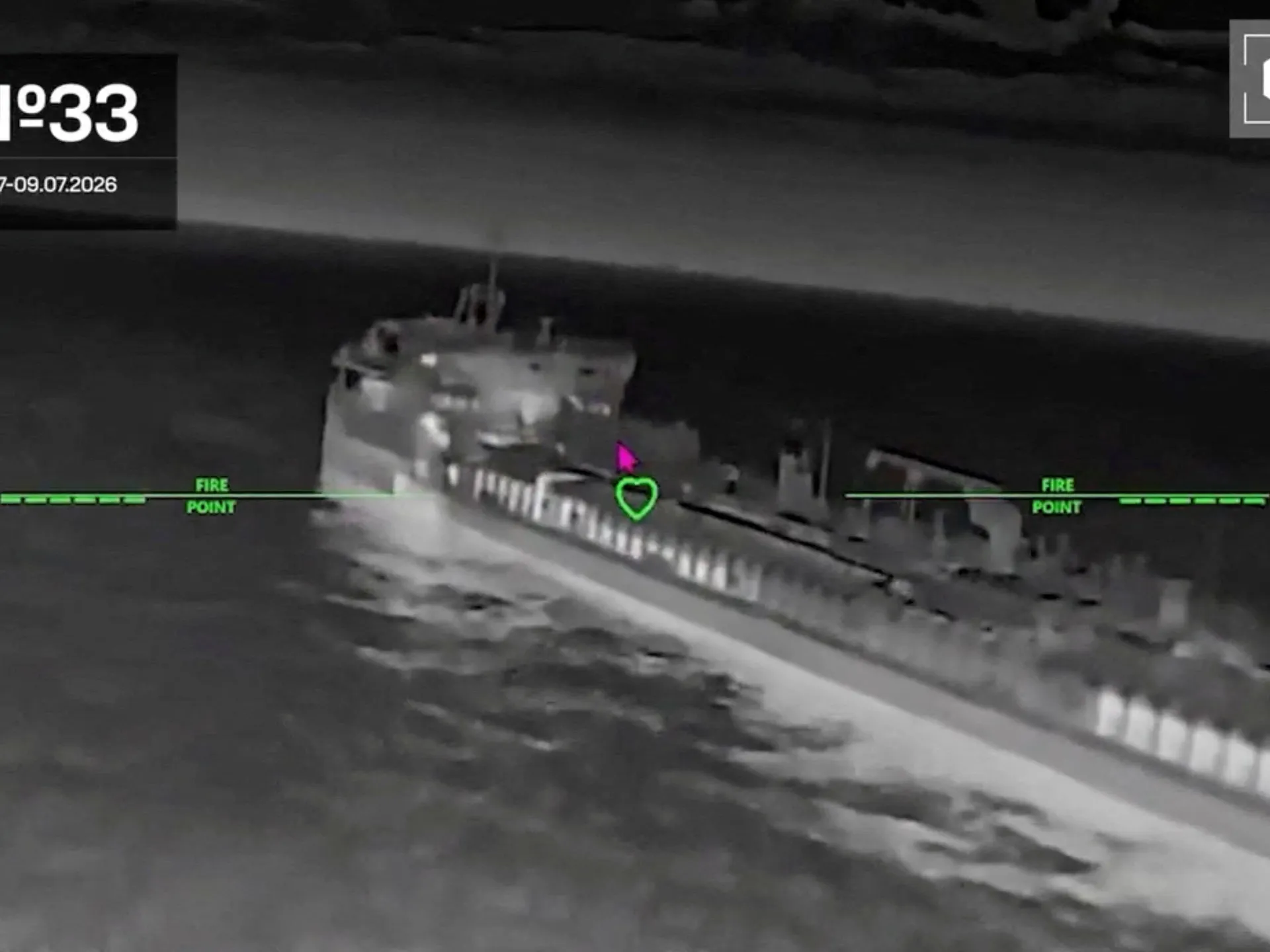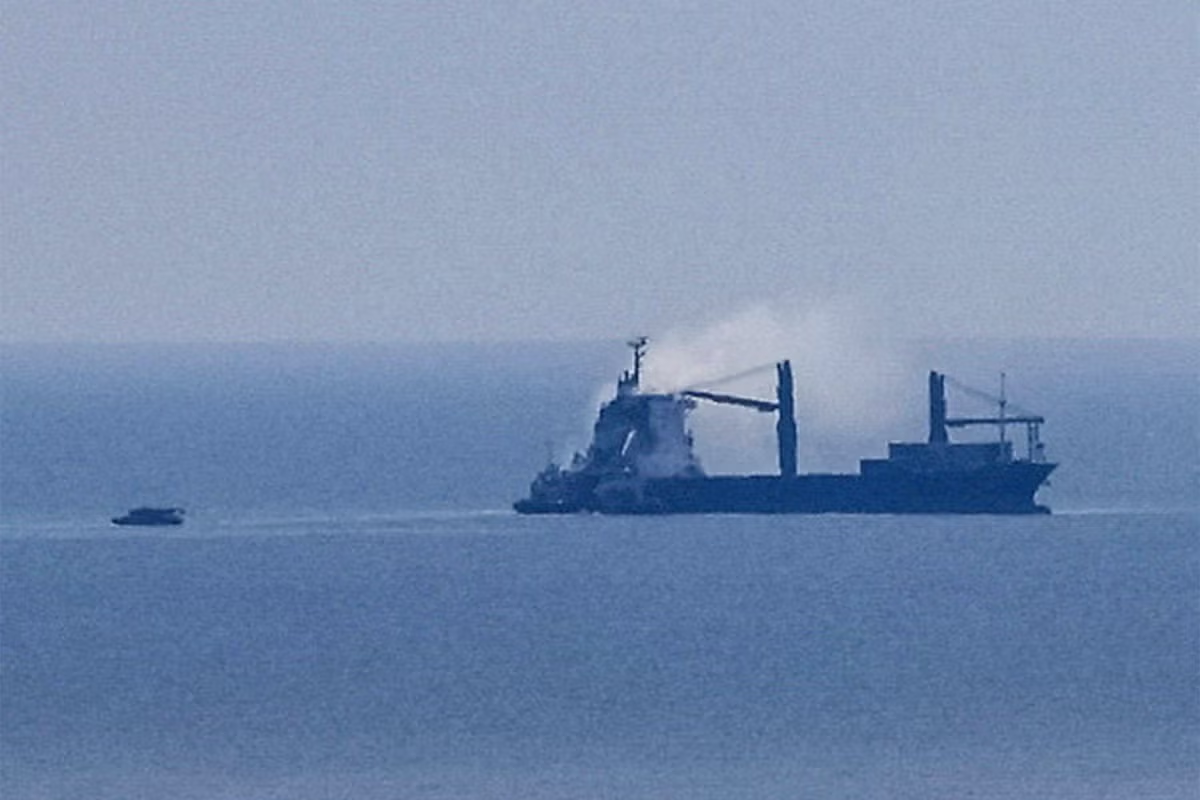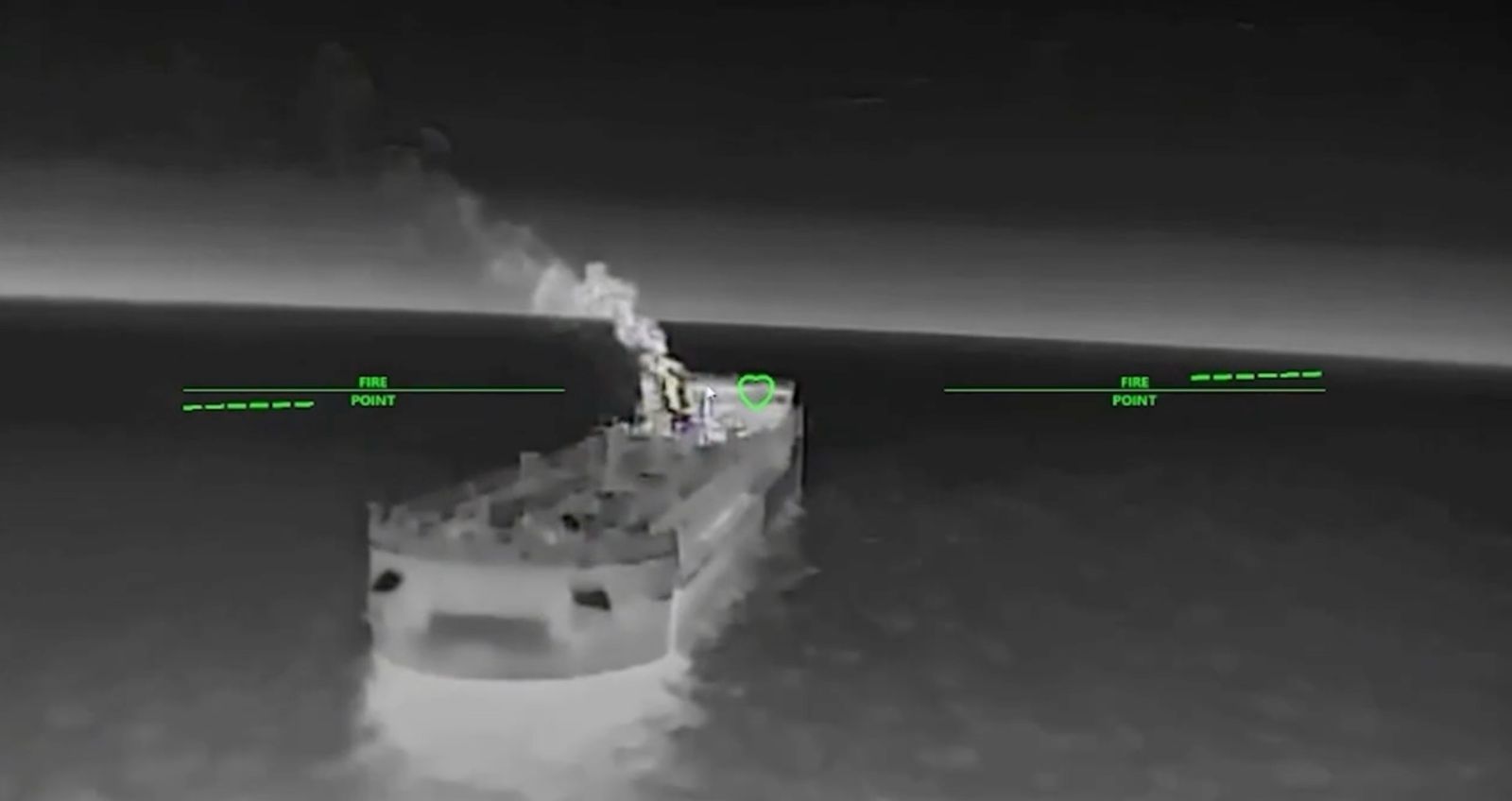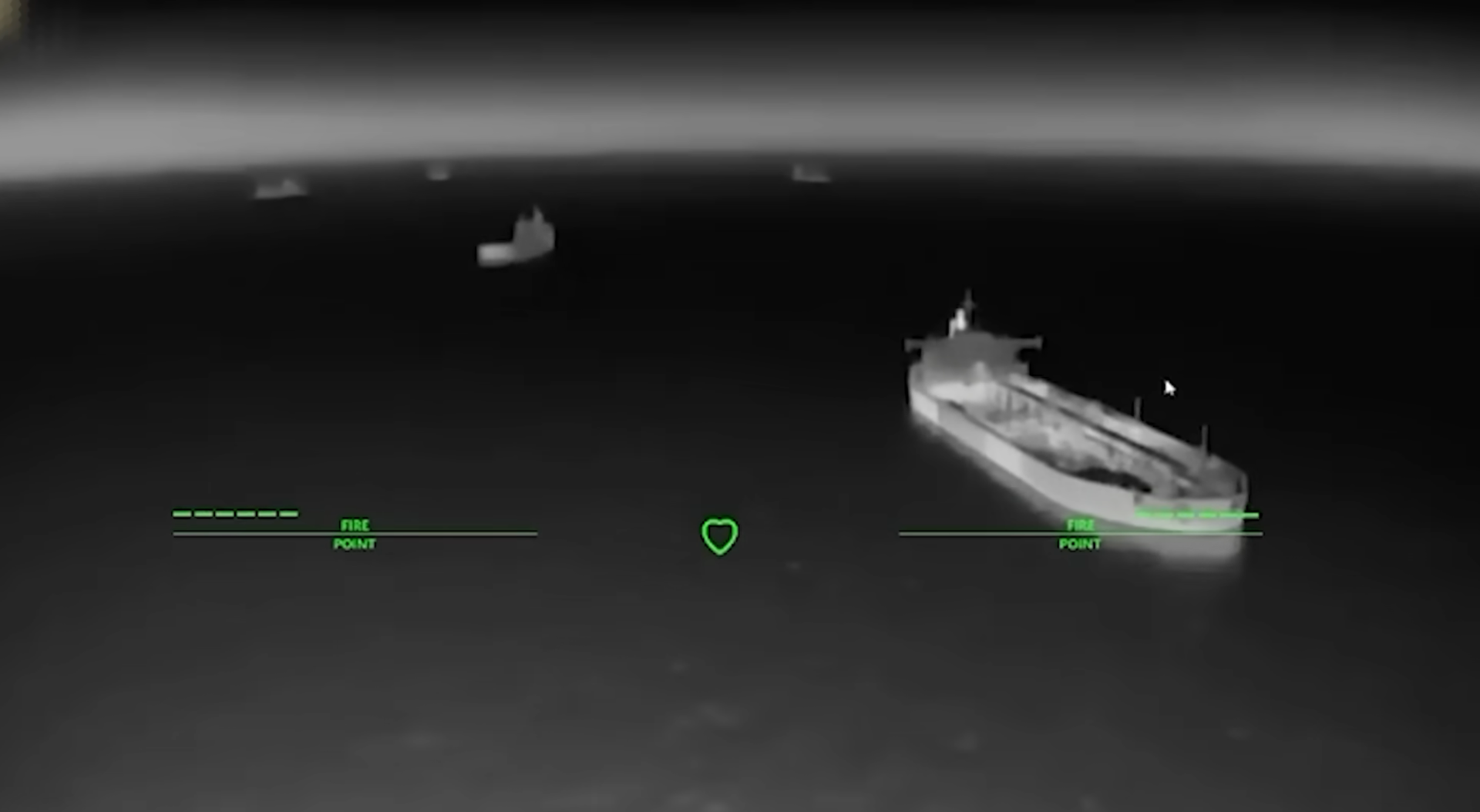
Eleven Russian ships were struck overnight on July 14, bringing the total to 116 vessels targeted in nine days sustained drone campaign against Russian shipping in the Sea of Azov during Operation "MoLoCHKa." (YouTube / Robert "Madyar" Brovdi)Over the past nine days, Ukraine has launched a sustained drone campaign against Russian shipping in the Sea of Azov, opening a new front in its effort to "isolate Crimea" and disrupt Moscow's military logistics and export routes.The operation, led by Ukraine's Unmanned Systems Forces and dubbed "MoLoChKa" by its commander, Robert "Madyar" Brovdi, targets Russian military and commercial vessels. Oil tankers linked to Russia's so-called shadow fleet, dry cargo vessels, ferries, and tugboats operating along one of Russia's key maritime corridors have been hit. As of July 14, Brovdi said Ukrainian drones had attacked 116 vessels.Early signs suggest the campaign is already affecting Russian maritime traffic, according to shipping data and analysts tracking activity in the region.What are the targets?Unlike Ukraine's earlier campaign against Russia's Black Sea Fleet, which focused primarily on warships, the new operation targets the commercial vessels that keep Russia's maritime logistics running.According to Brovdi, one of the operation's main objectives is Russia's fleet of small- and medium-sized feeder tankers. These shallow-draft vessels, typically around 140 meters long with a deadweight of roughly 7,000 tonnes, transport oil from Russian terminals through the Volga-Don Canal and the Sea of Azov to larger oceangoing tankers waiting offshore in the Black Sea.
As pressure on Crimea heats up, Sea of Azov enters Ukraine's crosshairs
Ukraine has opened a new front in the Sea of Azov, targeting Russian military and commercial shipping in an effort to isolate Crimea. Early shipping data suggests the campaign may already be disrupting maritime traffic.
1,068 words~5 min read