TL;DRKalshi built a forward curve for GPU compute costs using prediction market contracts, joining CME and ICE in financialising AI infrastructure.
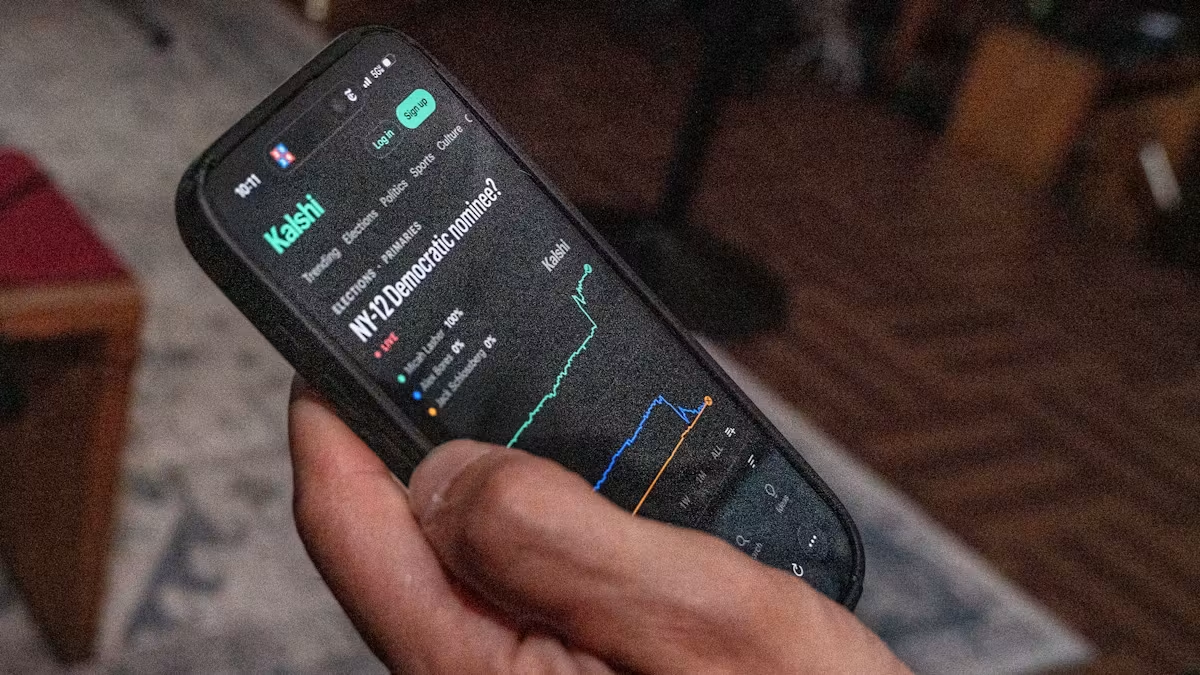
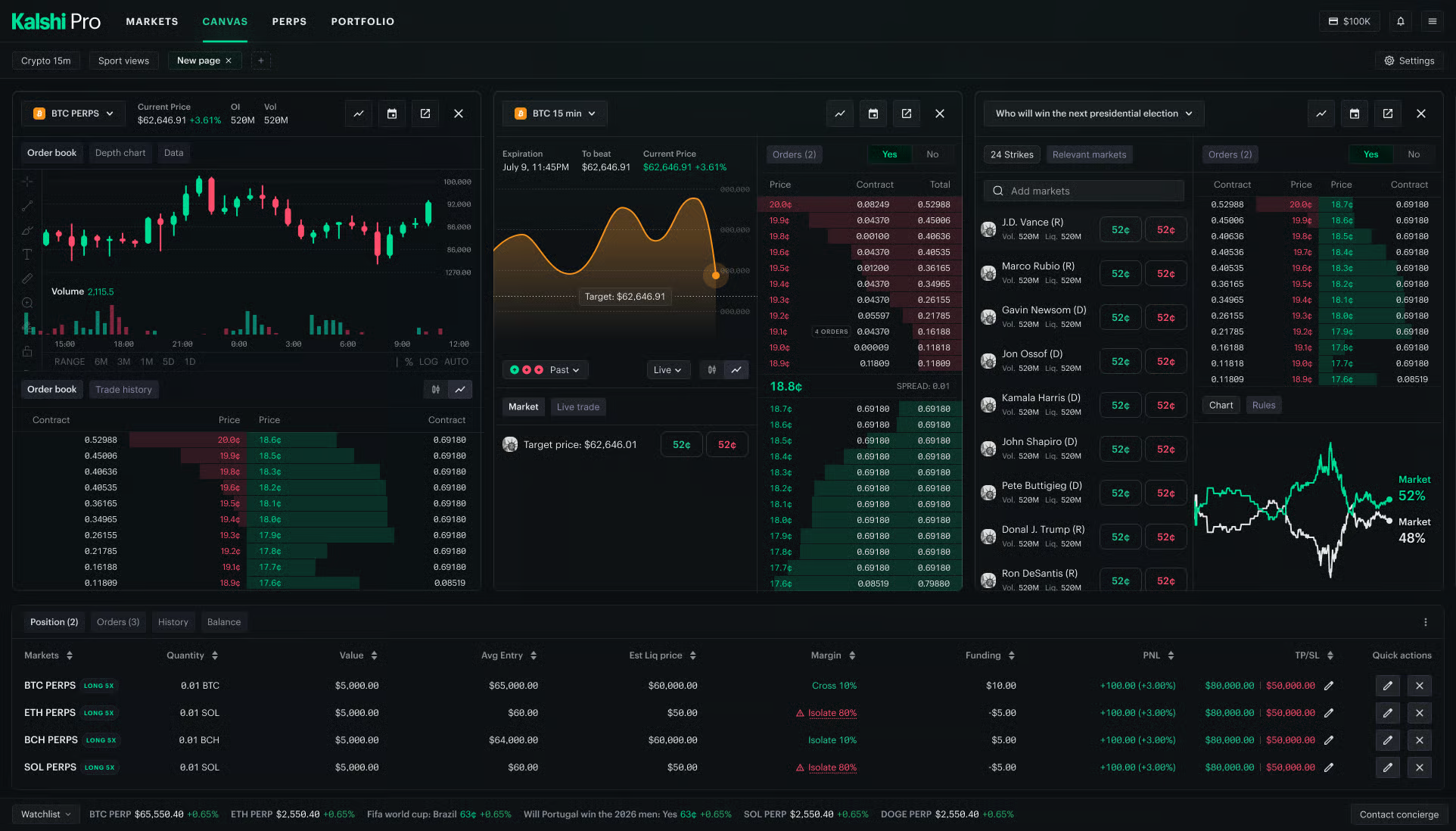
Kalshi, the prediction markets exchange, has built a forward curve that tracks the future price of computing power, joining a growing list of exchanges and index operators trying to turn GPU rental costs into a standardised financial instrument. The tool uses weekly and monthly event contracts related to compute prices, extending up to a year into the future. An algorithm then stitches those contracts into a single curve that can serve as a reference for futures, options, and other derivatives.
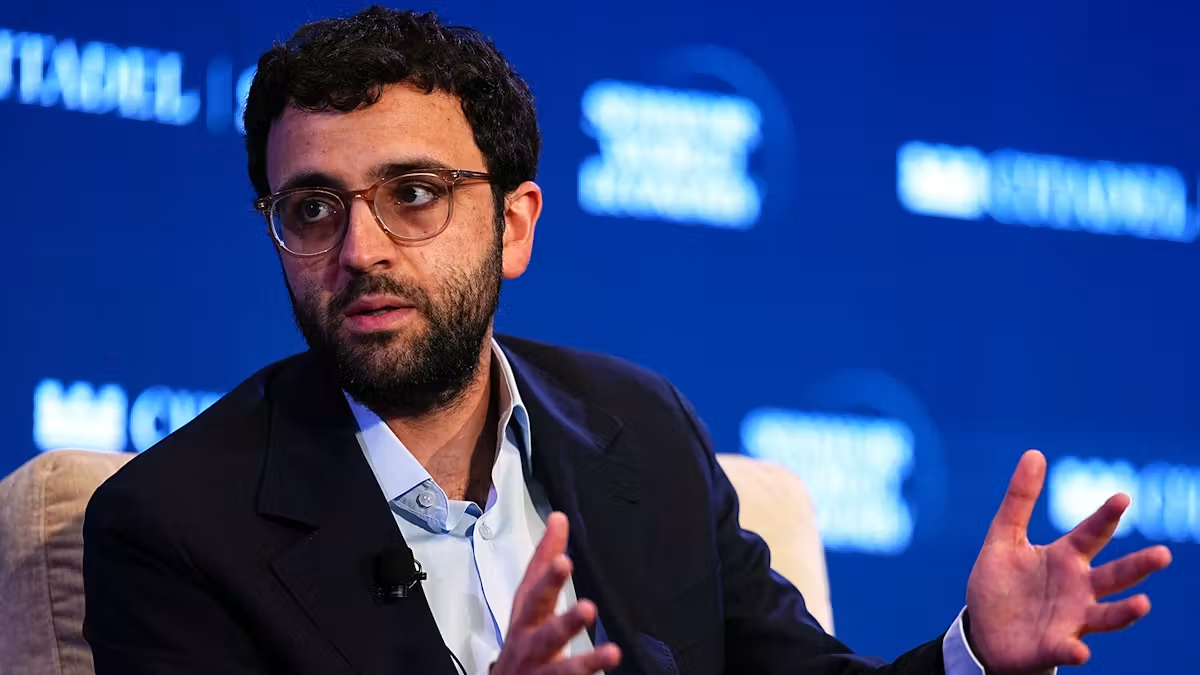
“We are using prediction markets to build the forward curve, which will provide the market a view of what compute costs will be in the future for different grades and time-frames of GPUs,” Udesh Jha, Kalshi’s chief risk officer, told Bloomberg. Forward curves are a staple of commodity markets, used to plot expected future prices of everything from crude oil to natural gas to interest rates. The fact that one now exists for GPU rental costs says something about how far compute has travelled toward becoming a commodity in its own right.
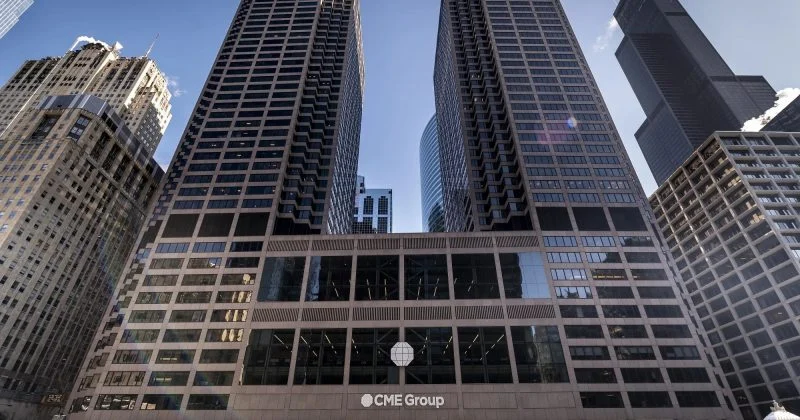
Kalshi is not the only exchange moving on compute. CME Group announced compute futures in May, partnering with Silicon Data to build contracts linked to an index tracking the hourly cost of renting high-end GPUs. Days later, Intercontinental Exchange said it would team with Ornn to launch its own cash-settled compute futures, making at least three serious entrants in the race to establish the benchmark contract for AI computing power.