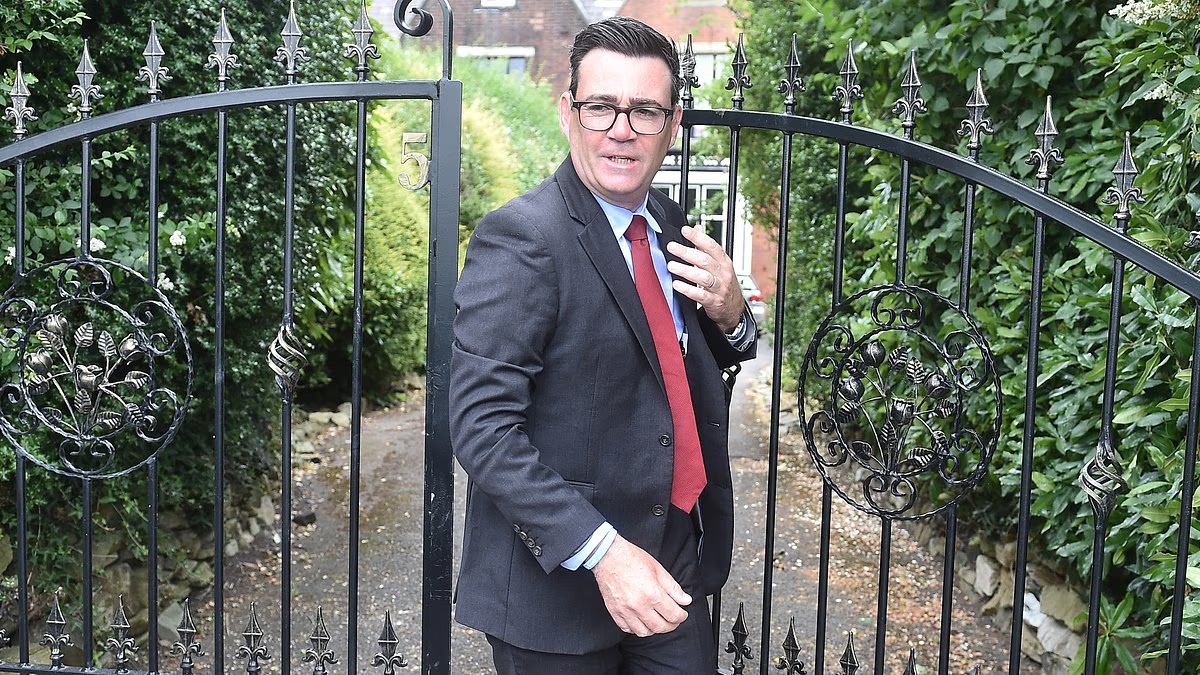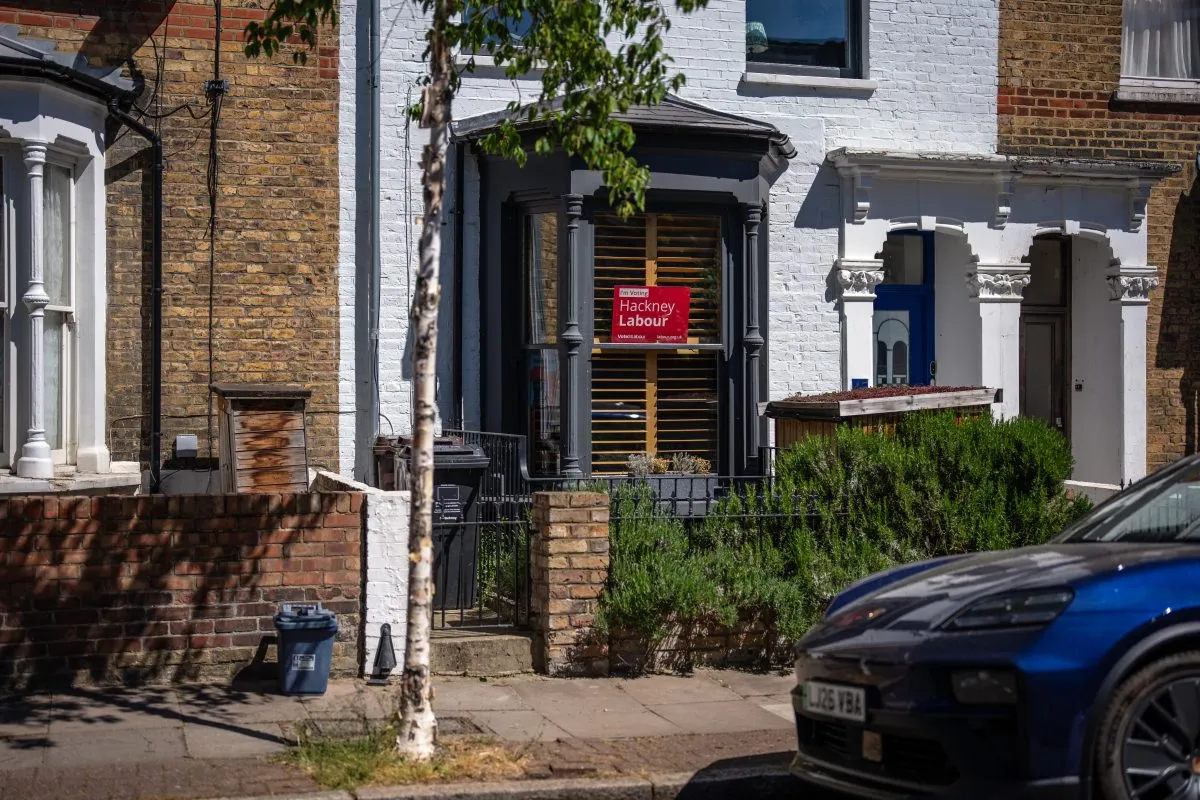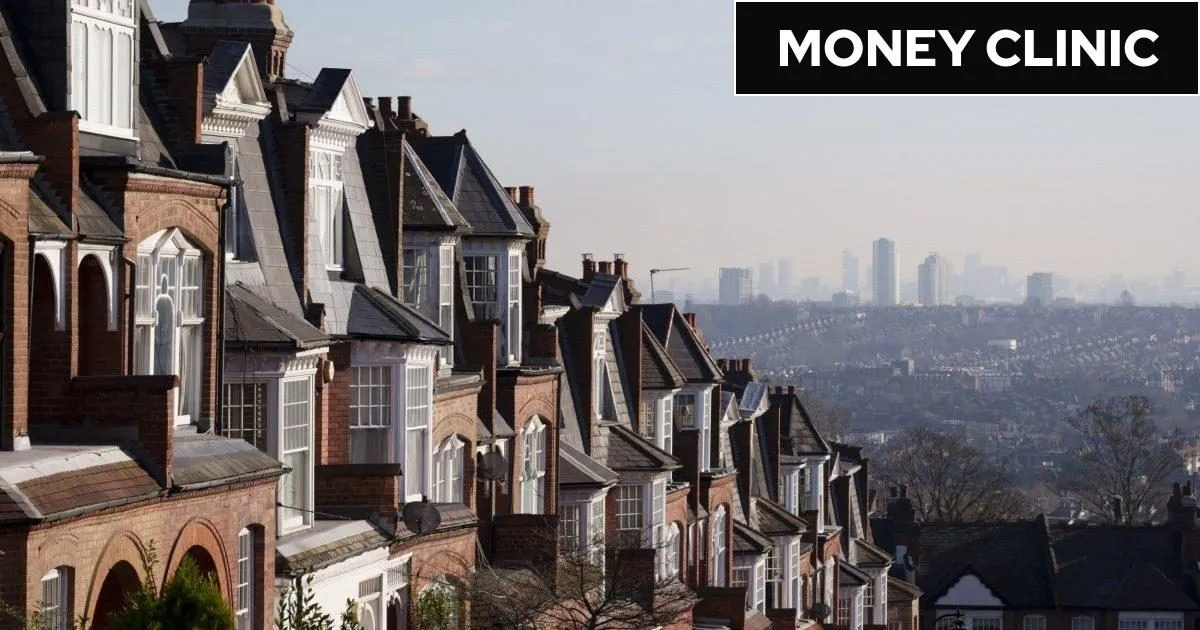
The potential battering London and the South East could take from an Andy Burnham 'land tax' has been laid bare in a report.Some households would face paying more than £50,000 a year under such a system, according to the analysis - just because they live in expensive areas. Even experts who support the principle of a land value tax - or LVT - admit that it risks sending property prices tumbling and might be politically 'impossible'. The incoming PM has talked up his determination to overhaul the tax system, with huge pressure from MPs to raise more cash for spending.Mr Burnham has said he is 'persuaded' of the argument for a LVT, which would be based on the undeveloped value of land.However, it is far from clear how the details would work in practice. And modelling from Tax Policy Associates has underlined the huge impact there could be on the capital and surrounding counties - while other areas benefit. The think-tank found that an annual levy of 1.28 per cent of the land value would roughly cover the current revenues from council tax and stamp duty.But the estimates - which they stress are only illustrative - suggest that owners of a band F flat in Islington would be paying £12,000 a year, instead of £2,900 in council tax. Modelling from Tax Policy Associates underlined the huge impact on the capital and surrounding counties - while other areas could benefit Andy Burnham has said he is 'persuaded' of the argument for a LVT, which would be based on the undeveloped value of landSomeone who bought a band H property in Westminster or Kensington that has soared to be worth millions of pounds would need to find £44,000 and £54,000 respectively.Outside the M25, the owner of a Band F home in Guildford would be facing a £6,200 a year charge, instead of £3,500 in council tax at present. A Band F in Brighton attracts similar council tax currently, but would be in line for an £8,700 annual bill.The report suggests there could be transitional arrangements, including credits offsetting stamp duty already paid.But it also highlights that postponing collection of the tax would mean the percentage charge has to be significantly higher.The model projects eye-watering property falls in the areas affected, such as a 19 per cent plunge for average homes in Richmond-Upon-Thames. Dan Neidle, who founded the think-tank, said they had tried various configurations of an LVT and all 'look really challenging'. Posting on X, he said the tax was 'economically the right thing to do', partly because it encourages people to use land efficiently. But he added that the 'short-term effects look too serious and the politics impossible'.'I started out trying to make the case for land value tax, and I still think it's the right thing to do,' Mr Neidle said. 'But we have to compromise with reality. An LVT is the right destination, but the path isn't clear to me.' The report points to an example from Australia where changes were phased in over 20 years as a possible solution.The findings will intensify questions about how ambitious Mr Burnham will be on tax when he takes over from Keir Starmer on Monday. He has committed to stick to Labour's manifesto pledges, ruling out increases in income tax, national insurance and VAT. That leaves the new Government with limited room for manoeuvre as Left-wingers clamour for 'wealth' taxes. The potential battering London and the South East could take from an Andy Burnham 'land tax' has been laid bare in a reportOn the campaign trail in May, Mr Burnham said: 'I think land is under-taxed. I look at... swathes of Greater Manchester that is land that's held, but there's no charge in terms of redundant land, or land that's not used.'I've long been persuaded of the argument for a land value tax.'He added: 'I'm personally keen to see reform of council tax. It's a highly regressive tax, and I think it's not justifiable based on those 1991 valuations, so I see a big case for land and property and business taxation to be changed.'
How a Burnham 'land tax' could batter London and the South East
Some households could end up paying more than £50,000 a year under a version of the system, according to the analysis - just because they live in expensive areas.
683 words~3 min read