For the third time in a little over a decade, British lawmakers stood up one-by-one in Parliament on Monday, paid tribute to a slain politician, and echoed each other’s fears about the rising tide of violence in politics.
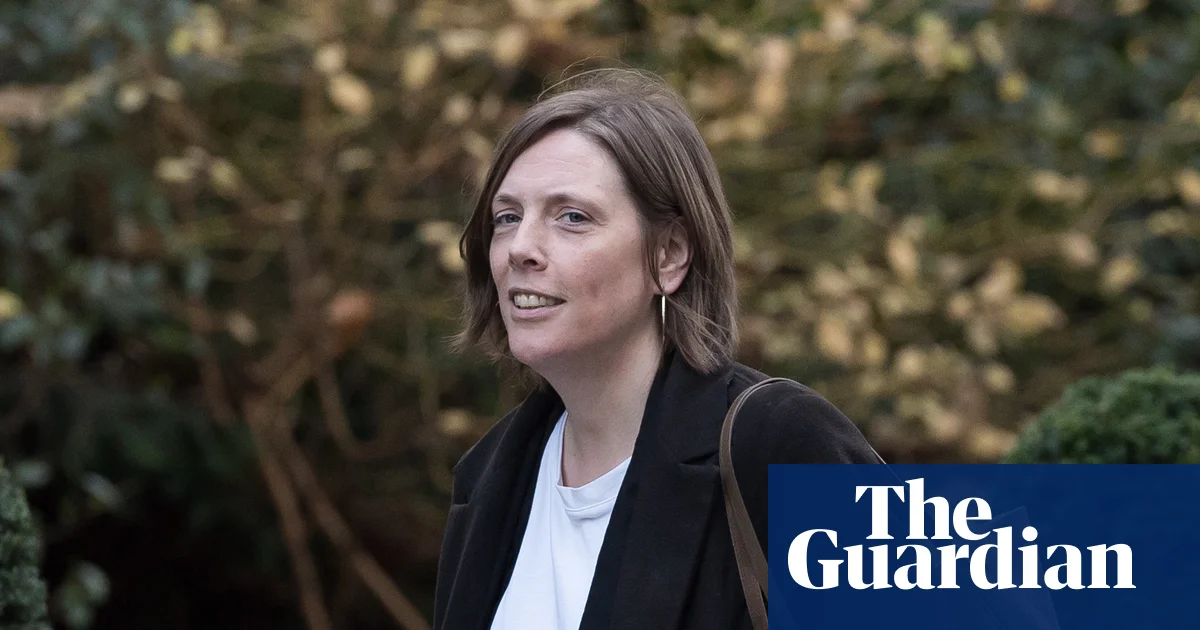
“Politics is a calling for those of us here, but it should not be a dangerous one,” the country’s Home Secretary Shabana Mahmood said, as she sought to reassure Members of Parliament (MPs) of their security. “We must always be vigilant and respond to changing threats.”
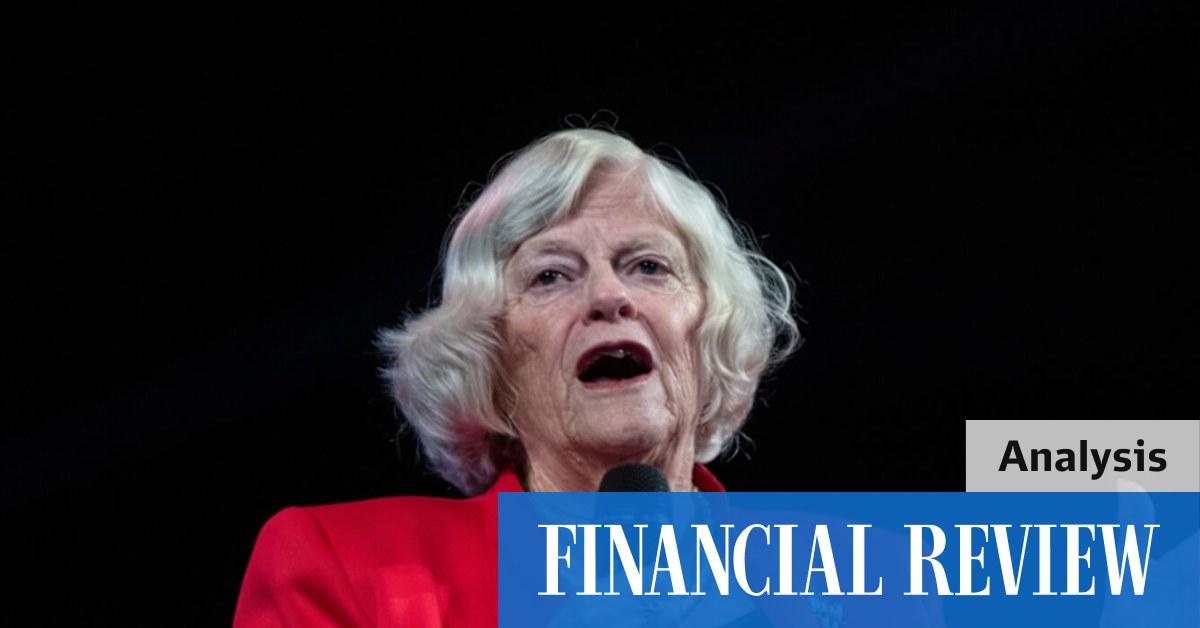
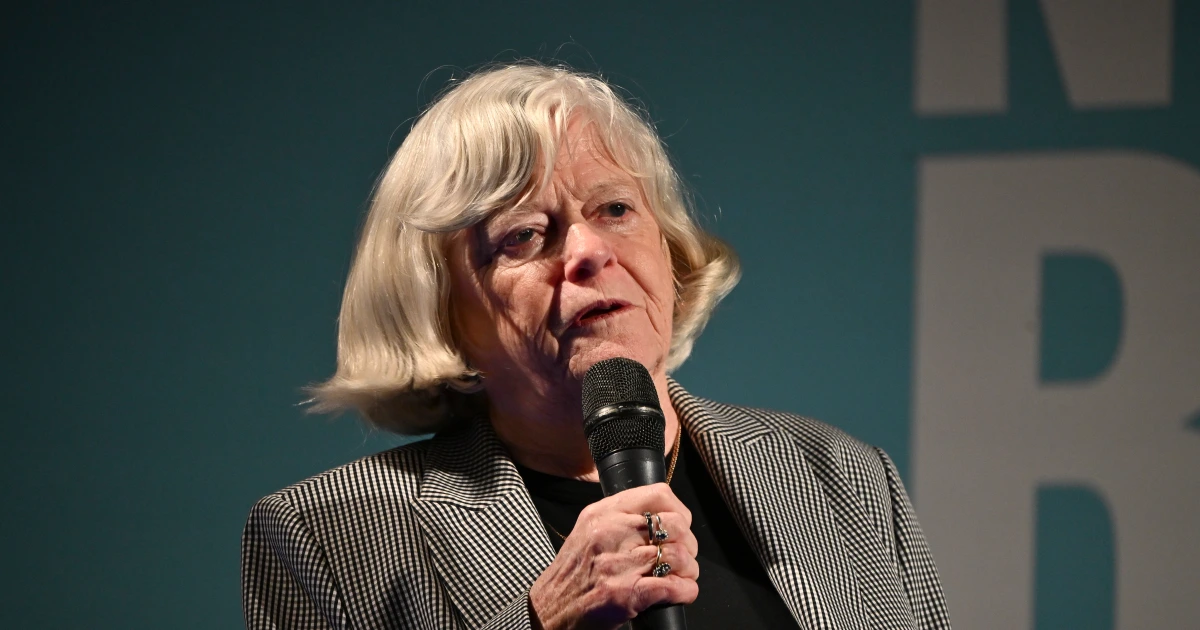
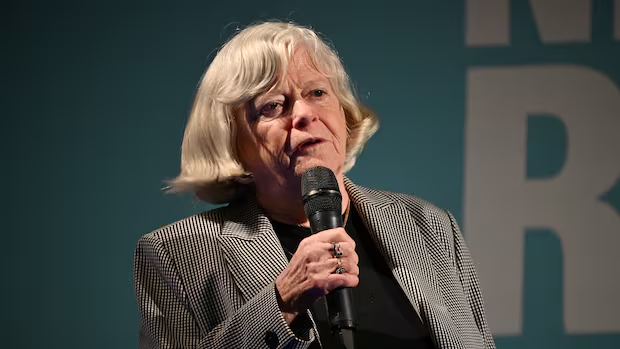
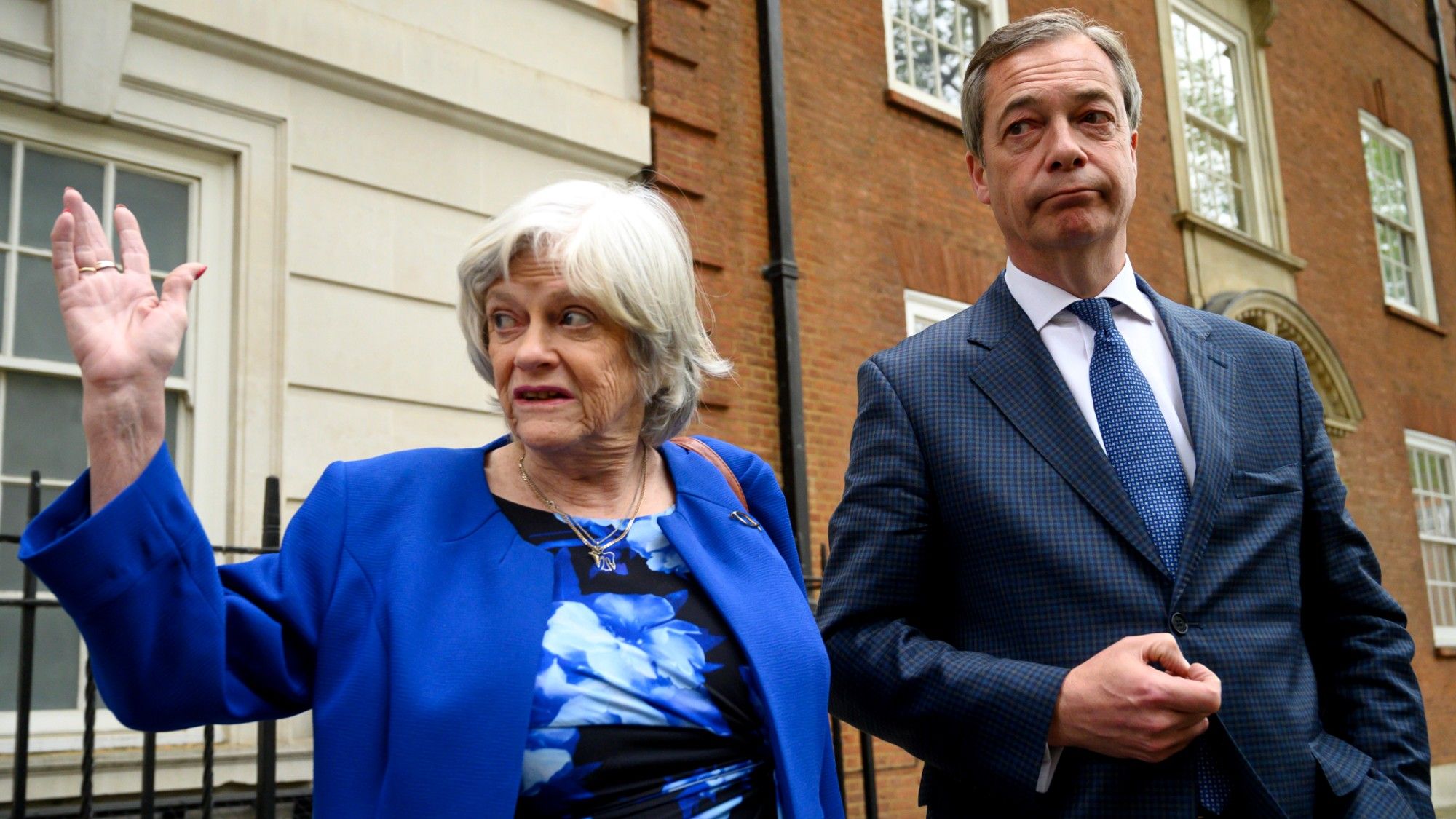
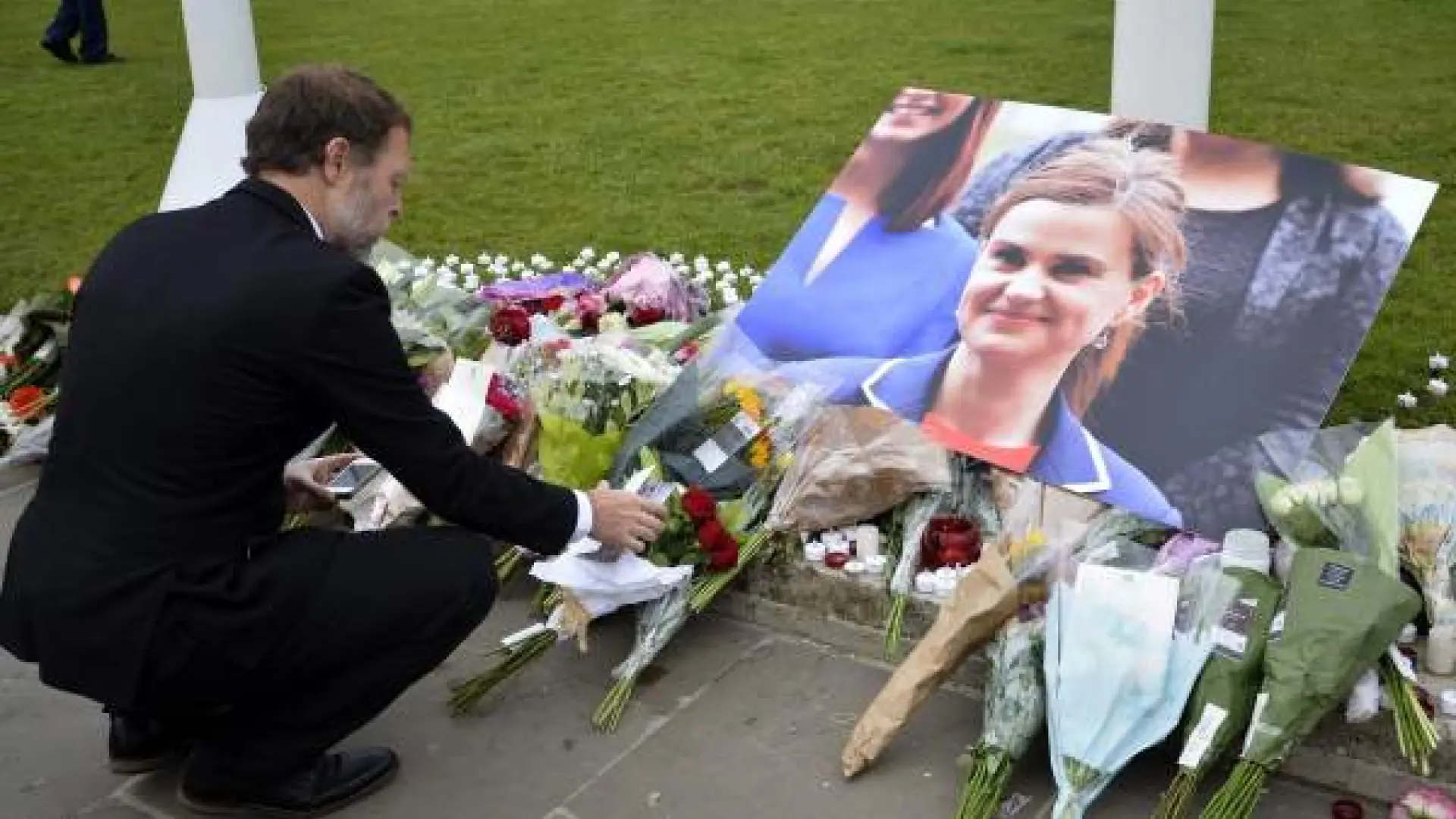
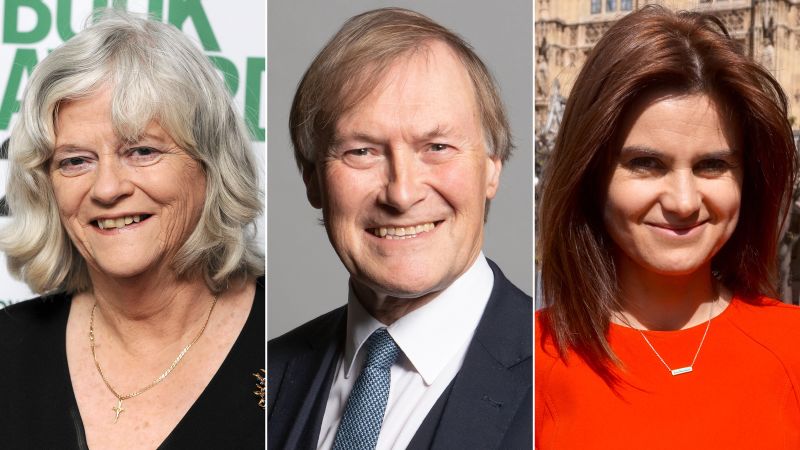
The killing of former MP Ann Widdecombe last week, coming after the murders of sitting MPs Jo Cox and David Amess in 2016 and 2021, respectively, has reinforced that the last decade has been one of the most dangerous periods for UK politicians in the country’s history.
Not since “The Troubles,” the name used to describe the sectarian violence in Northern Ireland from the late 1960s until the Good Friday Agreement in 1998, have so many politicians been killed in a short period of time. During that time, four MPs were killed by Irish republican militants between 1979 and 1990.
Unlike then, however, there has been no active conflict within the country’s borders during this spate of violence. Police launched an investigation after Widdecombe, a former Conservative MP who then served as the immigration spokesperson for the right-wing populist Reform UK party, was found dead at her home last week having sustained “serious injuries.”