Tanzania’s foreign policy has changed in the past five years. There is a clear break from the mood, tone and actions of President John Magufuli, who ran the country from 2015 until his death in 2021. His rule was marked by challenges to foreign investors, an emphasis on sovereignty, reduction in international engagement and withdrawal from important legal commitments.
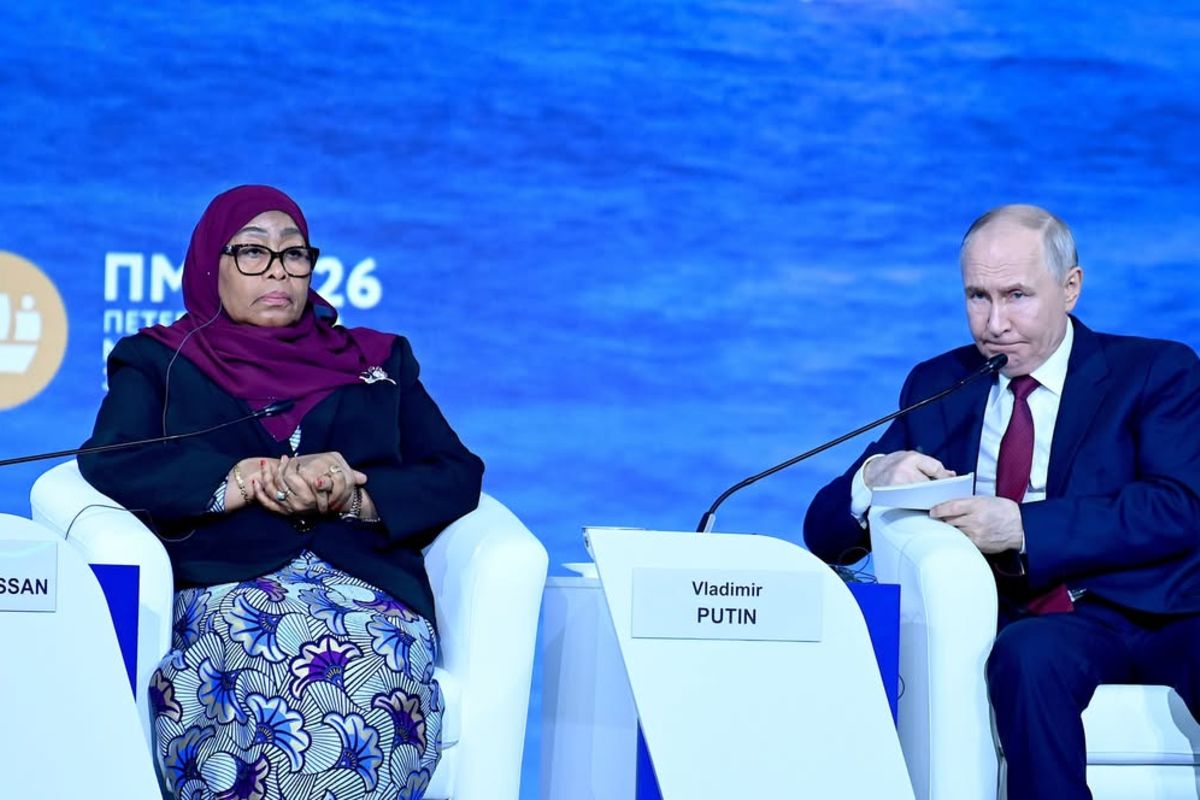
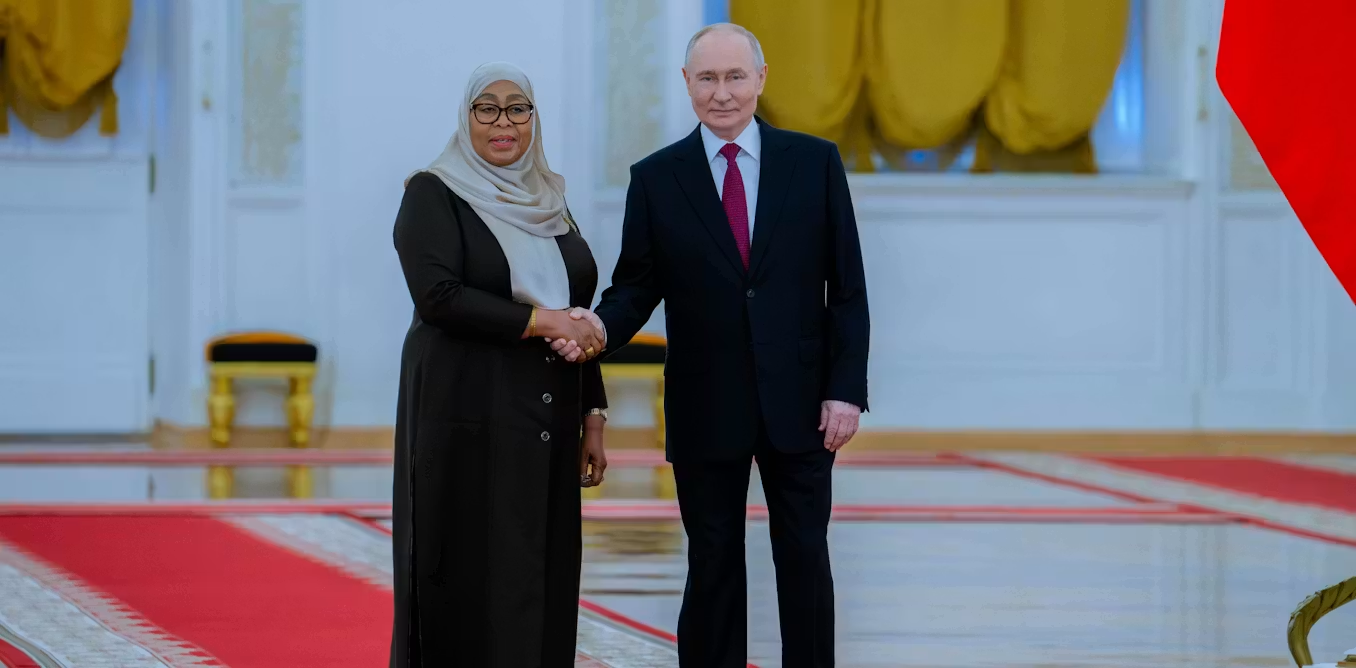
His successor, President Samia Suluhu Hassan, has adopted a different tone. Her administration has courted investors, repaired diplomatic relationships and presented Tanzania as open for business and cooperation.
It is tempting to explain this simply as a change in leadership style. Magufuli was combative; Hassan is more diplomatic.
But I argue that the change in leadership is only part of the story.
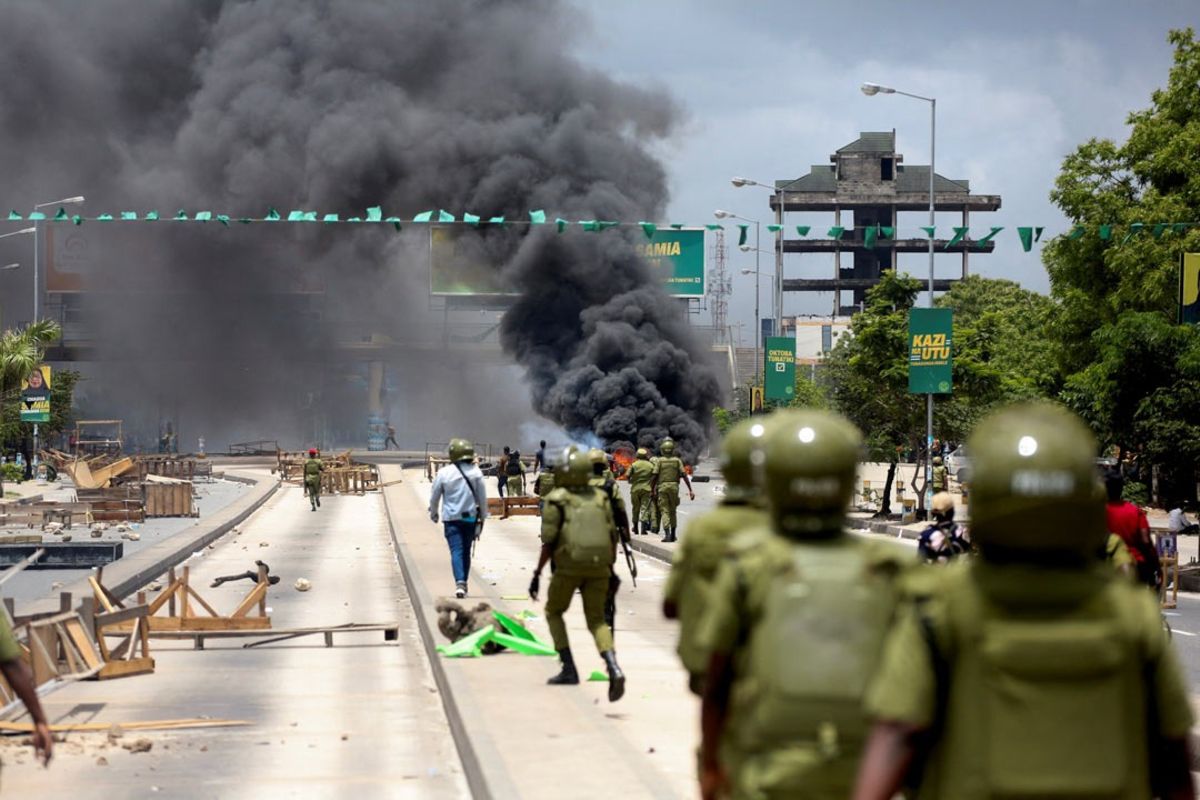
I am a scholar of international relations and African politics, and in a recent research paper I investigated the connection between Tanzania’s domestic politics and its foreign policy.