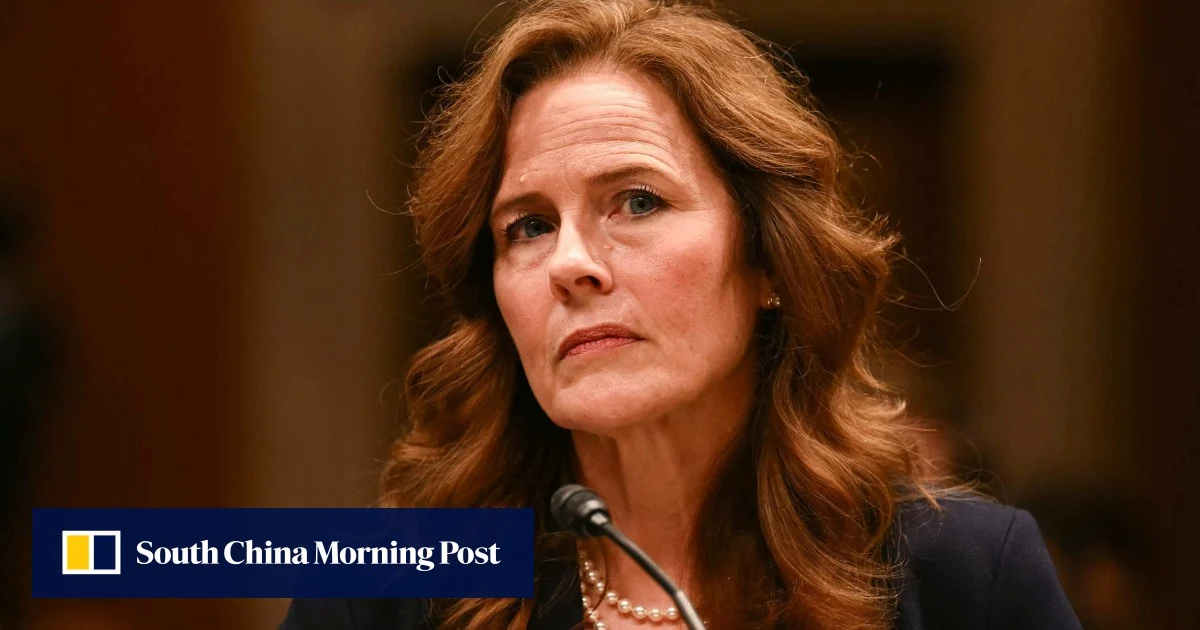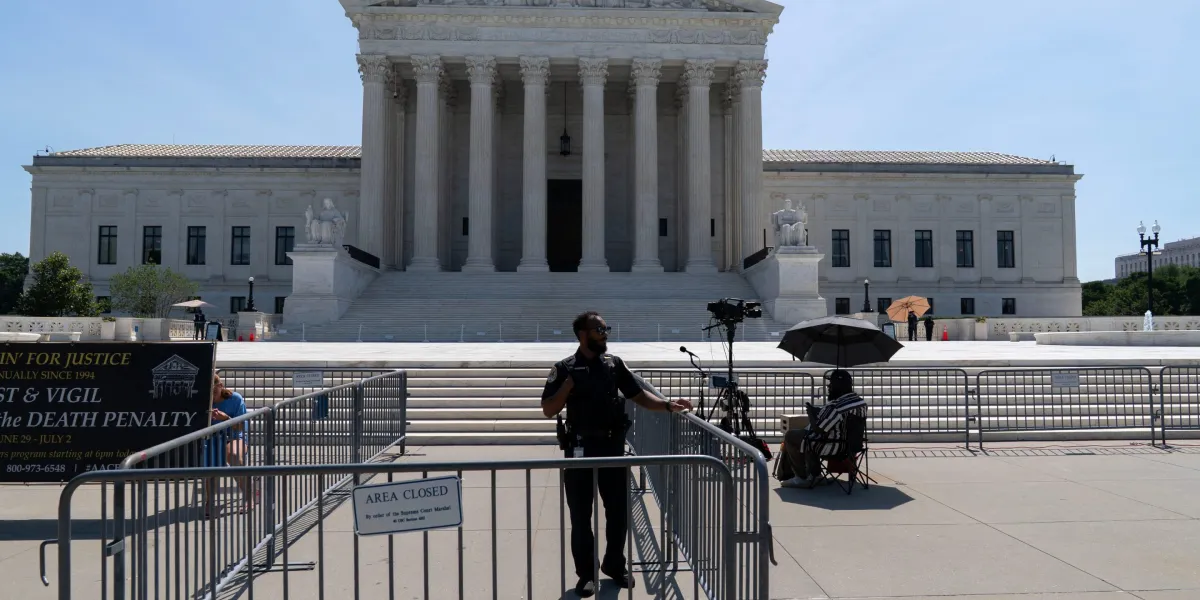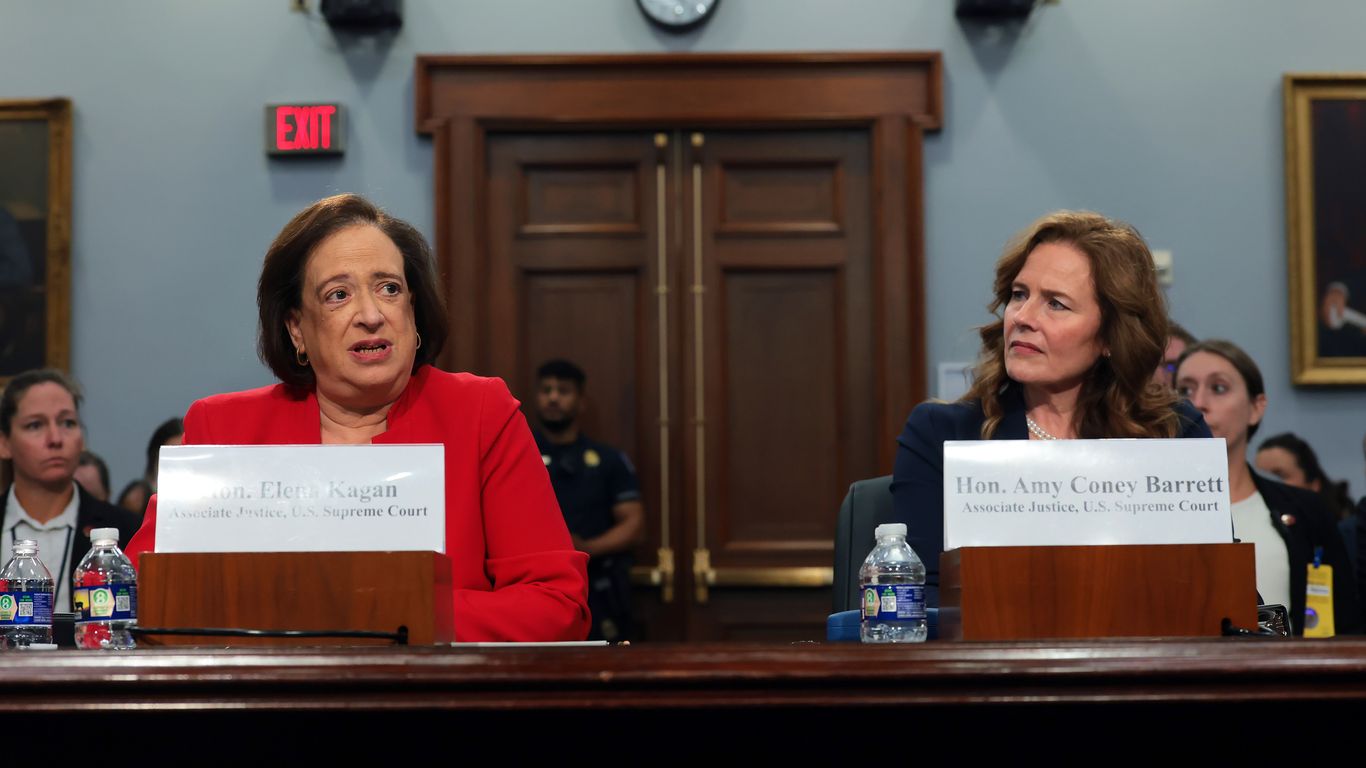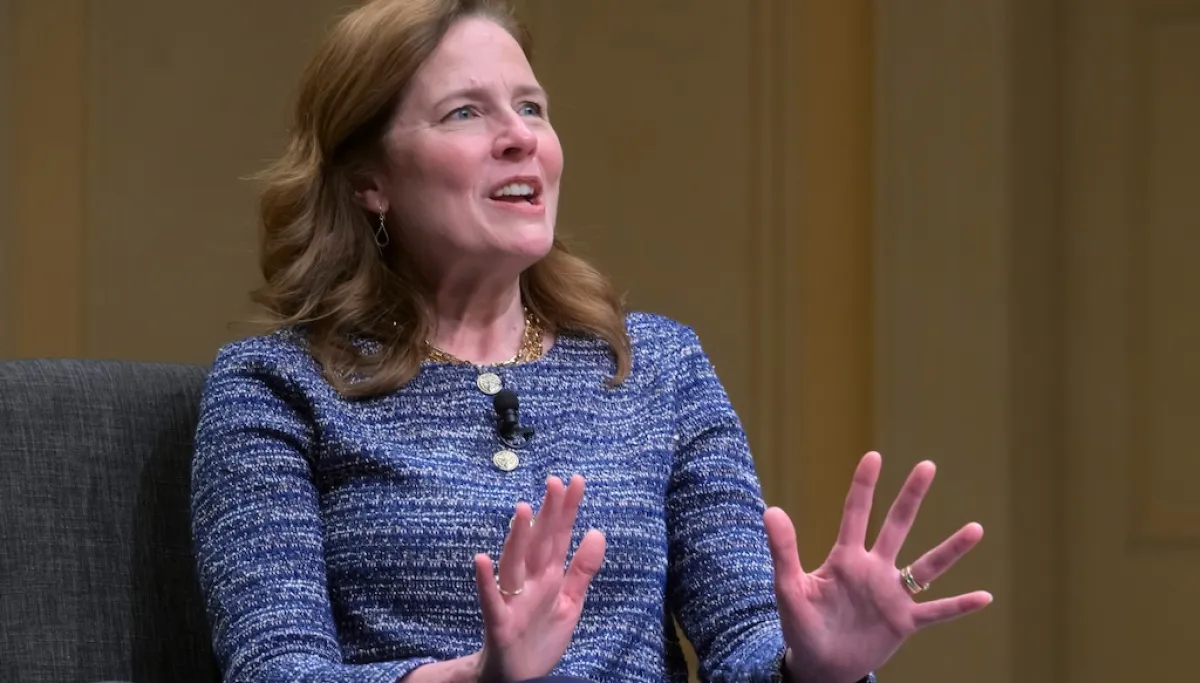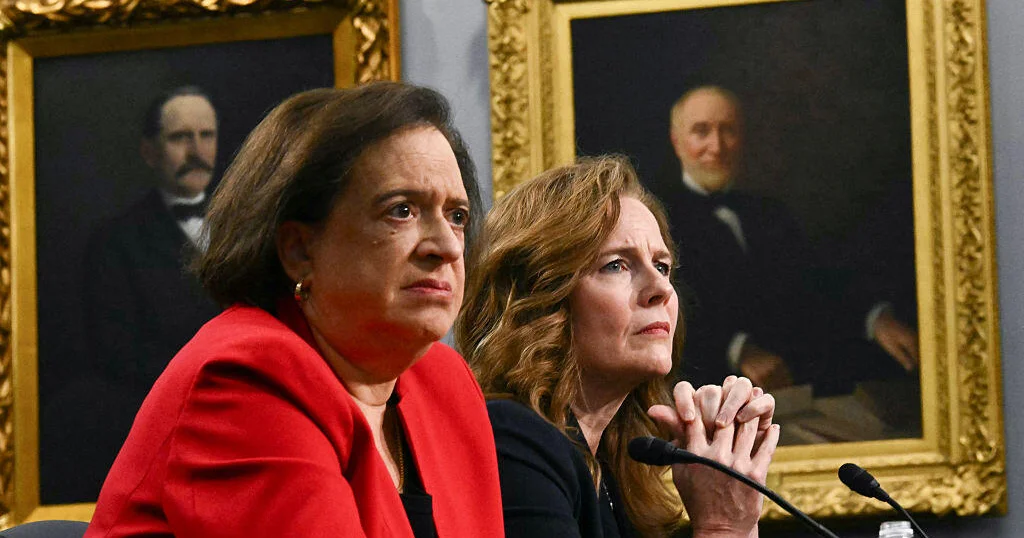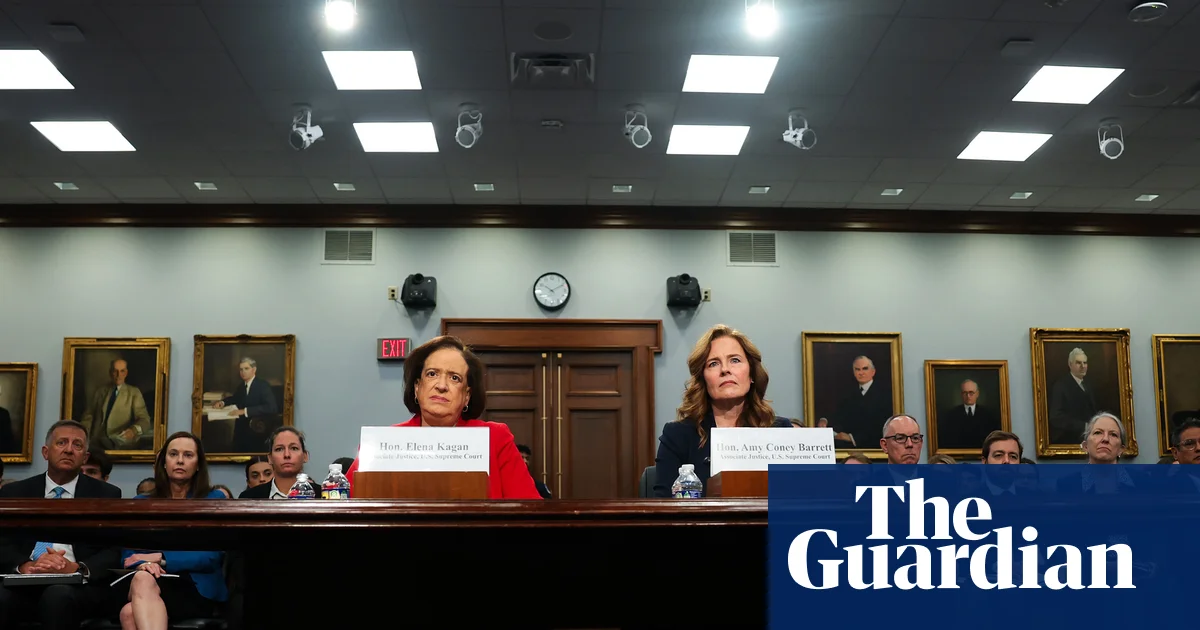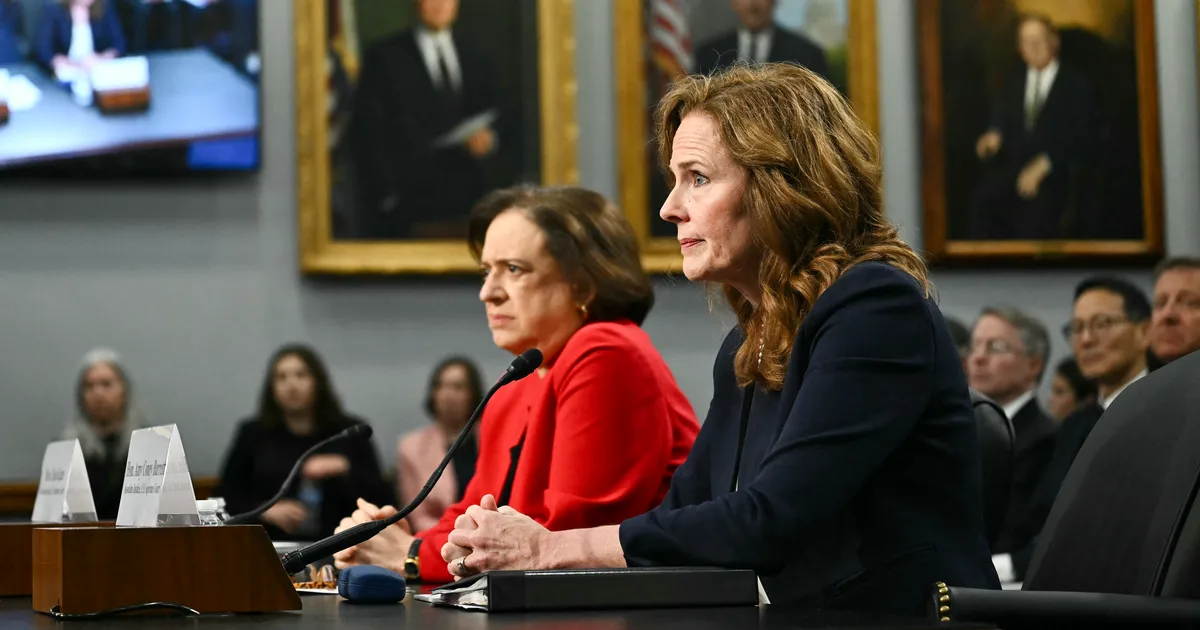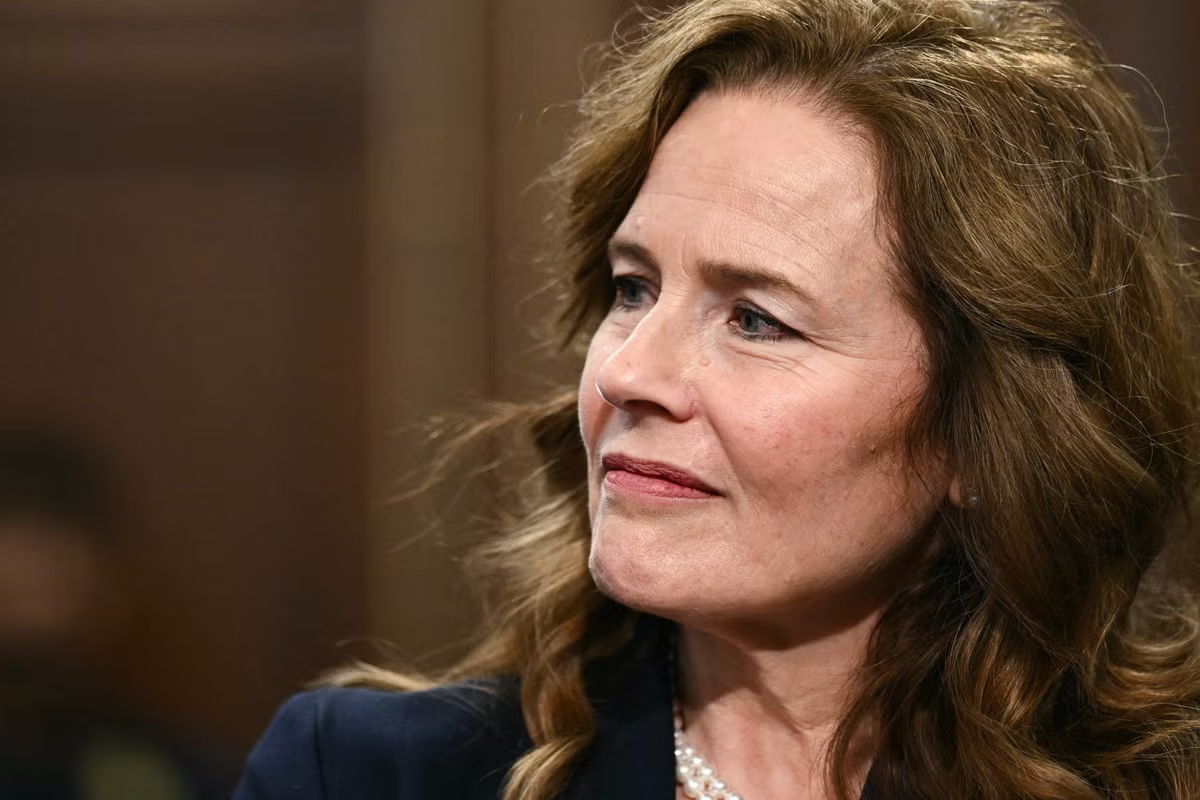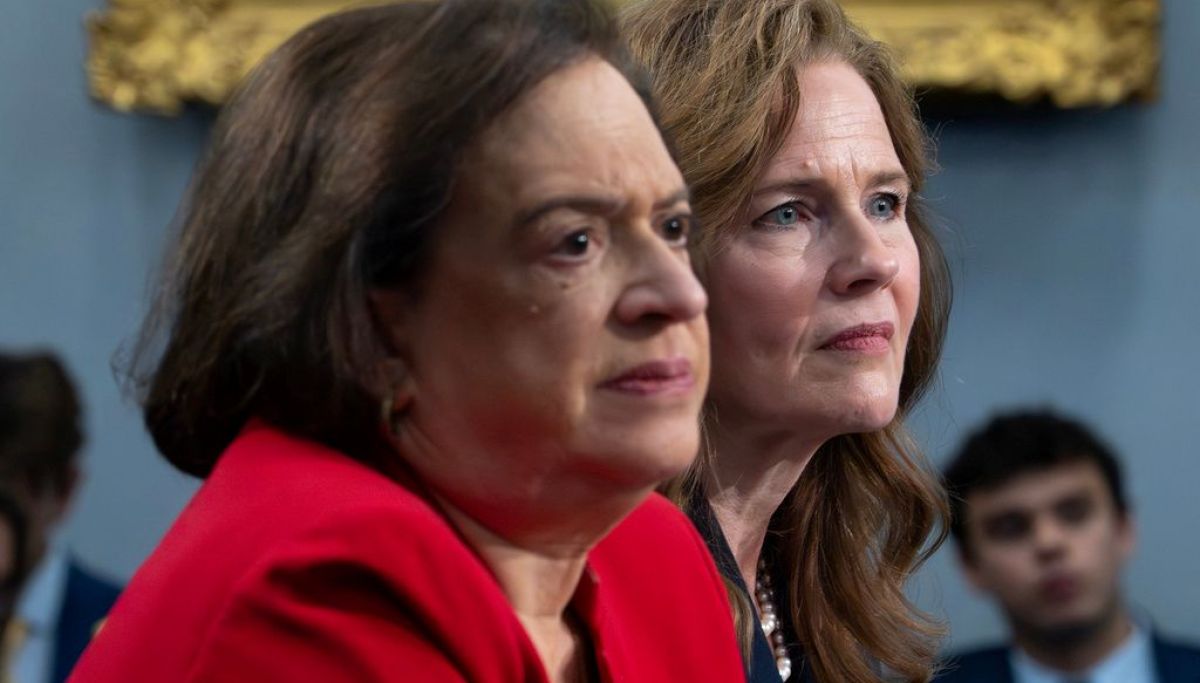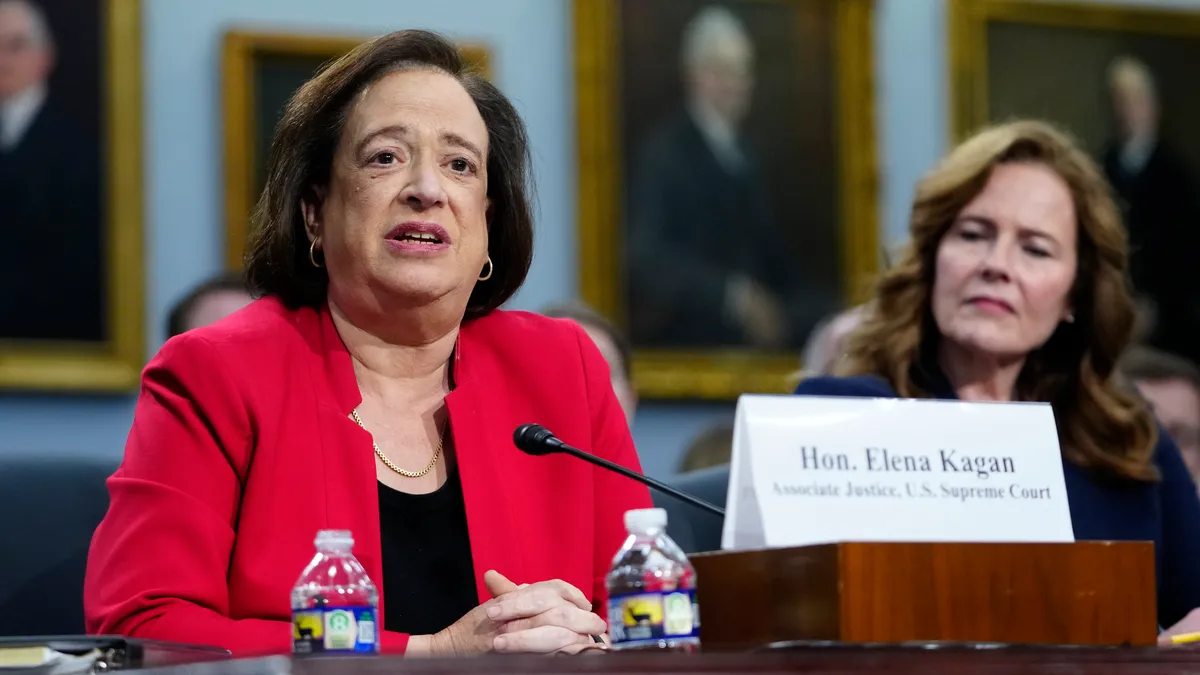
In May, police received a false report about gunshots at Barrett’s suburban home. One of her sisters was the target last year of a false bomb threat, and at times, the justice wears a bulletproof vestShow Caption
WASHINGTON − Supreme Court Justice Amy Coney Barrett said the increased threats against the court “have required me and my children to think about and see things that children should not have to see or think about.”“I didn’t expect that performing this service was going to put me in the position of explaining to my children what a bulletproof vest was and why I had to wear one,” Barrett told a congressional panel reviewing the court’s request for more money to address security concerns.Threats against Supreme Court justices are expected to increase 38% this year, Justice Elena Kagan said during the justices' rare congressional testimony on July 14."For some of us, those threats have come very close, and all of us live with the knowledge that they may again materialize," Kagan said.The court is asking for more money to increase the number of officers protecting the justices and their families, including at their homes.The justices began receiving around-the-clock security at their residences after Justice Brett Kavanaugh was the target of an assassination attempt in 2022.The court also wants to build a facility near the Supreme Court to screen visitors before they enter the building.And the court is requesting additional funding to beef up cyber security.Kagan said the 38% expected increase in threats this year follows a 25% increase last year.Gratitude for extra security at home: 'That's been just huge for us.'In May, police received a false report about gunshots at Barrett’s suburban Virginia home, a "swatting" attempt that was the latest example of the increased harassment and threats the justices have faced in recent years.She described how her teenage son opened their door to go out with friends and saw the street full of police cars."I’m very grateful for the residential security," Barrett said. "That has just been huge for us.”Barrett said the goal is for the justices to have as large a security detail as those dedicated to cabinet members, in part to avoid burnout and exhaustion among the four-to-eight officers typically assigned to each justice.“The threats are constant, and they’re always there,” she said. “It’s necessary now in daily activities. I honestly feel like, for the sake of my privacy, I wish it weren’t so.”One of Barrett’s sisters was the target last year of a false bomb threat.At times, threats have been serious enough that Barrett has worn a bulletproof vest.Barrett said she and other justices have also received "threatening, anonymous deliveries designed to intimidate and harass us."Despite the increased threats, Kagan said the justices will continue to do their jobs "as they believe legally right, adjudicating cases without fear or favor."Rep. Dave Joyce, the Ohio Republican who chairs the spending panel reviewing the budget request, opened the hearing by urging his colleagues to stay focused on the spending issues.But Maryland Rep. Steny Hoyer, the subcommittee’s top Democrat, used his opening remarks to make a political point.Hoyer said the rule of law depends on a judiciary that is properly funded especially now when President Donald Trump is pushing his view of “executive supremacy.”“This administration is routinely engaging in conduct that tests the limits of our Constitution,” Hoyer said.Other Democratic members of the committee asked questions about the court’s ethics code and the rise in the number of decisions being made on an expedited basis.Kagan, who has expressed support in the past for an enforcement mechanism for the ethics code the court adopted in 2023, said it’s difficult to figure out the best way to do that.“I think that this remains an open question, a question of discussion,” she said.Barrett said that she’s “less certain” about an enforcement mechanism, saying there are a lot of complexities to adopting one.On the appeals that the court is deciding on an expedited basis, which has increased in recent years, Kagan said the justices have done a better job of explaining those decisions “at least to a moderate degree.”