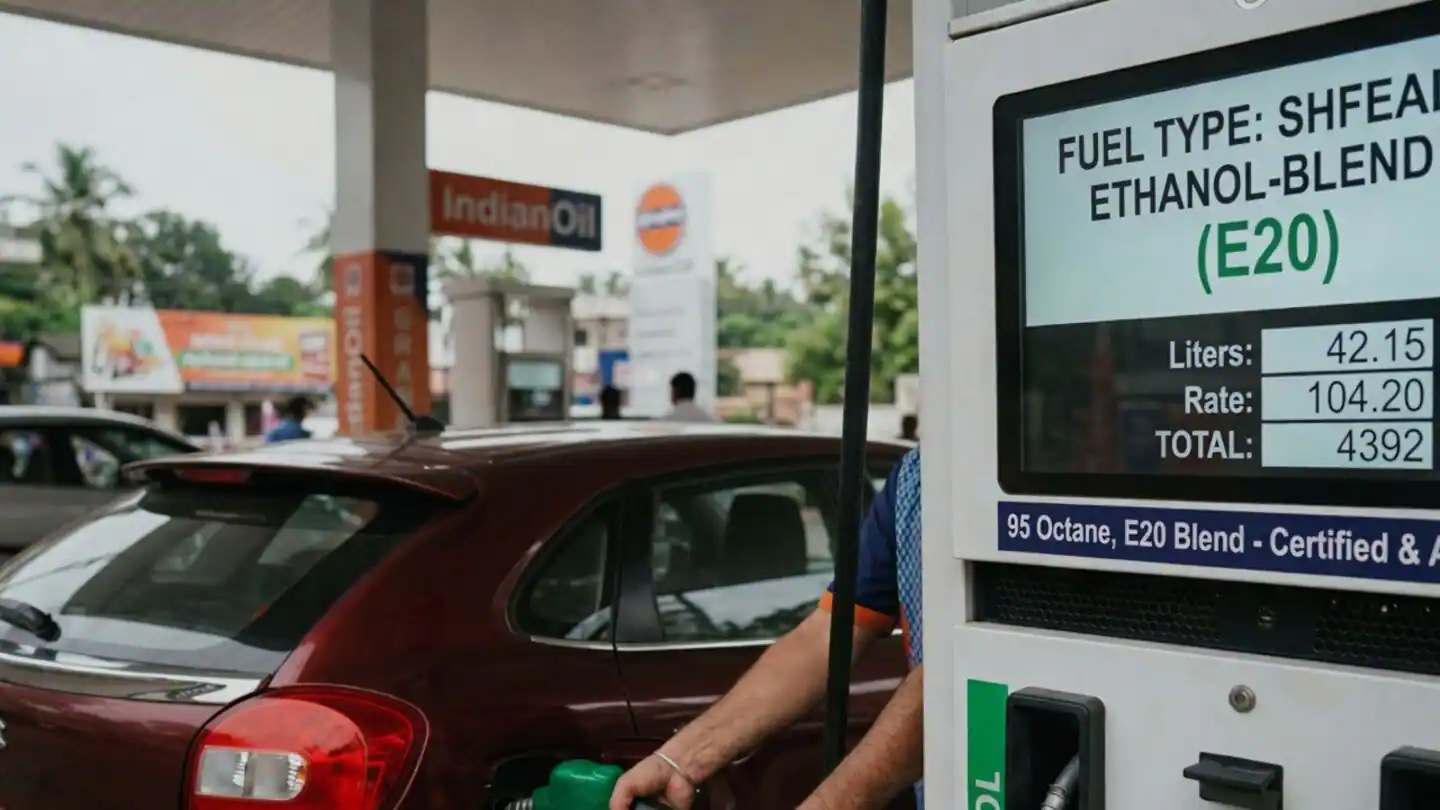
Indian Oil Corporation, the country’s largest fuel retailer, carried out nearly 10,000 surprise inspections and conducted more than 8,500 scientific quality tests across its nationwide network within a week, deploying hundreds of inspection teams to verify fuel quality
Post a nationwide audit by Indian Oil Corporation (IOC) and Hindustan Petroleum Corporation Ltd (HPCL), oil marketing companies (OMCs) have found no evidence of fuel adulteration or water contamination after carrying out nearly 14,000 inspections across fuel stations following unverified social media claims about ethanol-blended petrol (E20).Official channelsThe OMCs urged motorists not to rely on unverified social-media posts and instead report any fuel-quality concerns through official customer care channels or directly at retail outlets. They said fuel sold through authorised petrol pumps complies with prescribed quality specifications and reiterated a zero-tolerance policy towards adulteration, warning that dealers violating quality norms would face strict action under the Marketing Discipline Guidelines.Indian Oil Corporation, the country’s largest fuel retailer, carried out nearly 10,000 surprise inspections and conducted more than 8,500 scientific quality tests across its nationwide network within a week, deploying hundreds of inspection teams to verify fuel quality.Hindustan Petroleum Corporation conducted 3,651 inspections between July 3 and July 13, including 2,173 surprise inspections, 1,385 routine inspections and 93 targeted checks by its Anti-Adulteration Quality Assurance Cell. It also deployed mobile laboratories that tested 49 fuel samples on-site.Both companies said the exercise found no instances of water contamination, fuel adulteration or significant quality lapses across the outlets inspected.Scientific backingThe inspection campaign comes as India expands the rollout of E20 petrol, a key component of the government’s strategy to reduce crude oil imports, improve energy security and increase ethanol blending. The Ministry of Petroleum and Natural Gas has maintained that E20 is a scientifically validated fuel that complies with Indian fuel standards, and is safe for vehicles designed or certified to operate on the blend. Research by IIT-Kanpur has similarly concluded that E20 does not pose risks to compatible vehicles when supplied according to prescribed specifications.The large-scale verification exercise is aimed at protecting consumer confidence in India’s ethanol-blending programme as higher biofuel adoption gathers pace. Any sustained concerns over fuel quality could undermine public acceptance of E20 and slow progress towards the government’s objectives of reducing fossil-fuel imports, improving energy security and lowering transport-sector emissions. By publicly releasing inspection findings, the OMCs have sought to reinforce confidence that fuel quality is being closely monitored even as ethanol blending expands across the country.Published on July 14, 2026