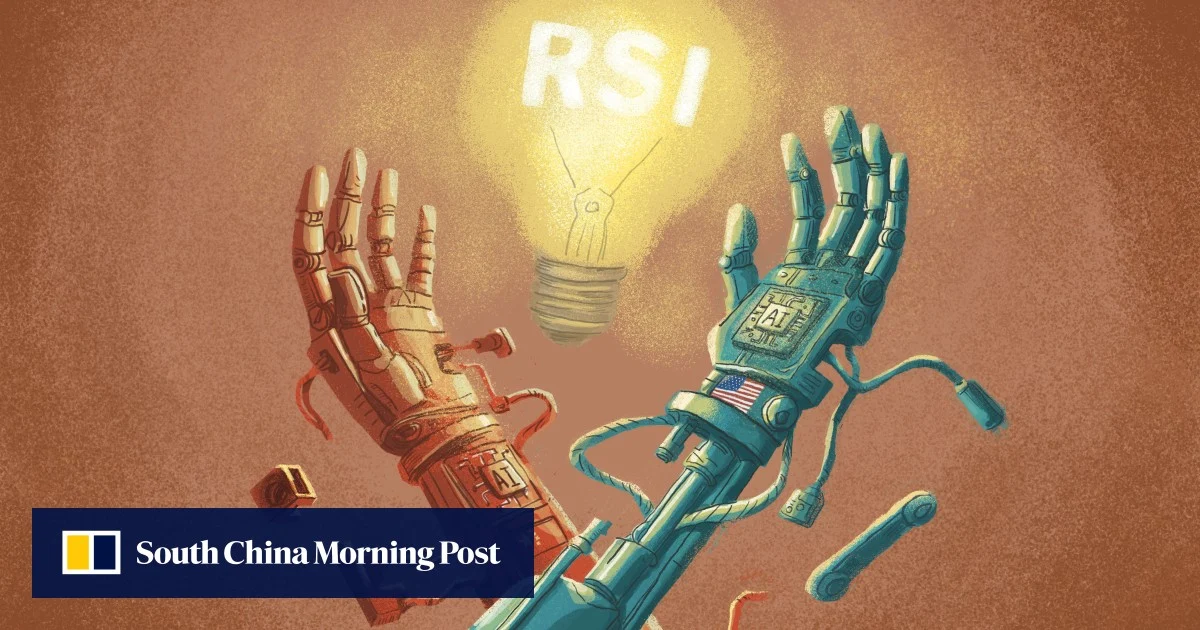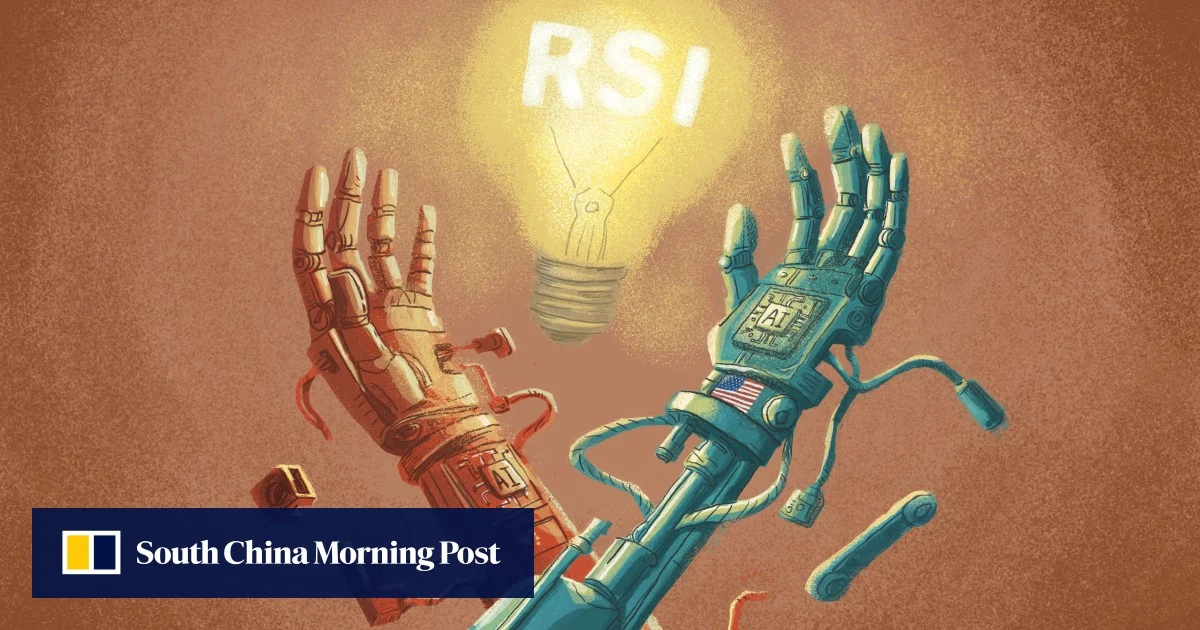
AI is already helping develop future AI models. Right now, these systems work only as assistants, shepherded by human programmers. But if the trend continues, we could reach a fully automated pipeline where increasingly intelligent machines create even smarter successors — a recursive self-improvement cycle.
And that, according to many, is all it takes for an intelligence explosion where human-level AIs give rise to Dario Amodei’s “country of geniuses in a datacenter” in under a year. This is the underlying premise in both the much-discussed AI 2027 scenario and the earlier Situational Awareness essay that swept the tech world.
Some think it’s already starting. Anthropic co-founder Jack Clark recently wrote that he thinks “the takeoff towards fully automated AI R&D is happening.” And OpenAI’s Sam Altman wrote last year that we’d reached the “larval version of recursive self-improvement.”
Others think those narratives are papering over a host of challenges that will significantly slow those sub-one-year timelines.
Optimists — people optimistic that AI can progress quickly, perhaps scarily quickly — have a compelling vision for how such a “foom” scenario could play out. As we saw so vividly in narratives like AI 2027, AI has to first become good enough at coding and AI R&D to automate its own research. Then, within a few months, it can generate synthetic data and learning environments to train the next generation of AIs, developing a learning algorithm that learns as efficiently as humans. It’s then able to quickly pick up new areas using mostly synthetic data, needing only a small amount of human-generated data or real world deployment to verify that the learning algorithm works. Within months, it could reach superhuman capabilities. Less than a year after automating its own improvement, AI is capable of transforming the world. How it plays out after that is anyone’s guess, as we, in Clark’s words, “cross a Rubicon into a nearly-impossible-to-forecast future.”