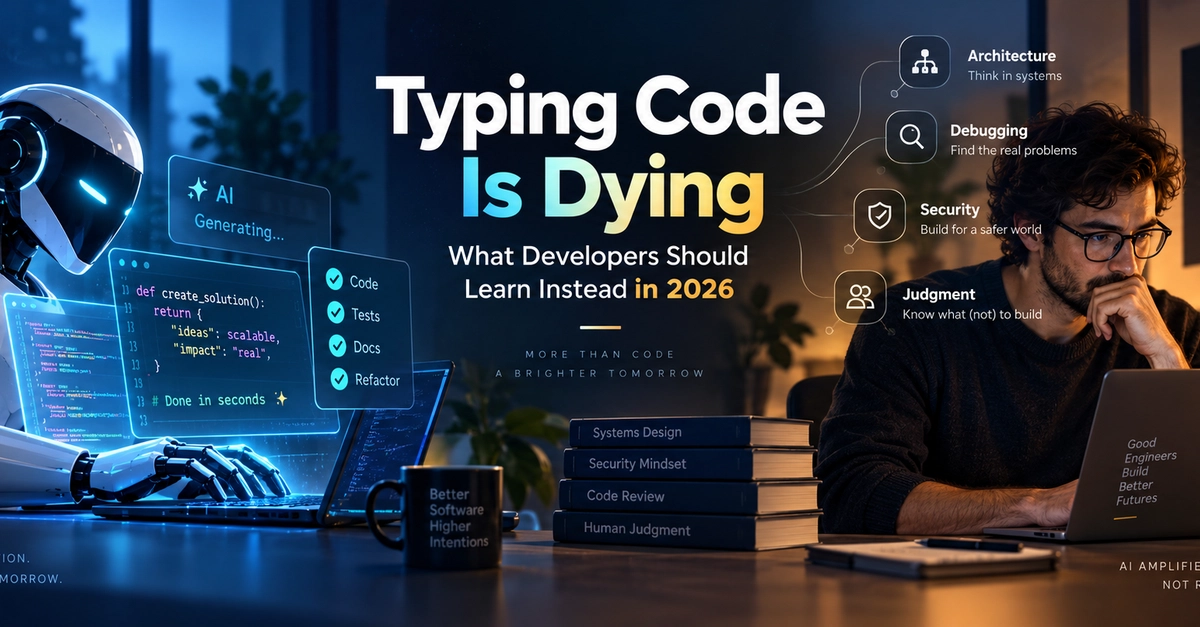
Every few years a tool arrives that is supposed to end programming as a paid profession. FORTRAN was going to let scientists write their own code. COBOL was going to let managers read it. SQL was going to let business users query the database without a developer in the room. Each prediction was reasonable. Each was wrong in the same direction: demand for skilled builders went up, not down.
Brad DeLong's essay Coding agents as a continuation of normal software tool evolution puts AI coding agents in that lineage. His argument is not that agents are unimpressive. It is that they are normal. They compress the part of software work that was already getting compressed - the execution - while leaving the parts that resisted automation for seventy years exactly where they were: deciding what to build, verifying that it works, and holding the contextual understanding that makes both possible.
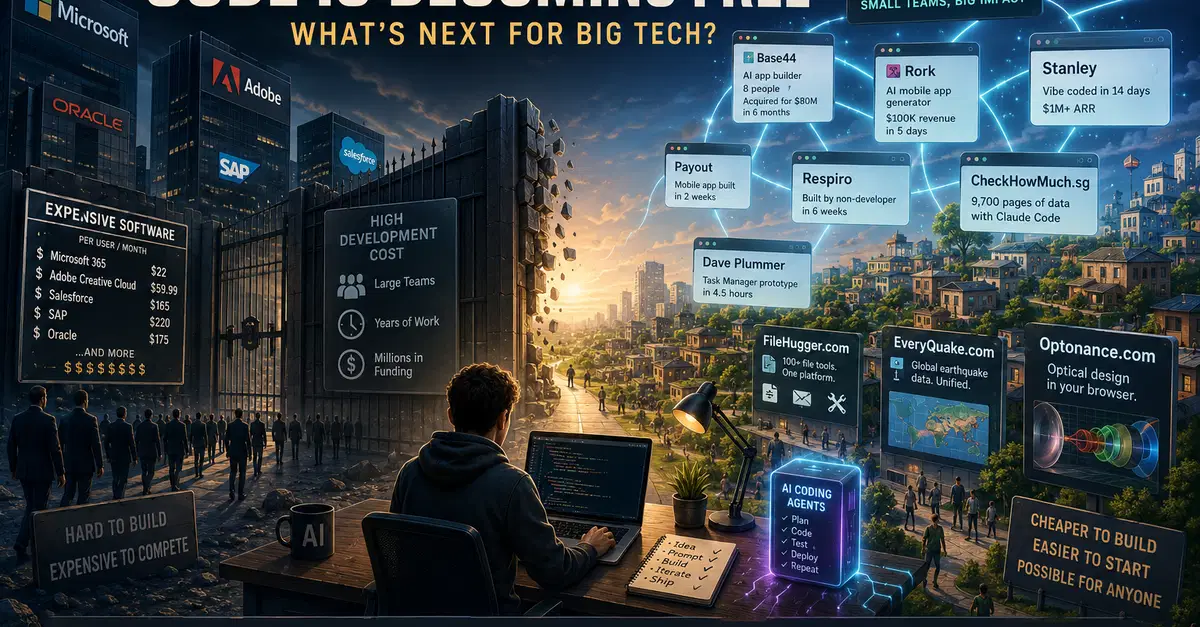
That framing matters more in the Microsoft business-apps world than almost anywhere else, because this is the stack where "anyone can build it" has been the marketing promise the longest. Copilot Studio, low-code Power Platform, makers shipping agents without writing a line of C#: the execute phase here is already close to free. So the question DeLong forces is the useful one. If building is no longer the constraint, what is the scarce skill an enterprise actually pays for in 2026?