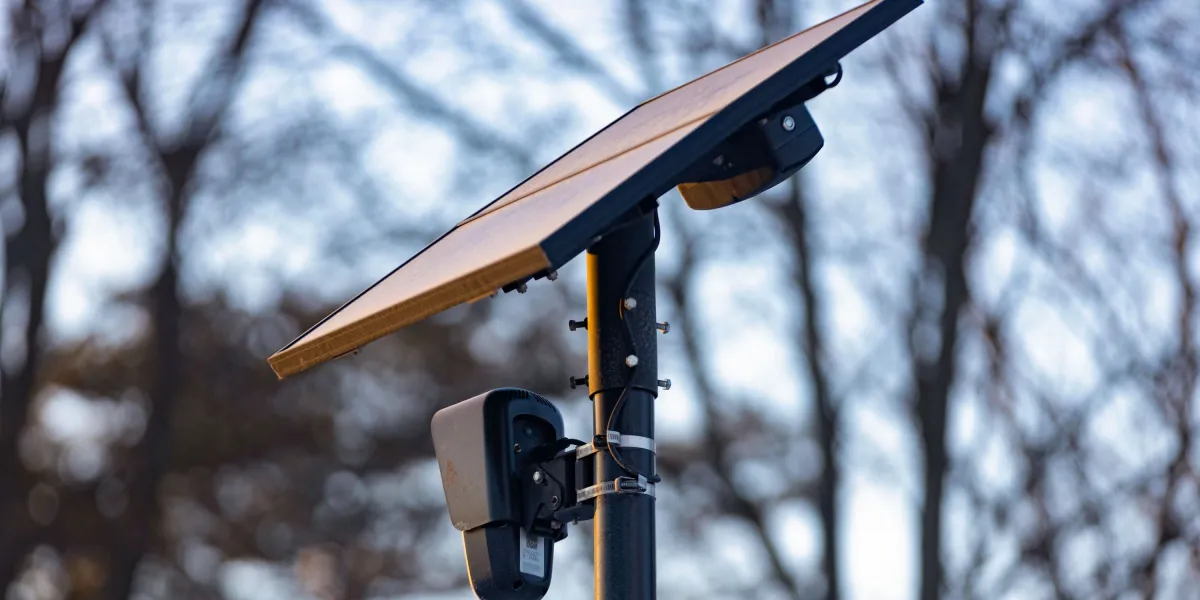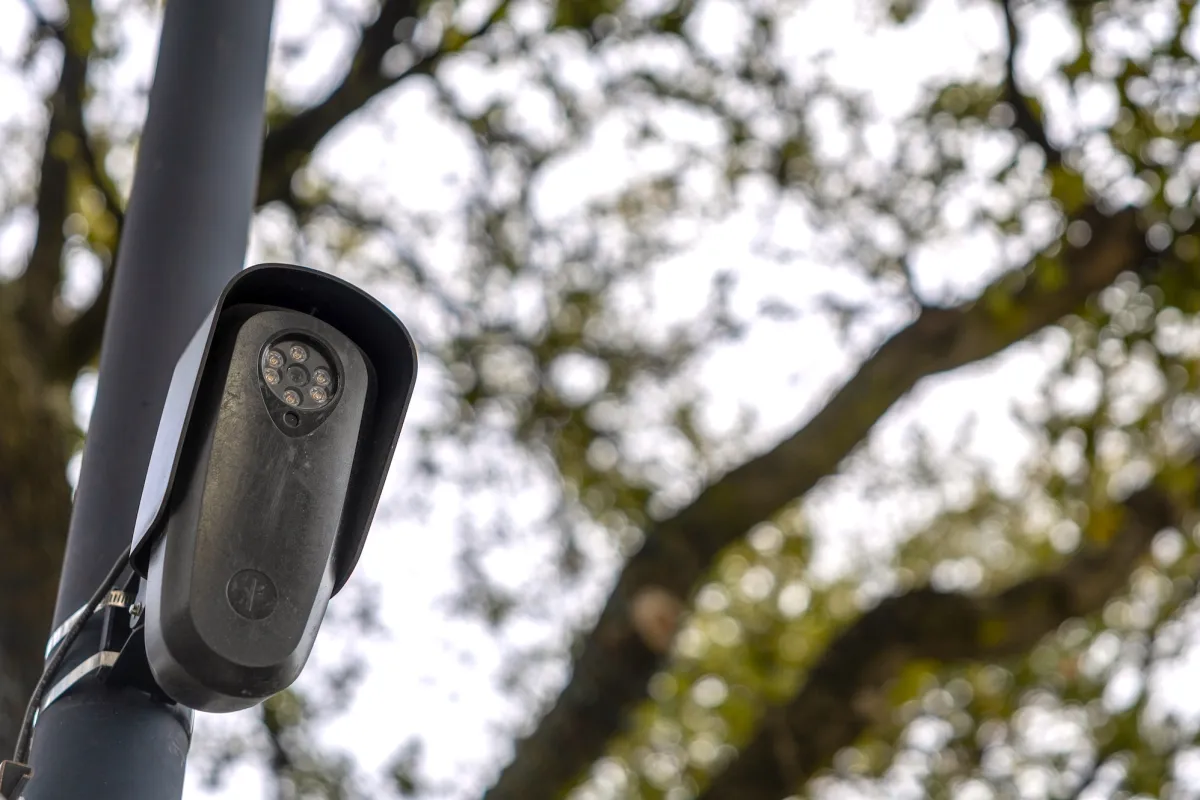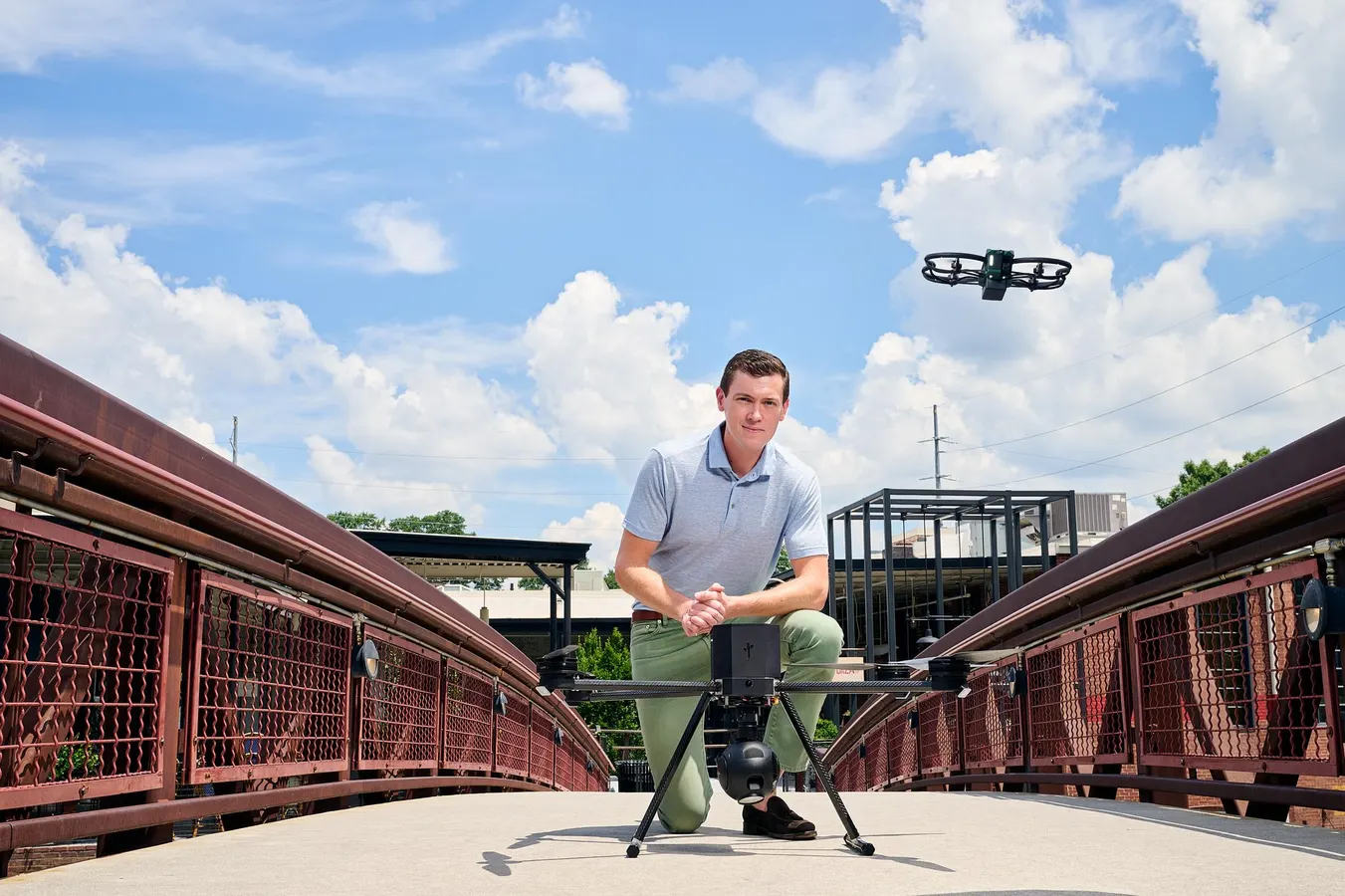
Flock Safety CEO Garrett Langley, soon after the company announced its own drone.Jamel Toppin for ForbesThis is the online edition of The Wiretap newsletter, your weekly digest of cybersecurity, internet privacy and surveillance news. To get it in your inbox, subscribe here.Over the weekend, the LAPD decided not to renew its contract with AI car surveillance company Flock Safety. The police force said it wouldn’t be working with the $7.5 billion startup until it had privacy rules in place that clearly spelled out who owned the data that 138 Flock cameras across the jurisdiction were collecting.The agency’s concerns stem from the way Flock allows its customer law enforcement agencies—which once included ICE before Flock blocked it following a public backlash—to access license plates and other vehicle data from its network of over 80,000 cameras across U.S. states. An audit also found that LAPD had tracked 161 people whose cars were falsely flagged as stolen, though the police department didn’t cite those errors as a reason for ceasing work with Flock.While the LAPD is reportedly in the process of writing up a new contract with Flock, there’s been a growing backlash against the company from local lawmakers and citizens. The Mountain View Police Department in California and Framingham Police Department in Massachusetts both stopped using Flock this year over concerns about immigration cops’ access to Flock’s network. Some citizens have taken to vandalizing the cameras. In Suffolk, Virginia, an Air Force mechanic has been accused of destroying as many as 13 Flock cameras, in some cases cutting down poles or throwing the devices onto an interstate.Got a tip on surveillance or cybercrime? Get me on Signal at +1 929-512-7964.THE BIG STORYCognyte, an Israeli cyber surveillance company, is selling various surveillance tools to American police. (Photo Illustration by Sheldon Cooper/SOPA Images/LightRocket via Getty Images)SOPA Images/LightRocket via Getty ImagesIsrael’s Palantir Rival Is Selling $1 Million Spy Vans To U.S. CopsCognyte, an Israeli company with a $560 million market cap, is selling $1 million surveillance vans across the U.S. Texas, New York and Florida have all bought Cognyte’s tricked out vehicles, which come with cell-site simulator technology called FalcoNet. It simulates a mobile phone tower, forcing nearby phones to connect. Their location can then be tracked.Typically, because of concerns about the impact on the privacy of innocent individuals, cops will get a warrant to use the tech, but as Forbes learned, they can use cell-site simulators without one in emergency situations, such as kidnappings or any serious crime where lives are considered to be endangered.Stories You Have To Read TodaySan Francisco Police Department leaked footage from its Skydio drone deployments, accidentally leaving it open on a website without any password protection. The leak also included drone pilots’ names and email addresses, Wired reports.In Apple’s bombshell suit against OpenAI filed last week, the iPhone maker accused a former employee of exploiting “a rare, previously unknown authentication bug” to get access to the company’s internal data after he’d left the company, TechCrunch reports. Winner of the WeekQIZ Security, which is trying to protect cryptographic keys from quantum computers, has raised a $17 million seed round led by Bessemer Ventures. The company continually scans company IT assets to let customers know what kinds of cryptography they’re using and whether it’s vulnerable to quantum-based attacks.Loser of the WeekA former Floridian cybersecurity pro, Angelo Martino, has been sentenced to five years in prison for his part in a ransomware campaign. He and two others moonlighted as hackers, stealing millions from victims, while also playing the good guys organizing the payments. Martino allegedly bought a luxury fishing boat with money from the cyberattacks.More On ForbesForbesHe Sold His Sports Equipment Company To New Balance. Now He’s Changing The Cannabis GameBy Will YakowiczForbesAmerica’s Top Architects: William / Kaven Architecture Turns A Cramped Portland Lot Into An Airy Urban OasisBy Fred AlbertForbesThese Gen Z Founders Are Reinventing Dating Apps, Without The SwipeBy Sofia Chierchio
The Backlash Against Flock
CISA went without access to Anthropic’s advanced cyber AI for months, but now a limited number of staff are using it to find plenty of bugs.
651 words~3 min read