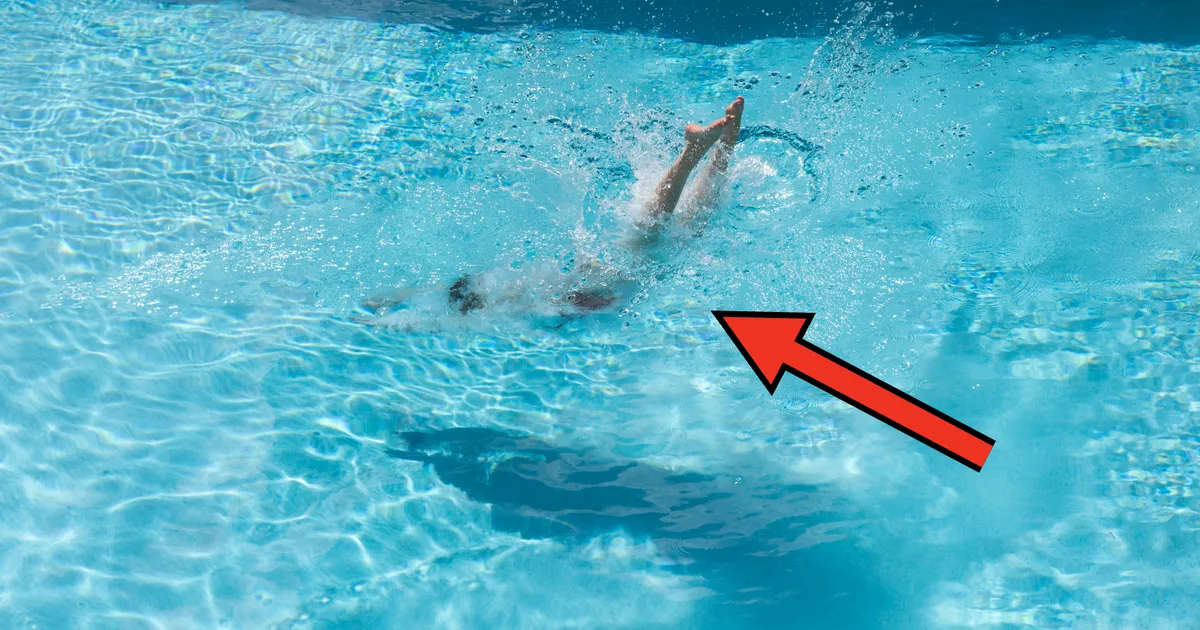
There’s nothing more quintessentially summer than a warm day spent by the pool. Cool, sparkling water. Time with loved ones. A delicious snack. What could be better?But before you grab your towel and jump in the water, pay attention to a few common poolside habits that physicians wish more swimmers and parents would think twice about. We spoke to some clinicians to share the behaviors they’d personally avoid in and around the pool this summer. Here’s what they had to say: They’d never skip rinsing off before getting in. It might feel pointless, especially if you’re planning to shower afterward anyway, but a pre-swim rinse matters more than you may realize. Sweat, sunscreen, body lotions, hair products and natural skin oils all react with chlorine when they hit the water, which reduces chlorine’s ability to kill germs and creates irritating byproducts that can sting eyes and aggravate skin. That’s why the Centers for Disease Control and Prevention recommends a quick pre-swim rinse, at least a minute under the shower, to wash off bacteria and other microbes you might unknowingly be carrying in.This is especially key if “someone is dirty or has sand on them, as to not contaminate the water or clog up filtration systems,” said Dr. Chris Bunick, a Yale Medicine dermatologist and associate professor at Yale School of Medicine.They’d never bring glass anywhere near the pool.It’s easy for glass to end up around the pool in the summer, whether from an open bar, poolside cocktails or carrying bottled beverages near the water. However, it can be a risk for both swimmers and people on the deck. “Broken glass is not a visible hazard. Whether on the pool deck or in the water, it can be nearly invisible,” said Dr. Steven Valassis, chair of the emergency department at Hartford HealthCare St. Vincent’s Medical Center. “When combined with the fact that people are typically barefoot, this can lead to significant lacerations. Nearly 5% of these lacerations are deep enough that they require hospital admission and surgical repair,” he added. Additionally, glass that ends up in a pool can be especially problematic because even tiny pieces are difficult to detect and remove, sometimes necessitating a full drain as well as professional cleaning, Valassis explained. The good news is you don’t have to ditch your poolside drink, just the glassware. Try plastic cups or aluminum cans instead.Maryna Terletska via Getty ImagesLeaving a child unattended by the pool — even for a short period of time — can be incredibly dangerous, doctors warn.They’d never leave a child unattended, not even for a minute.The biggest misconception parents get about drowning is that they think they’d hear if their child got into trouble in the water. But the reality is far scarier.“Drowning is fast, often silent, and can happen to any child. A survey found that 48% of parents mistakenly believe they would hear splashing or crying if a child was in trouble. Sadly, this is often not the case,” Valassis said. Although swim lessons can help improve water safety skills, the American Academy of Pediatrics emphasizes that swim lessons alone do not eliminate a child’s risk of drowning. Drowning can happen in seconds, according to the CDC, so constant, focused supervision is non-negotiable, no matter how well your child swims. They’d never swim while sick.Even if you’ve been looking forward to a day at the pool, it’s best to sit this one out if you’re feeling under the weather — especially if you’re dealing with a stomach bug.“Swimming in the pool while sick is generally not a good idea, because further swimming and activity may precipitate nausea, vomiting and add risk for dehydration, all which may make a person more ill,” Bunick said. There’s also the issue of getting others sick through close contact. “Illnesses can be transmitted through pool water because the chlorine or other chemicals do not necessarily work instantly to stop infectious agents, thus allowing a window of time for infectious agents to pass to other people,” Bunick added. Bob Thomas via Getty ImagesEmergency room physicians have seen many traumatic injuries from diving into the shallow end of a pool.They’d never swim with an open wound.If you have a fresh scrape, deep cut or surgical incision, it’s best to keep it dry. “It is best to not swim in the pool with an open wound, especially with a deep scrape or gash,” Bunick said. “First, the chlorine or other chemicals used to treat the water can further damage tissue in the wound, adding to skin breakdown and inflammation. Second, there is risk of infection of the wound with continued exposure to water, and this risk is increased more if swimming in lake, river or ocean water.” If you have a minor cut or paper cut, you likely don’t need to skip the pool altogether. Bunick recommended covering the wound with a healing ointment and a waterproof bandage before swimming in chlorinated water. Just keep an eye on the area afterward, as redness, swelling or drainage could signal an infection that needs further medical attention, he explained.They’d never dive into shallow water.While it may seem unlikely, this scenario is more common than many people realize, especially for children, who can get into trouble without ever reaching the deep end of the water. “If a child dives into a shallow pool and hits their head on the bottom, the initial impact can cause a head/brain injury. The force is then transmitted from the head to the neck and cervical spine, where the spinal cord can be injured. This can potentially lead to paralysis and, in severe cases, the inability to breathe independently,” Valassis said. Most of these injuries don’t happen at public pools with lifeguards; they happen at home, Valassis explained. The American Red Cross recommends going feet first into unfamiliar water. The good news, Valassis emphasized, is that most pool injuries are preventable with basic precautions and awareness. So this summer, swim smart and enjoy the splash.
You’ve Probably Done These 6 Things At The Pool — But Doctors Say You Shouldn’t
Think twice about these before you dive in.
995 words~5 min read