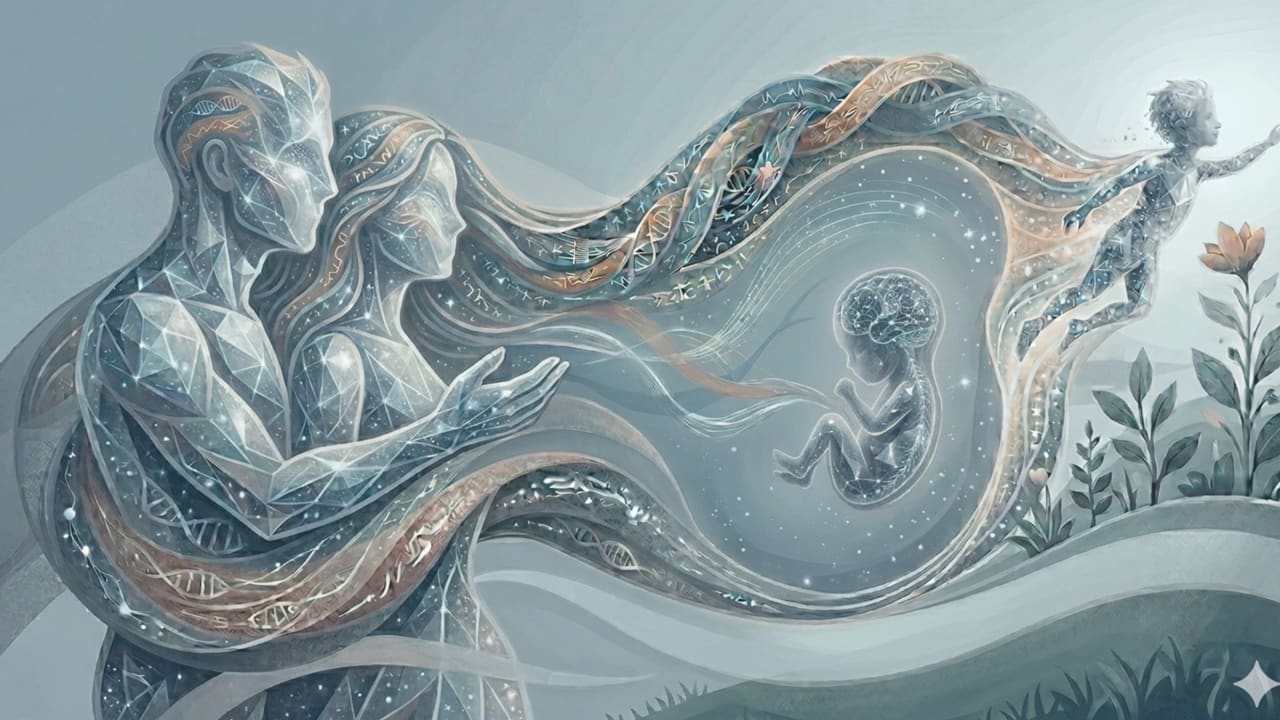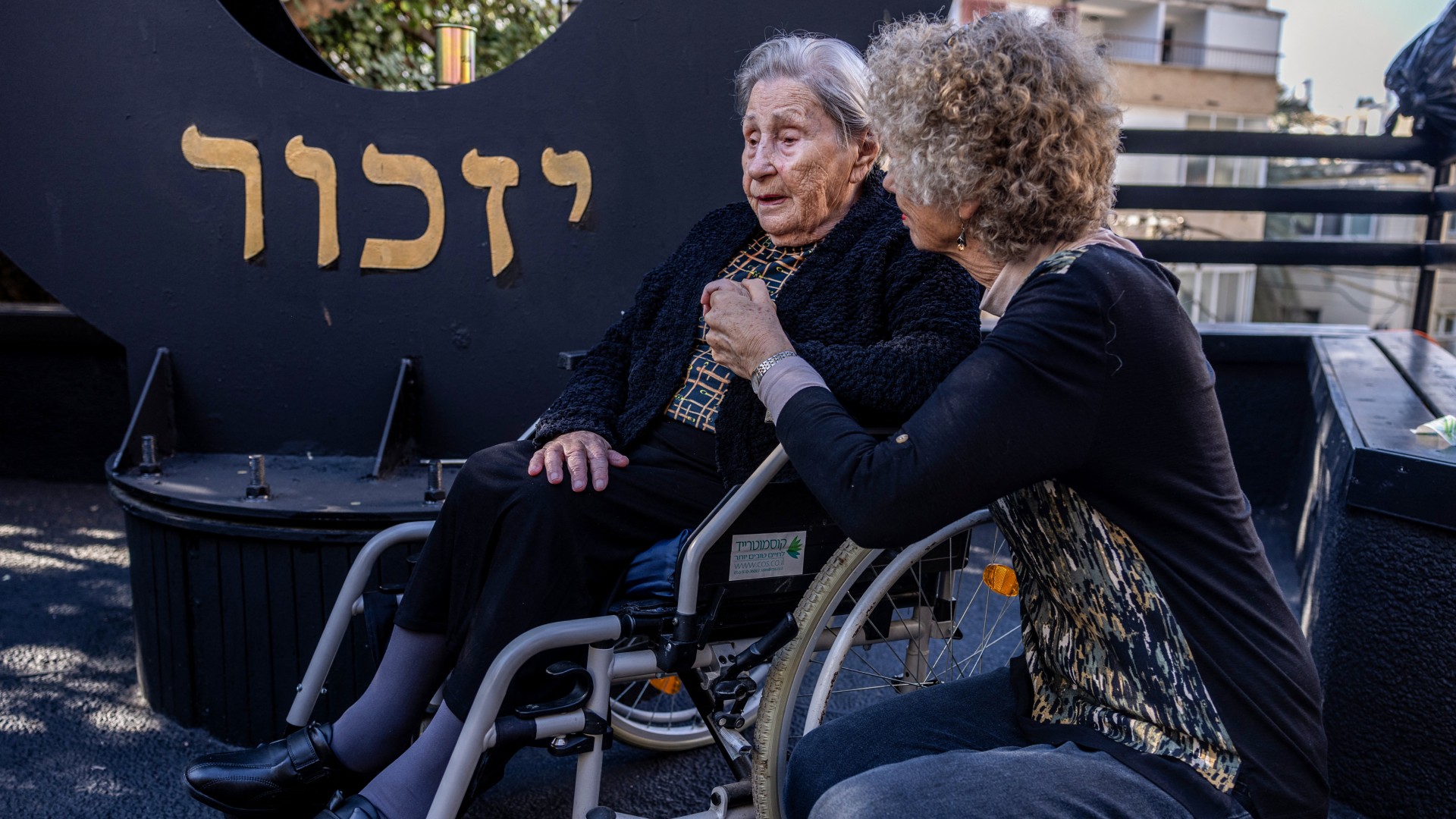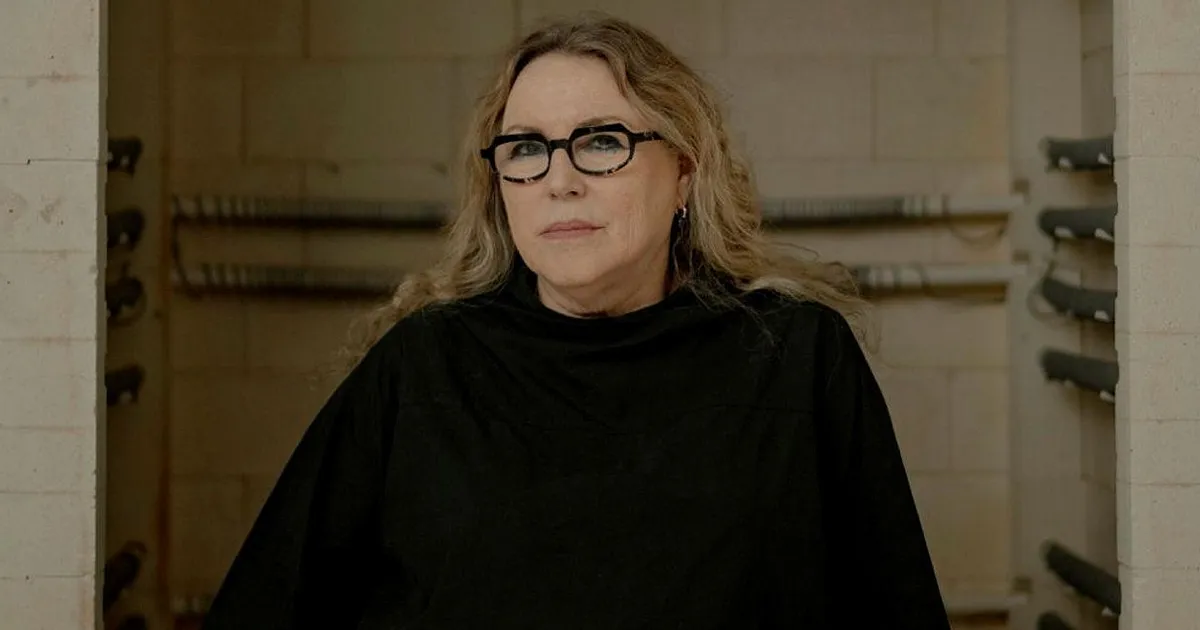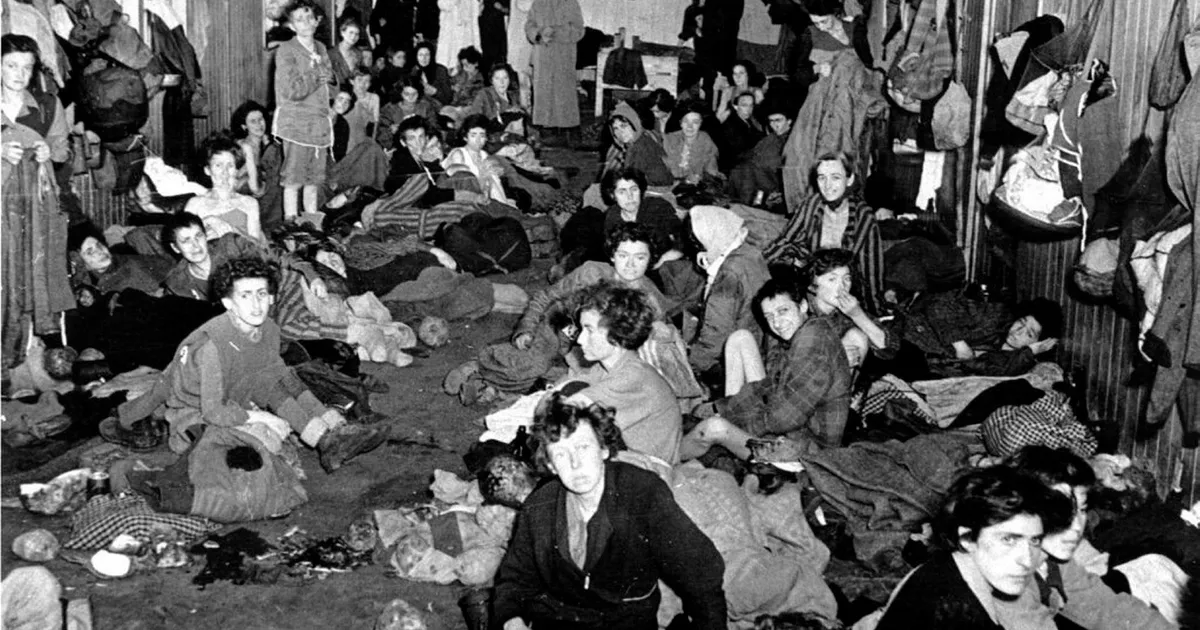
Current sectionScience & HealthAn analysis of tens of thousands of Israelis born between 1964 and 1976 found increased risk among children whose mothers were older than 5 when Nazi persecution beganShare to FacebookShare to XArticle printing is available to subscribers onlyPrint in a simple, ad-free formatSubscribeComments: Zen reading is available to subscribers onlyAd-free and in a comfortable reading formatSubscribeJewish women at the Bergen-Belsen concentration camp on the day of its liberation, April 1945. Credit: APJewish women at the Bergen-Belsen concentration camp on the day of its liberation, April 1945. Credit: APJuly 14, 2026The trauma of the Holocaust can affect not only those who lived through it, but also their children decades later, according to a new Israeli study. Researchers from the Hebrew University of Jerusalem found that children born to Holocaust survivor mothers who were older than 5 when Nazi persecution began were more than twice as likely to develop schizophrenia as children whose mothers had not experienced the Holocaust.The study, published in the American Journal of Psychiatry, was led by Prof. Hagit Hochner and Dr. Iaroslav Youssim of the Braun School of Public Health and Community Medicine at the Hebrew University of Jerusalem, together with Prof. Dolores Malaspina of the Icahn School of Medicine at Mount Sinai in New York and their colleagues.The researchers examined whether severe trauma experienced before conception can have long-term effects across generations by increasing the risk of serious psychiatric disorders in survivors' children. They analyzed data on 14,759 children born to 7,316 mothers and 18,085 children born to 8,833 fathers from the Jerusalem Perinatal Study, a large-scale cohort that tracked births in Jerusalem between 1964 and 1976 and followed participants through 2004.The data was cross-referenced with Israel's national psychiatric case register, allowing researchers to follow participants for more than 30 years. During that period, 139 children in the maternal sample and 207 in the paternal sample were hospitalized with schizophrenia.Parents classified as "exposed" were of Jewish descent, born in European countries under Nazi rule, and immigrated after persecution had begun in their country of origin. They were divided into two groups according to their age when the persecution began: age 5 and younger, and older than 5. The control group consisted of Jewish parents of European descent who had not lived under Nazi rule."The decision to use age 5 as the cutoff wasn't arbitrary," Hochner explains. "It was based on two considerations. First, from a developmental psychology perspective, age 5 is when exposure to events and perception of reality become more significant. Second, there was a statistical consideration. Setting the cutoff at an older age would have significantly reduced the number of mothers and fathers eligible for the study."The study's main finding was that even after controlling for a wide range of factors – including parents' age, socioeconomic status, education, pregnancy complications, birth weight, delivery method and a maternal history of psychiatric hospitalization – children of mothers who were older than 5 during Nazi rule remained 2.38 times more likely to develop schizophrenia.By contrast, the researchers found no increased risk among children whose mothers were 5 or younger when the Nazi persecutions began.The incidence of schizophrenia was seven cases per 10,000 person-years among children of mothers exposed after age 5, compared with 2.7 cases among children whose mothers had not experienced the Holocaust. A maternal history of psychiatric hospitalization was also a significant risk factor, nearly quadrupling a child's risk of schizophrenia. Low birth weight was likewise associated with an increased risk.Prof. Hagit Hochner Credit: Itai BelsonProf. Hagit HochnerCredit: Itai BelsonFor decades, researchers have studied the Holocaust's effects across generations. Previous studies have found that children of Holocaust survivors are more likely to experience post-traumatic stress disorder, anxiety, depression, substance abuse, hormonal changes and epigenetic changes, meaning changes in gene expression triggered by environmental factors that affect the body's stress response. Findings on schizophrenia, however, have remained inconsistent.Until now, only one study had examined whether children of Holocaust survivors face an increased risk of schizophrenia. Published in 2016 by researchers at the University of Haifa, it found no increase in the prevalence of the disorder, only higher readmission rates among offspring who had already developed schizophrenia.The new study differs from its predecessor in several important ways. It used a larger, more demographically comparable control group and included children with only one Holocaust-survivor parent, rather than children whose parents were both survivors.The researchers note that their findings do not establish a causal relationship, but they point to several possible explanations. One is epigenetic change: trauma can alter the way genes function without changing the DNA sequence itself, and those changes may be passed on to the next generation.Other possible mechanisms include trauma-related changes to the mother's immune system or microbiome that could influence fetal brain development. The fact that the association was found primarily among mothers lends support to the idea that the intrauterine environment may play an important role.The strength and persistence of the maternal association also suggest that trauma may be transmitted across generations through several biological and environmental pathways. According to the researchers, maternal trauma may affect future generations through the intrauterine environment, through the postnatal environment, including greater maternal involvement in child-rearing, or through epigenetic changes passed from one generation to the next."Our study highlights that war not only has devastating immediate consequences, but also places a heavy burden on future generations," Hochner says. "Understanding how trauma experienced even before conception affects later generations can help us anticipate the long-term health consequences of wars. Given the growing number of wars and conflicts causing mass displacement and trauma – including in our own region – we have a professional responsibility to investigate these effects and bring them to public attention. We must work to stop wars and strive for peace as a central public health goal."The Jerusalem Perinatal Study, on which the research is based, is one of Israel's largest and most comprehensive birth cohort studies. It includes more than 92,000 infants born to Jerusalem mothers between 1964 and 1976, as well as data on more than 40,000 mothers and fathers. Its goal is to examine how factors surrounding pregnancy and birth, including birth weight, stress, illness, obesity and smoking, affect children's health throughout their lives.Prof. Yechiel Friedlander, one of the founders of the Jerusalem Perinatal Study, also participated in the research, together with Prof. Orly Manor, Prof. Ora Paltiel and Prof. Ronit Calderon-Margalit.In the NewsThe 100 Year Itch: Marilyn Monroe's Last Message Is Still RelevantBehind Every Israeli Who Bombs and Burns Is a Mother or Wife Who Refuses to KnowOver 1,000 Jews Visit Jerusalem's Al-Aqsa/Temple Mount Compound for Tisha B'AvU.S., Iran Exchange Fire for 12th Night in a Row; Houthis Target Saudi Tankers'Liars, Poison': Shin Bet Chief Shared His Anti-media Manifesto With Top AgentsRemembering and rebuilding two years laterICYMIThe Most Optimistic Israeli in Jerusalem Is Leaving the CountryAs Ground Invasion Looms, U.S. and Iran Want Wild-card Israel Out of the FightThe Original Ozempic Society of Ancient RomeBetween Messi and Milei: How Argentina Became Israel's Team at the World CupDemocrats Rejected U.S. Aid to Israel, and AIPAC Couldn't Stop Them'Choose Hope': Natalie Portman Backs Arab-Jewish Party Ahead of Israeli Election
New study: Children of female Holocaust survivors face higher schizophrenia risk
An analysis of tens of thousands of Israelis born between 1964 and 1976 found increased risk among children whose mothers were older than 5 when Nazi persecution began
1,188 words~5 min read